Clinical insemination, also known as artificial insemination, is a common fertility treatment that involves placing sperm directly into a woman’s uterus to increase the chances of pregnancy. This procedure can be done with a partner’s sperm or through the use of donor sperm. If you are considering clinical insemination, it is important to understand what to expect during the procedure. In this blog post, we will discuss the steps of clinical insemination and what you can expect before, during, and after the procedure.
Before the Procedure
Before undergoing clinical insemination, you will have a consultation with your fertility specialist to discuss your medical history and determine if this is the right treatment option for you. Your doctor may also recommend some tests to evaluate your fertility, such as blood work, ultrasound, or a hysterosalpingogram (HSG) to check for any blockages in your fallopian tubes.
Once you and your doctor have decided on clinical insemination, your doctor may prescribe fertility drugs to stimulate ovulation. These medications can help increase the number of eggs released during ovulation, which can improve the chances of pregnancy.
During the Procedure
Clinical insemination is a relatively simple and non-invasive procedure that can be done in your doctor’s office. On the day of your insemination, your partner or donor will provide a semen sample. The sample will then be washed and prepared in the lab to separate the sperm from the other components of the semen.
Next, your doctor will insert a speculum into your vagina to hold it open and then use a thin, flexible catheter to insert the prepared sperm into your uterus. This process may cause some mild cramping, similar to menstrual cramps, but most women do not find it too uncomfortable.
After the Procedure
After the sperm has been inserted, you will be asked to remain lying down for about 15-20 minutes to allow the sperm to travel up to the fallopian tubes. Your doctor may also recommend that you continue to rest for the remainder of the day.
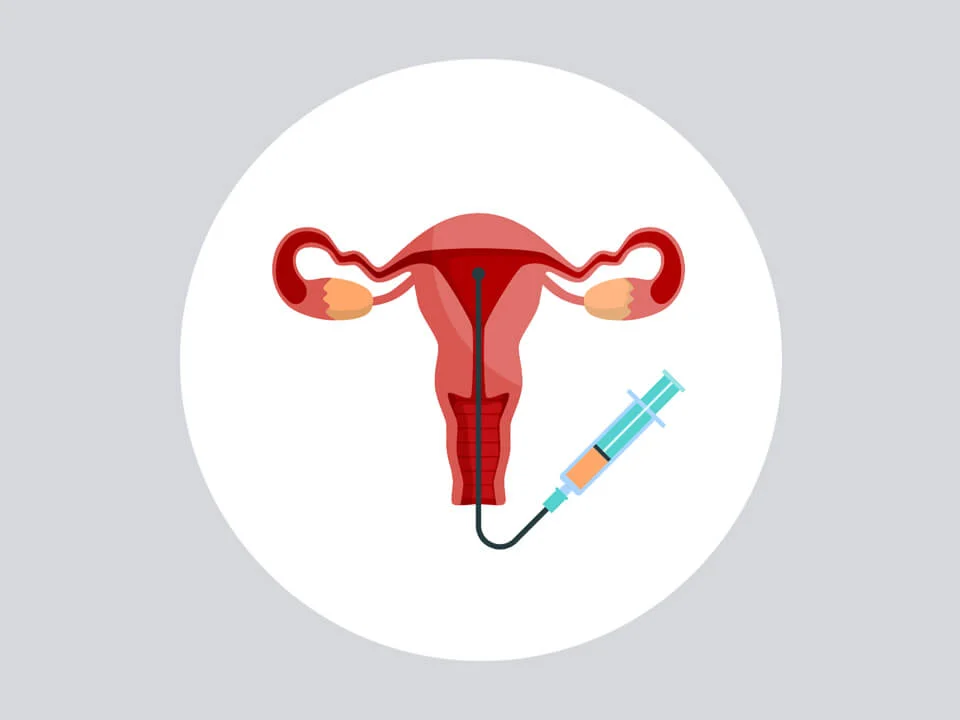
Clinical Insemination: What to Expect During the Procedure
In some cases, your doctor may prescribe progesterone supplements to help prepare the uterine lining for implantation. You will also be advised to track your ovulation and may be asked to come back to the office for a pregnancy test in about two weeks.
Possible Side Effects and Risks
Like any medical procedure, clinical insemination does come with some potential side effects and risks. These may include:
– Cramping or mild discomfort during the procedure
– Spotting or light bleeding after the procedure
– Allergic reaction to the fertility drugs
– Infection from the insertion of the catheter
While these risks are relatively low, it is important to discuss any concerns or potential side effects with your doctor before undergoing the procedure.
Success Rates of Clinical Insemination
The success rates of clinical insemination vary depending on various factors such as age, fertility history, and underlying medical conditions. On average, the success rate of clinical insemination is around 10-20% per cycle. However, with multiple cycles, the chances of pregnancy increase.
If you do not become pregnant after a few cycles of clinical insemination, your doctor may recommend other fertility treatments such as in vitro fertilization (IVF).
In summary, clinical insemination is a straightforward and safe procedure that can help couples struggling with fertility issues. It is important to have a thorough understanding of the steps involved and what to expect before, during, and after the procedure. If you are considering clinical insemination, be sure to consult with your doctor and discuss any questions or concerns you may have.