Tag: Artificial Insemination

  • The Mental and Physical Challenges of Medical Insemination

    Blog Post:

    Medical insemination, also known as artificial insemination, is a technique used to help couples or individuals conceive a child. It involves the placement of sperm into a woman’s reproductive tract, bypassing the natural process of sexual intercourse. While this method can be a successful alternative for those struggling to conceive, it comes with its own set of mental and physical challenges. In this blog post, we will explore the various aspects of medical insemination, including the process, success rates, and the mental and physical challenges that individuals may face.

    The Process of Medical Insemination:

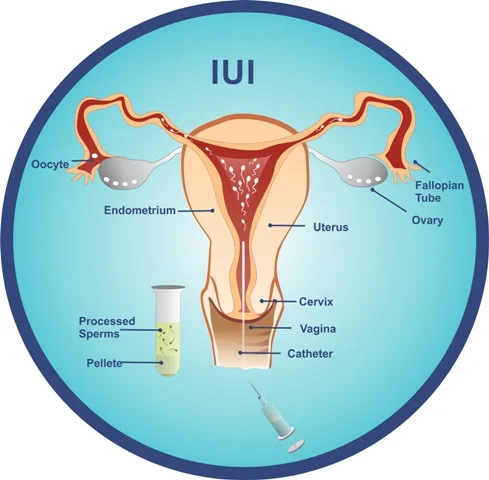
    The process of medical insemination begins with a thorough evaluation of the individual or couple’s medical history. This includes assessing any underlying conditions that may affect fertility, such as hormonal imbalances or structural issues with the reproductive organs. Once the evaluation is complete, the doctor will determine the best method of insemination, which can be either intrauterine insemination (IUI) or intracervical insemination (ICI).

    In IUI, the sperm is directly inserted into the woman’s uterus, while in ICI, it is placed in the cervix. Both methods involve washing and prepping the sperm to increase the chances of fertilization. The timing of insemination is crucial and is usually done around the time of ovulation. The woman may be given fertility drugs to stimulate the production of eggs and improve the chances of conception.

    Success Rates of Medical Insemination:

    The success rates of medical insemination vary depending on various factors such as age, fertility history, and the method used. On average, the success rate for IUI is around 10-20%, while ICI has a lower success rate of 5-10%. However, these rates can increase significantly when combined with fertility drugs and multiple insemination cycles. It is essential to note that medical insemination does not guarantee a successful pregnancy, and it may take several attempts before conception occurs.

    Mental Challenges of Medical Insemination:

    The process of medical insemination can be emotionally taxing for individuals and couples. Infertility is already a sensitive and challenging issue, and undergoing medical procedures to conceive can add to the stress and emotional burden. It is common for individuals to experience feelings of frustration, disappointment, and even guilt during the process. The constant monitoring, injections, and the uncertainty of the outcome can take a toll on one’s mental well-being.
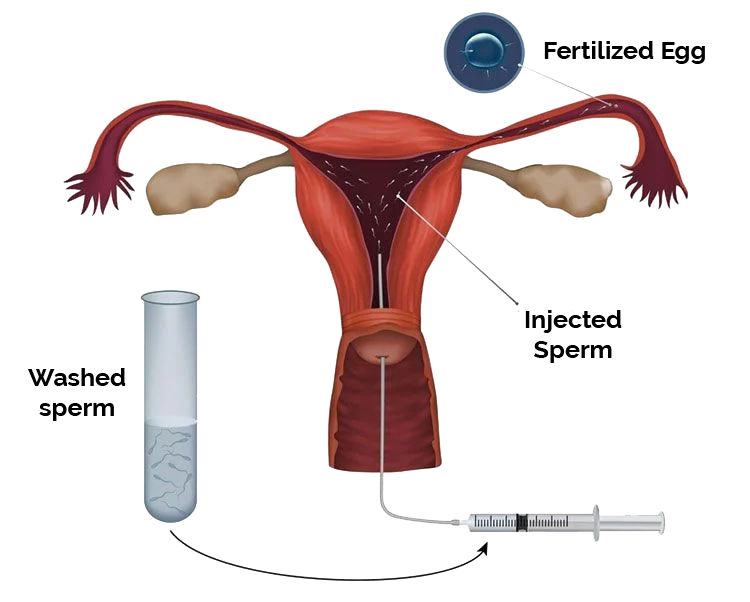
    diagram of the female reproductive system with an IUI syringe and test tube for artificial insemination

    The Mental and Physical Challenges of Medical Insemination

    Another significant mental challenge is the fear of failure. As mentioned earlier, medical insemination does not guarantee a successful pregnancy, and this can be a constant source of worry for individuals. The pressure to conceive can also strain relationships, leading to conflicts and tension between partners.

    Physical Challenges of Medical Insemination:

    The physical challenges of medical insemination can vary from person to person. Some individuals may experience mild discomfort during the procedure, while others may have more severe side effects. The most common physical challenges include cramping, spotting, and bloating. These symptoms usually subside within a few days. In rare cases, individuals may experience more severe complications, such as infections or allergic reactions to the fertility drugs.

    In addition to the physical challenges, the process of medical insemination can also be physically demanding. It requires frequent visits to the doctor’s office for monitoring and multiple insemination cycles. The injections and fertility drugs can also have side effects such as mood swings, headaches, and weight gain, adding to the physical strain.

    Coping with the Challenges:

    Dealing with the mental and physical challenges of medical insemination can be overwhelming, but there are ways to cope with them. Seeking support from loved ones, joining support groups, and talking to a therapist can help individuals and couples navigate their emotions during this process. It is also crucial to have open and honest communication with your partner and to manage expectations. Taking care of one’s physical health by exercising, eating well, and getting enough rest can also help individuals cope with the physical demands of medical insemination.

    Conclusion:

    In conclusion, medical insemination can be a challenging journey, both mentally and physically. It requires patience, resilience, and support from loved ones to navigate the ups and downs of the process. While it may not be the right choice for everyone, it can be a viable option for those struggling with infertility. It is essential to understand the process, success rates, and potential challenges before embarking on this journey. With the right support and mindset, individuals and couples can overcome the challenges of medical insemination and achieve their dream of starting a family.

    Summary:

    Medical insemination is a technique used to help individuals and couples conceive a child. The process involves placing sperm into a woman’s reproductive tract, bypassing the natural process of sexual intercourse. While it can be a successful alternative for those struggling with infertility, it comes with its own set of mental and physical challenges. These challenges include the fear of failure, emotional stress, and physical discomfort. Coping with these challenges requires patience, resilience, and support from loved ones. With the right mindset and support, individuals and couples can navigate the challenges of medical insemination and achieve their dream of starting a family.
  • The Importance of Proper Insemination Techniques

    Blog Post: The Importance of Proper Insemination Techniques

    In the world of animal husbandry, proper insemination techniques are crucial for the success of breeding programs and the production of healthy offspring. Whether it’s for livestock, poultry, or even exotic animals, the process of insemination requires precision and careful attention to detail. In this blog post, we will delve into the importance of proper insemination techniques and how it affects the overall success of breeding programs.

    First and foremost, let’s define what insemination is. Insemination is the process of introducing sperm into the female reproductive tract to fertilize the egg. This can be done through natural mating or artificial insemination (AI). AI involves collecting semen from a male animal and inserting it into the female through various methods such as vaginal, cervical, or intrauterine insemination. The success of AI depends greatly on the skills and techniques used by the inseminator.

    One of the main reasons why proper insemination techniques are crucial is that they directly affect the fertility rate of the female. The goal of insemination is to successfully fertilize the egg, which requires the sperm to be deposited in the right place at the right time. If the inseminator is not skilled or experienced enough, it can lead to inaccurate placement of the semen, resulting in low fertility rates. This can have a significant impact on the breeding program, as it will result in fewer pregnancies and a lower number of offspring produced.

    Proper insemination techniques also play a crucial role in the health of the offspring. When semen is deposited too deep or too shallow, it can result in detrimental effects such as abnormal pregnancies, miscarriages, or even the death of the offspring. Insemination techniques that are not done correctly can also introduce bacteria or other harmful pathogens into the female’s reproductive tract, leading to infections that can affect the health of the offspring. This is especially important for exotic animals, as they may be more susceptible to infections and require extra care during the insemination process.

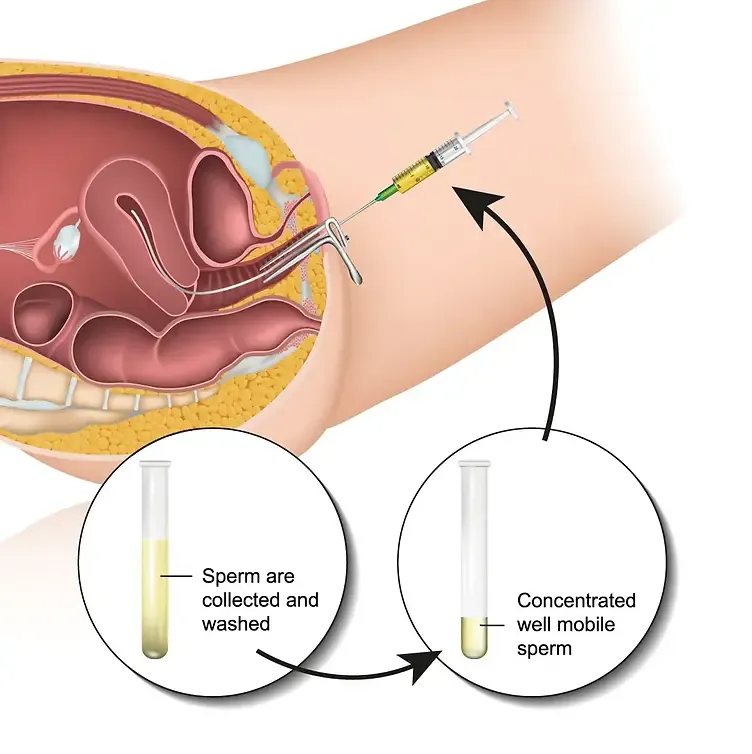
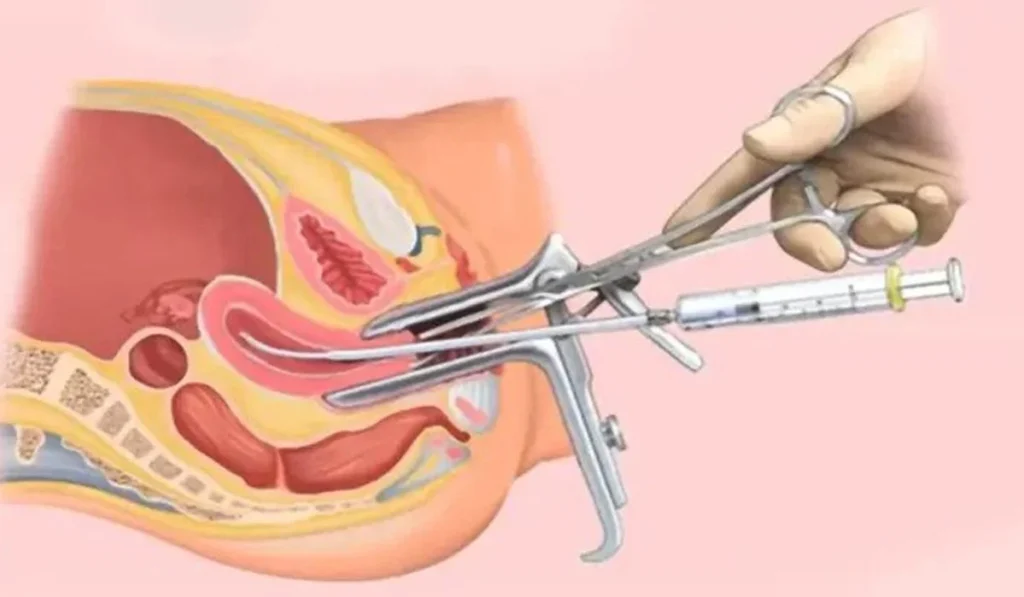
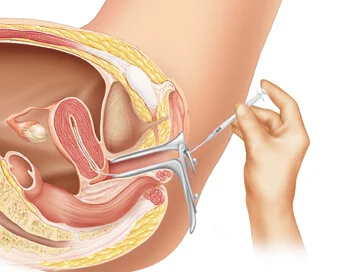
    illustration of an intrauterine insemination procedure with medical instruments and anatomical details

    The Importance of Proper Insemination Techniques

    Moreover, proper insemination techniques also affect the genetics of the offspring. When done correctly, AI allows for the selection of the best genetics from the male and female animals, resulting in healthier and more desirable offspring. This is particularly important for livestock and poultry breeding programs, where the goal is to produce animals with desirable traits such as high milk production, fast growth, or disease resistance. With improper insemination techniques, the chances of producing offspring with undesirable traits increase, which can negatively impact the breeding program.

    In addition to the above, proper insemination techniques also save time and resources. Insemination is a time-sensitive process, and the success of the breeding program depends on the timely delivery of semen to the female. If the insemination is not done correctly, it can result in missed opportunities for fertilization, leading to delays in the breeding program. This not only affects the overall productivity of the program but also results in wasted resources and additional costs.

    Furthermore, proper insemination techniques also play a significant role in the overall welfare of the animals. When done correctly, AI is a less stressful and safer alternative to natural mating for both the male and female animals. Improper insemination techniques can cause harm and discomfort to the animals, resulting in injuries or infections. This not only affects the well-being of the animals but also reflects poorly on the ethical standards of the breeding program.

    In conclusion, proper insemination techniques are critical for the success of breeding programs and the production of healthy offspring. They directly affect the fertility rates, health, genetics, time, resources, and welfare of the animals involved. It is essential for inseminators to have the necessary skills, knowledge, and experience to ensure the proper execution of the insemination process. With proper insemination techniques, breeding programs can achieve higher success rates, produce healthier offspring, and ultimately contribute to the growth and sustainability of the animal industry.

    Summary: Proper insemination techniques are crucial for the success of breeding programs and the production of healthy offspring. They affect the fertility rates, health, genetics, time, resources, and welfare of the animals involved. With proper insemination techniques, breeding programs can achieve higher success rates, produce healthier offspring, and contribute to the growth and sustainability of the animal industry.

  • The Cost Comparison: DIY vs Medical Insemination

    Blog Post Title: The Cost Comparison: DIY vs Medical Insemination

    Introduction:
    The journey to starting a family can be a difficult and emotional process, especially for couples struggling with infertility. One option for conceiving is through artificial insemination, which can be done either at a medical facility or at home through DIY methods. However, before making a decision, it is important to consider the cost comparison between these two options. In this blog post, we will explore the expenses involved in both DIY and medical insemination and provide a comprehensive analysis to help you make an informed decision.

    DIY Insemination:
    DIY insemination, also known as home insemination, involves using a syringe or a device called a “turkey baster” to insert semen into the vagina. This method can be done at home without the supervision of a medical professional, making it a more affordable option for those on a budget. The cost of DIY insemination can range from $50 to $500, depending on the materials used and whether or not the sperm is purchased from a sperm bank or obtained from a known donor. However, it is important to note that there may be additional costs involved, such as fertility drugs or ovulation kits, which can increase the overall cost.

    Medical Insemination:
    Medical insemination, also known as intrauterine insemination (IUI), is a procedure performed by a healthcare professional at a medical facility. It involves washing and preparing the sperm before inserting it directly into the uterus, increasing the chances of conception. The cost of medical insemination can range from $300 to $1000 per cycle, depending on the clinic and location. This cost includes the procedure, sperm washing, and monitoring, but does not include fertility drugs or additional testing, which can significantly increase the overall cost.

    Additional Costs:
    Aside from the direct costs of insemination, there are other expenses that should be considered when comparing DIY and medical insemination. Fertility drugs, which are often used to stimulate ovulation, can range from $50 to $1000 per cycle. These drugs may be necessary for both DIY and medical insemination, depending on the individual’s fertility. Additionally, both options may also require the use of ovulation kits, which can cost around $20 to $50 per cycle.

    illustration of intrauterine insemination procedure with a hand holding a speculum and syringe near the uterus

    The Cost Comparison: DIY vs Medical Insemination

    Success Rates:
    When considering the cost of insemination, it is important to also factor in the success rates of each method. The success rates of DIY insemination are generally lower compared to medical insemination, with a success rate of around 5-15%. On the other hand, medical insemination has a success rate of 15-20% per cycle, increasing to 60% after six cycles. This means that while DIY insemination may seem like a more affordable option upfront, it may end up costing more in the long run due to the need for multiple cycles.

    Insurance Coverage:
    Another important aspect to consider is whether or not your insurance covers the cost of insemination. Some insurance plans may cover a portion of medical insemination, while DIY insemination is usually not covered. It is important to check with your insurance provider to understand what is covered and what is not, as this can significantly impact the overall cost of insemination.

    Emotional and Physical Costs:
    Aside from the financial costs, it is also important to consider the emotional and physical toll that both DIY and medical insemination can take. DIY insemination may be more emotionally taxing as the individual or couple is responsible for the entire process, while medical insemination may provide more emotional support and guidance from healthcare professionals. Additionally, medical insemination requires multiple visits to the clinic and can be physically uncomfortable for some individuals.

    Conclusion:
    When it comes to the cost comparison between DIY and medical insemination, there are several factors to consider. While DIY insemination may seem like a more affordable option upfront, the success rates and need for multiple cycles can end up making it more expensive in the long run. Medical insemination, on the other hand, may have a higher upfront cost, but with higher success rates and the potential for insurance coverage, it may be a more cost-effective option. It is important to also consider the emotional and physical costs involved in both methods before making a decision.

    In the end, the decision between DIY and medical insemination will vary for each individual or couple and their unique situation. It is important to carefully weigh the costs and benefits of each option and consult with a healthcare professional to make an informed decision.

    Summary:
    In this blog post, we explored the cost comparison between DIY and medical insemination. DIY insemination, while initially more affordable, may end up costing more in the long run due to lower success rates and the need for multiple cycles. Medical insemination, although more expensive upfront, may be a more cost-effective option with higher success rates and the potential for insurance coverage. It is important to also consider the emotional and physical costs involved in both methods before making a decision. Ultimately, the decision between DIY and medical insemination will depend on each individual or couple’s unique situation.

  • The Importance of Consent in At-Home and Clinical Insemination

    Blog Post Title: The Importance of Consent in At-Home and Clinical Insemination

    Consent is a crucial aspect of any medical procedure, including insemination. Insemination, also known as artificial insemination, is the process of introducing sperm into a female’s reproductive tract to achieve pregnancy. It can be done at home or in a clinical setting, but regardless of the location, consent plays a vital role in the process. In this blog post, we will discuss the importance of consent in both at-home and clinical insemination and why it should never be overlooked.

    At-Home Insemination and Consent

    At-home insemination is becoming increasingly popular, especially among same-sex couples and single individuals. It involves using a donor’s sperm, either from a known or anonymous source, to achieve pregnancy. While at-home insemination may seem like a simple and convenient option, it is essential to ensure that all parties involved have given their consent.

    First and foremost, the donor must give their consent to provide their sperm for insemination. This consent should be given in writing and should state the specific terms and conditions of the donation. It should also include information on the legal rights and responsibilities of the donor in regards to the child that may be conceived from their sperm.

    The recipient of the sperm must also give their consent for the insemination to take place. This includes understanding the potential risks and complications that may arise from the procedure and being fully informed about the donor’s medical history. Consent should also be given regarding the use of any fertility medications or procedures that may be involved in the insemination process.

    In at-home insemination, it is also crucial to involve a legal professional to draft a contract between the donor and the recipient. This contract should outline the rights and responsibilities of both parties and address any potential issues that may arise in the future regarding the child’s custody and support.

    Clinical Insemination and Consent

    Clinical insemination, also known as intrauterine insemination (IUI), is a more complex process that involves using a medical professional to introduce the sperm directly into the uterus. While it is often perceived as a more reliable option, it is still essential to obtain consent from all parties involved.

    diagram illustrating intrauterine insemination (IUI) with labeled reproductive anatomy and procedures

    The Importance of Consent in At-Home and Clinical Insemination

    The donor’s consent is still required in clinical insemination, and it should be given in writing as well. In a clinical setting, the donor’s sperm is usually screened and tested for any potential health issues. However, it is crucial to ensure that the donor is fully aware of the process and has given their consent for their sperm to be used in the insemination procedure.

    The recipient’s consent is also vital in clinical insemination, and it should be given after a thorough discussion with the medical professional. The recipient must be informed of any potential risks and complications associated with the procedure and provide their consent for the use of any fertility treatments that may be involved.

    In clinical insemination, the medical professional also plays a crucial role in obtaining consent. They must ensure that both the donor and recipient have given their informed consent and that all parties understand the potential outcomes of the procedure.

    The Importance of Consent in Insemination

    Consent is essential in insemination for several reasons. Firstly, it ensures that all parties involved are fully aware of the process and have given their approval for it to take place. It also protects the rights and responsibilities of both the donor and recipient and helps to avoid any potential legal issues in the future.

    Consent is also crucial in maintaining a respectful and ethical approach to insemination. It ensures that the donor’s wishes and intentions are taken into consideration and that the recipient is fully informed about the potential outcomes of the procedure. This helps to avoid any misunderstandings or conflicts that may arise in the future.

    In at-home insemination, consent also plays a crucial role in protecting the child’s rights. With a legally binding contract in place, the child’s well-being and best interests are prioritized, and any potential issues regarding custody and support can be addressed.

    In clinical insemination, consent is essential in maintaining a professional and ethical relationship between the medical professional and the donor and recipient. It helps to establish trust and ensures that all parties are working together towards a common goal.

    In conclusion, consent is a vital aspect of both at-home and clinical insemination. It ensures that all parties involved are fully aware of the process and have given their approval for it to take place. It also protects the rights and responsibilities of both the donor and recipient and helps to maintain a respectful and ethical approach to insemination. If you are considering insemination, it is crucial to seek legal and medical advice to ensure that all parties involved have given their informed consent.

  • At-Home Insemination: A Holistic Approach to Conception

    Blog Post: At-Home Insemination: A Holistic Approach to Conception

    Conception and fertility are topics that have been surrounded by various myths and misconceptions for centuries. With the advancement of technology, there are now several options available for couples who are struggling to conceive. One such option is at-home insemination, which has gained popularity in recent years due to its convenience and affordability. But what exactly is at-home insemination and how does it differ from traditional methods? In this blog post, we will explore the concept of at-home insemination and how it can be a holistic approach to conception.

    What is At-Home Insemination?

    At-home insemination, also known as artificial insemination, is the process of inserting sperm into the cervix or uterus to facilitate pregnancy. This can be done using a variety of methods, including using a syringe or a softcatheter, and can be performed at home without the assistance of a medical professional. At-home insemination is often used by same-sex couples, single women, or couples who are struggling with infertility.

    How is it Different from Traditional Insemination?

    The main difference between at-home insemination and traditional insemination is the location where the procedure takes place. Traditional insemination is typically performed in a medical setting, such as a fertility clinic or a doctor’s office, and is usually done by a medical professional. At-home insemination, on the other hand, is done in the comfort of one’s own home and can be self-administered.

    Another difference is the cost. Traditional insemination can be expensive, with the average cost ranging from $300 to $1000 per cycle. At-home insemination, on the other hand, is relatively inexpensive, with the cost of supplies ranging from $20 to $50 per cycle.

    Why Choose At-Home Insemination?

    There are several reasons why couples may choose at-home insemination over traditional methods. One of the main reasons is the convenience and privacy it offers. Many couples may feel more comfortable and relaxed in their own home, rather than in a clinical setting. At-home insemination also gives couples more control over the process, as they can choose the timing and frequency of insemination.

    Another reason for choosing at-home insemination is the cost. As mentioned earlier, traditional insemination can be expensive, and for some couples, it may not be a viable option. At-home insemination is a more affordable alternative, making it accessible to a wider range of couples.

    diagram illustrating intrauterine insemination process, showing sperm injection into the uterus and egg fertilization pathway

    At-Home Insemination: A Holistic Approach to Conception

    A Holistic Approach to Conception

    At-home insemination can be seen as a more holistic approach to conception, as it focuses on the natural process of pregnancy. Unlike traditional methods, which often involve fertility drugs or invasive procedures, at-home insemination relies solely on the natural process of fertilization.

    Additionally, at-home insemination allows couples to use natural methods to track ovulation and determine the best time for insemination. This includes using ovulation predictor kits, tracking basal body temperature, and monitoring cervical mucus. By using these methods, couples can increase their chances of successful insemination.

    Holistic methods also play a role in preparing for at-home insemination. This includes maintaining a healthy diet and lifestyle, reducing stress, and using natural supplements to improve fertility. By focusing on overall health and well-being, couples can increase their chances of conception and have a more positive experience with at-home insemination.

    Things to Consider

    While at-home insemination can be a viable option for many couples, there are some important things to consider before deciding to try it. First, it is essential to understand that at-home insemination does not guarantee pregnancy, and it may take several cycles before success is achieved. It is also important to follow proper hygiene and safety measures when performing the procedure at home to reduce the risk of infection.

    Moreover, it is crucial to have a support system in place, whether it is a partner, friend, or support group. Trying to conceive can be emotionally taxing, and having someone to talk to and share the experience with can be beneficial.

    In Conclusion

    At-home insemination is a holistic approach to conception that offers couples more control, convenience, and affordability. By focusing on the natural process of pregnancy, it can be a less invasive option for couples who are struggling to conceive. However, it is essential to weigh the pros and cons and consider all factors before deciding to try at-home insemination.

    Summary:

    At-home insemination, also known as artificial insemination, is the process of inserting sperm into the cervix or uterus to facilitate pregnancy and can be done at home without the assistance of a medical professional. It differs from traditional insemination in terms of location and cost, making it a more convenient and affordable option for many couples. At-home insemination is a holistic approach to conception, as it focuses on the natural process of pregnancy and allows couples to use natural methods to track ovulation. However, it is important to consider all factors and have a support system in place before deciding to try at-home insemination.

  • At-Home Insemination and the Importance of Tracking Ovulation

    Blog Post:

    At-Home Insemination and the Importance of Tracking Ovulation

    In recent years, there has been a growing trend towards at-home insemination as an alternative method for conceiving a child. This process involves using a donor sperm to fertilize an egg, either through artificial insemination or self-insemination. While at-home insemination may seem like a straightforward and simple process, there are important factors to consider, such as tracking ovulation. In this blog post, we will delve into the world of at-home insemination and discuss why tracking ovulation is crucial for success.

    What is At-Home Insemination?

    At-home insemination, also known as home insemination, is the process of using a donor sperm to fertilize an egg outside of a traditional clinical setting. This method is becoming increasingly popular for couples who are struggling to conceive or are in same-sex relationships. It involves purchasing donor sperm from a sperm bank or using sperm from a known donor and then using it to inseminate the partner at home.

    At-home insemination can be done through artificial insemination, where a syringe is used to inject the sperm directly into the cervix, or through self-insemination, where the sperm is inserted into the vagina using a soft cup or a menstrual cup. Both methods have a high success rate and are less invasive and costly than other fertility treatments.

    Why is Tracking Ovulation Important?

    One of the key factors in successfully conceiving through at-home insemination is timing. Ovulation, the release of an egg from the ovary, only occurs once per menstrual cycle and lasts for 12-24 hours. Sperm can survive in the female reproductive tract for up to five days, so in order for fertilization to occur, the sperm needs to be present before or during ovulation.

    Tracking ovulation is essential for at-home insemination because it allows you to determine the best time to inseminate. This means that you have a higher chance of the sperm reaching the egg and fertilizing it, leading to a successful pregnancy. Without tracking ovulation, you may miss the window of opportunity and have to wait until the next cycle to try again.

    How to Track Ovulation

    There are several methods for tracking ovulation, and it is important to find the one that works best for you. Here are some options to consider:

    Illustration of intrauterine insemination process, showing sperm collection and injection into the uterus.

    At-Home Insemination and the Importance of Tracking Ovulation

    1. Tracking Basal Body Temperature (BBT) – BBT is the lowest body temperature during rest, and it rises slightly after ovulation. By tracking your BBT every morning, you can detect the slight temperature increase, indicating that ovulation has occurred.

    2. Using Ovulation Predictor Kits (OPKs) – These kits detect the surge of luteinizing hormone (LH) in your urine, which happens 24-36 hours before ovulation. You can use OPKs to predict when ovulation will occur, giving you a better idea of when to inseminate.

    3. Monitoring Cervical Mucus – Cervical mucus changes throughout the menstrual cycle, becoming thin and stretchy around ovulation. By observing the changes in your cervical mucus, you can determine when you are most fertile.

    4. Tracking Menstrual Cycle – If your menstrual cycle is regular, you can use a period tracking app or calendar to estimate when ovulation will occur. However, this method is not as accurate as the others and may not work for those with irregular cycles.

    Benefits of Tracking Ovulation for At-Home Insemination

    1. Increases Chances of Success – As mentioned earlier, tracking ovulation helps you determine the best time to inseminate, increasing your chances of success.

    2. Saves Time and Money – By tracking ovulation, you can avoid unnecessary inseminations and save time and money in the long run.

    3. Reduces Stress and Anxiety – Trying to conceive can be an emotional rollercoaster, and tracking ovulation can help reduce the stress and anxiety that comes with it. Knowing that you are inseminating at the right time can give you peace of mind and make the process less daunting.

    4. Helps Identify Underlying Issues – If you have been trying to conceive for a while without success, tracking ovulation can help identify any underlying issues, such as irregular ovulation or hormonal imbalances, that may be hindering your chances of getting pregnant.

    In conclusion, at-home insemination can be a successful method for conceiving a child, but it is crucial to track ovulation to increase your chances of success. With various methods available, it is essential to find the one that works best for you. Remember to also consult with a healthcare professional for guidance and advice on the best approach for your unique situation.

    Summary:

    At-home insemination is a growing trend for couples struggling to conceive or in same-sex relationships. This process involves using a donor sperm to fertilize an egg, either through artificial insemination or self-insemination. To increase the chances of success, it is important to track ovulation, which is the release of an egg from the ovary. This can be done through methods such as tracking basal body temperature, using ovulation predictor kits, monitoring cervical mucus, or tracking the menstrual cycle. Tracking ovulation has various benefits, including increasing chances of success, saving time and money, reducing stress and anxiety, and identifying underlying issues. It is crucial to consult with a healthcare professional for guidance on the best approach for your unique situation.

  • The Impact of Medications on At-Home and Clinical Insemination

    The Impact of Medications on At-Home and Clinical Insemination: A Comprehensive Guide

    Medications play a crucial role in the success of both at-home and clinical insemination. Insemination, also known as artificial insemination, is a form of assisted reproductive technology that involves placing sperm into a woman’s reproductive tract to facilitate fertilization. It is commonly used by couples struggling with fertility issues, as well as by same-sex couples and single individuals who want to start a family.

    While insemination can be done at home using a donor sperm kit, it can also be performed in a clinical setting with the help of a fertility specialist. In both cases, medications are often prescribed to increase the chances of successful fertilization. In this blog post, we will delve into the impact of medications on at-home and clinical insemination and discuss their importance in the process.

    The Role of Medications in At-Home Insemination

    At-home insemination involves using a donor sperm kit that contains all the necessary tools for the procedure. This method is often preferred by those who want to conceive in the comfort of their own home and at a lower cost compared to clinical insemination. However, the success rate of at-home insemination is significantly lower than that of clinical insemination, and this is where medications come into play.

    The most commonly used medication in at-home insemination is Clomiphene citrate, also known as Clomid. It is an oral medication that is used to induce ovulation in women who have trouble ovulating on their own. Ovulation is the process of releasing an egg from the ovary, and it is essential for pregnancy to occur. By taking Clomid, women can increase their chances of ovulating and thus, increase their chances of successful insemination.

    Another medication that is sometimes prescribed for at-home insemination is human chorionic gonadotropin (hCG). This hormone is naturally produced by the body after ovulation and is responsible for maintaining the uterine lining. In at-home insemination, hCG is used to trigger ovulation, which helps to time the insemination perfectly. This medication is usually administered as an injection, and it is crucial to follow the doctor’s instructions carefully to ensure its effectiveness.

    The Impact of Medications on Clinical Insemination

    Clinical insemination, also known as intrauterine insemination (IUI), involves placing washed sperm directly into the uterus using a catheter. This method is more invasive and requires the assistance of a fertility specialist. The success rate of clinical insemination is significantly higher than at-home insemination, but medications are still an essential part of the process.

    Illustration of intrauterine insemination process, showing sperm collection and injection into the uterus.

    The Impact of Medications on At-Home and Clinical Insemination

    In clinical insemination, the medications used are similar to those in at-home insemination, but the dosage and administration may differ. In addition to Clomid and hCG, gonadotropins are another type of medication that may be prescribed for clinical insemination. These are injectable hormones that stimulate the ovaries to produce multiple eggs, increasing the chances of successful fertilization.

    Progesterone is another medication that is commonly used in clinical insemination. It is a hormone that is naturally produced by the body after ovulation and is essential in preparing the uterus for pregnancy. Progesterone supplements may be prescribed to help thicken the uterine lining and make it more receptive to embryo implantation.

    The Importance of Monitoring and Timing

    In both at-home and clinical insemination, medications are not the only crucial factor in achieving pregnancy. Proper monitoring and timing are also essential for success. In at-home insemination, women are advised to track their ovulation using ovulation predictor kits or by monitoring their basal body temperature. This helps to determine the best time to perform the insemination.

    In clinical insemination, monitoring is done through blood tests and ultrasounds to track the development of follicles (structures that contain eggs) in the ovaries. This allows the fertility specialist to determine the best time to trigger ovulation and perform the insemination. Timing is crucial in both methods, as insemination should be done as close to ovulation as possible for the best chances of success.

    Potential Side Effects of Medications

    As with any medication, there are potential side effects that come with using medications for insemination. The most common side effects of Clomid and gonadotropins include hot flashes, mood swings, and abdominal discomfort. Some women may also experience ovarian hyperstimulation syndrome (OHSS), a condition where the ovaries become swollen and painful.

    Progesterone supplements may cause side effects such as bloating, breast tenderness, and mood swings. It is essential to discuss potential side effects with a doctor and to report any unusual symptoms. In rare cases, severe side effects such as allergic reactions or blood clots may occur, and immediate medical attention should be sought.

    In conclusion, medications play a crucial role in the success of both at-home and clinical insemination. They can help regulate ovulation, increase the chances of successful fertilization, and prepare the uterus for pregnancy. However, proper monitoring and timing are also crucial for the best chances of success. It is important to consult with a fertility specialist and follow their instructions carefully to ensure the safe and effective use of medications in insemination.

    SEO Metadata:

  • At-Home Insemination: A Solution for Couples Struggling with Infertility

    At-Home Insemination: A Solution for Couples Struggling with Infertility

    Infertility is a common issue that affects millions of couples around the world. For those who are struggling to conceive, the journey to parenthood can be emotionally and physically draining. Many couples turn to expensive and invasive fertility treatments, but for some, these options may not be feasible or desirable. However, there is another alternative that is gaining popularity among couples – at-home insemination.

    At-home insemination is a simple and affordable process that involves the insertion of sperm into the cervix or vagina of a woman in order to facilitate fertilization. This can be done with the help of a partner or a donor, and it can be performed in the comfort and privacy of one’s own home. While it may not be suitable for all couples, at-home insemination can be a viable option for those struggling with infertility. In this blog post, we will explore the basics of at-home insemination, its benefits and drawbacks, and how to get started with the process.

    What is At-Home Insemination?

    At-home insemination, also known as artificial insemination or intrauterine insemination (IUI), is a fertility treatment that involves the direct placement of sperm into a woman’s reproductive tract. This can be done through various methods, such as using a syringe, a cervical cap, or a softcup. The goal of at-home insemination is to increase the chances of the sperm reaching the fallopian tubes and fertilizing an egg.

    The process of at-home insemination is similar to that of intrauterine insemination (IUI) performed in a medical setting, but without the involvement of a healthcare professional. It is important to note that at-home insemination is not the same as at-home fertility treatments, which often involve the use of fertility medications to stimulate ovulation. At-home insemination is a form of assisted reproductive technology (ART) that can be used by couples who are unable to conceive through natural means.

    Who Can Benefit from At-Home Insemination?

    At-home insemination can be a viable option for couples who are struggling with various forms of infertility, including male factor infertility, unexplained infertility, or same-sex couples. It can also be an option for single women who want to become parents. In addition, at-home insemination can be a more affordable alternative to other fertility treatments, making it accessible to a wider range of people.

    Benefits of At-Home Insemination

    There are several benefits of at-home insemination that make it an attractive option for couples struggling with infertility. First and foremost, it is a non-invasive and painless procedure that can be performed in the comfort of one’s own home. This can reduce the stress and anxiety associated with fertility treatments, as well as the need to schedule appointments and travel to a medical facility.

    Illustration of IUI procedure with uterus and syringe against a DNA background.

    At-Home Insemination: A Solution for Couples Struggling with Infertility

    Another major benefit of at-home insemination is its affordability. Compared to other fertility treatments, at-home insemination is relatively inexpensive. The cost of a single at-home insemination kit can range from $50 to $200, depending on the method used. This is significantly lower than the cost of in vitro fertilization (IVF) or intrauterine insemination (IUI) performed in a medical setting.

    At-home insemination also allows for more control and privacy. Unlike fertility treatments performed in a clinic, at-home insemination can be done at any time and in the comfort and privacy of one’s own home. This can be particularly beneficial for couples who prefer to keep their fertility journey private.

    Drawbacks of At-Home Insemination

    While at-home insemination may seem like an easy and affordable solution for couples struggling with infertility, there are also some drawbacks to consider. One of the main limitations of at-home insemination is the lower success rate compared to other fertility treatments. The success rate of at-home insemination can range from 10% to 20%, depending on various factors such as age, fertility status, and method used.

    In addition, at-home insemination does not involve the same level of monitoring and testing as fertility treatments performed in a medical setting. This means that underlying fertility issues may go undetected, making it difficult to determine the cause of infertility and the most effective treatment options.

    How to Get Started with At-Home Insemination

    Before starting the process of at-home insemination, it is important to consult with a healthcare professional to ensure that it is a safe and suitable option for you and your partner. They can also provide guidance on the best method and timing for your specific situation.

    Once you have decided to proceed with at-home insemination, the next step is to choose a method. The most common methods used for at-home insemination are using a syringe, a cervical cap, or a softcup. These methods involve collecting semen from a partner or a donor and inserting it into the vagina or cervix close to the time of ovulation.

    At-home insemination kits are available for purchase online or at some fertility clinics. These kits typically include all the necessary supplies, such as a syringe or cervical cap, instructions, and sometimes ovulation predictor kits to help determine the best timing for insemination.

    Summary:

    At-home insemination is a simple and affordable fertility treatment that involves inserting sperm into the cervix or vagina of a woman in order to facilitate fertilization. It can be a viable option for couples struggling with infertility, as well as single women who want to become parents. This non-invasive and private procedure can be done in the comfort of one’s own home and at a lower cost compared to other fertility treatments. However, at-home insemination also has some drawbacks, such as a lower success rate and lack of monitoring and testing. It is important to consult with a healthcare professional before starting the process of at-home insemination.

  • The Role of Sperm Quality in At-Home vs Clinical Insemination

    Blog Post:

    When it comes to starting a family, many couples turn to assisted reproductive technologies (ART) such as intrauterine insemination (IUI) or in vitro fertilization (IVF). These procedures often involve the use of sperm from a sperm bank or a known donor, and the quality of the sperm is a crucial factor in the success of the procedure. But what about at-home insemination, where couples use a DIY approach to insemination? Does sperm quality play a significant role in the success of this method as well? In this blog post, we will discuss the role of sperm quality in at-home vs clinical insemination.

    Sperm Quality and Fertility:

    Before diving into the differences between at-home and clinical insemination, it’s essential to understand the importance of sperm quality in fertility. Sperm quality refers to the health and viability of the sperm, which is determined by factors such as sperm count, motility, and morphology. Sperm must have the ability to swim and penetrate the egg for successful fertilization to occur. Therefore, sperm quality is directly linked to a couple’s chances of conceiving.

    Clinical Insemination:

    Clinical insemination, also known as artificial insemination, is a medical procedure usually performed in a fertility clinic. It involves the placement of sperm directly into a woman’s uterus, bypassing the cervix and increasing the chances of fertilization. There are two types of clinical insemination: IUI and IVF.

    In IUI, a sperm sample is obtained from either a sperm bank or a known donor, washed, and then inserted into the uterus through a thin catheter. This process is typically done around the time of ovulation to increase the chances of sperm meeting the egg. IVF, on the other hand, involves retrieving eggs from the woman’s ovaries and fertilizing them in a laboratory with sperm from a donor or partner. The resulting embryos are then transferred into the woman’s uterus.

    Sperm quality plays a crucial role in the success of clinical insemination. In IUI, the washed sperm must have good motility and be able to swim through the uterus to reach the egg. In IVF, the sperm must be able to fertilize the egg in the laboratory. If the sperm quality is poor, the chances of a successful pregnancy are significantly reduced in both procedures.

    At-Home Insemination:

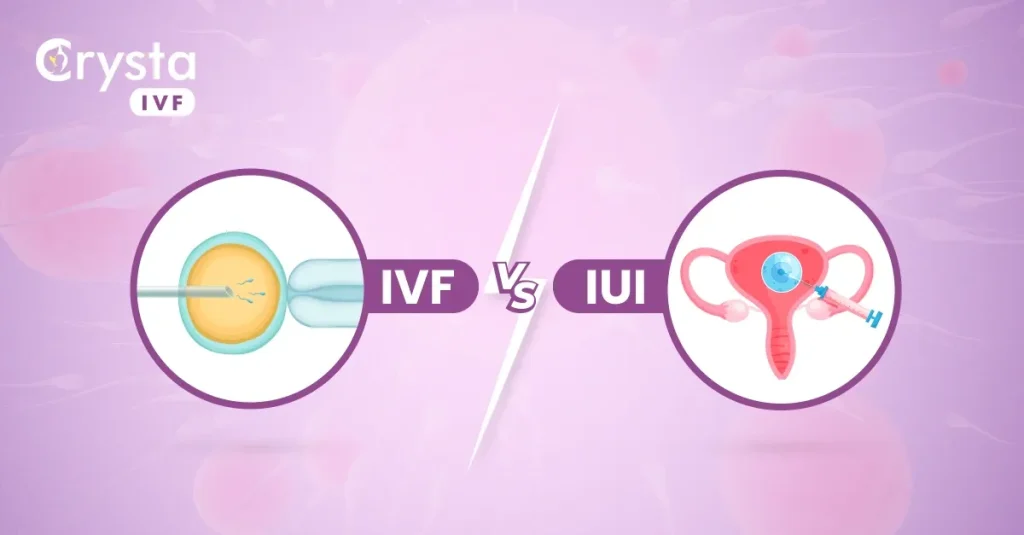
    Comparison of IVF and IUI procedures with illustrations of each method.

    The Role of Sperm Quality in At-Home vs Clinical Insemination

    At-home insemination involves the use of a syringe or a cervical cap to deposit sperm into the vagina near the cervix. This method is often used by same-sex couples or those struggling with fertility issues. Unlike clinical insemination, at-home insemination does not require any medical intervention and can be done in the comfort of one’s home.

    But does sperm quality matter in at-home insemination? The answer is yes. While the sperm does not have to swim through the uterus like in IUI, it still needs to reach the egg for fertilization to occur. Poor sperm quality can hinder this process and decrease the chances of conception. Additionally, at-home insemination does not involve any medical supervision, so it’s crucial for couples to ensure that the sperm used is of good quality.

    Improving Sperm Quality:

    Now that we understand the importance of sperm quality in both clinical and at-home insemination, it’s essential to know how to improve sperm quality. Lifestyle factors such as diet, exercise, and avoiding harmful substances like alcohol and tobacco can have a significant impact on sperm quality. Additionally, certain vitamins and supplements have been shown to improve sperm health, such as zinc, vitamin C, and CoQ10.

    Couples can also opt for advanced sperm testing, such as a semen analysis, to determine the quality of the sperm and address any underlying issues. In cases where the male partner’s sperm quality is low, there are options for sperm improvement, such as intra-cytoplasmic sperm injection (ICSI) during IVF, where a single sperm is injected directly into the egg.

    Conclusion:

    In conclusion, sperm quality plays a crucial role in both at-home and clinical insemination. While clinical insemination involves medical intervention and a more controlled environment, at-home insemination relies on the quality of the sperm used. Couples must prioritize improving sperm quality through lifestyle changes and advanced testing for a higher chance of success in both methods.

    Summary:

    Sperm quality is a vital factor in fertility, and it plays a significant role in both at-home and clinical insemination. In clinical insemination, the sperm must have good motility and be able to fertilize the egg either in the uterus or in a laboratory. At-home insemination, although less invasive, still requires good sperm quality for successful fertilization to occur. Couples can improve sperm quality through lifestyle changes, advanced testing, and treatment options such as ICSI during IVF.

  • Clinical Insemination: What to Expect During the Procedure

    Clinical insemination, also known as artificial insemination, is a common fertility treatment that involves placing sperm directly into a woman’s uterus to increase the chances of pregnancy. This procedure can be done with a partner’s sperm or through the use of donor sperm. If you are considering clinical insemination, it is important to understand what to expect during the procedure. In this blog post, we will discuss the steps of clinical insemination and what you can expect before, during, and after the procedure.

    Before the Procedure

    Before undergoing clinical insemination, you will have a consultation with your fertility specialist to discuss your medical history and determine if this is the right treatment option for you. Your doctor may also recommend some tests to evaluate your fertility, such as blood work, ultrasound, or a hysterosalpingogram (HSG) to check for any blockages in your fallopian tubes.

    Once you and your doctor have decided on clinical insemination, your doctor may prescribe fertility drugs to stimulate ovulation. These medications can help increase the number of eggs released during ovulation, which can improve the chances of pregnancy.

    During the Procedure

    Clinical insemination is a relatively simple and non-invasive procedure that can be done in your doctor’s office. On the day of your insemination, your partner or donor will provide a semen sample. The sample will then be washed and prepared in the lab to separate the sperm from the other components of the semen.

    Next, your doctor will insert a speculum into your vagina to hold it open and then use a thin, flexible catheter to insert the prepared sperm into your uterus. This process may cause some mild cramping, similar to menstrual cramps, but most women do not find it too uncomfortable.

    After the Procedure

    After the sperm has been inserted, you will be asked to remain lying down for about 15-20 minutes to allow the sperm to travel up to the fallopian tubes. Your doctor may also recommend that you continue to rest for the remainder of the day.

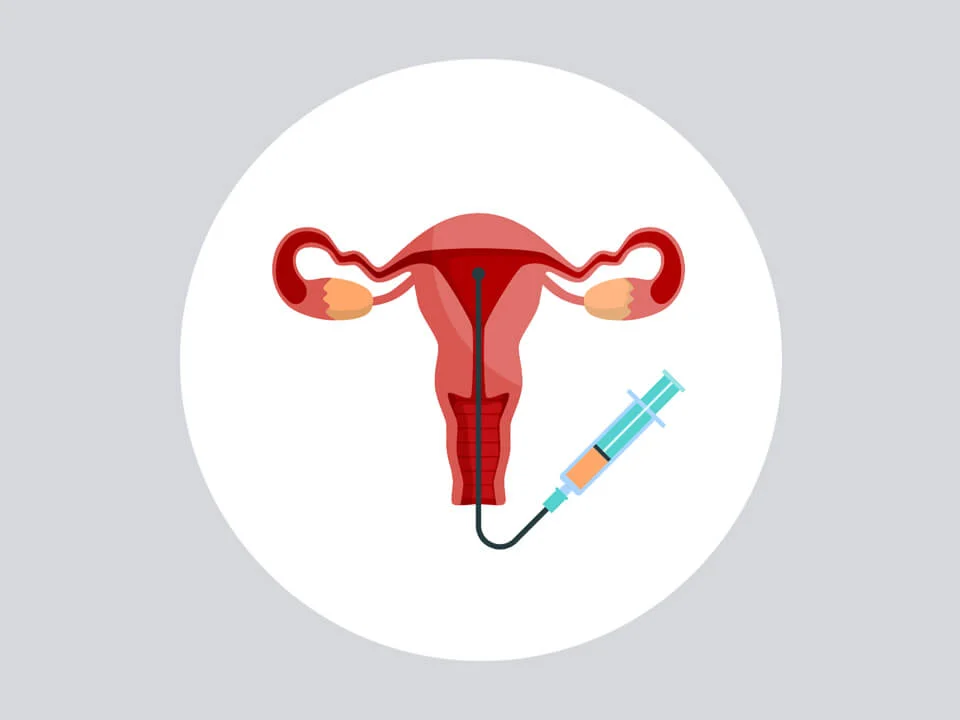
    Illustration of a uterus with a syringe, representing intrauterine insemination (IUI) procedure.

    Clinical Insemination: What to Expect During the Procedure

    In some cases, your doctor may prescribe progesterone supplements to help prepare the uterine lining for implantation. You will also be advised to track your ovulation and may be asked to come back to the office for a pregnancy test in about two weeks.

    Possible Side Effects and Risks

    Like any medical procedure, clinical insemination does come with some potential side effects and risks. These may include:

    – Cramping or mild discomfort during the procedure
    – Spotting or light bleeding after the procedure
    – Allergic reaction to the fertility drugs
    – Infection from the insertion of the catheter

    While these risks are relatively low, it is important to discuss any concerns or potential side effects with your doctor before undergoing the procedure.

    Success Rates of Clinical Insemination

    The success rates of clinical insemination vary depending on various factors such as age, fertility history, and underlying medical conditions. On average, the success rate of clinical insemination is around 10-20% per cycle. However, with multiple cycles, the chances of pregnancy increase.

    If you do not become pregnant after a few cycles of clinical insemination, your doctor may recommend other fertility treatments such as in vitro fertilization (IVF).

    In summary, clinical insemination is a straightforward and safe procedure that can help couples struggling with fertility issues. It is important to have a thorough understanding of the steps involved and what to expect before, during, and after the procedure. If you are considering clinical insemination, be sure to consult with your doctor and discuss any questions or concerns you may have.