Tag: female infertility

  • Fertility Testing and Treatment: Is There a Difference for Men and Women?

    Blog Post:

    Fertility is a topic that affects both men and women, yet it is often perceived as a solely female issue. However, the truth is that both men and women can experience fertility issues and may need testing and treatment to conceive. In this blog post, we will explore the differences in fertility testing and treatment for men and women and how understanding these differences can help couples struggling with infertility.

    Fertility Testing for Women:

    Fertility testing for women usually starts with a basic physical examination and medical history. This includes checking for any underlying health conditions that may affect fertility, such as polycystic ovary syndrome (PCOS) or endometriosis. The doctor may also perform blood tests to check hormone levels and ovulation, as well as a pelvic ultrasound to assess the health of the reproductive organs.

    If these initial tests do not reveal any issues, the next step is usually a hysterosalpingogram (HSG). This procedure involves injecting dye into the uterus and taking X-ray images to check for blockages or abnormalities in the fallopian tubes. Another common test is a hysteroscopy, which involves inserting a thin, lighted tube through the cervix to examine the uterine cavity.

    In some cases, a more invasive test called a laparoscopy may be recommended. This involves making a small incision in the abdomen and inserting a thin, lighted tube to examine the reproductive organs for any abnormalities.

    Fertility Testing for Men:

    For men, fertility testing usually involves a semen analysis. This test measures the quantity and quality of sperm in a man’s semen. It can identify issues such as low sperm count, poor sperm motility, or abnormal sperm shape, which can affect a man’s fertility. In some cases, a blood test may also be recommended to check hormone levels and rule out any underlying health conditions.

    Treatment Options for Women:

    The most common treatment for female infertility is fertility drugs, such as Clomid, which help stimulate ovulation. In cases of hormonal imbalances, hormone therapy may be recommended. For women with blocked fallopian tubes or structural abnormalities in the uterus, surgery may be necessary to correct the issue.
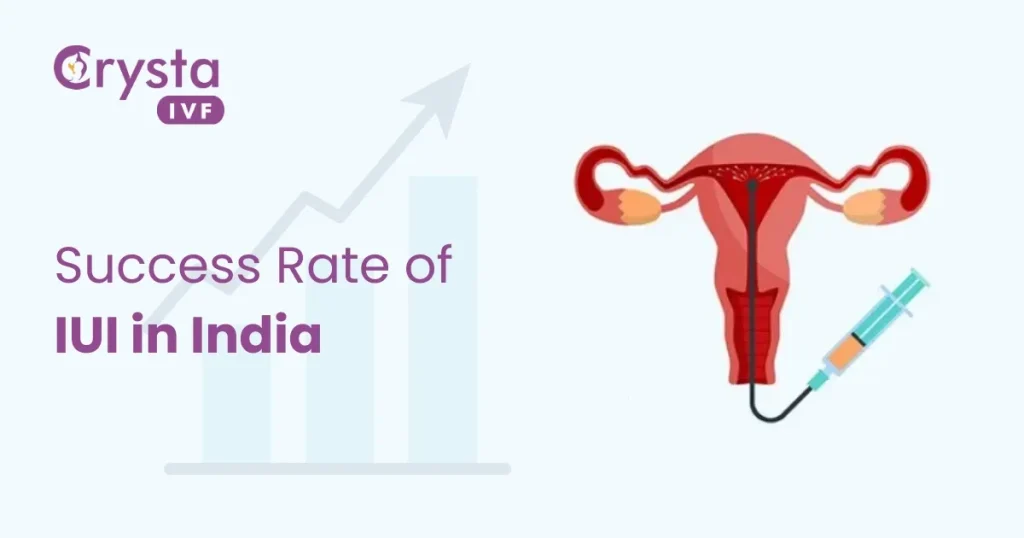
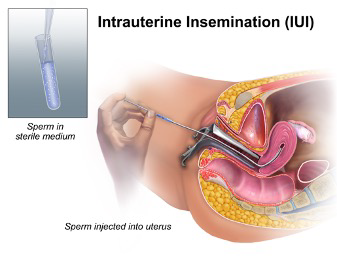
    success rate of IUI in India with a graphic of a uterus and syringe alongside a rising graph

    Fertility Testing and Treatment: Is There a Difference for Men and Women?

    In vitro fertilization (IVF) is another option for women who are unable to conceive naturally. This involves retrieving eggs from the ovaries and fertilizing them with sperm in a laboratory before transferring the resulting embryos back into the uterus.

    Treatment Options for Men:

    For men with low sperm count or poor sperm quality, fertility drugs may be prescribed to improve sperm production. In cases of hormonal imbalances, hormone therapy may also be recommended. In some cases, surgery may be necessary to correct any blockages or abnormalities in the reproductive organs.

    In vitro fertilization with intracytoplasmic sperm injection (ICSI) is a common treatment option for male infertility. This involves injecting a single sperm directly into an egg in the laboratory before transferring the resulting embryo back into the uterus.

    Is There a Difference in Fertility Testing and Treatment for Men and Women?

    While there are some differences in the specific tests and treatments used for men and women, the ultimate goal is the same: to help couples conceive. Both men and women may need to undergo multiple tests and try different treatment options before finding success. It is important for couples to understand that infertility is not solely a female issue and that both partners need to be involved in the testing and treatment process.

    Additionally, it is important to note that fertility issues can be caused by a combination of factors in both men and women. Therefore, it is crucial for both partners to be tested and treated in order to increase the chances of conception.

    Couples also need to be patient and understanding during the fertility testing and treatment process. It can be emotionally and physically draining, but with the support of each other and their healthcare team, they can get through it together.

    In conclusion, fertility testing and treatment may differ slightly for men and women, but the overall goal remains the same. It is important for couples to understand that infertility is not solely a female issue and that both partners may need to undergo testing and treatment to conceive. With advancements in technology and medical treatments, there is hope for couples struggling with infertility to start a family of their own.

    Summary:

    Fertility testing and treatment is not just a female issue, as men can also experience fertility issues. For women, testing often involves physical exams, blood tests, and procedures such as HSG or laparoscopy. Treatment options include fertility drugs, hormone therapy, surgery, and IVF. For men, semen analysis and blood tests are common tests, and treatment options include fertility drugs, hormone therapy, surgery, and IVF with ICSI. The ultimate goal is the same for both men and women – to help couples conceive. It is important for couples to understand that infertility is not solely a female issue and that both partners may need to undergo testing and treatment for the best chance at success.
  • The Power of Communication: Navigating Male and Female Factor Infertility as a Couple

    Summary:

    Infertility affects millions of couples worldwide, with male and female factor infertility being the leading causes. It is a challenging and emotional journey that can put a strain on a couple’s relationship. However, effective communication can be a powerful tool in navigating through this difficult time and strengthening the bond between partners.

    In this blog post, we will explore the power of communication in the context of male and female factor infertility. We will discuss the impact of infertility on a couple’s relationship, the differences in how men and women cope with it, and how effective communication can help couples support each other through this journey.

    The Impact of Infertility on a Couple’s Relationship:

    Infertility can take a toll on a couple’s relationship, affecting their emotional, physical, and financial well-being. The inability to conceive can cause feelings of guilt, frustration, and inadequacy, leading to conflicts and strain in the relationship. The pressure to conceive can also lead to stress and anxiety, affecting the couple’s intimacy and communication.

    In addition, couples dealing with infertility may face societal and cultural pressures, which can further strain their relationship. For example, in many cultures, infertility is stigmatized, and women are often blamed for the couple’s inability to conceive. This can create a sense of shame and isolation, making it challenging for couples to open up and communicate with each other.

    Gender Differences in Coping with Infertility:

    Men and women may have different coping mechanisms when dealing with infertility. Men tend to internalize their feelings and may not express their emotions as openly as women. They may also feel pressure to be the provider and protector, which can make it challenging for them to admit their struggles and seek support.

    On the other hand, women may be more vocal about their emotions and may seek support from friends and family. They may also feel a stronger sense of responsibility for the couple’s infertility, leading to feelings of guilt and stress. These differences in coping mechanisms can create a communication gap between partners, making it difficult to understand each other’s feelings and needs.

    The Power of Communication in Navigating Male and Female Factor Infertility:

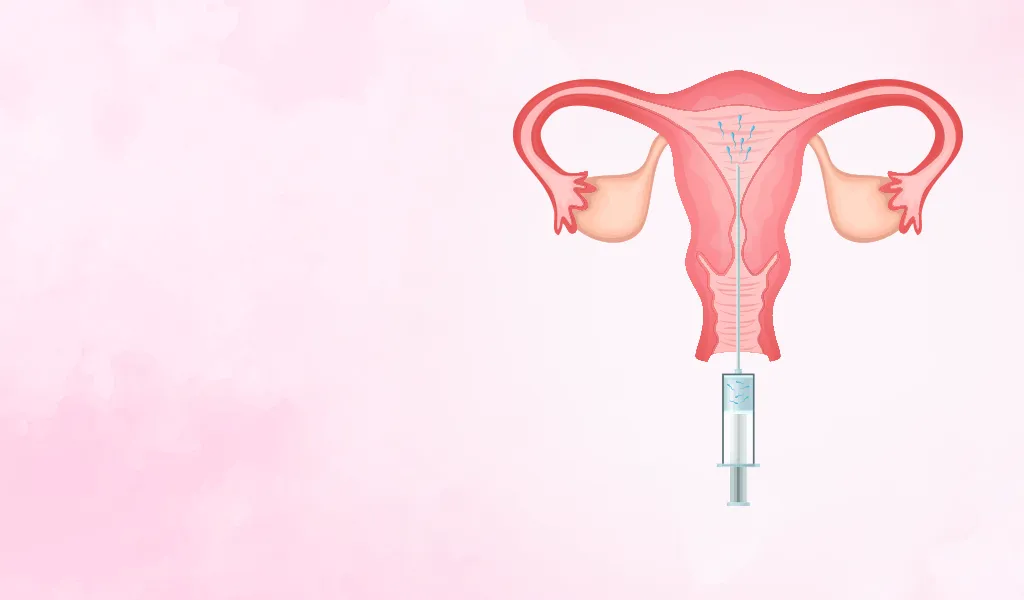
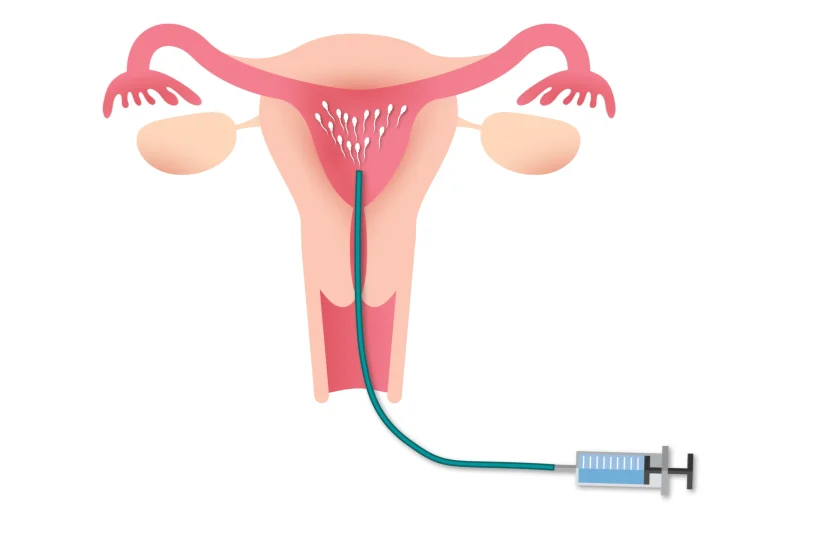
    Illustration of a uterus with a syringe, representing intrauterine insemination (IUI) procedure.

    The Power of Communication: Navigating Male and Female Factor Infertility as a Couple

    Effective communication is crucial in navigating through male and female factor infertility as a couple. It allows partners to express their emotions, fears, and needs openly and honestly. It also helps in breaking down the barriers and stigmas surrounding infertility, creating a safe and supportive environment for both partners.

    Here are some ways in which communication can help in navigating infertility:

    1. Create a safe space for open communication: Couples dealing with infertility should create a safe space for open and honest communication. This means setting aside time to talk, actively listening to each other, and being understanding and supportive.

    2. Share feelings and emotions: Both partners should feel comfortable sharing their feelings and emotions without fear of judgment or criticism. This will help in understanding each other’s perspective and coping mechanisms better.

    3. Seek professional support: Infertility can be emotionally draining, and seeking the help of a therapist or counselor can provide couples with a safe space to communicate and work through their struggles together.

    4. Educate each other: It is essential for partners to educate themselves about infertility, its causes, and the available treatment options. This will help in creating a shared understanding and support system between partners.

    5. Be patient and understanding: Infertility is a challenging journey, and both partners may experience different emotions at different times. It is essential to be patient and understanding with each other and to provide support whenever needed.

    Conclusion:

    Infertility can be a challenging and emotional journey for couples, but effective communication can help in navigating through this difficult time and strengthening their relationship. By creating a safe and supportive environment for open communication, couples can understand each other’s feelings and needs, and work together to overcome infertility as a team. Remember, infertility is a shared struggle, and effective communication can be a powerful tool in overcoming it and growing stronger as a couple.

    SEO metadata:

  • In Vitro Fertilization vs Natural Conception: Weighing the Options for Male and Female Factor Infertility

    In Vitro Fertilization (IVF) and natural conception are two methods of achieving pregnancy, but they differ in their approach and success rates. While natural conception is the traditional way of conceiving a child, IVF has become a popular option for couples facing male and female factor infertility. In this blog post, we will explore the differences between IVF and natural conception, and weigh the options for couples struggling with infertility.

    Firstly, let’s understand what IVF and natural conception are. Natural conception is the process of fertilization that occurs when sperm from a man fertilizes an egg from a woman, inside her body. This typically happens during sexual intercourse. On the other hand, IVF involves fertilizing an egg with sperm in a laboratory setting, and then transferring the resulting embryo into the woman’s uterus for implantation.

    For couples struggling with male and female factor infertility, IVF offers a higher chance of success compared to natural conception. In cases of male infertility, such as low sperm count or poor sperm quality, IVF allows for the selection of the healthiest sperm for fertilization. This increases the chances of a successful pregnancy. Similarly, in cases of female infertility, IVF can bypass any issues with the woman’s reproductive organs, allowing for fertilization to occur outside the body.

    Another advantage of IVF is the ability to use donated sperm or eggs, which can be helpful for same-sex couples or individuals with fertility issues. This option also provides the opportunity for a surrogate to carry the pregnancy if the woman is unable to do so.

    However, IVF also comes with its own set of challenges and considerations. The process can be physically and emotionally demanding for the woman, as it involves taking fertility medications and undergoing invasive procedures. Additionally, IVF can be costly, with the average cost of one cycle ranging from $10,000 to $15,000. This can be a significant barrier for couples who are unable to afford multiple cycles.

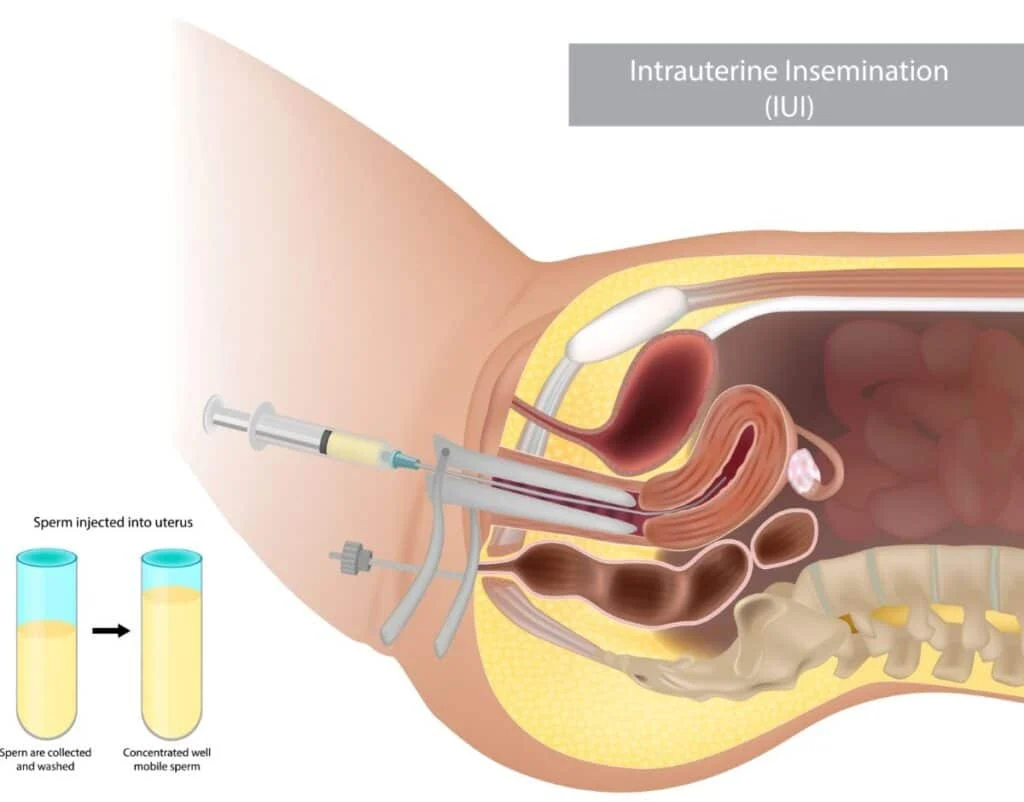
    diagram of a uterus with a syringe for intrauterine insemination procedure

    In Vitro Fertilization vs Natural Conception: Weighing the Options for Male and Female Factor Infertility

    Natural conception, on the other hand, is a more affordable option and does not require any medical interventions. It also allows for a more natural and intimate experience for the couple. However, the success rate of natural conception decreases with age, as women’s fertility declines after the age of 35. This can be a significant factor for couples who are trying to conceive later in life.

    Moreover, natural conception may not be an option for couples with certain medical conditions or fertility issues. In such cases, IVF may be the only way for them to have a biological child.

    It is essential for couples to carefully weigh their options and consult with a fertility specialist to determine the best course of action for their specific situation. Factors such as age, overall health, and the cause of infertility should be taken into consideration when deciding between IVF and natural conception.

    In conclusion, IVF and natural conception are two viable options for couples facing male and female factor infertility. IVF offers a higher success rate, the ability to use donated sperm or eggs, and can bypass certain fertility issues. Natural conception, on the other hand, is a more affordable and natural option, but may not be suitable for certain couples or individuals. Ultimately, the decision should be made after careful consideration and guidance from a fertility specialist.

    In summary, IVF and natural conception are two methods of achieving pregnancy that differ in their approach and success rates. IVF offers a higher chance of success for couples facing male and female factor infertility, but it comes with its own challenges and considerations. Natural conception, while more affordable and natural, may not be an option for certain couples or individuals. Careful consideration and guidance from a fertility specialist is crucial in making the best decision for each individual situation.

  • Multiple Factors at Play: Treating Male and Female Infertility Simultaneously

    Blog Post Title: Multiple Factors at Play: Treating Male and Female Infertility Simultaneously

    Infertility is a complex and often emotionally taxing issue that affects millions of couples around the world. While many may think of infertility as a solely female problem, the reality is that both men and women can experience difficulties in conceiving. In fact, research has shown that about 35% of infertility cases are due to male factors, 35% are due to female factors, and the remaining 30% are caused by a combination of male and female factors. This means that when it comes to treating infertility, it is important to consider both partners and address any potential issues that may be present. In this blog post, we will explore the multiple factors at play in treating male and female infertility simultaneously.

    Understanding Male and Female Infertility
    Before delving into the treatment options, it is important to understand the causes of male and female infertility. In women, common causes of infertility include ovulation disorders, structural issues in the reproductive organs, and hormonal imbalances. For men, infertility can be caused by low sperm count, poor sperm quality, or blockages in the reproductive system. However, these are just a few examples and there can be a wide range of factors that contribute to infertility in both men and women.

    The Importance of a Comprehensive Approach
    When it comes to treating infertility, a comprehensive approach that addresses both male and female factors is crucial. This means that both partners should undergo testing to identify any potential issues that may be affecting their ability to conceive. It is important to note that even if one partner is found to have a fertility issue, it does not guarantee that the other partner is not also experiencing difficulties. Therefore, a thorough evaluation of both partners is necessary to determine the best course of treatment.

    Combination of Medical and Lifestyle Interventions
    Once the underlying causes of infertility have been identified, a combination of medical and lifestyle interventions may be recommended. In some cases, medication or surgery may be necessary to address issues such as hormonal imbalances or blockages. However, lifestyle changes can also play a significant role in improving fertility for both men and women. This can include adopting a healthy diet, exercising regularly, reducing stress levels, and avoiding harmful substances such as tobacco and excessive alcohol consumption.

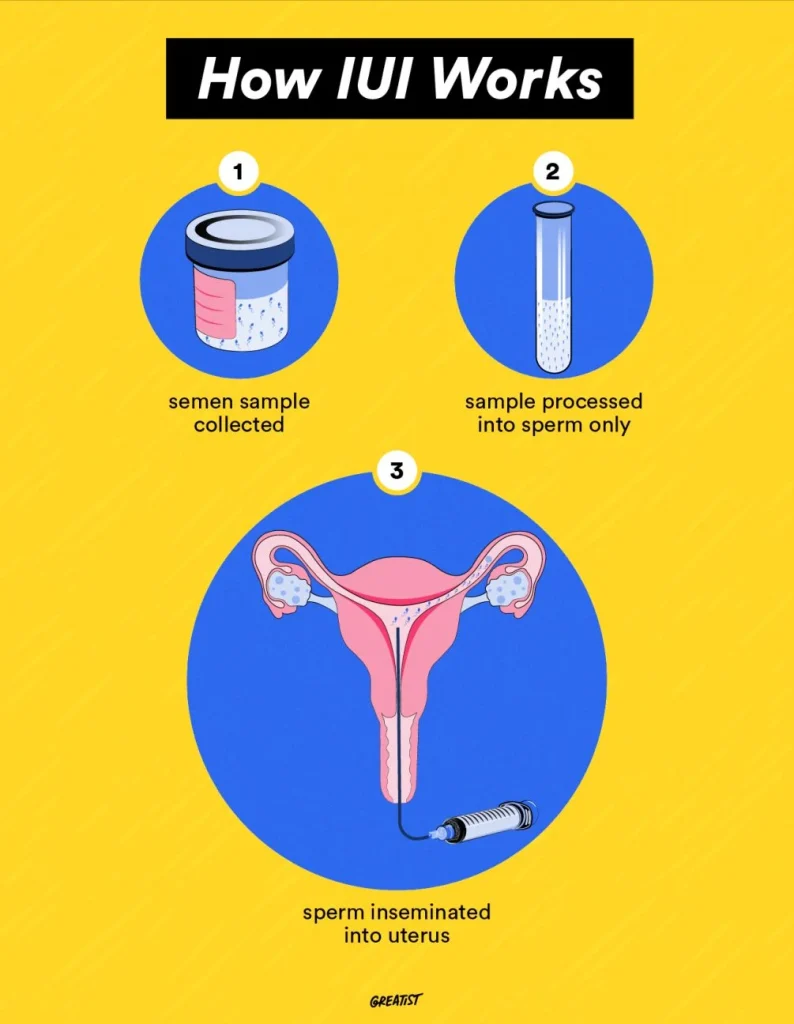
    illustration explaining the steps of intrauterine insemination (IUI) process on a bright yellow background

    Multiple Factors at Play: Treating Male and Female Infertility Simultaneously

    Assisted Reproductive Technologies (ARTs)
    In some cases, medical interventions may not be enough to overcome fertility issues. This is where assisted reproductive technologies (ARTs) come into play. ARTs are advanced medical procedures that help with conception by assisting in the fertilization process. These technologies include in vitro fertilization (IVF), intracytoplasmic sperm injection (ICSI), and intrauterine insemination (IUI). Depending on the underlying causes of infertility, one or more of these techniques may be recommended to help increase the chances of conception.

    Addressing Emotional and Psychological Impact
    Infertility can take a toll on the emotional and psychological well-being of both partners. The journey to conceive can be overwhelming, stressful, and emotionally draining. Therefore, it is important for couples to seek support from a mental health professional to address any feelings of anxiety, depression, or grief that may arise during this process. Additionally, joining support groups or seeking counseling can help couples cope with the challenges of infertility and provide a sense of community and understanding.

    Involvement of Both Partners
    Treating male and female infertility simultaneously requires the involvement and commitment of both partners. It is important for couples to communicate openly and support each other throughout the treatment process. This can include attending doctor’s appointments together, making lifestyle changes as a team, and being understanding and patient with each other during the emotional rollercoaster of trying to conceive.

    In conclusion, treating male and female infertility simultaneously requires a comprehensive approach that addresses both partners. By identifying and addressing underlying causes, making necessary lifestyle changes, and utilizing assisted reproductive technologies, couples can increase their chances of conceiving. It is also important to seek emotional and psychological support to cope with the challenges of infertility. With the involvement and commitment of both partners, overcoming infertility is possible.

    Summary:
    Infertility affects both men and women, and a combination of factors can contribute to difficulties in conceiving. It is important to take a comprehensive approach and address both male and female factors in order to increase the chances of conception. This can involve a combination of medical and lifestyle interventions, as well as assisted reproductive technologies. Emotional and psychological support is also crucial for couples going through the infertility journey. The involvement and commitment of both partners is necessary for successful treatment.

  • Breaking the Silence: Raising Awareness About Male and Female Factor Infertility

    Breaking the Silence: Raising Awareness About Male and Female Factor Infertility

    Infertility is a common struggle that affects many couples around the world. While it is often believed to be a female issue, the reality is that both men and women can experience infertility. In fact, male and female factor infertility are equally prevalent and can be caused by a variety of factors. Despite its prevalence, infertility is still a taboo topic and many couples suffer in silence, not seeking help or support due to the stigma attached to it. In this blog post, we will be discussing the importance of breaking the silence surrounding male and female factor infertility and raising awareness about this issue.

    Defining Male and Female Factor Infertility

    First, let’s define what male and female factor infertility are. Male factor infertility refers to the inability of a man to impregnate a woman naturally. This can be due to low sperm count, poor sperm motility, or abnormal sperm morphology. On the other hand, female factor infertility refers to the inability of a woman to conceive or carry a pregnancy to full term. This can be caused by various factors such as hormonal imbalances, blocked fallopian tubes, or uterine abnormalities. In some cases, infertility can be caused by a combination of both male and female factors.

    Breaking the Silence on Male Factor Infertility

    One of the main reasons why male factor infertility is often overlooked and not discussed is the societal expectations placed on men. Men are expected to be fertile and virile, and any issues with their reproductive health are seen as a sign of weakness. This toxic masculinity not only affects men’s mental health but also prevents them from seeking help and support for their infertility. As a result, they suffer in silence and may feel isolated and alone in their struggle.

    Raising awareness about male factor infertility is crucial in breaking this silence. By educating people about the prevalence and causes of male factor infertility, we can remove the stigma attached to it and encourage men to seek help. It is also essential to involve men in the conversation about infertility and provide them with a safe space to share their experiences and emotions. This can help them feel less alone and more supported in their journey towards parenthood.

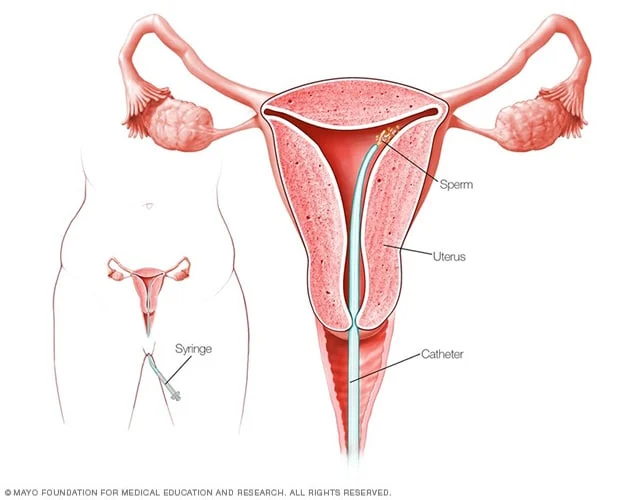
    Illustration of intrauterine insemination (IUI) procedure, showing sperm injection into the uterus.

    Breaking the Silence: Raising Awareness About Male and Female Factor Infertility

    Breaking the Silence on Female Factor Infertility

    Female factor infertility is often seen as a woman’s problem and is met with shame and blame. Women are expected to be able to conceive and carry a child, and any difficulties in doing so are seen as a personal failure. This pressure and stigma can have a significant impact on a woman’s mental health and well-being. It is also worth noting that female factor infertility can affect women of all ages, including those in their 20s and 30s.

    Raising awareness about female factor infertility is crucial in removing the shame and stigma surrounding it. It is essential to understand that infertility is not a choice and is a medical condition that requires support and treatment. By educating people about the causes of female factor infertility, we can challenge the societal expectations placed on women and provide them with a safe space to share their experiences.

    The Importance of Seeking Help

    One of the biggest challenges faced by couples struggling with infertility is the reluctance to seek help. Many couples may feel embarrassed or ashamed to discuss their fertility issues with others, and this can prevent them from seeking the necessary medical help. However, it is crucial to understand that infertility is a medical condition that can be treated. The earlier a couple seeks help, the higher their chances are of overcoming infertility and achieving their dream of parenthood.

    Seeking help is not a sign of weakness, but rather a brave and necessary step towards addressing infertility. There are various treatment options available for both male and female factor infertility, and seeking help can provide couples with a sense of hope and control over their situation.

    Conclusion

    It is time to break the silence surrounding male and female factor infertility. By raising awareness about this issue, we can remove the stigma and shame attached to it and provide support and understanding to couples struggling with infertility. It is essential to involve both men and women in the conversation and provide them with the necessary education and resources to seek help. Infertility is a challenging journey, but with support and treatment, couples can overcome it and fulfill their dream of parenthood.

  • The Battle of the Sexes: Comparing Male and Female Factor Infertility Treatments

    The Battle of the Sexes: Comparing Male and Female Factor Infertility Treatments

    Infertility affects millions of couples around the world, and it can be a physically and emotionally taxing experience. While both men and women can struggle with infertility, the causes and treatment options may differ between the sexes. In this blog post, we will explore the battle of the sexes when it comes to infertility, specifically looking at the causes and treatments for male and female factor infertility.

    Understanding Male and Female Factor Infertility

    Infertility is defined as the inability to conceive after 12 months of trying to conceive without using any form of birth control. It affects approximately 1 in 8 couples, and it can be caused by a variety of factors. Male factor infertility refers to issues with the man’s reproductive system, such as low sperm count or motility, while female factor infertility refers to issues with the woman’s reproductive system, such as hormonal imbalances or blocked fallopian tubes.

    Causes of Male Factor Infertility

    Male factor infertility can be caused by a variety of factors, including:

    1. Low sperm count: A low sperm count, also known as oligospermia, refers to having fewer than 15 million sperm per milliliter of semen. This can make it difficult for the sperm to reach and fertilize the egg.

    2. Poor sperm motility: Sperm motility refers to the ability of sperm to swim and move towards the egg. If the sperm has poor motility, it may not be able to reach and fertilize the egg.

    3. Abnormal sperm shape: Sperm with abnormal shapes may have difficulty penetrating the egg and fertilizing it.

    4. Varicocele: This is a condition where the veins in the scrotum are enlarged, causing an increase in temperature that can affect sperm production.

    5. Hormonal imbalances: Hormonal imbalances, such as low testosterone levels, can affect sperm production and quality.

    Causes of Female Factor Infertility

    Female factor infertility can be caused by a variety of factors, including:

    1. Ovulation disorders: Disorders such as polycystic ovary syndrome (PCOS) can affect ovulation and make it difficult for a woman to conceive.

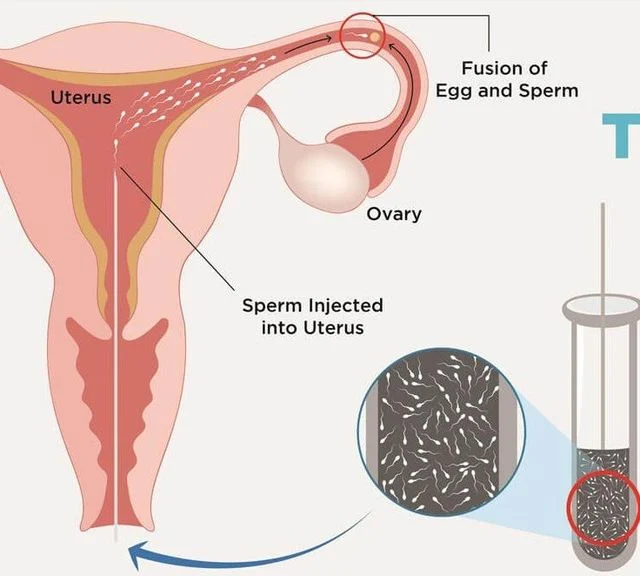
    Diagram illustrating intrauterine insemination (IUI) procedure with sperm injection into the uterus.

    The Battle of the Sexes: Comparing Male and Female Factor Infertility Treatments

    2. Blocked fallopian tubes: If the fallopian tubes are blocked, the sperm may not be able to reach the egg for fertilization.

    3. Endometriosis: This is a condition where the tissue that lines the uterus grows outside of it, affecting fertility.

    4. Uterine issues: Structural issues with the uterus, such as fibroids or polyps, can affect fertility.

    5. Age: As women age, their fertility declines, and they may have difficulty conceiving.

    Treatments for Male Factor Infertility

    The most common treatment for male factor infertility is intrauterine insemination (IUI). During this procedure, washed and concentrated sperm is placed directly into the woman’s uterus around the time of ovulation. This increases the chances of fertilization and pregnancy. In cases of severe male factor infertility, in vitro fertilization (IVF) may be recommended. This involves retrieving sperm directly from the testicles and fertilizing the egg in a laboratory setting before transferring the embryo into the woman’s uterus.

    Other treatments for male factor infertility include surgery to repair varicocele or remove blockages in the reproductive system, and medication to address hormonal imbalances.

    Treatments for Female Factor Infertility

    The most common treatment for female factor infertility is ovulation induction, which involves taking medication to stimulate the ovaries and increase the chances of ovulation. This is often combined with IUI to increase the chances of fertilization.

    If the fallopian tubes are blocked or damaged, surgery may be recommended to repair or remove the blockages. In cases of severe female factor infertility, IVF may be recommended, where the eggs are retrieved from the ovaries, fertilized in a laboratory, and then transferred into the woman’s uterus.

    Lifestyle changes, such as maintaining a healthy weight and avoiding smoking and excessive alcohol consumption, can also improve fertility in women.

    Comparing Male and Female Factor Infertility Treatments

    There are a few key differences between the treatments for male and female factor infertility. While IUI is a common treatment for both, it is often combined with ovulation induction in the case of female factor infertility. Additionally, IVF is more commonly used for severe male factor infertility, while surgery may be recommended for severe female factor infertility.

    It’s also important to note that fertility treatments can be costly and emotionally draining, and success rates vary depending on the cause of infertility and individual factors.

    In summary, infertility is a common issue that can affect both men and women, but the causes and treatments may differ between the sexes. While male factor infertility is often treated with IUI or IVF, female factor infertility may require ovulation induction or surgery. With advancements in technology and medicine, there is hope for couples struggling with infertility to achieve their dream of having a child.

  • Empowering Yourself: Taking Control of Your Fertility Journey with Male and Female Infertility Treatments

    Summary:

    The journey to starting a family can be a challenging and emotional one, especially when faced with fertility issues. While many people assume that infertility is solely a female issue, the truth is that both men and women can experience difficulties with conceiving. In this blog post, we will explore the topic of fertility and discuss how both male and female infertility can be addressed through various treatments, ultimately empowering individuals to take control of their fertility journey.

    Firstly, it is important to understand the common causes of male and female infertility. For women, factors such as hormonal imbalances, ovulation disorders, and structural issues with the reproductive system can contribute to difficulty in conceiving. On the other hand, male infertility can be caused by conditions such as low sperm count, poor sperm quality, and issues with sperm delivery. It is crucial for both partners to undergo fertility testing to determine the root cause of their infertility and to guide their treatment options.

    For couples struggling with infertility, it is essential to seek the help of a fertility specialist. These experts can provide a personalized treatment plan based on each individual’s needs. For women, fertility treatments may include medications to regulate ovulation, intrauterine insemination (IUI), or in vitro fertilization (IVF). These treatments can help improve the chances of conception by addressing underlying fertility issues.

    Diagram illustrating the IUI process, showing sperm injection into the uterus and egg fertilization.

    Empowering Yourself: Taking Control of Your Fertility Journey with Male and Female Infertility Treatments

    When it comes to male infertility, there are also various treatment options available. For those with low sperm count, medications such as Clomid can help increase sperm production. In cases of poor sperm quality, intrauterine insemination with donor sperm or IVF with intracytoplasmic sperm injection (ICSI) may be recommended. These treatments can significantly improve the chances of fertilization and pregnancy.

    In addition to medical treatments, there are also lifestyle changes that can be made to improve fertility. Both men and women should maintain a healthy diet, exercise regularly, and avoid smoking and excessive alcohol consumption. For women, reducing stress levels can also have a positive impact on fertility. Acupuncture, yoga, and meditation are all proven methods for reducing stress and promoting overall well-being.

    It is also important for couples to support each other throughout the fertility journey. Infertility can take a toll on a relationship, and it is crucial to communicate openly and seek counseling if needed. Support groups can also be beneficial for connecting with others going through a similar experience and providing a sense of community and understanding.

    Finally, it is essential to remember that fertility treatments may not always result in a successful pregnancy. It is crucial to manage expectations and be prepared for all possible outcomes. While this can be challenging, it is important to stay positive and focus on the steps being taken to achieve pregnancy.

    In conclusion, fertility issues can be a difficult and emotional experience for couples trying to start a family. However, by understanding the causes of infertility, seeking the help of a fertility specialist, making lifestyle changes, and supporting each other, individuals can take control of their fertility journey and increase their chances of conceiving. Remember to stay positive and never lose hope.

  • Male and Female Infertility Treatments: A Journey of Hope and Resilience

    Male and Female Infertility Treatments: A Journey of Hope and Resilience

    Infertility is a common medical condition that affects many couples around the world. According to the World Health Organization (WHO), approximately 15% of couples experience infertility at some point in their reproductive lives. While infertility can affect both men and women, it is often a journey filled with emotional and physical challenges for couples trying to conceive. In this blog post, we will explore the various treatments available for male and female infertility, and the emotional rollercoaster that couples go through on their journey towards building a family.

    Understanding Infertility

    Before delving into the treatments, it is important to understand what infertility is. Infertility is defined as the inability to conceive after 12 months of regular, unprotected sexual intercourse. It can also refer to the inability to carry a pregnancy to full term. Infertility can be caused by a variety of factors, including hormonal imbalances, structural issues, genetic disorders, and lifestyle choices. It is important for couples to seek medical help if they are unable to conceive after a year of trying, as early diagnosis and treatment can increase the chances of a successful pregnancy.

    Male Infertility Treatments

    Male infertility can be caused by a variety of factors, including low sperm count, abnormal sperm shape or movement, and hormonal imbalances. The most common treatment for male infertility is assisted reproductive technology (ART). This includes procedures such as intrauterine insemination (IUI) and in vitro fertilization (IVF). These techniques involve retrieving sperm from the male partner and placing it directly into the female partner’s uterus or combining it with the female partner’s eggs in a laboratory setting. ART has been successful in helping many couples overcome male infertility and conceive a child.

    Another treatment option for male infertility is surgery. This may be recommended for men with structural issues, such as varicoceles (enlarged veins in the scrotum) or blockages in the reproductive tract. Surgery can help correct these issues and improve the chances of a successful pregnancy. However, it is important for couples to understand that surgery may not always be effective in treating male infertility and may also carry some risks.

    In addition to medical treatments, lifestyle changes can also help improve male fertility. This includes maintaining a healthy weight, reducing alcohol and tobacco consumption, and avoiding exposure to environmental toxins. Male infertility can also be caused by underlying health conditions such as diabetes or high blood pressure, so it is important for men to take care of their overall health and seek medical treatment if necessary.

    Female Infertility Treatments

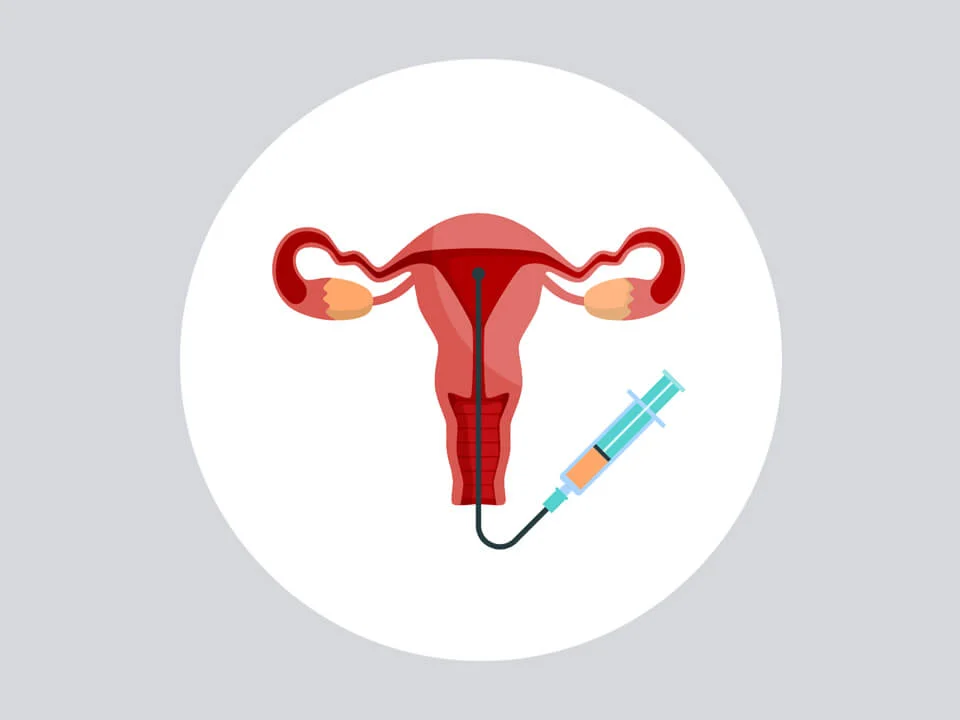
    illustration of a uterus with a syringe, representing intrauterine insemination procedure

    Male and Female Infertility Treatments: A Journey of Hope and Resilience

    Female infertility can be caused by a variety of factors, including hormonal imbalances, structural issues, and conditions such as endometriosis or polycystic ovary syndrome (PCOS). The most common treatment for female infertility is also ART, which includes procedures such as IVF and IUI. In some cases, hormonal medications may also be prescribed to help regulate a woman’s menstrual cycle and increase the chances of ovulation and pregnancy.

    Surgery may also be recommended for women with structural issues, such as uterine fibroids or blocked fallopian tubes. These procedures can help correct these issues and improve the chances of a successful pregnancy. However, as with male infertility, surgery may not always be effective and may carry some risks.

    In some cases, lifestyle changes can also improve female fertility. This includes maintaining a healthy weight, reducing stress, and avoiding excessive alcohol and tobacco consumption. Women with underlying health conditions, such as thyroid disorders or autoimmune diseases, may also need to manage these conditions to improve their chances of conceiving.

    Emotional Toll of Infertility

    Infertility can take a toll on the emotional well-being of couples. The journey towards building a family can be a rollercoaster of hope and disappointment, and it is important for couples to find support from each other and their loved ones. Many couples struggle with feelings of guilt, shame, and inadequacy when faced with infertility. It is important for them to understand that infertility is a medical condition and seeking treatment is not a sign of weakness.

    Couples may also experience strain in their relationship, as they navigate through the ups and downs of infertility treatments. It is important for them to communicate openly and support each other through the process. Seeking counselling or joining support groups can also be helpful in dealing with the emotional challenges of infertility.

    The Journey of Hope and Resilience

    Despite the challenges, many couples are able to overcome infertility and build a family through various treatments. The journey towards parenthood may not always be easy, but it is a testament to the strength and resilience of couples who go through it. The support and love they receive from each other and their loved ones can make all the difference in their journey of hope towards building a family.

    In conclusion, infertility can be a difficult journey for couples, but there are various treatments available for both male and female infertility. It is important for couples to seek medical help and support each other emotionally throughout the process. With the advancements in medical technology and the support of loved ones, there is hope for couples facing infertility to fulfill their dream of becoming parents.

  • Managing Expectations: Understanding the Success Rates of Male and Female Infertility Treatments

    Managing Expectations: Understanding the Success Rates of Male and Female Infertility Treatments

    Infertility is a sensitive and often emotionally taxing issue for many couples. It can bring about feelings of frustration, disappointment, and even hopelessness. In recent years, there has been a growing trend of couples seeking fertility treatments to help them conceive. However, with so many options available, it can be overwhelming to understand the success rates of these treatments, especially when it comes to male and female infertility.

    In this blog post, we will delve into the success rates of male and female infertility treatments, as well as discuss factors that can affect these rates. By understanding these numbers and managing our expectations, we can make more informed decisions when it comes to seeking fertility treatments.

    Success Rates of Male Infertility Treatments

    Male infertility is a common issue, accounting for about 40% of all infertility cases. There are various treatments available for male infertility, depending on the underlying cause. These treatments include medication, surgery, and assisted reproductive techniques such as intrauterine insemination (IUI) and in-vitro fertilization (IVF).

    The success rates of male infertility treatments can vary depending on the cause of infertility. For example, if the cause is a low sperm count, the success rate for IUI can range from 8% to 20%, while the success rate for IVF can range from 25% to 65%. However, if the cause is a blockage in the reproductive tract, the success rates for both IUI and IVF can be as high as 50%.

    It’s important to note that these success rates are not a guarantee of pregnancy. They also do not take into account other factors that can affect the success of the treatment, such as the age and health of the female partner, the quality of the sperm, and the experience of the fertility specialist.

    Success Rates of Female Infertility Treatments

    Female infertility refers to the inability to conceive or carry a pregnancy to term. It can be caused by a variety of factors, including ovulation disorders, blocked fallopian tubes, and uterine abnormalities. Some of the most common treatments for female infertility include oral medication, surgery, and assisted reproductive techniques like IUI and IVF.

    The success rates of these treatments can vary widely, depending on the underlying cause of infertility. For example, the success rate for IVF in women under 35 can be as high as 41%, while the success rate for women aged 35-37 drops to 31%. For women over 40, the success rate drops to 14%.

    doctor discussing treatment with a patient in a medical office, featuring an ultrasound machine in the background

    Managing Expectations: Understanding the Success Rates of Male and Female Infertility Treatments

    It’s important to note that these success rates can also be affected by other factors, such as the quality of the eggs, the overall health of the woman, and the experience of the fertility specialist. Additionally, the success rates for assisted reproductive techniques can also be affected by the number of embryos transferred, as well as the use of donor eggs or sperm.

    Factors Affecting Success Rates

    As mentioned earlier, there are various factors that can affect the success rates of male and female infertility treatments. These include age, overall health, underlying medical conditions, and the experience of the fertility specialist. It’s also important to note that success rates can vary between clinics and countries.

    Additionally, lifestyle factors such as smoking, excessive alcohol consumption, and obesity can also impact the success rates of fertility treatments. It’s important for both partners to make healthy lifestyle choices before and during fertility treatments to increase the chances of success.

    Managing Expectations

    It’s natural for couples to have high hopes when seeking fertility treatments. However, it’s important to manage expectations and understand that these treatments do not always result in pregnancy. The success rates mentioned above are based on averages and do not take into account individual factors that can greatly affect the outcome.

    It’s essential to have open and honest communication with your fertility specialist and to fully understand the success rates and potential risks of each treatment option. It’s also important to have a support system in place, whether it’s your partner, family, or friends, to help you cope with any disappointments or setbacks.

    In some cases, couples may need to consider alternative options such as adoption or using a surrogate. It’s crucial to keep an open mind and be prepared for different outcomes.

    In conclusion, understanding the success rates of male and female infertility treatments is essential for managing expectations and making informed decisions. It’s important to remember that these rates are not a guarantee of pregnancy and can be affected by various factors. By working closely with a fertility specialist and taking care of your overall health, you can increase your chances of success and ultimately achieve your dream of starting a family.

    Summary: Infertility is a difficult and emotional issue for many couples, and understanding the success rates of male and female infertility treatments is crucial for managing expectations. Male infertility treatments can have success rates ranging from 8% to 65%, while female infertility treatments can have success rates ranging from 14% to 41%, depending on the underlying cause and other factors. It’s important to communicate openly with your fertility specialist and have a support system in place. Lifestyle factors and individual circumstances can also greatly impact the success rates of these treatments.

  • The Impact of Environmental Factors on Male and Female Infertility Treatments

    Blog post title: The Impact of Environmental Factors on Male and Female Infertility Treatments

    Infertility is a growing concern among couples trying to conceive. It is defined as the inability to conceive after one year of regular, unprotected intercourse. According to the World Health Organization, approximately 15% of couples worldwide experience infertility. While there are various factors that can contribute to infertility, environmental factors are often overlooked. In this blog post, we will explore the impact of environmental factors on male and female infertility treatments.

    Male Infertility and Environmental Factors

    Male infertility is responsible for nearly 40% of infertility cases. Environmental factors can play a significant role in male infertility. Exposure to certain chemicals, such as pesticides, heavy metals, and industrial chemicals, has been linked to decreased sperm quality and quantity. These chemicals can disrupt hormone levels and damage sperm DNA, leading to fertility issues.

    Some environmental factors can also impact male fertility indirectly. For example, obesity, smoking, and excessive alcohol consumption can affect sperm production and quality. These lifestyle factors are often influenced by environmental factors such as diet and stress levels.

    Another environmental factor that can contribute to male infertility is heat exposure. Prolonged exposure to high temperatures, whether through sauna use or wearing tight clothing, can increase scrotal temperatures and lead to a decrease in sperm production. This is why men are advised to avoid hot baths and saunas when trying to conceive.

    Female Infertility and Environmental Factors

    Female infertility is responsible for approximately 40% of infertility cases. Environmental factors can also affect female fertility in various ways. Exposure to chemicals, such as pesticides and industrial chemicals, can disrupt the delicate hormonal balance required for ovulation and implantation. These chemicals can also lead to irregular menstrual cycles, making it difficult for women to track their ovulation.

    Environmental factors can also affect the quality of a woman’s eggs. Exposure to chemicals and toxins can damage the DNA of the eggs, leading to chromosomal abnormalities that can result in miscarriages or birth defects.

    Air pollution is another environmental factor that can impact female fertility. A study published in the Journal of Human Reproduction found that women living in areas with high levels of air pollution were more likely to have irregular menstrual cycles, longer time to conceive, and higher rates of infertility.

    diagram illustrating intrauterine insemination (IUI) procedure with uterus, sperm, and catheter labeled

    The Impact of Environmental Factors on Male and Female Infertility Treatments

    Furthermore, lifestyle factors influenced by environmental factors can also contribute to female infertility. For example, smoking and alcohol consumption can damage a woman’s eggs and decrease her chances of conception. Stress, which can be caused by environmental factors such as pollution and noise, can also affect a woman’s fertility by disrupting hormone levels and delaying ovulation.

    The Impact of Environmental Factors on Infertility Treatments

    The presence of environmental factors can significantly impact the success of infertility treatments for both men and women. For instance, exposure to chemicals and toxins can reduce the effectiveness of fertility drugs used to stimulate ovulation. It can also affect the success of in vitro fertilization (IVF) by damaging the quality of the eggs and sperm used in the procedure.

    Environmental factors can also impact the success of male infertility treatments. For example, heat exposure can decrease sperm production, making it difficult for men to produce enough healthy sperm for procedures such as intrauterine insemination (IUI) or IVF with intracytoplasmic sperm injection (ICSI).

    Furthermore, environmental factors can also increase the risk of pregnancy complications in women undergoing infertility treatments. Exposure to chemicals and toxins can increase the chances of miscarriage and birth defects, making it crucial for couples to address any potential environmental factors before undergoing fertility treatments.

    What Can You Do to Minimize the Impact of Environmental Factors?

    While it may not be possible to completely eliminate exposure to environmental factors, there are steps you can take to minimize their impact on your fertility and infertility treatments.

    – Avoid exposure to known toxins and chemicals: Be mindful of the products you use and try to limit your exposure to chemicals and toxins.
    – Eat a healthy diet: Consuming a balanced and nutritious diet can help support your reproductive health and minimize the effects of environmental toxins.
    – Manage stress: Find ways to manage stress, whether through exercise, meditation, or therapy, as stress can affect fertility.
    – Quit smoking and limit alcohol consumption: These lifestyle factors not only affect fertility but can also decrease the success rates of infertility treatments.
    – Consult with a fertility specialist: If you have been trying to conceive for a year with no success, it is essential to consult with a fertility specialist. They can help identify any potential environmental factors and provide personalized treatment plans to increase your chances of conceiving.

    In conclusion, environmental factors can have a significant impact on male and female infertility treatments. Exposure to chemicals, toxins, and lifestyle factors influenced by the environment can affect reproductive health and decrease the success rates of fertility treatments. By being mindful of these factors and taking steps to minimize their impact, couples can increase their chances of conceiving and having a healthy pregnancy.

    SEO metadata: