Summary:
Infertility affects millions of couples worldwide, with male and female factor infertility being the leading causes. It is a challenging and emotional journey that can put a strain on a couple’s relationship. However, effective communication can be a powerful tool in navigating through this difficult time and strengthening the bond between partners.
In this blog post, we will explore the power of communication in the context of male and female factor infertility. We will discuss the impact of infertility on a couple’s relationship, the differences in how men and women cope with it, and how effective communication can help couples support each other through this journey.
The Impact of Infertility on a Couple’s Relationship:
Infertility can take a toll on a couple’s relationship, affecting their emotional, physical, and financial well-being. The inability to conceive can cause feelings of guilt, frustration, and inadequacy, leading to conflicts and strain in the relationship. The pressure to conceive can also lead to stress and anxiety, affecting the couple’s intimacy and communication.
In addition, couples dealing with infertility may face societal and cultural pressures, which can further strain their relationship. For example, in many cultures, infertility is stigmatized, and women are often blamed for the couple’s inability to conceive. This can create a sense of shame and isolation, making it challenging for couples to open up and communicate with each other.
Gender Differences in Coping with Infertility:
Men and women may have different coping mechanisms when dealing with infertility. Men tend to internalize their feelings and may not express their emotions as openly as women. They may also feel pressure to be the provider and protector, which can make it challenging for them to admit their struggles and seek support.
On the other hand, women may be more vocal about their emotions and may seek support from friends and family. They may also feel a stronger sense of responsibility for the couple’s infertility, leading to feelings of guilt and stress. These differences in coping mechanisms can create a communication gap between partners, making it difficult to understand each other’s feelings and needs.
The Power of Communication in Navigating Male and Female Factor Infertility:
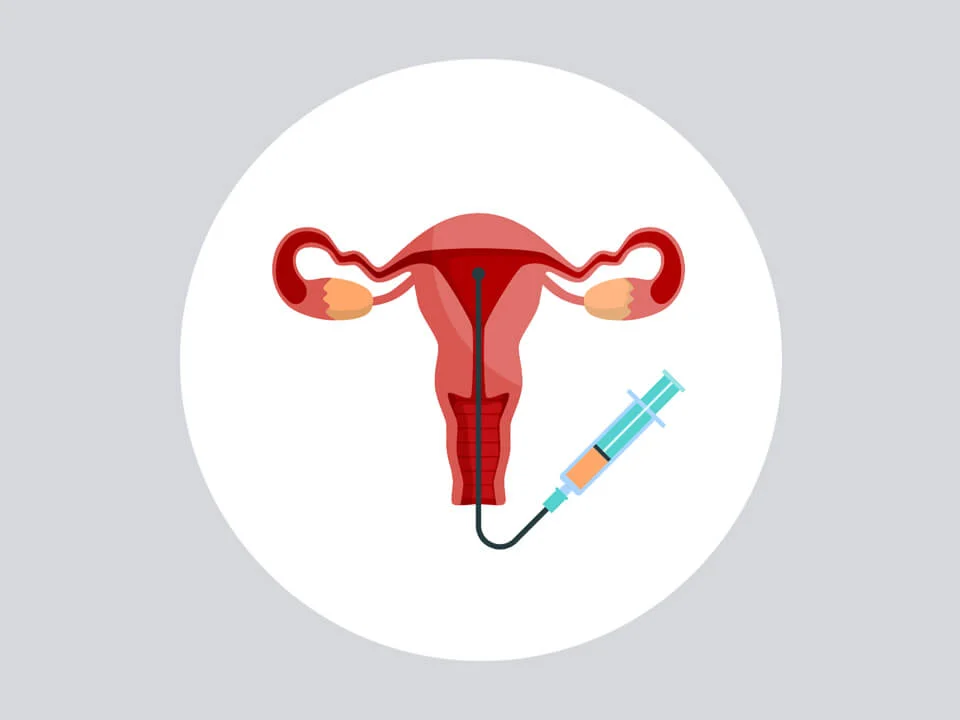
The Power of Communication: Navigating Male and Female Factor Infertility as a Couple
Effective communication is crucial in navigating through male and female factor infertility as a couple. It allows partners to express their emotions, fears, and needs openly and honestly. It also helps in breaking down the barriers and stigmas surrounding infertility, creating a safe and supportive environment for both partners.
Here are some ways in which communication can help in navigating infertility:
1. Create a safe space for open communication: Couples dealing with infertility should create a safe space for open and honest communication. This means setting aside time to talk, actively listening to each other, and being understanding and supportive.
2. Share feelings and emotions: Both partners should feel comfortable sharing their feelings and emotions without fear of judgment or criticism. This will help in understanding each other’s perspective and coping mechanisms better.
3. Seek professional support: Infertility can be emotionally draining, and seeking the help of a therapist or counselor can provide couples with a safe space to communicate and work through their struggles together.
4. Educate each other: It is essential for partners to educate themselves about infertility, its causes, and the available treatment options. This will help in creating a shared understanding and support system between partners.
5. Be patient and understanding: Infertility is a challenging journey, and both partners may experience different emotions at different times. It is essential to be patient and understanding with each other and to provide support whenever needed.
Conclusion:
Infertility can be a challenging and emotional journey for couples, but effective communication can help in navigating through this difficult time and strengthening their relationship. By creating a safe and supportive environment for open communication, couples can understand each other’s feelings and needs, and work together to overcome infertility as a team. Remember, infertility is a shared struggle, and effective communication can be a powerful tool in overcoming it and growing stronger as a couple.
SEO metadata: