Managing Expectations: Understanding the Success Rates of Male and Female Infertility Treatments
Infertility is a sensitive and often emotionally taxing issue for many couples. It can bring about feelings of frustration, disappointment, and even hopelessness. In recent years, there has been a growing trend of couples seeking fertility treatments to help them conceive. However, with so many options available, it can be overwhelming to understand the success rates of these treatments, especially when it comes to male and female infertility.
In this blog post, we will delve into the success rates of male and female infertility treatments, as well as discuss factors that can affect these rates. By understanding these numbers and managing our expectations, we can make more informed decisions when it comes to seeking fertility treatments.
Success Rates of Male Infertility Treatments
Male infertility is a common issue, accounting for about 40% of all infertility cases. There are various treatments available for male infertility, depending on the underlying cause. These treatments include medication, surgery, and assisted reproductive techniques such as intrauterine insemination (IUI) and in-vitro fertilization (IVF).
The success rates of male infertility treatments can vary depending on the cause of infertility. For example, if the cause is a low sperm count, the success rate for IUI can range from 8% to 20%, while the success rate for IVF can range from 25% to 65%. However, if the cause is a blockage in the reproductive tract, the success rates for both IUI and IVF can be as high as 50%.
It’s important to note that these success rates are not a guarantee of pregnancy. They also do not take into account other factors that can affect the success of the treatment, such as the age and health of the female partner, the quality of the sperm, and the experience of the fertility specialist.
Success Rates of Female Infertility Treatments
Female infertility refers to the inability to conceive or carry a pregnancy to term. It can be caused by a variety of factors, including ovulation disorders, blocked fallopian tubes, and uterine abnormalities. Some of the most common treatments for female infertility include oral medication, surgery, and assisted reproductive techniques like IUI and IVF.
The success rates of these treatments can vary widely, depending on the underlying cause of infertility. For example, the success rate for IVF in women under 35 can be as high as 41%, while the success rate for women aged 35-37 drops to 31%. For women over 40, the success rate drops to 14%.
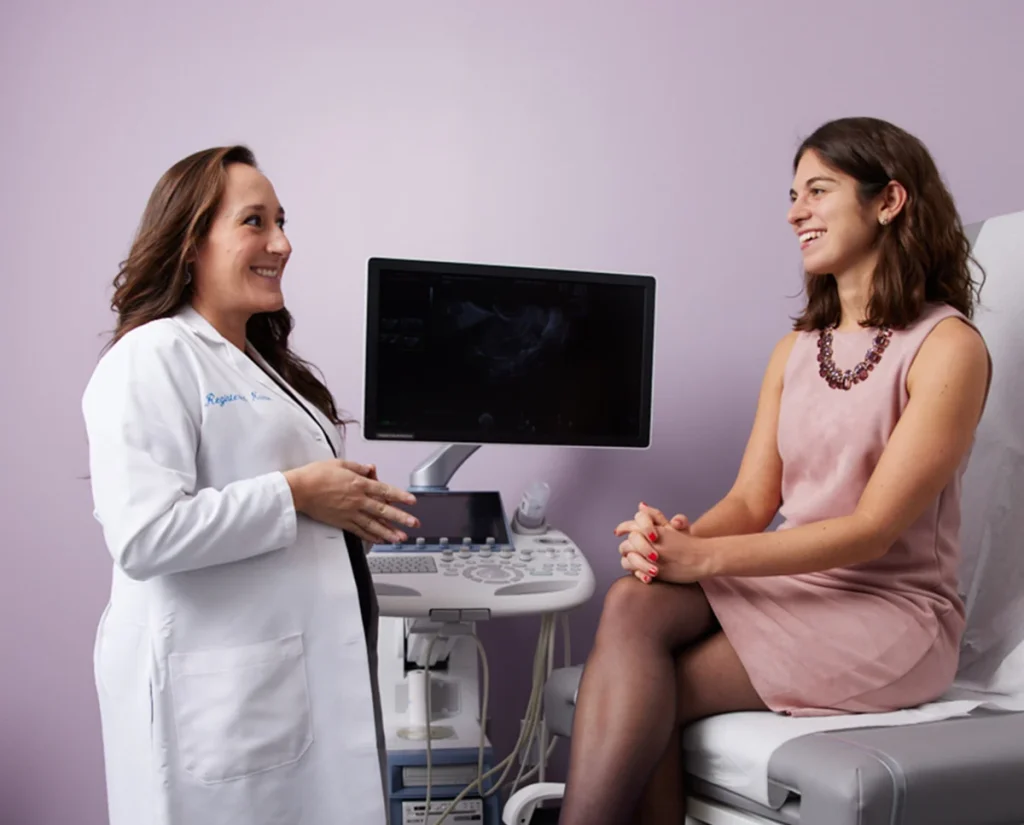
Managing Expectations: Understanding the Success Rates of Male and Female Infertility Treatments
It’s important to note that these success rates can also be affected by other factors, such as the quality of the eggs, the overall health of the woman, and the experience of the fertility specialist. Additionally, the success rates for assisted reproductive techniques can also be affected by the number of embryos transferred, as well as the use of donor eggs or sperm.
Factors Affecting Success Rates
As mentioned earlier, there are various factors that can affect the success rates of male and female infertility treatments. These include age, overall health, underlying medical conditions, and the experience of the fertility specialist. It’s also important to note that success rates can vary between clinics and countries.
Additionally, lifestyle factors such as smoking, excessive alcohol consumption, and obesity can also impact the success rates of fertility treatments. It’s important for both partners to make healthy lifestyle choices before and during fertility treatments to increase the chances of success.
Managing Expectations
It’s natural for couples to have high hopes when seeking fertility treatments. However, it’s important to manage expectations and understand that these treatments do not always result in pregnancy. The success rates mentioned above are based on averages and do not take into account individual factors that can greatly affect the outcome.
It’s essential to have open and honest communication with your fertility specialist and to fully understand the success rates and potential risks of each treatment option. It’s also important to have a support system in place, whether it’s your partner, family, or friends, to help you cope with any disappointments or setbacks.
In some cases, couples may need to consider alternative options such as adoption or using a surrogate. It’s crucial to keep an open mind and be prepared for different outcomes.
In conclusion, understanding the success rates of male and female infertility treatments is essential for managing expectations and making informed decisions. It’s important to remember that these rates are not a guarantee of pregnancy and can be affected by various factors. By working closely with a fertility specialist and taking care of your overall health, you can increase your chances of success and ultimately achieve your dream of starting a family.
Summary: Infertility is a difficult and emotional issue for many couples, and understanding the success rates of male and female infertility treatments is crucial for managing expectations. Male infertility treatments can have success rates ranging from 8% to 65%, while female infertility treatments can have success rates ranging from 14% to 41%, depending on the underlying cause and other factors. It’s important to communicate openly with your fertility specialist and have a support system in place. Lifestyle factors and individual circumstances can also greatly impact the success rates of these treatments.