The Battle of the Sexes: Comparing Male and Female Factor Infertility Treatments
Infertility affects millions of couples around the world, and it can be a physically and emotionally taxing experience. While both men and women can struggle with infertility, the causes and treatment options may differ between the sexes. In this blog post, we will explore the battle of the sexes when it comes to infertility, specifically looking at the causes and treatments for male and female factor infertility.
Understanding Male and Female Factor Infertility
Infertility is defined as the inability to conceive after 12 months of trying to conceive without using any form of birth control. It affects approximately 1 in 8 couples, and it can be caused by a variety of factors. Male factor infertility refers to issues with the man’s reproductive system, such as low sperm count or motility, while female factor infertility refers to issues with the woman’s reproductive system, such as hormonal imbalances or blocked fallopian tubes.
Causes of Male Factor Infertility
Male factor infertility can be caused by a variety of factors, including:
1. Low sperm count: A low sperm count, also known as oligospermia, refers to having fewer than 15 million sperm per milliliter of semen. This can make it difficult for the sperm to reach and fertilize the egg.
2. Poor sperm motility: Sperm motility refers to the ability of sperm to swim and move towards the egg. If the sperm has poor motility, it may not be able to reach and fertilize the egg.
3. Abnormal sperm shape: Sperm with abnormal shapes may have difficulty penetrating the egg and fertilizing it.
4. Varicocele: This is a condition where the veins in the scrotum are enlarged, causing an increase in temperature that can affect sperm production.
5. Hormonal imbalances: Hormonal imbalances, such as low testosterone levels, can affect sperm production and quality.
Causes of Female Factor Infertility
Female factor infertility can be caused by a variety of factors, including:
1. Ovulation disorders: Disorders such as polycystic ovary syndrome (PCOS) can affect ovulation and make it difficult for a woman to conceive.
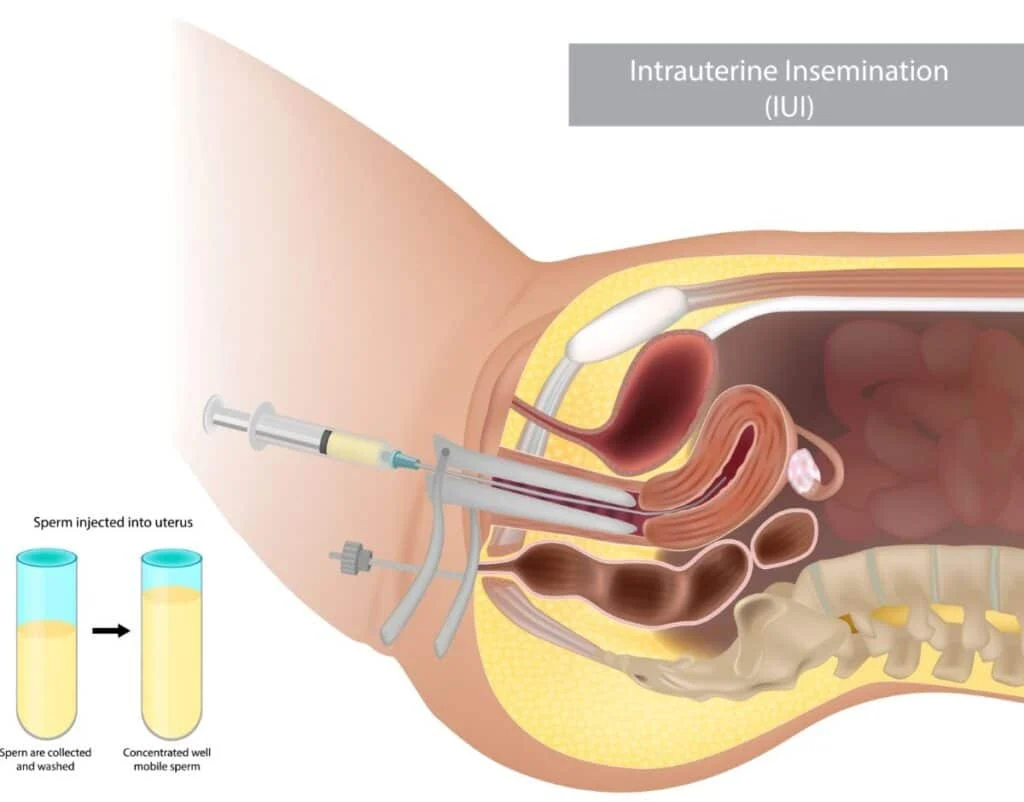
The Battle of the Sexes: Comparing Male and Female Factor Infertility Treatments
2. Blocked fallopian tubes: If the fallopian tubes are blocked, the sperm may not be able to reach the egg for fertilization.
3. Endometriosis: This is a condition where the tissue that lines the uterus grows outside of it, affecting fertility.
4. Uterine issues: Structural issues with the uterus, such as fibroids or polyps, can affect fertility.
5. Age: As women age, their fertility declines, and they may have difficulty conceiving.
Treatments for Male Factor Infertility
The most common treatment for male factor infertility is intrauterine insemination (IUI). During this procedure, washed and concentrated sperm is placed directly into the woman’s uterus around the time of ovulation. This increases the chances of fertilization and pregnancy. In cases of severe male factor infertility, in vitro fertilization (IVF) may be recommended. This involves retrieving sperm directly from the testicles and fertilizing the egg in a laboratory setting before transferring the embryo into the woman’s uterus.
Other treatments for male factor infertility include surgery to repair varicocele or remove blockages in the reproductive system, and medication to address hormonal imbalances.
Treatments for Female Factor Infertility
The most common treatment for female factor infertility is ovulation induction, which involves taking medication to stimulate the ovaries and increase the chances of ovulation. This is often combined with IUI to increase the chances of fertilization.
If the fallopian tubes are blocked or damaged, surgery may be recommended to repair or remove the blockages. In cases of severe female factor infertility, IVF may be recommended, where the eggs are retrieved from the ovaries, fertilized in a laboratory, and then transferred into the woman’s uterus.
Lifestyle changes, such as maintaining a healthy weight and avoiding smoking and excessive alcohol consumption, can also improve fertility in women.
Comparing Male and Female Factor Infertility Treatments
There are a few key differences between the treatments for male and female factor infertility. While IUI is a common treatment for both, it is often combined with ovulation induction in the case of female factor infertility. Additionally, IVF is more commonly used for severe male factor infertility, while surgery may be recommended for severe female factor infertility.
It’s also important to note that fertility treatments can be costly and emotionally draining, and success rates vary depending on the cause of infertility and individual factors.
In summary, infertility is a common issue that can affect both men and women, but the causes and treatments may differ between the sexes. While male factor infertility is often treated with IUI or IVF, female factor infertility may require ovulation induction or surgery. With advancements in technology and medicine, there is hope for couples struggling with infertility to achieve their dream of having a child.