Male and Female Infertility Treatments: A Journey of Hope and Resilience
Infertility is a common medical condition that affects many couples around the world. According to the World Health Organization (WHO), approximately 15% of couples experience infertility at some point in their reproductive lives. While infertility can affect both men and women, it is often a journey filled with emotional and physical challenges for couples trying to conceive. In this blog post, we will explore the various treatments available for male and female infertility, and the emotional rollercoaster that couples go through on their journey towards building a family.
Understanding Infertility
Before delving into the treatments, it is important to understand what infertility is. Infertility is defined as the inability to conceive after 12 months of regular, unprotected sexual intercourse. It can also refer to the inability to carry a pregnancy to full term. Infertility can be caused by a variety of factors, including hormonal imbalances, structural issues, genetic disorders, and lifestyle choices. It is important for couples to seek medical help if they are unable to conceive after a year of trying, as early diagnosis and treatment can increase the chances of a successful pregnancy.
Male Infertility Treatments
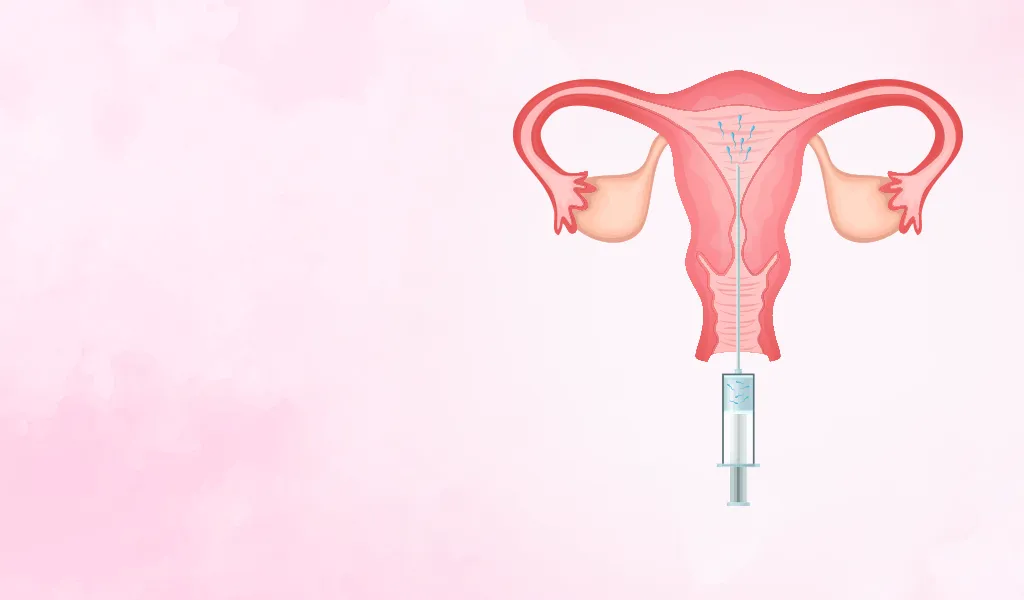
Male infertility can be caused by a variety of factors, including low sperm count, abnormal sperm shape or movement, and hormonal imbalances. The most common treatment for male infertility is assisted reproductive technology (ART). This includes procedures such as intrauterine insemination (IUI) and in vitro fertilization (IVF). These techniques involve retrieving sperm from the male partner and placing it directly into the female partner’s uterus or combining it with the female partner’s eggs in a laboratory setting. ART has been successful in helping many couples overcome male infertility and conceive a child.
Another treatment option for male infertility is surgery. This may be recommended for men with structural issues, such as varicoceles (enlarged veins in the scrotum) or blockages in the reproductive tract. Surgery can help correct these issues and improve the chances of a successful pregnancy. However, it is important for couples to understand that surgery may not always be effective in treating male infertility and may also carry some risks.
In addition to medical treatments, lifestyle changes can also help improve male fertility. This includes maintaining a healthy weight, reducing alcohol and tobacco consumption, and avoiding exposure to environmental toxins. Male infertility can also be caused by underlying health conditions such as diabetes or high blood pressure, so it is important for men to take care of their overall health and seek medical treatment if necessary.
Female Infertility Treatments
Male and Female Infertility Treatments: A Journey of Hope and Resilience
Female infertility can be caused by a variety of factors, including hormonal imbalances, structural issues, and conditions such as endometriosis or polycystic ovary syndrome (PCOS). The most common treatment for female infertility is also ART, which includes procedures such as IVF and IUI. In some cases, hormonal medications may also be prescribed to help regulate a woman’s menstrual cycle and increase the chances of ovulation and pregnancy.
Surgery may also be recommended for women with structural issues, such as uterine fibroids or blocked fallopian tubes. These procedures can help correct these issues and improve the chances of a successful pregnancy. However, as with male infertility, surgery may not always be effective and may carry some risks.
In some cases, lifestyle changes can also improve female fertility. This includes maintaining a healthy weight, reducing stress, and avoiding excessive alcohol and tobacco consumption. Women with underlying health conditions, such as thyroid disorders or autoimmune diseases, may also need to manage these conditions to improve their chances of conceiving.
Emotional Toll of Infertility
Infertility can take a toll on the emotional well-being of couples. The journey towards building a family can be a rollercoaster of hope and disappointment, and it is important for couples to find support from each other and their loved ones. Many couples struggle with feelings of guilt, shame, and inadequacy when faced with infertility. It is important for them to understand that infertility is a medical condition and seeking treatment is not a sign of weakness.
Couples may also experience strain in their relationship, as they navigate through the ups and downs of infertility treatments. It is important for them to communicate openly and support each other through the process. Seeking counselling or joining support groups can also be helpful in dealing with the emotional challenges of infertility.
The Journey of Hope and Resilience
Despite the challenges, many couples are able to overcome infertility and build a family through various treatments. The journey towards parenthood may not always be easy, but it is a testament to the strength and resilience of couples who go through it. The support and love they receive from each other and their loved ones can make all the difference in their journey of hope towards building a family.
In conclusion, infertility can be a difficult journey for couples, but there are various treatments available for both male and female infertility. It is important for couples to seek medical help and support each other emotionally throughout the process. With the advancements in medical technology and the support of loved ones, there is hope for couples facing infertility to fulfill their dream of becoming parents.