Breaking Down the Ingredients: What Makes Fertility Supplements and Medical Treatments Work?
Fertility is a complex and deeply personal issue that affects millions of people around the world. For those struggling to conceive, the desire to find a solution is often all-consuming. While there are many different factors that can impact fertility, such as age and underlying health conditions, there are also various treatments and supplements that claim to improve fertility and increase the chances of conception. But what exactly makes these supplements and treatments work? In this blog post, we will dive into the ingredients and mechanisms behind fertility supplements and medical treatments to understand how they can potentially improve fertility.
Understanding Fertility and Infertility
Before we delve into the ingredients behind fertility supplements and treatments, it is important to have a basic understanding of fertility and infertility. Fertility is the ability to conceive a child, while infertility is the inability to conceive after trying for a year or more. There are various factors that can impact fertility, including hormonal imbalances, age, lifestyle choices, and underlying health conditions such as PCOS or endometriosis.
Fertility Supplements: What Are They and How Do They Work?
Fertility supplements are dietary supplements that contain a combination of vitamins, minerals, and herbs that claim to improve fertility. These supplements are not regulated by the FDA and are considered alternative or complementary treatments. The ingredients in these supplements are chosen for their potential ability to improve reproductive health and increase the chances of conception.
Common Ingredients in Fertility Supplements
1. Folate: Folate, also known as folic acid, is a B vitamin that is essential for proper cell growth and development. It has been linked to a lower risk of birth defects and is often recommended for women who are trying to conceive.
2. Zinc: Zinc is a mineral that plays a crucial role in reproductive health. It is involved in the production of hormones, DNA synthesis, and egg maturation. Studies have shown that zinc deficiency can lead to infertility in both men and women.
3. Coenzyme Q10 (CoQ10): CoQ10 is an antioxidant that is naturally produced in the body. It is involved in energy production and has been linked to improved egg quality and sperm motility.
4. Vitamins C and E: These vitamins are powerful antioxidants that can help protect reproductive cells from damage caused by free radicals. They have also been linked to improved sperm quality and motility.
Breaking Down the Ingredients: What Makes Fertility Supplements and Medical Treatments Work?
5. Vitex (Chasteberry): Vitex is an herb that has been used for centuries to treat menstrual cycle irregularities and hormonal imbalances. It is believed to work by regulating the production of hormones that are essential for ovulation.
How Do These Ingredients Work Together?
Fertility supplements often contain a combination of these and other ingredients that work together to improve reproductive health. For example, folate and zinc may work together to support healthy egg development, while CoQ10 and antioxidants can help protect reproductive cells from damage. The combination of these ingredients may help improve overall reproductive function and increase the chances of conception.
Medical Treatments for Fertility: How Do They Work?
In addition to supplements, there are also various medical treatments available for those struggling with infertility. These treatments often target specific underlying issues that may be causing infertility, such as hormonal imbalances, ovulation disorders, or structural issues in the reproductive system.
1. Hormone Therapy: Hormone therapy involves taking medications to regulate hormone levels and stimulate ovulation. This can be beneficial for women who have irregular periods or ovulation disorders.
2. Intrauterine Insemination (IUI): IUI is a procedure in which sperm is inserted directly into the uterus during ovulation. This can increase the chances of fertilization and is often used in combination with fertility drugs.
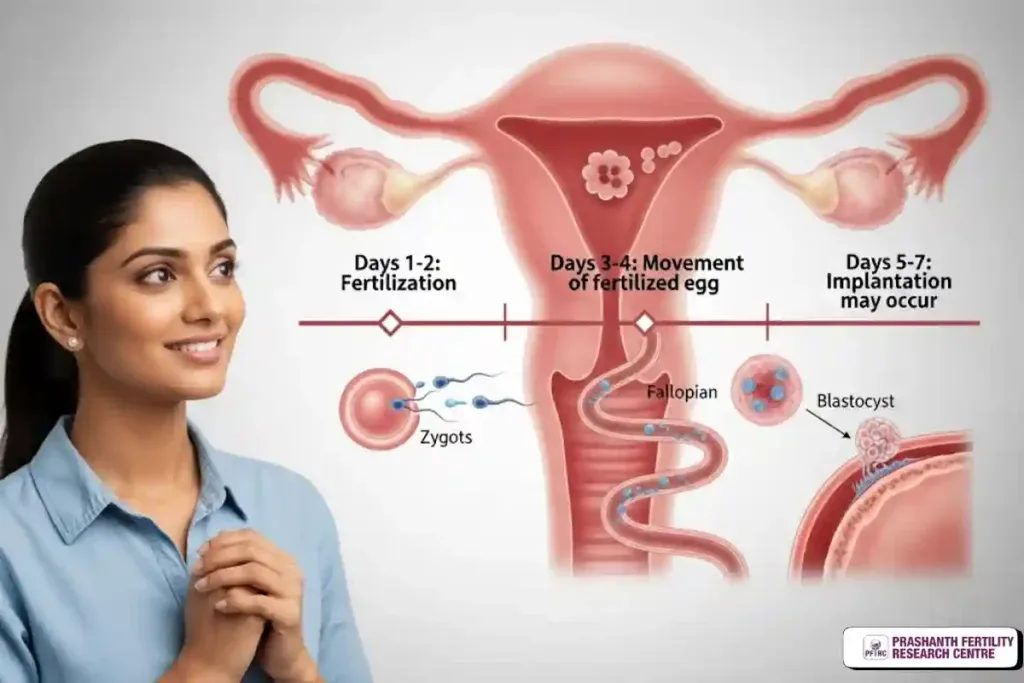
3. In Vitro Fertilization (IVF): IVF is a procedure in which eggs are retrieved from the ovaries and fertilized with sperm in a laboratory. The fertilized eggs are then transferred into the uterus, increasing the chances of conception.
4. Surgery: Surgery may be recommended for structural issues in the reproductive system, such as blocked fallopian tubes or uterine fibroids. Correcting these issues can improve fertility and increase the chances of conception.
Do These Treatments Really Work?
The effectiveness of fertility supplements and medical treatments varies from person to person. While some may find success with these treatments, others may not experience any improvement in their fertility. It is important to consult with a healthcare professional before starting any new supplement or treatment to ensure it is safe and appropriate for your specific situation.
In summary, fertility supplements and medical treatments work by addressing underlying issues that may impact fertility, such as hormonal imbalances or structural issues in the reproductive system. The ingredients in these supplements are chosen for their potential to improve reproductive health, while medical treatments target specific issues and aim to increase the chances of conception. While there is no guarantee that these treatments will work, they have helped many people struggling with infertility to conceive.
Leave a Reply