Tag: medical treatments.

  • The Importance of Embracing Community: How Support Groups Can Help You Cope with Fertility Challenges

    SUMMARY:

    The journey towards parenthood is not always easy, and for many couples, fertility challenges can bring about a sense of isolation and hopelessness. However, in times of struggle, it is crucial to remember the importance of embracing community and seeking support from others who can relate to your experience.

    In this blog post, we will explore the significance of community in coping with fertility challenges and how support groups can provide valuable resources and a sense of belonging for those going through this difficult journey. We will discuss the benefits of joining a support group, the different types of groups available, and tips on finding the right one for you.

    First and foremost, it is essential to acknowledge that struggling with fertility can be a lonely and overwhelming experience. Many individuals and couples may feel like they are the only ones going through this struggle, and that can lead to feelings of shame, guilt, and inadequacy. However, this is far from the truth. It is estimated that one in eight couples in the United States face fertility challenges, and there is a whole community of people who can relate and offer support.

    One of the most significant benefits of joining a support group is the sense of validation and understanding that comes from being surrounded by others who are going through similar experiences. These groups provide a safe and non-judgmental space for individuals to share their thoughts and feelings, without fear of being misunderstood or stigmatized. This validation and understanding can be incredibly healing and can help individuals to feel less alone in their struggle.
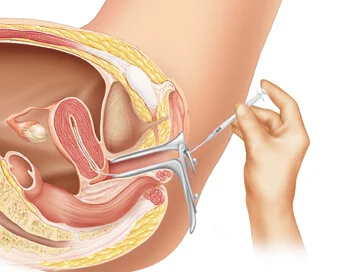
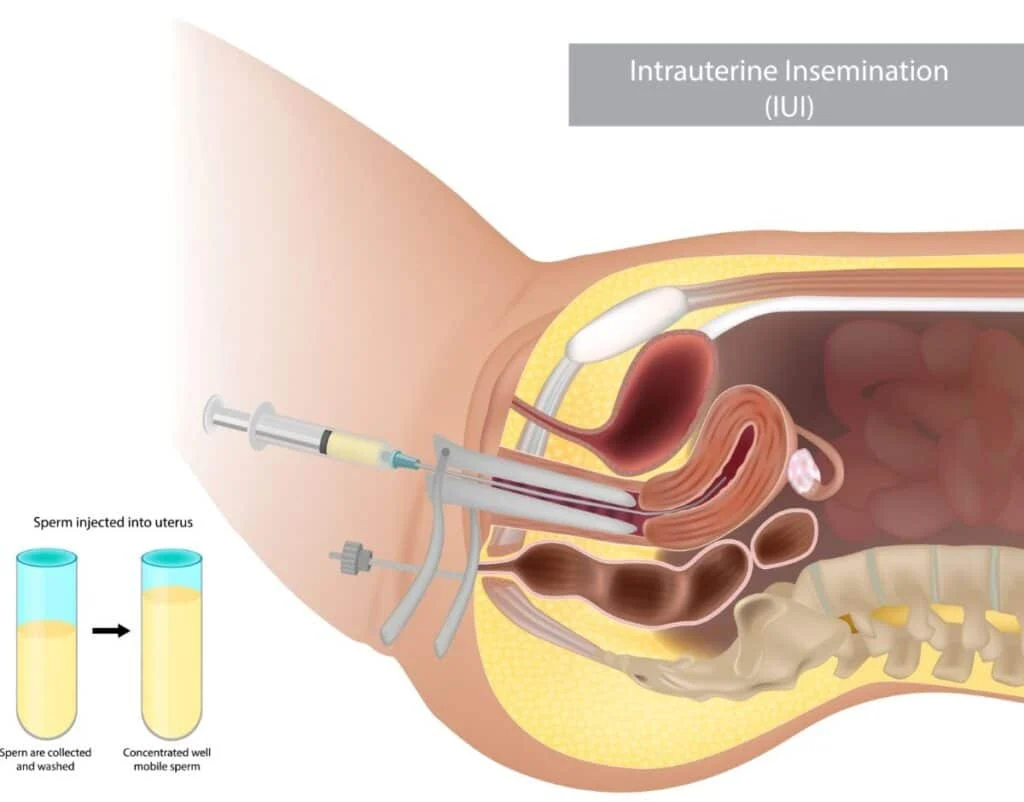
    illustration of intrauterine insemination procedure with a hand holding a speculum and syringe near the uterus

    The Importance of Embracing Community: How Support Groups Can Help You Cope with Fertility Challenges

    Support groups can also provide valuable resources and information for those experiencing fertility challenges. Members often share their personal experiences, knowledge, and research, which can be helpful in understanding different treatment options, coping mechanisms, and ways to manage the emotional toll of fertility struggles. This information can be especially useful for those who are just starting their journey and may feel overwhelmed by the medical terminology and procedures involved in fertility treatments.

    In addition to emotional support and resources, support groups can also provide a sense of community and belonging. Going through fertility challenges can often feel like a rollercoaster of emotions, and it can be challenging to find people who truly understand what you are going through. Support groups offer a sense of camaraderie and a place to connect with others who can offer empathy and support. This sense of community can be especially beneficial for those who may not have a strong support system in their personal lives.

    There are different types of support groups available for those facing fertility challenges. Some groups are led by a mental health professional, while others are run by individuals who have gone through their own fertility struggles. Online support groups are also becoming increasingly popular, as they offer a sense of anonymity and convenience for those who may not have access to in-person groups. It is essential to research and explore different options to find the right fit for your individual needs.

    When looking for a support group, it is essential to keep in mind that not all groups will be the right fit. It may take trying out a few different groups before finding one that feels comfortable and beneficial. It is also crucial to find a group that aligns with your values and beliefs. For example, some groups may focus on holistic approaches to fertility, while others may focus on specific medical treatments. It is essential to find a group that resonates with your individual needs and preferences.

    In conclusion, the journey towards parenthood can be challenging, and fertility challenges can bring about feelings of isolation and hopelessness. However, it is crucial to remember that you are not alone and that there is a community of people who understand and can offer support. Support groups can provide a safe and non-judgmental space for individuals to share their experiences, offer valuable resources and information, and provide a sense of community and belonging. It is essential to explore different options and find the right support group for your individual needs, as this can make a significant difference in coping with fertility challenges.

    SEO metadata:

  • A Holistic Guide to Addressing Male Factor Infertility

    Blog Post: A Holistic Guide to Addressing Male Factor Infertility

    Infertility is a common struggle for many couples, affecting approximately 1 in 6 couples worldwide. While there are various factors that can contribute to infertility, male factor infertility is responsible for about 40% of all cases. This can be a challenging and emotional experience for both partners, but with the right approach and mindset, it is possible to overcome male factor infertility. In this blog post, we will explore a holistic guide to addressing male factor infertility, covering everything from understanding the causes to exploring natural and medical treatment options.

    Understanding Male Factor Infertility

    Before we dive into addressing male factor infertility, it’s important to understand what it is and what causes it. Male factor infertility refers to any issue that affects a man’s ability to impregnate a woman. This can include low sperm count, poor sperm motility, or abnormal sperm shape. There are various reasons why a man may experience male factor infertility, including hormonal imbalances, genetic disorders, infections, and lifestyle factors such as smoking, excessive alcohol consumption, and drug use.

    One of the most common causes of male factor infertility is a condition called varicocele, which is the enlargement of veins in the scrotum. This can lead to a decrease in sperm production and quality. Other contributing factors may include a sedentary lifestyle, poor diet, and stress.

    The Holistic Approach to Addressing Male Factor Infertility

    A holistic approach to addressing male factor infertility means taking a comprehensive and integrated approach to improve overall health and well-being, rather than just focusing on treating the symptoms. This approach recognizes that fertility is affected by various factors, including physical, emotional, and environmental factors.

    1. Improve Your Diet and Lifestyle

    The first step in addressing male factor infertility is to make lifestyle changes that support overall health and fertility. This includes following a healthy and balanced diet, rich in fruits, vegetables, whole grains, lean proteins, and healthy fats. Avoiding processed and sugary foods, as well as limiting alcohol and caffeine consumption, can also have a positive impact on fertility.

    In addition to diet, regular exercise is essential for improving sperm quality and count. Exercise can also help reduce stress and improve overall well-being. Aim for at least 30 minutes of moderate exercise, such as brisk walking, cycling, or swimming, a few times a week.

    2. Reduce Stress and Practice Mindfulness

    Stress can have a significant impact on fertility, as it can disrupt hormone levels and affect sperm production. Finding ways to reduce stress and promote relaxation can be beneficial for addressing male factor infertility. This can include practicing mindfulness techniques such as meditation, yoga, or deep breathing exercises.

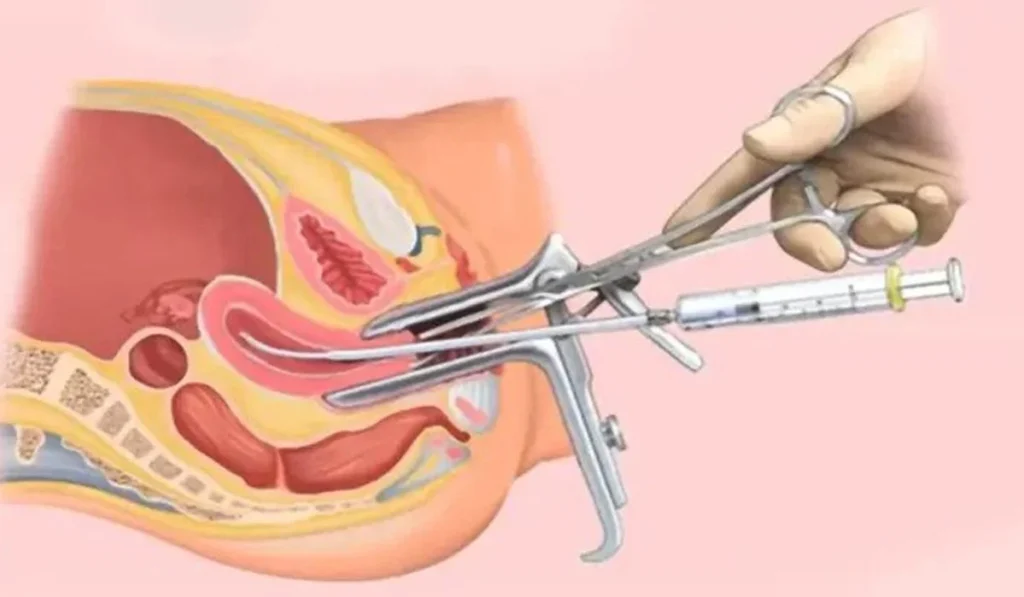
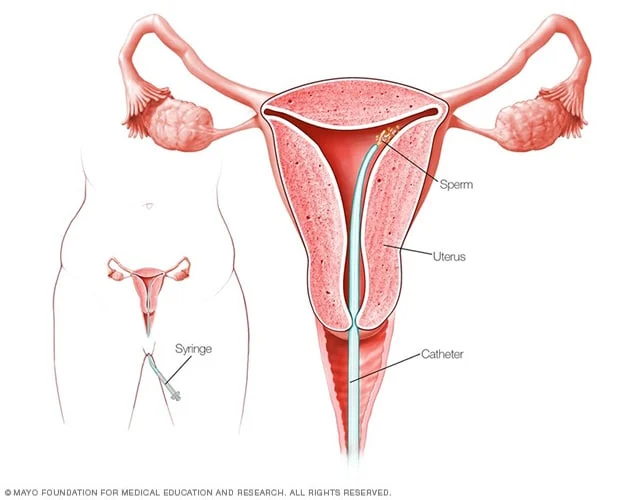
    Illustration of the IUI process, showing a syringe and catheter in the reproductive system.

    A Holistic Guide to Addressing Male Factor Infertility

    3. Explore Natural Supplements and Remedies

    There are various natural supplements and remedies that may help improve male fertility. These include:

    – Coenzyme Q10 (CoQ10): This antioxidant has been shown to improve sperm quality and motility.
    – L-carnitine: This amino acid can help increase sperm count and motility.
    – Zinc: This mineral is essential for sperm production and may help improve sperm quality.
    – Maca root: This herb has been used to improve male fertility and libido.
    – Acupuncture: This traditional Chinese therapy may help improve sperm quality and motility.

    It’s important to consult with a healthcare professional before taking any supplements, as they may interact with other medications or have potential side effects.

    4. Consider Medical Treatments

    In some cases, medical treatments may be necessary to address male factor infertility. These may include:

    – Varicocele repair: Surgery to correct varicocele may improve sperm production and quality.
    – Medications: Certain medications may be prescribed to treat hormonal imbalances or infections that can affect fertility.
    – Assisted reproductive technologies (ART): These include treatments such as intrauterine insemination (IUI) and in vitro fertilization (IVF), which can help overcome male factor infertility.

    It’s important to discuss all available options with a healthcare professional to determine the best course of treatment for your specific situation.

    The Emotional Aspect of Male Factor Infertility

    Male factor infertility can take a toll on a man’s emotional well-being, as well as his relationship with his partner. It’s essential to address and acknowledge these emotions and seek support when needed. This can include talking to a therapist or joining a support group with other couples going through a similar experience.

    In addition, open communication with your partner is crucial during this challenging time. It’s essential to support each other and work together as a team to overcome male factor infertility.

    In Summary

    Male factor infertility is a common issue that affects many couples, but with a holistic approach, it is possible to address and improve fertility. By making lifestyle changes, exploring natural remedies, and seeking medical treatments when necessary, couples can increase their chances of conception. It’s also essential to address the emotional aspect of male factor infertility and seek support when needed. With patience, perseverance, and a positive mindset, couples can overcome male factor infertility and achieve their dream of starting a family.

  • The Pros and Cons of Fertility Preservation: What You Need to Know

    Blog Post Title: The Pros and Cons of Fertility Preservation: What You Need to Know

    Fertility preservation, also known as cryopreservation, is a medical procedure that involves freezing and storing eggs, sperm, or embryos for future use. This option is becoming increasingly popular for individuals or couples who are considering delaying parenthood or undergoing medical treatments that may affect their fertility. However, like any medical procedure, there are both pros and cons to consider before making the decision to preserve one’s fertility. In this blog post, we will discuss the benefits and drawbacks of fertility preservation, as well as important considerations to keep in mind.

    Pros of Fertility Preservation:

    1. Allows for Delayed Parenthood: One of the main advantages of fertility preservation is that it allows individuals or couples to delay parenthood for personal or professional reasons. With the advancement of technology, eggs, sperm, and embryos can be safely frozen and stored for many years, giving individuals the flexibility to start a family when they are ready.

    2. Preserves Fertility Before Medical Treatments: For individuals who are facing medical treatments such as chemotherapy, radiation, or surgery that may affect their fertility, fertility preservation provides a chance to preserve their reproductive options before undergoing the treatments. This is especially important for young cancer patients who may want to have children in the future.

    3. Increases Chances of Pregnancy: As women age, their fertility decreases, making it more difficult to conceive naturally. By preserving eggs at a younger age, women can increase their chances of getting pregnant later in life. This is also beneficial for couples who are struggling with infertility, as they can use their stored eggs or sperm for assisted reproductive techniques such as in vitro fertilization (IVF).

    4. Peace of Mind: Fertility preservation can provide peace of mind for individuals who are worried about their future fertility. Knowing that they have the option to use their preserved eggs, sperm, or embryos in the future can alleviate the stress and anxiety that often comes with fertility concerns.

    5. Suitable for LGBTQ+ Couples: Fertility preservation is also a viable option for LGBTQ+ couples who want to have biological children. Same-sex male couples can preserve their sperm for future use, while same-sex female couples can use donor sperm or preserve eggs for IVF.

    Cons of Fertility Preservation:

    1. Cost: Fertility preservation can be a costly procedure, and the cost may vary depending on the method used, the number of cycles required, and the storage fees. In addition, not all insurance plans cover the cost of fertility preservation, making it an expensive option for some individuals or couples.

    2. No Guarantee of Success: While fertility preservation can increase the chances of pregnancy, it does not guarantee success. There is always a chance that the stored eggs, sperm, or embryos may not survive the freezing and thawing process, or that they may not result in a successful pregnancy.

    Diagram illustrating intrauterine insemination (IUI) procedure with sperm injection into the uterus.

    The Pros and Cons of Fertility Preservation: What You Need to Know

    3. Emotional Toll: Deciding to preserve one’s fertility can come with emotional challenges. It may bring up feelings of grief and loss, as individuals may be mourning the loss of their natural ability to conceive. In addition, the process of undergoing fertility treatments and making decisions about the number of eggs or sperm to preserve can be emotionally taxing.

    4. Ethical Concerns: Some people have ethical concerns about fertility preservation, especially when it comes to storing and potentially discarding unused embryos. This can raise questions about the status of the embryos and the ethical implications of using them for reproductive purposes.

    5. Limited Time Frame: Fertility preservation is most effective when done at a younger age, as the quality of eggs and sperm decreases with age. This means that individuals who decide to preserve their fertility later in life may have a lower chance of success.

    Important Considerations:

    1. Consult with a Fertility Specialist: Before making a decision about fertility preservation, it is important to consult with a fertility specialist who can provide expert advice and guidance. They can assess your individual situation and help you understand the potential success rates and risks associated with the procedure.

    2. Plan for the Future: It is important to have a plan in place for the future use of the preserved eggs, sperm, or embryos. This includes considering the number of eggs or sperm to preserve, the length of storage, and the potential use of a surrogate or donor if needed.

    3. Be Informed: It is crucial to educate yourself about the procedure and the potential risks and benefits before making a decision. This includes understanding the costs involved, the success rates, and the potential emotional toll.

    4. Explore Other Options: Fertility preservation is not the only option for individuals or couples who want to have children in the future. Adoption, surrogacy, and fostering are all alternatives that may be worth considering.

    In conclusion, fertility preservation is a complex decision that requires careful consideration. While it can provide many benefits and help individuals achieve their goal of parenthood, it also comes with potential drawbacks and challenges. It is important to weigh the pros and cons, consult with a fertility specialist, and be informed before making a decision about fertility preservation.

    Summary:

    Fertility preservation, also known as cryopreservation, is a medical procedure that involves freezing and storing eggs, sperm, or embryos for future use. It allows for delayed parenthood, preserves fertility before medical treatments, increases chances of pregnancy, and provides peace of mind. However, it can be costly, has no guarantee of success, and can have an emotional toll. Important considerations include consulting with a fertility specialist, planning for the future, being informed, and exploring other options. Ultimately, the decision to preserve one’s fertility is a personal one that should be made after careful consideration of the pros and cons.

  • The Future of Fertility: Advancements in Supplements and Medical Treatments

    The Future of Fertility: Advancements in Supplements and Medical Treatments

    Fertility has always been a crucial aspect of human life, and with modern advancements in science and technology, we are witnessing significant progress in the field of fertility treatments. From supplements to medical treatments, researchers are constantly working towards improving and enhancing fertility for both men and women. In this blog post, we will explore the future of fertility and the advancements in supplements and medical treatments that are changing the landscape of fertility treatments.

    Supplements for Fertility

    Supplements have been a popular choice for individuals struggling with fertility issues, as they offer a more natural and holistic approach to improving fertility. In recent years, there has been a surge in the development of fertility supplements, with many claiming to enhance fertility in both men and women. While there is still limited research on the effectiveness of these supplements, some have shown promising results.

    One such supplement is Coenzyme Q10 (CoQ10), which is known to improve egg and sperm quality. This antioxidant is naturally produced in the body but decreases with age, making it an essential supplement for individuals trying to conceive at an older age. Another popular supplement is L-arginine, which is believed to improve blood flow to the reproductive organs and increase sperm count and motility.

    In addition to these supplements, there are also multivitamins specifically designed for fertility, including folic acid, vitamin D, and omega-3 fatty acids. These vitamins and minerals are crucial for reproductive health and have been known to improve fertility in both men and women.

    While supplements can be a helpful addition to a fertility treatment plan, it is essential to consult with a doctor before taking any supplements, as they can interact with other medications or have adverse effects on certain medical conditions.

    Medical Treatments for Fertility

    In addition to supplements, medical treatments for fertility have also seen significant advancements in recent years. These treatments range from hormonal therapies to assisted reproductive technologies (ART) such as in vitro fertilization (IVF) and intracytoplasmic sperm injection (ICSI).

    illustration of an intrauterine insemination procedure with medical instruments and anatomical details

    The Future of Fertility: Advancements in Supplements and Medical Treatments

    Hormonal therapies are commonly used to address hormonal imbalances that can affect fertility in both men and women. These therapies involve taking oral medications or receiving injections to stimulate ovulation or improve sperm production.

    ART, on the other hand, involves combining eggs and sperm in a laboratory and then transferring the resulting embryo into the uterus. This method has been highly successful, with IVF alone resulting in the birth of over 8 million babies worldwide.

    Another significant advancement in medical treatments for fertility is the use of genetic testing. Preimplantation genetic testing (PGT) allows for the screening of embryos for genetic disorders before implantation, reducing the risk of passing on genetic diseases to the child.

    Future Innovations in Fertility Treatments

    As technology continues to advance, we can expect to see even more innovations in the field of fertility treatments. One such advancement is the use of artificial intelligence (AI) to improve IVF success rates. AI can analyze large amounts of data from past IVF cycles to predict the best embryo for transfer, increasing the chances of a successful pregnancy.

    Another exciting development is the use of stem cells to improve fertility. Stem cells can be used to regenerate damaged eggs or sperm, potentially providing a solution for individuals with fertility issues due to age or medical conditions.

    Furthermore, there is ongoing research on the use of gene editing to correct genetic mutations that can cause infertility. This technology has the potential to revolutionize the treatment of genetic disorders that affect fertility and could offer hope to many couples struggling with infertility.

    Summary

    The future of fertility is bright, with advancements in supplements and medical treatments offering hope to individuals struggling with fertility issues. From supplements like CoQ10 and L-arginine to medical treatments like IVF and PGT, there are various options available to improve fertility. As technology continues to advance, we can expect to see even more innovative treatments, such as the use of AI, stem cells, and gene editing, providing new solutions for individuals and couples trying to conceive.

  • Fertility Supplements vs Medical Treatments: Which is More Accessible?

    Blog Post:

    The journey to parenthood can be a difficult and emotional one for many couples. For those struggling with fertility issues, the decision between using fertility supplements or seeking medical treatments can be overwhelming. While both options have their own pros and cons, one factor that often gets overlooked is accessibility. In this blog post, we will explore the differences between fertility supplements and medical treatments, and determine which option is more accessible for couples on their journey to building a family.

    Fertility Supplements:

    Fertility supplements have been gaining popularity in recent years as a natural alternative to medical treatments for fertility issues. These supplements are typically made up of vitamins, minerals, and herbs that claim to boost fertility and increase chances of conception. While some couples have reported success with fertility supplements, it is important to note that these supplements are not regulated by the FDA and their effectiveness is not scientifically proven.

    One of the main advantages of fertility supplements is their accessibility. They can be easily purchased over the counter at drugstores, health food stores, and online retailers. This makes it convenient for couples to try these supplements without the need for a prescription or a visit to a fertility specialist. Additionally, fertility supplements tend to be more affordable compared to medical treatments, making it a more accessible option for couples on a budget.

    However, the lack of regulation and scientific evidence behind fertility supplements can also be a disadvantage. Without proper regulation, there is a risk of consuming supplements that may contain harmful ingredients or interact with other medications. And while some couples may see success with these supplements, others may not experience any changes in their fertility or may even experience negative side effects.

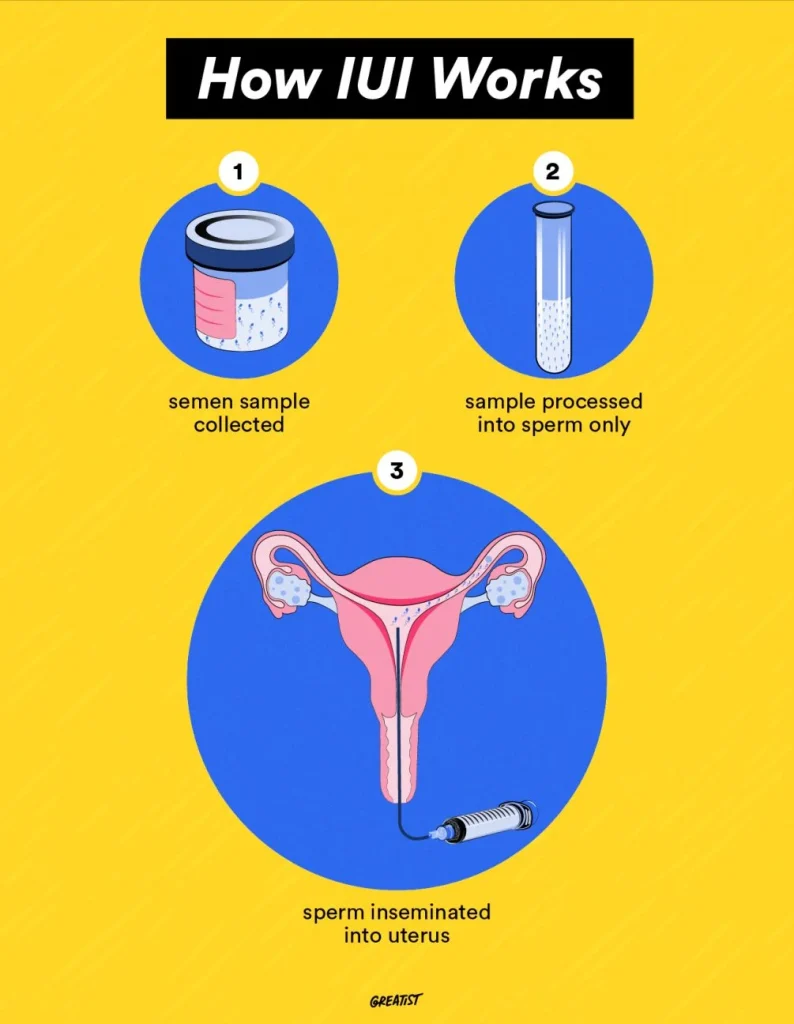
    illustration explaining the steps of intrauterine insemination (IUI) process on a bright yellow background

    Fertility Supplements vs Medical Treatments: Which is More Accessible?

    Medical Treatments:

    On the other hand, medical treatments for fertility issues are prescribed and supervised by fertility specialists. These treatments can include fertility drugs, intrauterine insemination (IUI), and in vitro fertilization (IVF). While they may be more effective in treating fertility issues, they also come with a higher price tag and require more time and effort.

    One of the biggest barriers to accessing medical treatments for fertility is the cost. Fertility drugs can cost hundreds of dollars per cycle, and IUI and IVF can cost thousands of dollars per attempt. These costs can quickly add up and become a financial burden for couples, especially if multiple attempts are needed. Additionally, medical treatments may also require travel to a fertility clinic, which can be a challenge for couples who live in remote areas or do not have access to reliable transportation.

    Another factor that may affect the accessibility of medical treatments for fertility is insurance coverage. While some insurance plans may cover certain aspects of fertility treatments, many do not cover them at all. This can make it difficult for couples to afford the necessary medical treatments.

    Summary:

    When it comes to fertility supplements vs medical treatments, accessibility should be a key consideration for couples. Fertility supplements may be more accessible in terms of availability and affordability, but they also come with risks and lack of scientific evidence. On the other hand, medical treatments may be more effective, but they can also be costly and may not be covered by insurance. Ultimately, the choice between fertility supplements and medical treatments will depend on the individual needs and preferences of each couple.

    In conclusion, while both fertility supplements and medical treatments can be viable options for couples struggling with fertility issues, it is important to carefully consider the accessibility of each option. Couples should consult with a healthcare professional to determine the best course of action for their specific situation and make an informed decision.

  • The Emotional Toll of Fertility: Coping with Both Supplements and Medical Treatments

    Blog Post:

    Fertility struggles can be emotionally taxing for individuals and couples alike. The desire to have a child and start a family can be overwhelming, but when faced with difficulties in conceiving, the journey can be filled with a rollercoaster of emotions. This emotional toll can be further compounded when fertility treatments and supplements are added to the mix. In this blog post, we will explore the emotional challenges that come with both supplements and medical treatments for fertility, and offer tips for coping with them.

    The Emotional Impact of Supplements:

    Supplements are often recommended for individuals and couples who are trying to conceive. These can include vitamins, minerals, and herbal supplements that are believed to improve fertility and increase the chances of conception. While these supplements may have physical benefits, they can also have a significant emotional impact on those taking them.

    Firstly, the pressure to take supplements in hopes of improving fertility can add to the already existing stress and pressure of trying to conceive. This can lead to feelings of inadequacy or guilt if the supplements do not result in a pregnancy. Additionally, the financial burden of purchasing supplements on top of other fertility treatments can also add to the stress and emotional strain.

    Moreover, the process of taking supplements can be a constant reminder of the struggle to conceive, causing a range of emotions such as frustration, sadness, and disappointment. The daily routine of taking pills or supplements can become a reminder of the lack of control over one’s own fertility, which can be difficult to cope with.

    The Emotional Impact of Medical Treatments:

    In addition to supplements, many individuals and couples turn to medical treatments for fertility. These can include procedures such as intrauterine insemination (IUI) or in-vitro fertilization (IVF). While these treatments can offer hope for those struggling with fertility, they also come with their own emotional challenges.

    The first hurdle is often the decision to pursue medical treatments. This decision can be overwhelming and may come with a sense of failure or disappointment in one’s own body. The process of undergoing medical treatments can also be physically and emotionally draining, with numerous appointments, tests, and procedures involved. This can take a toll on the individual’s mental and emotional well-being, leading to feelings of anxiety, fear, and exhaustion.

    Moreover, medical treatments for fertility can be a rollercoaster of emotions. The hope and excitement of a potential pregnancy can quickly turn into disappointment and heartache if the treatments are unsuccessful. This cycle of hope and disappointment can be emotionally exhausting and can impact an individual’s mental health.

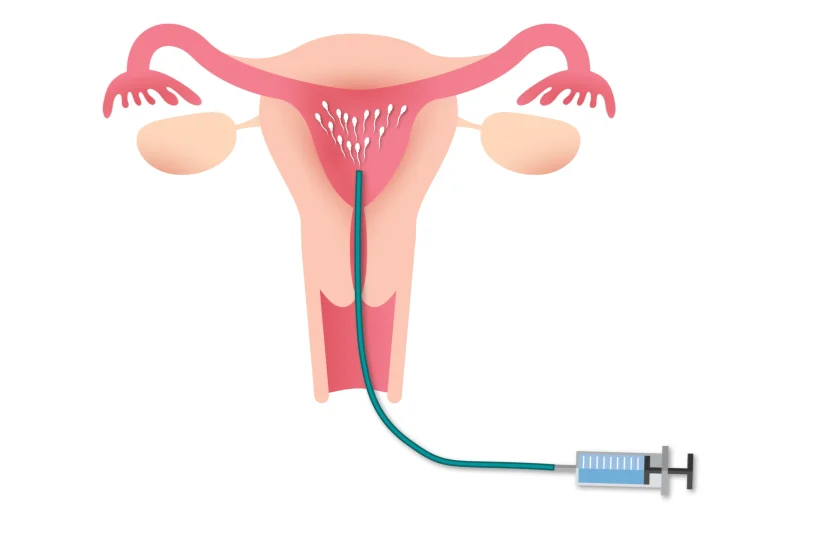
    diagram of a uterus with a syringe for intrauterine insemination procedure

    The Emotional Toll of Fertility: Coping with Both Supplements and Medical Treatments

    Coping with the Emotional Toll:

    The emotional toll of fertility struggles, supplements, and medical treatments can be overwhelming, but there are ways to cope with these challenges. Here are some tips for managing the emotional impact of fertility:

    1. Seek Support: It is essential to have a strong support system in place when dealing with fertility struggles. This can include friends, family, or a support group where you can share your feelings and experiences without judgment.

    2. Practice Self-Care: Taking care of your physical and emotional well-being is crucial during this time. Make time for activities that bring you joy and relaxation, such as exercise, yoga, or meditation.

    3. Communicate with Your Partner: Fertility struggles can take a toll on relationships, so it is vital to communicate openly and honestly with your partner. Share your feelings and concerns, and work together to support each other through the process.

    4. Seek Professional Help: If the emotional toll becomes too much to handle, do not hesitate to seek professional help. Therapy can provide a safe space to work through your emotions and develop coping strategies.

    5. Take Breaks: It is essential to take breaks from fertility treatments and supplements if needed. This can help alleviate some of the emotional stress and give you time to recharge and focus on your well-being.

    In conclusion, the emotional toll of fertility struggles can be challenging to navigate, especially when combined with supplements and medical treatments. It is essential to acknowledge and address these emotions, seek support, and practice self-care to cope with the challenges. Remember to be patient and kind to yourself, as the journey to starting a family can be emotionally taxing, but with the right support and coping strategies, you can get through it.

    Summary:

    Fertility struggles can have a significant emotional impact on individuals and couples, especially when combined with supplements and medical treatments. The pressure to take supplements and the decision to pursue medical treatments can lead to feelings of stress, guilt, and disappointment. The emotional rollercoaster of hope and disappointment can also take a toll on mental health. Coping strategies such as seeking support, practicing self-care, and taking breaks can help manage the emotional toll of fertility struggles.

  • Fertility Supplements vs Medical Treatments: The Importance of a Healthy Lifestyle

    Blog Post:

    When it comes to fertility, couples often feel overwhelmed and unsure of where to turn for help. With a plethora of options available, it can be challenging to know whether to try fertility supplements or seek medical treatments. However, regardless of the path chosen, one thing is clear – a healthy lifestyle is crucial for maximizing fertility potential. In this blog post, we will explore the differences between fertility supplements and medical treatments and the importance of a healthy lifestyle in boosting fertility.

    Fertility Supplements:

    Fertility supplements are becoming popular among couples trying to conceive. These supplements typically contain vitamins, minerals, herbs, and other natural ingredients that claim to improve fertility. While some couples swear by these supplements, there is limited scientific evidence to support their effectiveness. However, some studies have shown that certain supplements, such as Coenzyme Q10 and DHEA, can improve egg quality and sperm count in individuals with specific fertility issues. It is essential to consult with a healthcare provider before taking any supplements as they can interact with other medications or have adverse effects.

    Medical Treatments:

    On the other hand, medical treatments for infertility involve more invasive procedures, such as fertility drugs, intrauterine insemination (IUI), and in-vitro fertilization (IVF). These treatments are typically recommended for couples who have been trying to conceive for a year or longer without success or those with diagnosed fertility issues. While these treatments have a higher success rate compared to fertility supplements, they also come with risks and side effects. It is essential to discuss the potential risks and benefits of these treatments with a fertility specialist before making a decision.

    The Importance of a Healthy Lifestyle:

    While both fertility supplements and medical treatments can help improve fertility, they are not a substitute for a healthy lifestyle. A healthy lifestyle includes a balanced diet, regular exercise, stress management, and avoiding harmful substances such as alcohol, tobacco, and drugs. These lifestyle factors play a significant role in fertility as they can impact hormone levels, egg and sperm quality, and overall reproductive health.

    Diet:

    diagram illustrating intrauterine insemination (IUI) procedure with uterus, sperm, and catheter labeled

    Fertility Supplements vs Medical Treatments: The Importance of a Healthy Lifestyle

    A nutritious diet is essential for overall health and fertility. A diet rich in fruits, vegetables, whole grains, lean proteins, and healthy fats can provide the necessary nutrients for reproductive health. Certain foods, such as folate-rich leafy greens, can also help prevent birth defects. On the other hand, a diet high in processed foods, sugar, and unhealthy fats can negatively impact fertility.

    Exercise:

    Regular physical activity is not only beneficial for physical health but also for fertility. Exercise helps manage stress, maintain a healthy weight, and regulate hormone levels. However, excessive and intense exercise can have the opposite effect and interfere with ovulation. It is essential to find a balance and engage in moderate exercise, such as brisk walking, yoga, or swimming, for optimal fertility.

    Stress Management:

    Stress can have a significant impact on fertility. When the body is under stress, it releases a hormone called cortisol, which can interfere with ovulation and sperm production. Furthermore, stress can also affect libido and strain relationships, making it harder to conceive. Finding healthy ways to manage stress, such as meditation, yoga, or talking to a therapist, is crucial for fertility.

    Avoiding Harmful Substances:

    Avoiding harmful substances such as alcohol, tobacco, and drugs is crucial for fertility. These substances can harm reproductive health, lower sperm count, and cause birth defects. Women who are trying to conceive should avoid alcohol completely, and men should limit their intake to no more than one drink per day. Quitting smoking and avoiding recreational drugs is also essential for fertility.

    Summary:

    When it comes to fertility, couples have the option of trying fertility supplements or seeking medical treatments. Fertility supplements are natural remedies that claim to improve fertility, while medical treatments are more invasive procedures. However, regardless of the path chosen, a healthy lifestyle is vital for maximizing fertility potential. A balanced diet, regular exercise, stress management, and avoiding harmful substances can improve reproductive health and increase the chances of conception.

    In conclusion, while fertility supplements and medical treatments can help improve fertility, they are not a substitute for a healthy lifestyle. Couples trying to conceive should focus on maintaining a healthy lifestyle, along with consulting with a healthcare provider, to achieve their dream of parenthood.

  • The Role of Hormones in Fertility: Balancing with Supplements and Medical Treatments

    Summary:

    Hormones play a crucial role in fertility, and an imbalance in these hormones can greatly affect a person’s ability to conceive. In this blog post, we will discuss the role of hormones in fertility and how supplements and medical treatments can help balance these hormones to improve fertility.

    First, we will delve into the different hormones involved in fertility, such as estrogen, progesterone, and testosterone, and how they work together to regulate the menstrual cycle and ovulation. We will also explore how imbalances in these hormones can lead to common fertility issues, such as PCOS, endometriosis, and male factor infertility.

    Next, we will discuss the use of supplements in balancing hormones for fertility. Certain vitamins, minerals, and herbs have been found to help regulate hormone levels and improve fertility. For example, vitamin D has been linked to improved fertility in women with PCOS, while zinc has been shown to improve sperm quality in men. We will also cover the importance of a healthy diet and lifestyle in maintaining hormonal balance.

    diagram illustrating intrauterine insemination (IUI) procedure with uterus, sperm, and catheter labeled

    The Role of Hormones in Fertility: Balancing with Supplements and Medical Treatments

    In addition to supplements, there are also medical treatments available for addressing hormonal imbalances. These include hormone replacement therapy, fertility medications, and assisted reproductive techniques such as in vitro fertilization (IVF). We will explain how these treatments work and who they may be suitable for.

    However, it is important to note that while supplements and medical treatments can be beneficial, they should not be seen as a quick fix for fertility issues. It is essential to consult with a healthcare professional to determine the underlying cause of the hormonal imbalance and to create a personalized treatment plan.

    Finally, we will discuss the importance of monitoring hormone levels throughout the fertility journey. Regular blood tests can help track the effectiveness of supplements and medical treatments and allow for adjustments to be made if necessary.

    In conclusion, hormones play a significant role in fertility, and maintaining a balance is crucial for conception. Supplements and medical treatments can be helpful in balancing hormones, but it is essential to consult with a healthcare professional and make lifestyle changes for long-term success.

  • Fertility Supplements vs Medical Treatments: What’s the Best Option for Unexplained Infertility?

    Blog Post:

    Infertility affects millions of couples around the world and can be a devastating and emotionally draining experience. When trying to conceive, many couples face the frustration of not being able to get pregnant despite trying for months or even years. While some may have a clear medical reason for their infertility, others may be diagnosed with unexplained infertility, which means that there is no identifiable cause for their inability to conceive. For those dealing with unexplained infertility, the decision between fertility supplements and medical treatments can be a difficult one. In this blog post, we will explore the pros and cons of each option and help you determine which may be the best choice for you.

    Fertility Supplements:

    Fertility supplements have become increasingly popular in recent years, with many claiming to boost fertility and increase the chances of conception. These supplements often contain a combination of vitamins, minerals, and herbs that are believed to improve reproductive health. While there is limited scientific evidence to support the effectiveness of these supplements, many couples swear by them and have had success in conceiving after taking them.

    Pros:

    1. Natural ingredients: Fertility supplements are made from natural ingredients, which may be appealing to those who prefer a more holistic approach to fertility treatment.

    2. Available over the counter: Unlike medical treatments, fertility supplements do not require a prescription and can be purchased over the counter at most health food stores or online.

    3. Less expensive: Fertility supplements are generally more affordable than medical treatments, making them a more accessible option for couples on a budget.

    Cons:

    1. Limited research: As mentioned earlier, there is limited scientific research on the effectiveness of fertility supplements. While some studies have shown promising results, more research is needed to fully understand their benefits and potential risks.

    2. May not work for everyone: Fertility supplements may work for some couples, but they may not be effective for everyone. Each person’s body is unique, and what works for one couple may not work for another.

    3. Potential side effects: While fertility supplements are made from natural ingredients, they can still have side effects. It is essential to consult with a healthcare professional before starting any supplement to ensure it is safe for you.

    Medical Treatments:

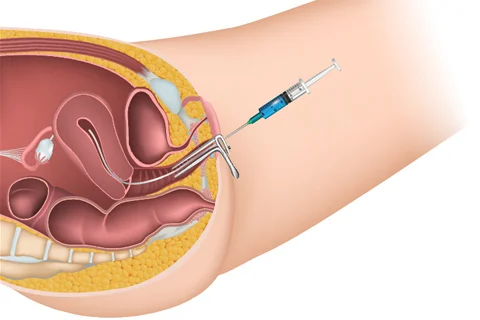
    illustration of intrauterine insemination procedure with a syringe and catheter in the uterus.

    Fertility Supplements vs Medical Treatments: What's the Best Option for Unexplained Infertility?

    Medical treatments for unexplained infertility include intrauterine insemination (IUI) and in vitro fertilization (IVF). Both of these procedures involve assisted reproductive technology (ART) and have been successful in helping many couples conceive.

    Pros:

    1. Proven effectiveness: Unlike fertility supplements, medical treatments have been extensively studied and have a high success rate. For couples dealing with unexplained infertility, these treatments may be the best option for increasing their chances of conception.

    2. Identifies underlying issues: Medical treatments often involve diagnostic tests, which can help identify any underlying issues that may be causing infertility, such as blocked fallopian tubes or low sperm count.

    3. Can be combined with other treatments: In some cases, medical treatments can be combined with other methods, such as fertility drugs or surgery, to improve their effectiveness.

    Cons:

    1. Expensive: Compared to fertility supplements, medical treatments can be costly, especially if multiple cycles are needed.

    2. Invasive: Medical treatments such as IUI and IVF involve procedures that can be physically and emotionally taxing for some individuals.

    3. Potential side effects: As with any medical procedure, there is a risk of side effects with medical treatments. These can include bloating, cramping, and mood swings.

    Which Option is Best for You?

    Deciding between fertility supplements and medical treatments for unexplained infertility can be overwhelming. It is essential to consult with a healthcare professional and discuss your options in detail. They can help you understand the potential risks and benefits of each option and guide you in making the best decision for your specific situation.

    In some cases, a combination of both may be the best approach. For example, a healthcare professional may recommend taking fertility supplements while undergoing medical treatments to improve the chances of conception.

    Summary:

    When faced with unexplained infertility, the decision between fertility supplements and medical treatments can be challenging. Fertility supplements are made from natural ingredients, are more affordable, and can be purchased over the counter. However, there is limited research on their effectiveness and potential side effects. On the other hand, medical treatments such as IUI and IVF have a higher success rate and can identify underlying issues, but they can be expensive and invasive. It is crucial to consult with a healthcare professional to determine the best option for you.

  • The Importance of Support: Finding a Community with Fertility Supplements and Medical Treatments

    Summary:

    Struggling with fertility can be a difficult and isolating experience, but it is important to remember that you are not alone. While there are many different options for fertility supplements and medical treatments, finding a community of support is crucial in navigating this journey.

    One of the most important aspects of finding a community is being able to share and receive support from others who are going through a similar experience. This can be through online forums, support groups, or even just connecting with friends and family who have also struggled with fertility. Having a support system can provide emotional comfort, understanding, and valuable advice.

    Another important aspect of support is having access to accurate and helpful information. With so many different fertility supplements and medical treatments on the market, it can be overwhelming to know which ones are effective and safe. This is where a community can be valuable, as members can share their experiences and recommendations. It is also important to consult with a healthcare professional to discuss the best options for your individual situation.

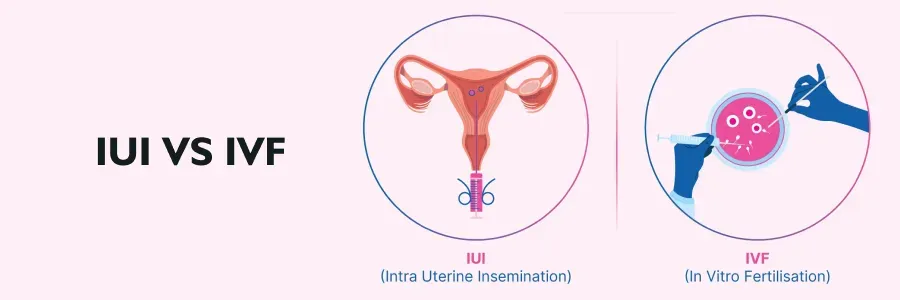
    Comparison of IUI and IVF with illustrations of each procedure.

    The Importance of Support: Finding a Community with Fertility Supplements and Medical Treatments

    In addition to emotional support and information, finding a community can also provide practical support. This can include things like childcare during appointments, transportation to appointments, or even just someone to talk to when you are feeling overwhelmed. Having this kind of support can make the fertility journey less daunting and more manageable.

    Another benefit of being part of a community is the opportunity to connect with others who have successfully gone through fertility treatments. These individuals can offer hope and inspiration, and their stories can serve as a reminder that success is possible. It is important to remember that everyone’s journey is unique and there is no one-size-fits-all approach to fertility, but having a community of individuals who have gone through similar experiences can provide hope and encouragement.

    Aside from finding a community for emotional and practical support, it is also important to find a community that aligns with your values and beliefs. For example, if you are looking for natural and holistic approaches to fertility, finding a community that focuses on these methods can provide a sense of belonging and support.

    Lastly, finding a community can also help alleviate feelings of shame and stigma surrounding fertility struggles. It is common for individuals to feel isolated and ashamed when facing fertility challenges, but being part of a community of like-minded individuals can help reduce these negative feelings and provide a sense of understanding and acceptance.

    In conclusion, support is crucial when navigating the world of fertility supplements and medical treatments. Finding a community can provide emotional, informational, practical, and moral support, making the journey less daunting and more manageable. Remember, you are not alone in this journey, and having a supportive community by your side can make all the difference.