Tag: vitamins

  • Fertility Supplements for Women: Balancing Hormones and Boosting Fertility

    Blog Post: Fertility Supplements for Women: Balancing Hormones and Boosting Fertility

    Are you struggling to conceive? Do you feel like your hormones are out of balance? If you’re a woman trying to start a family, you may have heard about fertility supplements and their potential benefits. In this blog post, we will explore the world of fertility supplements for women and how they can help balance hormones and boost fertility.

    Fertility is a complex process that involves various hormones, organs, and systems in the body. Any imbalance or disruption in this delicate process can affect a woman’s ability to conceive. Many factors can contribute to hormonal imbalances, such as stress, diet, lifestyle, and medical conditions. Fortunately, there are natural ways to support and regulate hormonal health, and fertility supplements are one of them.

    Fertility supplements are natural products that contain vitamins, minerals, herbs, and other nutrients that are believed to enhance fertility in women. These supplements work by supporting the body’s natural processes and promoting hormonal balance. Let’s take a closer look at some of the most popular fertility supplements for women and how they can help you on your journey to motherhood.

    1. Vitex (Chasteberry)

    Vitex, also known as Chasteberry, is a herb that has been used for centuries to promote hormonal balance and fertility in women. It works by stimulating the production of luteinizing hormone (LH) and inhibiting the release of follicle-stimulating hormone (FSH), which can help regulate ovulation. Vitex is also believed to support the production of progesterone, an essential hormone for maintaining a healthy pregnancy.

    2. Maca Root

    Maca root is a plant native to Peru that has been used for centuries as a natural remedy for fertility. It is rich in vitamins, minerals, and antioxidants, and is believed to have a positive effect on hormonal balance. Maca root is also known for its ability to improve libido and sexual function in both men and women, making it a popular supplement for couples trying to conceive.

    3. Coenzyme Q10 (CoQ10)

    Coenzyme Q10, or CoQ10, is a powerful antioxidant that plays a crucial role in energy production and cell growth. It is naturally produced in the body, but its levels decline with age. CoQ10 supplements have been shown to improve egg quality and ovarian function in women, making it a popular supplement for women over 35 who are trying to conceive.

    4. Omega-3 Fatty Acids
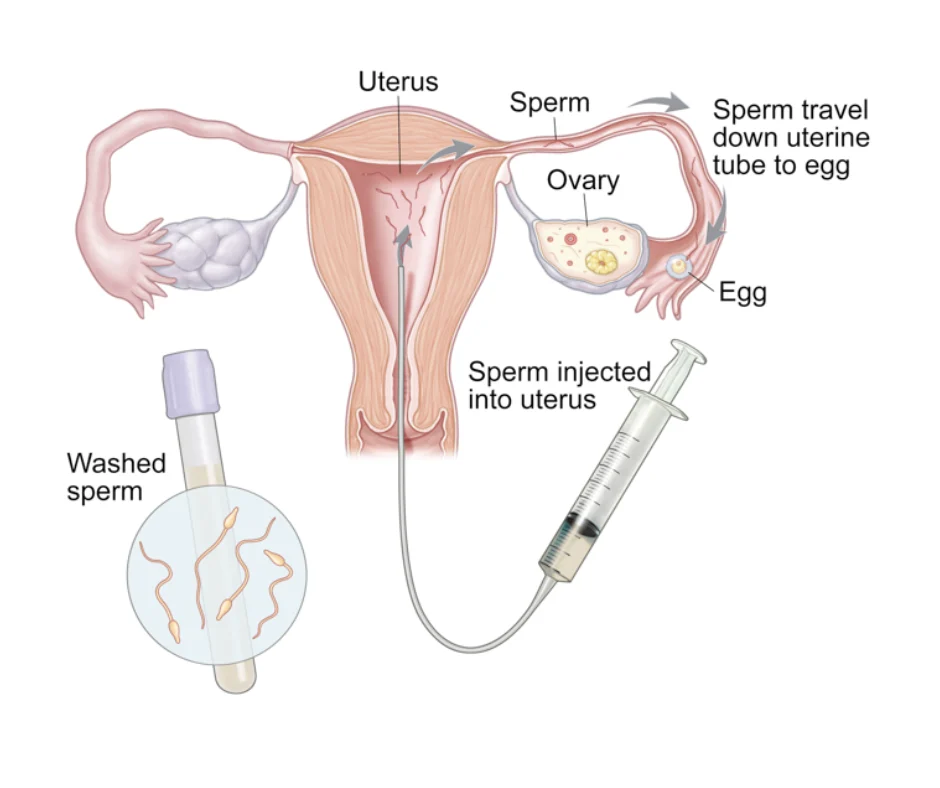
    diagram illustrating intrauterine insemination process, showing sperm injection into the uterus and egg fertilization pathway

    Fertility Supplements for Women: Balancing Hormones and Boosting Fertility

    Omega-3 fatty acids are essential fats that play a vital role in reproductive health. They are necessary for hormone production, ovulation, and embryo development. Studies have shown that omega-3 fatty acids can improve fertility in women with polycystic ovary syndrome (PCOS) and endometriosis, two conditions that can affect fertility.

    5. Iron

    Iron is an essential mineral that is vital for healthy blood and oxygen transport in the body. Iron deficiency has been linked to irregular ovulation, which can affect a woman’s ability to conceive. Taking an iron supplement can help increase iron levels in the body and improve fertility.

    6. Vitamin D

    Vitamin D is an essential nutrient that plays a crucial role in the body’s reproductive function. Studies have shown that vitamin D deficiency is associated with infertility and pregnancy complications. Supplementing with vitamin D can help improve ovulation and increase the chances of conception.

    7. Folic Acid

    Folic acid, also known as folate, is a B vitamin that is essential for fetal development. It is recommended for pregnant women to prevent birth defects, but it is also beneficial for women trying to conceive. Folic acid helps regulate ovulation and can improve the chances of a successful pregnancy.

    While fertility supplements can be beneficial, it’s essential to note that they are not a magic solution. They should be used in conjunction with a healthy diet, regular exercise, and stress management techniques. It’s also crucial to consult with your doctor before starting any new supplements, especially if you’re taking any medication or have underlying medical conditions.

    In conclusion, fertility supplements can be a helpful tool for women trying to balance hormones and boost fertility. Vitex, Maca root, CoQ10, omega-3 fatty acids, iron, vitamin D, and folic acid are some of the most popular supplements for women trying to conceive. However, it’s crucial to remember that everyone’s body is different, and what works for one person may not work for another. Be patient, stay positive, and consult with your doctor for personalized recommendations.

    Summary:

    Fertility can be a complex process, and hormonal imbalances can affect a woman’s ability to conceive. Fertility supplements for women are natural products that contain vitamins, minerals, and herbs that can support the body’s natural processes and promote hormonal balance. Some popular fertility supplements include Vitex, Maca root, CoQ10, omega-3 fatty acids, iron, vitamin D, and folic acid. It’s essential to note that these supplements should be used in conjunction with a healthy lifestyle and under the guidance of a doctor.


  • Fertility Nutrition for Women: Essential Vitamins and Minerals for Conception

    Blog Post:

    Fertility is a topic that is often surrounded by myths and misconceptions. Many women struggle with conceiving and often feel overwhelmed and confused about what they should and should not do to increase their chances of getting pregnant. While there are various factors that can affect fertility, one crucial aspect that is often overlooked is nutrition. What we eat plays a significant role in our overall health, including fertility. In this blog post, we will discuss the essential vitamins and minerals that women need for conception and how they can optimize their fertility through proper nutrition.

    Vitamin D:
    Vitamin D is a crucial nutrient for women trying to conceive. It helps regulate hormone levels and plays a role in ovulation and embryo implantation. Studies have shown that women with vitamin D deficiency have a higher risk of infertility and miscarriage. The best source of vitamin D is sunlight, but it can also be found in fatty fish, egg yolks, and fortified dairy products. If you live in an area with limited sunlight, consider taking a vitamin D supplement to ensure you are getting enough of this vital nutrient.

    Folate:
    Folate, also known as folic acid, is essential for women who are trying to conceive. It is a B vitamin that helps prevent birth defects in the baby’s brain and spine. Adequate folate intake is crucial in the early stages of pregnancy, so it is recommended that women who are trying to conceive take a daily supplement of 400-800 micrograms. Folate can also be found in leafy greens, beans, and fortified grains.

    Iron:
    Iron plays a vital role in fertility as it helps carry oxygen to the reproductive organs. Women who are iron deficient may experience irregular periods or have difficulty ovulating. It is especially crucial for women who have heavy menstrual bleeding. Good sources of iron include lean red meat, poultry, fish, and leafy greens.

    Calcium:
    Calcium is another essential nutrient for women trying to conceive. It helps regulate hormones and is crucial for the development of the baby’s bones and teeth. Some studies have shown that low calcium intake may increase the risk of ovulatory infertility. Good sources of calcium include dairy products, leafy greens, and calcium-fortified foods such as tofu and orange juice.

    Cost breakdown for IUI components, including requirements, impacts, and alternatives.

    Fertility Nutrition for Women: Essential Vitamins and Minerals for Conception

    Vitamin C:
    Vitamin C is a powerful antioxidant that can help improve fertility in women. It helps regulate hormone levels and supports the health of the ovaries. Studies have also shown that vitamin C can help improve sperm quality in men. Good sources of vitamin C include citrus fruits, berries, and leafy greens.

    Zinc:
    Zinc is an essential mineral that plays a crucial role in fertility. It is involved in the production of hormones and helps support the development of the egg and sperm. Zinc deficiency has been linked to fertility issues in both men and women. Good sources of zinc include oysters, beef, poultry, and fortified grains.

    Omega-3 Fatty Acids:
    Omega-3 fatty acids are crucial for reproductive health in women. They help regulate hormone levels and promote healthy ovulation. Studies have also shown that omega-3s can improve egg quality and increase the chances of conception. Good sources of omega-3s include fatty fish, flaxseeds, chia seeds, and walnuts.

    In addition to these essential vitamins and minerals, it is also important to maintain a healthy weight and limit alcohol and caffeine intake when trying to conceive. Being overweight or underweight can affect hormone levels and ovulation, making it more difficult to get pregnant. And while moderate alcohol and caffeine consumption may not directly impact fertility, they can affect hormone levels and overall health, which can ultimately affect fertility.

    In conclusion, proper nutrition is crucial for women who are trying to conceive. It is essential to ensure you are getting enough of these essential vitamins and minerals to optimize your fertility. A well-balanced diet that includes a variety of fruits, vegetables, lean proteins, and whole grains is key. And for those who may have difficulty getting these nutrients through diet alone, supplements can be a helpful addition. By taking care of your body and providing it with the necessary nutrients, you can increase your chances of conception and have a healthier pregnancy.

    Summary:

    In this blog post, we discussed the essential vitamins and minerals that women need for conception. Vitamin D, folate, iron, calcium, vitamin C, zinc, and omega-3 fatty acids are all crucial for reproductive health. These nutrients help regulate hormone levels, support the development of the egg and sperm, and promote healthy ovulation. It is important to maintain a healthy weight and limit alcohol and caffeine intake when trying to conceive. A well-balanced diet and supplements can help provide these essential nutrients and optimize fertility.

  • Maximizing Fertility: How Nutrition Can Play a Crucial Role

    Blog Post:

    Fertility is a topic that many people may not think about until they are actively trying to conceive. However, it is essential for both men and women to pay attention to their fertility, regardless of their current plans for starting a family. Nutrition plays a crucial role in maximizing fertility, and in this blog post, we will discuss the various ways in which diet and nutrition can impact fertility and offer tips on how to optimize nutrition for improved fertility.

    The Importance of Nutrition for Fertility:

    Before we dive into the specifics, it’s crucial to understand why nutrition is so vital for fertility. Many factors contribute to fertility, including genetics, lifestyle, and environmental factors. However, nutrition is a fundamental aspect that can significantly affect fertility for both men and women.

    Our bodies require a wide range of vitamins, minerals, and nutrients to function correctly. These nutrients play essential roles in hormone production, egg and sperm quality, and overall reproductive health. Without proper nutrition, these processes can be disrupted, leading to fertility issues.

    For women, a balanced and healthy diet is essential for maintaining regular menstrual cycles and ovulation. On the other hand, for men, nutrition is crucial for sperm production and quality. Therefore, it’s essential to pay attention to what we eat to ensure that our bodies have the necessary nutrients to support reproductive health.

    Key Nutrients for Fertility:

    Now that we understand the importance of nutrition for fertility let’s take a closer look at the key nutrients that play a crucial role in optimizing fertility.

    1. Folate:

    Folate, also known as folic acid, is a B vitamin that is crucial for both male and female fertility. For women, folate is necessary for proper egg development and implantation. In men, folate helps with sperm production and quality. A deficiency in folate can lead to fertility issues and can increase the risk of birth defects.

    Good sources of folate include leafy greens, legumes, fortified cereals, and citrus fruits. For women trying to conceive, it’s recommended to take a folate supplement, as it is challenging to get enough through diet alone.

    2. Iron:

    Iron is an essential mineral that is necessary for the production of healthy red blood cells. For women, iron is crucial for maintaining proper menstrual cycles and preventing anemia, which can affect fertility. For men, iron is necessary for sperm production.

    Good sources of iron include red meat, poultry, seafood, leafy greens, and legumes. It’s essential to consume iron-rich foods regularly and pair them with vitamin C-rich foods to enhance absorption.

    3. Omega-3 Fatty Acids:

    Omega-3 fatty acids are essential for reproductive health in both men and women. These healthy fats are necessary for hormone production and regulating the menstrual cycle in women. In men, omega-3s help with sperm development and mobility.

    Good sources of omega-3s include fatty fish like salmon and sardines, flaxseeds, chia seeds, and walnuts. If you do not consume enough omega-3s through your diet, consider taking a fish oil supplement.

    4. Vitamin D:

    Vitamin D is another crucial nutrient for fertility, particularly for women. This vitamin helps with hormone balance and egg quality. A deficiency in vitamin D has been linked to fertility issues such as polycystic ovary syndrome (PCOS) and endometriosis.

    comparison of IUI and IVF procedures illustrated with simple graphics and labels

    Maximizing Fertility: How Nutrition Can Play a Crucial Role

    The best natural source of vitamin D is sunlight. However, you can also find it in fatty fish, egg yolks, and fortified dairy products. If you live in an area with limited sun exposure, consider taking a vitamin D supplement.

    5. Zinc:

    Zinc is an essential mineral for both male and female fertility. In women, zinc is necessary for proper egg development and ovulation. In men, zinc is crucial for sperm production and quality. A deficiency in zinc can lead to fertility issues and hormonal imbalances.

    Good sources of zinc include oysters, beef, chicken, pumpkin seeds, and legumes. It’s essential to consume zinc-rich foods regularly, as our bodies do not store zinc for long periods.

    Tips for Optimizing Nutrition for Fertility:

    Now that we know the key nutrients for fertility let’s discuss some tips for optimizing your nutrition for improved fertility.

    1. Eat a Balanced and Nutrient-Dense Diet:

    The first and most crucial step is to consume a balanced and nutrient-dense diet. This means including a variety of fruits, vegetables, whole grains, lean proteins, and healthy fats in your meals. This will ensure that your body is getting all the essential nutrients it needs for reproductive health.

    2. Limit Processed Foods and Added Sugars:

    Processed foods and added sugars can disrupt hormone balance and lead to inflammation in the body. It’s crucial to limit your intake of these foods and opt for whole, unprocessed options instead.

    3. Stay Hydrated:

    Staying hydrated is essential for overall health and fertility. Aim to drink at least eight glasses of water a day and limit your intake of sugary or caffeinated beverages.

    4. Consider Supplements:

    As we mentioned earlier, some nutrients may be challenging to obtain through diet alone. Consider taking a high-quality multivitamin or specific supplements for key nutrients like folate, vitamin D, and omega-3s to ensure you are meeting your daily requirements.

    5. Seek Professional Guidance:

    If you are struggling with fertility issues, it’s essential to seek guidance from a healthcare professional. They can help you identify any nutrient deficiencies and provide personalized recommendations to optimize your nutrition for fertility.

    In conclusion, nutrition plays a crucial role in maximizing fertility for both men and women. By including key nutrients in your diet, staying hydrated, and limiting processed foods, you can support your reproductive health and increase your chances of conceiving. Remember to consult with a healthcare professional for personalized guidance, and always listen to your body’s needs for optimal fertility.

    Summary:

    Fertility is a crucial aspect of reproductive health, and nutrition plays a significant role in optimizing fertility for both men and women. Key nutrients like folate, iron, omega-3 fatty acids, vitamin D, and zinc are essential for hormone production, egg and sperm quality, and overall reproductive health. To improve fertility, it’s important to eat a balanced and nutrient-dense diet, limit processed foods and added sugars, stay hydrated, consider supplements, and seek professional guidance if needed.

  • The Role of Hormones in Fertility: Balancing with Supplements and Medical Treatments

    Summary:

    Hormones play a crucial role in fertility, and an imbalance in these hormones can greatly affect a person’s ability to conceive. In this blog post, we will discuss the role of hormones in fertility and how supplements and medical treatments can help balance these hormones to improve fertility.

    First, we will delve into the different hormones involved in fertility, such as estrogen, progesterone, and testosterone, and how they work together to regulate the menstrual cycle and ovulation. We will also explore how imbalances in these hormones can lead to common fertility issues, such as PCOS, endometriosis, and male factor infertility.

    Next, we will discuss the use of supplements in balancing hormones for fertility. Certain vitamins, minerals, and herbs have been found to help regulate hormone levels and improve fertility. For example, vitamin D has been linked to improved fertility in women with PCOS, while zinc has been shown to improve sperm quality in men. We will also cover the importance of a healthy diet and lifestyle in maintaining hormonal balance.

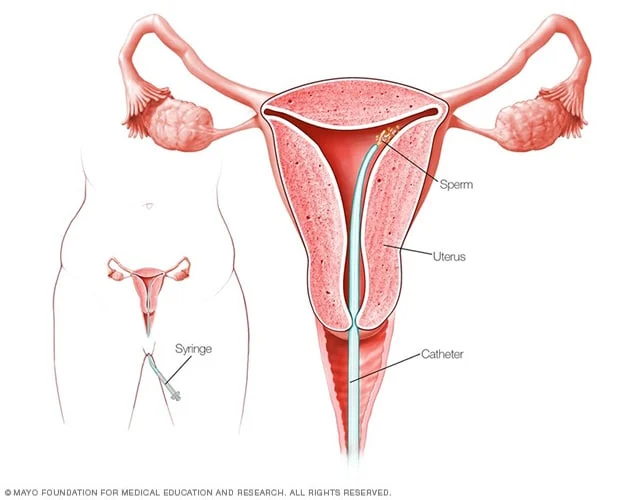
    diagram illustrating intrauterine insemination (IUI) procedure with uterus, sperm, and catheter labeled

    The Role of Hormones in Fertility: Balancing with Supplements and Medical Treatments

    In addition to supplements, there are also medical treatments available for addressing hormonal imbalances. These include hormone replacement therapy, fertility medications, and assisted reproductive techniques such as in vitro fertilization (IVF). We will explain how these treatments work and who they may be suitable for.

    However, it is important to note that while supplements and medical treatments can be beneficial, they should not be seen as a quick fix for fertility issues. It is essential to consult with a healthcare professional to determine the underlying cause of the hormonal imbalance and to create a personalized treatment plan.

    Finally, we will discuss the importance of monitoring hormone levels throughout the fertility journey. Regular blood tests can help track the effectiveness of supplements and medical treatments and allow for adjustments to be made if necessary.

    In conclusion, hormones play a significant role in fertility, and maintaining a balance is crucial for conception. Supplements and medical treatments can be helpful in balancing hormones, but it is essential to consult with a healthcare professional and make lifestyle changes for long-term success.

  • The Mind-Body Connection: How Fertility Supplements and Medical Treatments Can Help

    The Mind-Body Connection: How Fertility Supplements and Medical Treatments Can Help

    Infertility is a common struggle faced by many couples around the world. It can be a challenging and emotionally draining journey, as the desire to start a family is often a deeply personal and important one. While there are many factors that can contribute to infertility, such as genetics, age, and health conditions, there is a growing understanding of the mind-body connection and its impact on fertility. In recent years, there has been a surge in interest and research on the use of fertility supplements and medical treatments to improve fertility and increase the chances of conception. In this blog post, we will explore the mind-body connection and how fertility supplements and medical treatments can help with infertility.

    Understanding the Mind-Body Connection

    The mind-body connection refers to the way our thoughts, emotions, and beliefs can influence our physical health and well-being. It is a two-way street, with our mental and emotional states impacting our physical health, and our physical health affecting our mental and emotional states. This connection has been recognized and studied for centuries, and it is now widely accepted that our mental and emotional well-being can have a significant impact on our overall health and fertility.

    Stress and Infertility

    One of the most common ways in which the mind-body connection affects fertility is through stress. When we are stressed, our body produces higher levels of cortisol, a hormone that can interfere with the production of other hormones necessary for reproduction. Chronic stress can also disrupt the menstrual cycle and decrease sperm production, making it more difficult to conceive. Additionally, stress can take a toll on our emotional well-being, leading to anxiety and depression, which can further impact fertility.

    Fertility Supplements and Their Role in Promoting Fertility

    Fertility supplements are natural remedies that are believed to improve fertility and increase the chances of conception. They usually contain a combination of vitamins, minerals, and herbs that have been traditionally used to enhance fertility. While more research is needed to fully understand the effectiveness of these supplements, many people have reported positive results when using them alongside other fertility treatments.

    Vitamins and Minerals for Fertility

    Certain vitamins and minerals have been found to have a direct impact on fertility. For example, studies have shown that women with low levels of folic acid and vitamin B12 have a higher risk of ovulatory infertility. Additionally, vitamin D deficiency has been linked to decreased fertility in both men and women. Therefore, taking supplements that contain these essential vitamins and minerals can help improve fertility and increase the chances of conception.

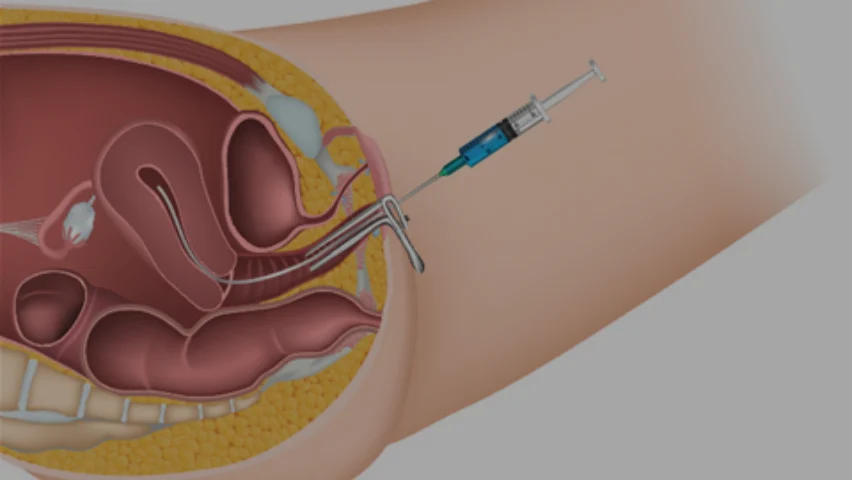
    illustration of intrauterine insemination procedure with a syringe and catheter in the uterus.

    The Mind-Body Connection: How Fertility Supplements and Medical Treatments Can Help

    Herbs for Fertility

    There are also several herbs that have been used for centuries to enhance fertility. For instance, maca root has been traditionally used to regulate hormones and improve fertility in both men and women. Similarly, chasteberry, also known as Vitex, has been found to increase progesterone levels and improve ovulation in women with irregular menstrual cycles. However, it is important to consult with a healthcare professional before taking any herbal supplements, as they may interact with other medications or have side effects.

    Medical Treatments for Infertility

    In addition to fertility supplements, there are also various medical treatments available for infertility. These treatments can range from simple procedures to more complex and invasive ones, depending on the cause of infertility. Some common medical treatments for infertility include:

    1. Medications: Fertility drugs can be used to stimulate ovulation and increase the chances of conception.

    2. Intrauterine Insemination (IUI): This procedure involves placing sperm directly into the uterus, bypassing the cervix, and increasing the chances of fertilization.

    3. In Vitro Fertilization (IVF): IVF is a more complex procedure that involves fertilizing an egg with sperm in a lab and then transferring the embryo into the uterus.

    4. Surgery: In some cases, surgery may be necessary to correct structural issues that are causing infertility, such as blocked fallopian tubes or fibroids.

    The Role of Mind-Body Therapies in Fertility

    In addition to fertility supplements and medical treatments, there is also a growing interest in mind-body therapies as a way to improve fertility. These therapies, such as yoga, meditation, and acupuncture, focus on reducing stress and promoting relaxation, which can have a positive impact on fertility. They can also help individuals and couples cope with the emotional toll of infertility and provide a sense of control and empowerment in their journey towards conception.

    In conclusion, the mind-body connection plays a crucial role in fertility, and taking care of our mental and emotional well-being is just as important as taking care of our physical health. Fertility supplements, medical treatments, and mind-body therapies can all work together to improve fertility and increase the chances of conception. It is essential to consult with a healthcare professional before starting any new supplements or treatments, and to take care of our mental and emotional well-being throughout the journey of trying to conceive.

  • Breaking Down the Ingredients: What Makes Fertility Supplements and Medical Treatments Work?

    Breaking Down the Ingredients: What Makes Fertility Supplements and Medical Treatments Work?

    Fertility is a complex and deeply personal issue that affects millions of people around the world. For those struggling to conceive, the desire to find a solution is often all-consuming. While there are many different factors that can impact fertility, such as age and underlying health conditions, there are also various treatments and supplements that claim to improve fertility and increase the chances of conception. But what exactly makes these supplements and treatments work? In this blog post, we will dive into the ingredients and mechanisms behind fertility supplements and medical treatments to understand how they can potentially improve fertility.

    Understanding Fertility and Infertility

    Before we delve into the ingredients behind fertility supplements and treatments, it is important to have a basic understanding of fertility and infertility. Fertility is the ability to conceive a child, while infertility is the inability to conceive after trying for a year or more. There are various factors that can impact fertility, including hormonal imbalances, age, lifestyle choices, and underlying health conditions such as PCOS or endometriosis.

    Fertility Supplements: What Are They and How Do They Work?

    Fertility supplements are dietary supplements that contain a combination of vitamins, minerals, and herbs that claim to improve fertility. These supplements are not regulated by the FDA and are considered alternative or complementary treatments. The ingredients in these supplements are chosen for their potential ability to improve reproductive health and increase the chances of conception.

    Common Ingredients in Fertility Supplements

    1. Folate: Folate, also known as folic acid, is a B vitamin that is essential for proper cell growth and development. It has been linked to a lower risk of birth defects and is often recommended for women who are trying to conceive.

    2. Zinc: Zinc is a mineral that plays a crucial role in reproductive health. It is involved in the production of hormones, DNA synthesis, and egg maturation. Studies have shown that zinc deficiency can lead to infertility in both men and women.

    3. Coenzyme Q10 (CoQ10): CoQ10 is an antioxidant that is naturally produced in the body. It is involved in energy production and has been linked to improved egg quality and sperm motility.

    4. Vitamins C and E: These vitamins are powerful antioxidants that can help protect reproductive cells from damage caused by free radicals. They have also been linked to improved sperm quality and motility.

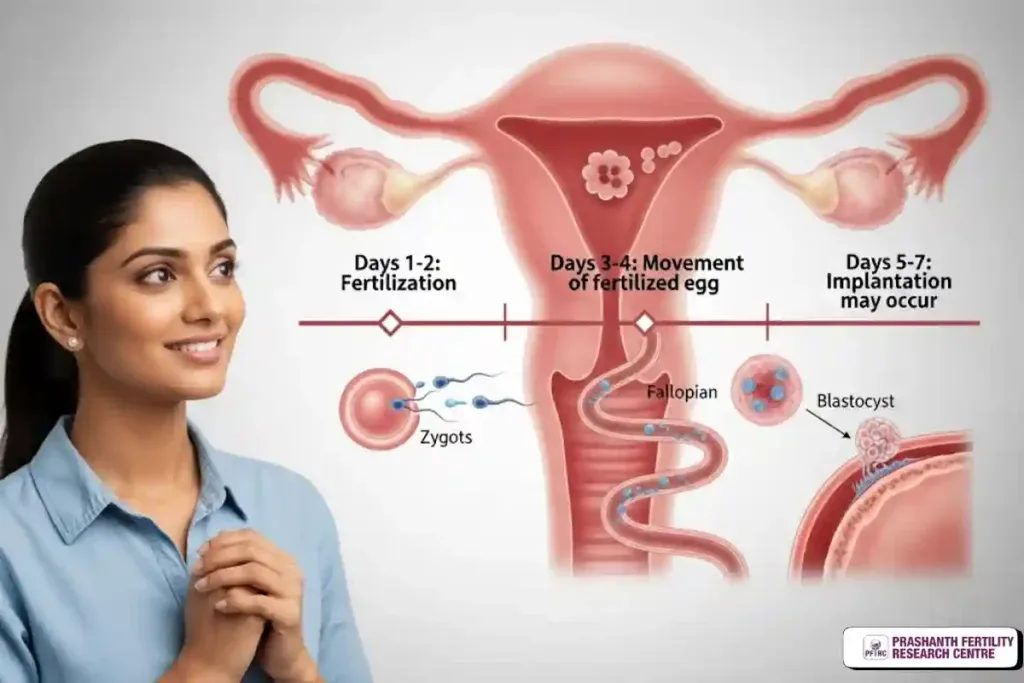
    Illustration showing fertilization and implantation timeline with a woman looking hopeful.

    Breaking Down the Ingredients: What Makes Fertility Supplements and Medical Treatments Work?

    5. Vitex (Chasteberry): Vitex is an herb that has been used for centuries to treat menstrual cycle irregularities and hormonal imbalances. It is believed to work by regulating the production of hormones that are essential for ovulation.

    How Do These Ingredients Work Together?

    Fertility supplements often contain a combination of these and other ingredients that work together to improve reproductive health. For example, folate and zinc may work together to support healthy egg development, while CoQ10 and antioxidants can help protect reproductive cells from damage. The combination of these ingredients may help improve overall reproductive function and increase the chances of conception.

    Medical Treatments for Fertility: How Do They Work?

    In addition to supplements, there are also various medical treatments available for those struggling with infertility. These treatments often target specific underlying issues that may be causing infertility, such as hormonal imbalances, ovulation disorders, or structural issues in the reproductive system.

    1. Hormone Therapy: Hormone therapy involves taking medications to regulate hormone levels and stimulate ovulation. This can be beneficial for women who have irregular periods or ovulation disorders.

    2. Intrauterine Insemination (IUI): IUI is a procedure in which sperm is inserted directly into the uterus during ovulation. This can increase the chances of fertilization and is often used in combination with fertility drugs.

    3. In Vitro Fertilization (IVF): IVF is a procedure in which eggs are retrieved from the ovaries and fertilized with sperm in a laboratory. The fertilized eggs are then transferred into the uterus, increasing the chances of conception.

    4. Surgery: Surgery may be recommended for structural issues in the reproductive system, such as blocked fallopian tubes or uterine fibroids. Correcting these issues can improve fertility and increase the chances of conception.

    Do These Treatments Really Work?

    The effectiveness of fertility supplements and medical treatments varies from person to person. While some may find success with these treatments, others may not experience any improvement in their fertility. It is important to consult with a healthcare professional before starting any new supplement or treatment to ensure it is safe and appropriate for your specific situation.

    In summary, fertility supplements and medical treatments work by addressing underlying issues that may impact fertility, such as hormonal imbalances or structural issues in the reproductive system. The ingredients in these supplements are chosen for their potential to improve reproductive health, while medical treatments target specific issues and aim to increase the chances of conception. While there is no guarantee that these treatments will work, they have helped many people struggling with infertility to conceive.

  • Exploring the Effectiveness of Fertility Supplements and Medical Treatments

    Exploring the Effectiveness of Fertility Supplements and Medical Treatments

    Infertility is a complex issue that affects millions of couples around the world. It is defined as the inability to conceive a child after one year of unprotected intercourse, and it can be caused by a variety of factors such as hormonal imbalances, structural issues, or underlying medical conditions. In recent years, there has been a growing interest in using fertility supplements and medical treatments to improve fertility and increase the chances of conception. But how effective are these methods? In this blog post, we will explore the effectiveness of fertility supplements and medical treatments and discuss the potential benefits and risks associated with them.

    Fertility Supplements

    Fertility supplements, also known as fertility vitamins or fertility boosters, are dietary supplements that contain vitamins, minerals, and herbal ingredients that are believed to improve fertility. These supplements are marketed to both men and women and claim to enhance reproductive health, regulate menstrual cycles, and increase sperm count and motility.

    One of the most commonly used fertility supplements is folic acid, which is recommended for women trying to conceive as it helps prevent birth defects in the baby’s brain and spine. Other popular supplements include vitamin D, omega-3 fatty acids, and coenzyme Q10. However, the effectiveness of these supplements in improving fertility is still a topic of debate.

    According to a study published in the Journal of Alternative and Complementary Medicine, there is limited evidence to support the use of fertility supplements. The study analyzed 15 popular fertility supplements and found that only two of them had evidence-based research to support their claims. The rest either had conflicting or no evidence to suggest their effectiveness. This highlights the need for more research to determine the true effectiveness of these supplements.

    Medical Treatments for Fertility

    When it comes to medical treatments for fertility, there are various options available depending on the underlying cause of infertility. These treatments can range from medications to surgery and assisted reproductive technologies such as in vitro fertilization (IVF). Let’s take a closer look at some of these treatments and their effectiveness.

    1. Medications

    Medications are often the first line of treatment for infertility. They can be used to stimulate ovulation in women or treat hormonal imbalances that may affect fertility. Clomiphene citrate, commonly known as Clomid, is a medication frequently used to stimulate ovulation. It works by increasing the levels of follicle-stimulating hormone (FSH) and luteinizing hormone (LH) in the body, which helps trigger the release of eggs from the ovaries.

    However, the success rates of Clomid vary depending on the cause of infertility. In women with polycystic ovary syndrome (PCOS), Clomid has a success rate of about 80%, while in women with unexplained infertility, the success rate drops to about 30%. It is essential to consult with a fertility specialist to determine if Clomid is the right treatment option for you.

    Comparison of IUI and IVF, illustrating procedures and definitions for each fertility treatment.

    Exploring the Effectiveness of Fertility Supplements and Medical Treatments

    2. Surgery

    Surgery may be recommended in cases where structural issues, such as blocked fallopian tubes or endometriosis, are causing infertility. In these cases, surgery can help remove blockages or correct abnormalities in the reproductive organs, which can improve the chances of conception.

    The success rates of surgical procedures for infertility vary depending on the specific procedure and the individual’s condition. For example, the success rate of repairing a blocked fallopian tube is about 50%, while the success rate for removing endometriosis is about 70%.

    3. Assisted Reproductive Technologies (ART)

    Assisted reproductive technologies, such as IVF, involve retrieving eggs from a woman’s ovaries and fertilizing them with sperm in a laboratory. The fertilized eggs are then transferred back into the woman’s uterus in the hopes of a successful pregnancy.

    In vitro fertilization has a success rate of about 30% for women under the age of 35 and decreases with age. However, the success rate can vary depending on factors such as the woman’s age, the cause of infertility, and the quality of the eggs and sperm.

    Risks and Considerations

    While fertility supplements and medical treatments may offer hope for couples struggling with infertility, it is crucial to understand the potential risks and considerations associated with them. Some fertility supplements may interact with prescription medications or have adverse side effects, so it is vital to consult with a healthcare professional before starting any new supplements.

    Medical treatments for fertility, such as IVF, can also be physically, emotionally, and financially demanding. These treatments can also have potential risks and complications, such as multiple pregnancies, ovarian hyperstimulation syndrome, and birth defects. It is essential to discuss these risks with your doctor and carefully weigh your options before deciding on a treatment plan.

    In conclusion, while fertility supplements and medical treatments may offer potential benefits for couples struggling with infertility, it is essential to approach them with caution and consult with a healthcare professional. More research is needed to determine the true effectiveness of fertility supplements, and the success rates of medical treatments can vary depending on individual factors. It is crucial to have a thorough understanding of the potential benefits and risks associated with these methods to make informed decisions about your fertility journey.

    Summary:

    Infertility affects millions of couples worldwide, and there has been a growing interest in using fertility supplements and medical treatments to improve fertility. Fertility supplements are dietary supplements that claim to enhance reproductive health, but there is limited evidence to support their effectiveness. Medical treatments for fertility, such as medications, surgery, and assisted reproductive technologies, can vary in success rates depending on the individual’s condition. It is essential to consider the potential risks and consult with a healthcare professional before starting any new supplements or treatments.

  • Hormone Injections and Natural Fertility Boosters: Finding the Balance

    Blog Post:

    Hormone injections and natural fertility boosters are two popular methods used by individuals looking to enhance their chances of conceiving and starting a family. While hormone injections may provide a quick fix for fertility issues, they come with potential side effects and risks. On the other hand, natural fertility boosters offer a more holistic approach, but may take longer to show results. In this blog post, we will explore the pros and cons of hormone injections and natural fertility boosters, and how to find a balance between the two for optimal fertility.

    Hormone Injections: The Quick Fix

    Hormone injections are a common form of fertility treatment, often used to stimulate ovulation in women who have irregular or absent periods. These injections work by introducing synthetic hormones, such as follicle-stimulating hormone (FSH) and luteinizing hormone (LH), into the body to regulate the menstrual cycle and stimulate the growth of follicles in the ovaries. This can increase the chances of ovulation and therefore, pregnancy.

    While hormone injections may seem like a quick and effective solution for fertility issues, they come with potential risks and side effects. Some common side effects of hormone injections include bloating, abdominal pain, and mood swings. In rare cases, they can also lead to more serious complications such as ovarian hyperstimulation syndrome (OHSS) and multiple pregnancies. Additionally, hormone injections can be quite expensive and may not be covered by insurance, making it an inaccessible option for some individuals.

    Natural Fertility Boosters: A Holistic Approach

    Natural fertility boosters, also known as natural remedies, are a popular alternative to hormone injections for those looking to enhance their fertility. These methods rely on natural substances and lifestyle changes to improve fertility, rather than synthetic hormones. Some common natural fertility boosters include herbal supplements, acupuncture, and dietary changes.

    One of the main advantages of natural fertility boosters is that they have little to no side effects. However, they may take longer to show results compared to hormone injections. It is important to note that natural remedies may not work for everyone, and it is crucial to consult with a healthcare professional before trying any alternative methods.

    Illustration of intrauterine insemination (IUI) procedure with syringe and catheter in the uterus.

    Hormone Injections and Natural Fertility Boosters: Finding the Balance

    Finding the Balance: Combining Hormone Injections and Natural Fertility Boosters

    While hormone injections and natural fertility boosters may seem like opposite approaches, they can actually complement each other when used together. For individuals with severe fertility issues, hormone injections may be necessary to regulate the menstrual cycle and stimulate ovulation. However, for those with milder fertility issues, natural fertility boosters can be used as a supportive method to improve overall fertility and increase the chances of successful pregnancy.

    Some studies have shown that combining hormone injections with natural fertility boosters can result in higher pregnancy rates compared to using hormone injections alone. This is because natural fertility boosters can help to improve the quality of the eggs and sperm, making the body more receptive to the effects of hormone injections.

    It is important to note that every individual’s fertility journey is unique, and what works for one person may not work for another. Therefore, it is crucial to consult with a healthcare professional to determine the best course of action for your specific situation. They can help you find the right balance between hormone injections and natural fertility boosters, taking into account your medical history, lifestyle, and preferences.

    Other Ways to Boost Fertility Naturally

    In addition to natural fertility boosters, there are several other lifestyle changes that can help to improve fertility naturally. These include maintaining a healthy weight, reducing stress levels, quitting smoking, and limiting alcohol intake. These factors can have a significant impact on fertility and should not be overlooked when trying to conceive.

    Additionally, certain nutrients and vitamins have been linked to improved fertility. These include folic acid, vitamin D, and zinc. It is recommended to incorporate these into your diet or take supplements to ensure your body is getting the necessary nutrients for optimal fertility.

    Summary:

    Hormone injections and natural fertility boosters are two methods used to enhance fertility. Hormone injections provide a quick fix but come with potential side effects and risks, while natural fertility boosters offer a more holistic approach but may take longer to show results. Combining the two can result in higher pregnancy rates for those with mild fertility issues. However, it is important to consult with a healthcare professional to find the right balance between the two. Other lifestyle changes, such as maintaining a healthy weight and taking certain vitamins, can also help to boost fertility naturally.