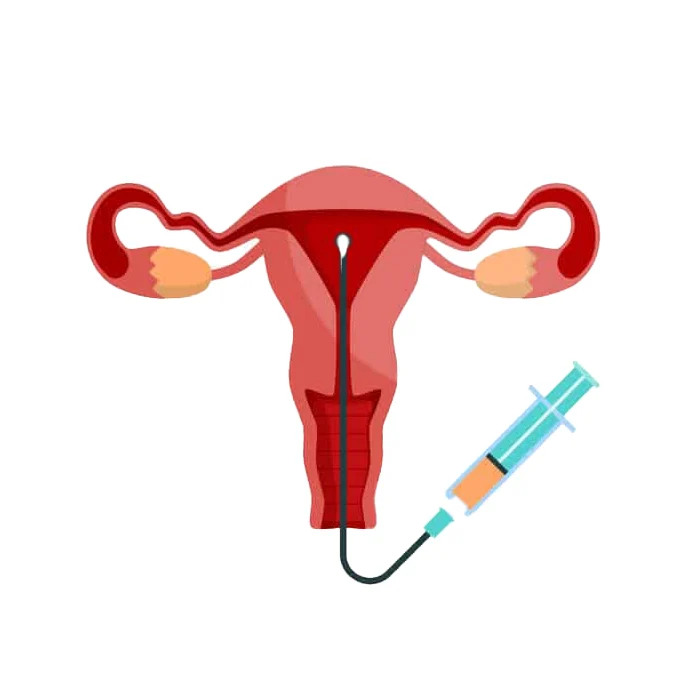
Tag: Hormonal Imbalances

  • The Impact of Underlying Health Conditions on At-Home Insemination Success Rates

    Blog Post:

    In recent years, at-home insemination has become a popular option for couples and individuals trying to conceive. This method involves using a syringe or cervical cap to transfer sperm into the vagina, eliminating the need for medical intervention. While the success rates for at-home insemination are generally good, there are certain factors that can affect its effectiveness. One of the most significant factors is underlying health conditions. In this blog post, we will explore the impact of underlying health conditions on at-home insemination success rates.

    Understanding At-Home Insemination and its Success Rates

    Before delving into the impact of underlying health conditions, it is essential to have a basic understanding of at-home insemination and its success rates. At-home insemination involves manually inserting sperm into the vagina, usually using a sterile syringe or cervical cap. This method is often used by same-sex couples, single individuals, or couples with male fertility issues. The success rates of at-home insemination can vary, but it is generally estimated to have a success rate of 10-15% per cycle.

    Factors Affecting At-Home Insemination Success Rates

    There are several factors that can affect the success rates of at-home insemination. These include the timing and frequency of insemination, the quality of sperm, ovulation timing, and underlying health conditions. While some of these factors can be managed, underlying health conditions can significantly impact the success of at-home insemination.

    Impact of Underlying Health Conditions on At-Home Insemination Success Rates

    1. Hormonal Imbalances

    Hormonal imbalances can significantly affect the success rates of at-home insemination. Hormones play a vital role in regulating ovulation, and any imbalances can disrupt the ovulation cycle. For example, conditions such as polycystic ovary syndrome (PCOS) can cause irregular ovulation, making it challenging to time insemination correctly. This can decrease the chances of success and may require medical intervention to regulate ovulation.

    2. Endometriosis

    Endometriosis is a condition where tissue similar to the lining of the uterus grows outside of the uterus. This can cause pain, discomfort, and infertility. In cases of severe endometriosis, the adhesions can block sperm from reaching the egg, making it difficult for at-home insemination to be successful. In such cases, medical intervention may be necessary to remove the adhesions and improve the chances of conceiving.

    3. Uterine Abnormalities

    Uterine abnormalities, such as fibroids or polyps, can also affect the success rates of at-home insemination. These growths can interfere with the implantation of a fertilized egg or block the sperm from reaching the egg. Depending on the severity and location of the abnormality, medical procedures may be needed to correct the issue and improve the chances of conceiving.

    4. Cervical Issues

    Cervical issues, such as an incompetent cervix or cervical stenosis, can also impact the success rates of at-home insemination. An incompetent cervix is when the cervix opens too early during pregnancy, leading to a miscarriage. Cervical stenosis, on the other hand, is a condition where the cervix becomes narrow, making it difficult for sperm to pass through. These issues may require medical intervention and monitoring to ensure successful pregnancy.
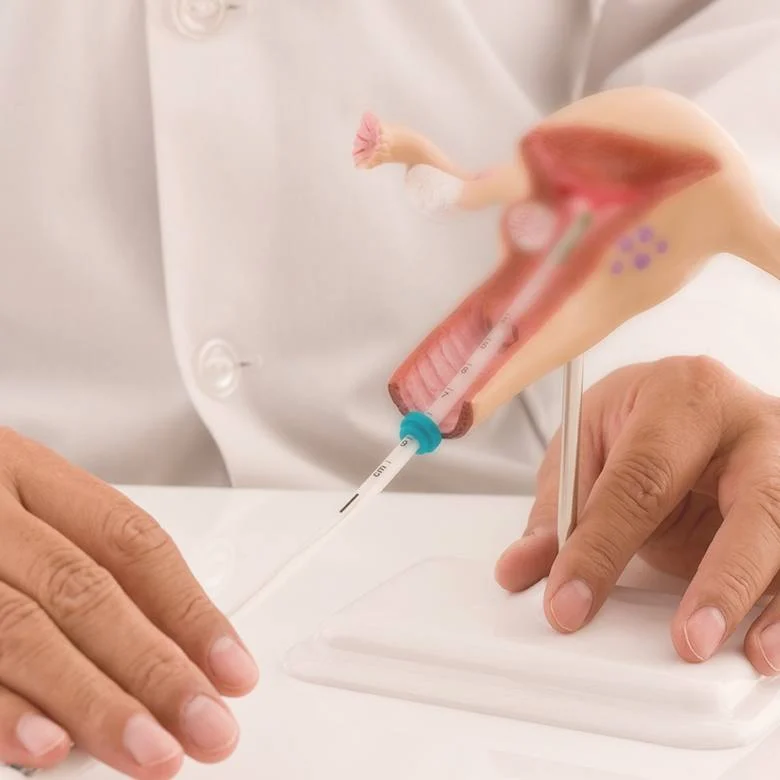
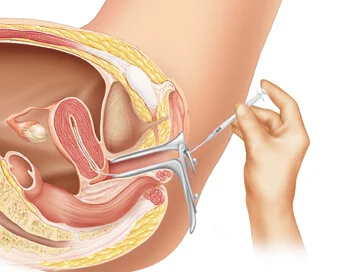
    model of the female reproductive system with a hand demonstrating intrauterine insemination technique

    The Impact of Underlying Health Conditions on At-Home Insemination Success Rates

    5. Chronic Health Conditions

    Chronic health conditions, such as diabetes, thyroid disorders, or autoimmune diseases, can also affect the success rates of at-home insemination. These conditions can cause hormonal imbalances, affect ovulation, or impact the quality of sperm. In such cases, it is essential to work closely with a healthcare provider to manage the condition and improve the chances of success.

    Managing Underlying Health Conditions for Successful At-Home Insemination

    While underlying health conditions can impact the success rates of at-home insemination, it is not impossible to conceive. With proper management, many individuals and couples have successfully conceived through at-home insemination despite underlying health conditions. Here are some tips for managing underlying health conditions for successful at-home insemination:

    1. Seek Medical Advice

    Before attempting at-home insemination, it is essential to consult with a healthcare provider. They can help identify any underlying health conditions that may affect the success of at-home insemination and provide possible solutions.

    2. Monitor Ovulation Closely

    For individuals with hormonal imbalances or conditions such as PCOS, it is crucial to monitor ovulation closely. This can help determine the best time for insemination and increase the chances of success.

    3. Consider Alternative Insemination Methods

    In some cases, at-home insemination may not be the most suitable option. In such cases, alternative insemination methods such as intrauterine insemination (IUI) or in vitro fertilization (IVF) may be recommended by a healthcare provider.

    4. Make Lifestyle Changes

    Certain lifestyle factors, such as smoking, excessive alcohol consumption, and a poor diet, can affect fertility and the success rates of at-home insemination. Making healthy lifestyle choices can improve overall health and increase the chances of conceiving.

    In conclusion, while at-home insemination can be a viable option for many individuals and couples, underlying health conditions can significantly impact its success rates. It is crucial to seek medical advice, monitor ovulation closely, and make necessary lifestyle changes to improve the chances of success. With proper management and support, at-home insemination can be a successful and fulfilling way to start a family.

    Summary:

    At-home insemination is a popular method for individuals and couples trying to conceive. However, the success rates of this method can be affected by various factors, including underlying health conditions. Hormonal imbalances, endometriosis, uterine abnormalities, cervical issues, and chronic health conditions can all impact the success rates of at-home insemination. To increase the chances of success, it is essential to seek medical advice, monitor ovulation closely, consider alternative insemination methods, and make healthy lifestyle choices.
  • The Power of Herbal Remedies: Exploring Fertility Supplements

    The Power of Herbal Remedies: Exploring Fertility Supplements

    In recent years, there has been a growing interest in alternative medicine and natural remedies for various health issues. One area that has gained particular attention is fertility and the use of herbal supplements to enhance reproductive health. With more and more couples struggling with infertility, the search for effective and safe solutions has led many to explore the power of herbal remedies. In this blog post, we will delve into the world of fertility supplements, their potential benefits, and some of the most commonly used herbs for fertility.

    Understanding Fertility and Herbal Supplements

    Before we dive into the specifics of herbal remedies for fertility, it is important to understand what fertility is and how it can be affected. Fertility refers to a person’s ability to conceive and carry a pregnancy to term. Both men and women can experience fertility issues, which can be caused by various factors such as hormonal imbalances, structural problems, or underlying medical conditions. While conventional fertility treatments such as assisted reproductive technology (ART) can be effective, they can also be costly and invasive. This is where herbal remedies come in as a more natural and often more affordable option.

    The Potential Benefits of Herbal Supplements for Fertility

    Herbal supplements have been used for centuries in traditional medicine to treat various ailments, and fertility is no exception. There is growing evidence that certain herbs can help improve fertility in both men and women. One of the main benefits of herbal supplements is their ability to regulate hormones, which is crucial for reproductive health. Hormonal imbalances can disrupt ovulation, sperm production, and the overall menstrual cycle, making it difficult to conceive. By addressing these imbalances, herbal supplements can improve fertility and increase the chances of a successful pregnancy.

    The Most Commonly Used Herbs for Fertility

    Here are some of the most commonly used herbs for fertility:

    1. Chaste Tree Berry: Also known as Vitex, this herb has been used for centuries to treat menstrual irregularities and hormonal imbalances. It is particularly useful for women with polycystic ovary syndrome (PCOS) as it can help regulate ovulation and improve fertility.

    2. Maca Root: This root vegetable, native to Peru, has been used as a fertility booster for both men and women. It is believed to help balance hormones, improve sperm quality, and increase libido.

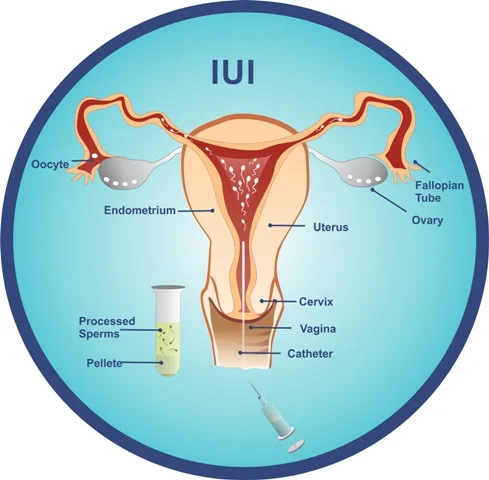
    Illustration of IUI procedure with uterus and syringe against a DNA background.

    The Power of Herbal Remedies: Exploring Fertility Supplements

    3. Red Raspberry Leaf: This herb is known for its rich nutrient content, including iron, calcium, and vitamins B and C. It is believed to tone the uterus, making it more receptive to implantation, and can also help regulate menstrual cycles.

    4. Tribulus: This herb has been used in Ayurvedic medicine for its aphrodisiac properties and is believed to improve sperm count and motility in men.

    5. Dong Quai: This herb, commonly used in traditional Chinese medicine, is known for its ability to regulate the menstrual cycle and improve blood flow to the reproductive organs.

    It is important to note that while these herbs have been used for centuries and have shown promising results, more research is needed to fully understand their effects on fertility.

    Things to Consider When Using Herbal Supplements for Fertility

    As with any supplement, it is important to consult with a healthcare professional before adding herbal remedies to your fertility regimen. Some herbs may interact with certain medications or have side effects, so it is crucial to discuss your options with a knowledgeable healthcare provider. It is also important to source high-quality herbal supplements from reputable brands to ensure safety and effectiveness.

    In addition, it is essential to maintain a healthy lifestyle while using herbal supplements for fertility. This includes a balanced diet, regular exercise, and managing stress levels. Herbal remedies should be used as a complementary approach to conventional fertility treatments, not as a replacement.

    In conclusion, herbal supplements have the potential to be a powerful tool in enhancing fertility. With their ability to regulate hormones, improve reproductive health, and address underlying issues, herbs can offer a natural and holistic approach to improving fertility. However, it is crucial to do thorough research and consult with a healthcare professional before adding any supplements to your fertility regimen. With the right combination of herbs and a healthy lifestyle, you may just find the key to unlocking your fertility journey.

    Summary:

    The use of herbal supplements for fertility has gained popularity in recent years as an alternative to conventional treatments. These supplements have the potential to regulate hormones, improve reproductive health, and increase the chances of a successful pregnancy. Some of the most commonly used herbs for fertility include chaste tree berry, maca root, and red raspberry leaf. However, it is important to consult with a healthcare professional and maintain a healthy lifestyle while using herbal remedies for fertility. These supplements should be used as a complementary approach to conventional treatments and not as a replacement.

  • Fertility Massage: A Personalized Approach to Conception

    Blog Post:

    Fertility Massage: A Personalized Approach to Conception

    For many couples, the journey to conception can be a long and challenging one. Despite trying all the conventional methods such as tracking ovulation, undergoing fertility treatments, and making lifestyle changes, many are still unable to achieve their dream of starting a family. This is where fertility massage comes in – a holistic and personalized approach to conception that focuses on the physical, emotional, and spiritual aspects of fertility.

    What is Fertility Massage?

    Fertility massage, also known as abdominal or pelvic massage, is a specialized form of massage therapy that focuses on the reproductive and digestive systems. It involves gentle, non-invasive techniques that help to improve blood flow, stimulate the lymphatic system, and release any blockages or tension in the abdominal and pelvic areas.

    Unlike traditional massage, fertility massage is not a one-size-fits-all approach. Each session is tailored to the individual’s unique needs, taking into account their medical history, emotional state, and personal goals. This personalized approach allows for a deeper connection between the therapist and the client, creating a safe and nurturing space for healing and conception to occur.

    Benefits of Fertility Massage

    There are numerous benefits to fertility massage, both physical and emotional. Some of the most notable include:

    1. Improved Blood Flow: By gently massaging the abdomen and pelvic area, fertility massage helps to improve blood flow to the reproductive organs. This increased blood flow can help to nourish the eggs, uterus, and ovaries, promoting healthy hormone production and ovulation.

    2. Hormonal Balance: Fertility massage can help to balance hormones by reducing cortisol, the stress hormone, and increasing oxytocin, the love and bonding hormone. This hormonal balance can help to regulate menstrual cycles and improve the chances of conception.

    3. Release of Blockages and Adhesions: Scar tissue and blockages in the pelvic and abdominal area can hinder fertility by preventing the eggs from traveling through the fallopian tubes or the sperm from reaching the eggs. Fertility massage can help to release these blockages and adhesions, improving the chances of natural conception.

    diagram of the female reproductive system with an IUI syringe and test tube for artificial insemination

    Fertility Massage: A Personalized Approach to Conception

    4. Relaxation and Stress Relief: Fertility massage is deeply relaxing, and it can help to reduce stress and anxiety levels. By calming the nervous system, fertility massage can help to create a more receptive environment for conception to occur.

    5. Emotional Support: Trying to conceive can be emotionally taxing, and fertility massage offers a safe space for emotional release and support. The therapist works closely with the client to address any underlying emotional issues that may be impacting their fertility.

    Who Can Benefit from Fertility Massage?

    Fertility massage can benefit anyone who is trying to conceive naturally or through assisted reproductive technologies. It can also be helpful for those experiencing hormonal imbalances, irregular menstrual cycles, endometriosis, polycystic ovary syndrome (PCOS), or pelvic pain.

    Additionally, fertility massage can be beneficial for those who have undergone fertility treatments in the past, as it can help to prepare the body for future attempts at conception.

    What to Expect from a Fertility Massage Session

    A fertility massage session typically lasts between 60-90 minutes and is performed on a massage table. The therapist will begin by discussing the client’s medical history and fertility goals before starting the massage.

    The massage itself will include a combination of techniques such as deep tissue massage, myofascial release, acupressure, and reflexology. These techniques are gentle, non-invasive, and specifically designed to support fertility.

    After the massage, the therapist may provide some self-massage techniques for the client to use at home, as well as suggestions for diet, supplements, and lifestyle changes to support fertility.

    In most cases, multiple sessions are recommended to achieve the best results. The number of sessions will vary depending on the individual’s unique needs and goals.

    In Summary

    Fertility massage is a personalized and holistic approach to supporting conception. By focusing on the physical, emotional, and spiritual aspects of fertility, it offers numerous benefits such as improved blood flow, hormonal balance, and stress relief. It can benefit anyone who is trying to conceive naturally or through assisted reproductive technologies and can also be helpful for those with hormonal imbalances or pelvic issues. With its gentle and individualized approach, fertility massage offers a safe and nurturing space for healing and conception to occur.

  • Fertility Massage: A Non-Invasive Approach to Conception

    Blog Post:

    Fertility Massage: A Non-Invasive Approach to Conception

    For many couples struggling with infertility, the journey to conception can be a long and emotional one. Traditional methods such as fertility treatments and medications can be costly and invasive, leaving many couples feeling frustrated and hopeless. However, there is a non-invasive alternative that may offer hope to those trying to conceive – fertility massage.

    Fertility massage is a gentle and holistic approach to enhancing fertility that has been used for centuries in traditional cultures. It involves a combination of techniques such as abdominal massage, reflexology, and acupressure to support reproductive health and increase the chances of conception. In this blog post, we will explore the benefits of fertility massage and how it can be a valuable tool in the journey to parenthood.

    Benefits of Fertility Massage

    1. Improves Blood Flow to the Reproductive Organs

    Fertility massage works by increasing blood flow to the reproductive organs, promoting the delivery of oxygen and nutrients to these areas. This can help to improve the overall health of the reproductive system and increase the chances of conception. The massage also helps to release any tension or blockages that may be hindering the flow of blood to these organs.

    2. Supports Hormonal Balance

    Hormonal imbalances are a common cause of infertility. Fertility massage can help to regulate the production and balance of hormones by stimulating the endocrine glands. This can be especially beneficial for women with conditions such as polycystic ovarian syndrome (PCOS) or irregular menstrual cycles.

    3. Detoxifies the Body

    Toxins in the body can affect reproductive health and may contribute to infertility. Fertility massage helps to stimulate the lymphatic system, which is responsible for removing toxins from the body. By promoting detoxification, fertility massage can improve the overall health of the body and create a more favorable environment for conception.

    4. Reduces Stress and Anxiety

    The journey to conception can be a stressful and emotional one. Stress and anxiety can have a negative impact on reproductive health and may contribute to fertility issues. Fertility massage can help to reduce stress and promote relaxation by releasing tension in the muscles and calming the mind. This can create a more positive mindset and increase the chances of conception.

    5. Addresses Structural and Postural Issues

    Illustration of IUI procedure with uterus and syringe against a DNA background.

    Fertility Massage: A Non-Invasive Approach to Conception

    In some cases, structural or postural issues may contribute to infertility. Fertility massage can help to address these issues by releasing tension in the muscles and realigning the body. This can improve the functioning of the reproductive organs and create a more optimal environment for conception.

    Techniques Used in Fertility Massage

    1. Abdominal Massage

    Abdominal massage is the cornerstone of fertility massage. It involves gentle and rhythmic massage techniques on the abdomen, focusing on the reproductive organs. This helps to improve blood flow, release tension and promote detoxification in this area.

    2. Reflexology

    Reflexology is a technique that involves applying pressure to specific points on the feet, hands, and ears. These points correspond to different areas of the body, including the reproductive organs. By stimulating these points, reflexology can help to improve the functioning of the reproductive system and enhance the chances of conception.

    3. Acupressure

    Acupressure is a technique that involves applying pressure to specific points on the body that correspond to meridians or energy channels. By stimulating these points, acupressure can help to regulate the flow of energy in the body and promote balance. This can be especially beneficial for those struggling with hormonal imbalances.

    4. Pelvic Floor Massage

    Pelvic floor massage involves gentle and specific massage techniques on the pelvic floor muscles. This can help to release tension in this area, which can be beneficial for those with pelvic pain or discomfort. Pelvic floor massage can also help to improve blood flow to the reproductive organs and promote relaxation in the pelvic area.

    In Conclusion

    Fertility massage is a safe, non-invasive, and effective approach to enhancing fertility. It can help to improve blood flow, balance hormones, detoxify the body, reduce stress and anxiety, and address structural issues. By combining various massage techniques, fertility massage can create a more optimal environment for conception and support overall reproductive health.

    If you are struggling with fertility issues, consider incorporating fertility massage into your treatment plan. It can be done in the comfort of your own home or with the help of a certified fertility massage therapist. With its many benefits and gentle approach, fertility massage may be the missing piece in your journey to parenthood.

    SEO Metadata:

  • The Link Between Sperm Analysis, Semen Analysis, and Male Sexual Dysfunction

    The Link Between Sperm Analysis, Semen Analysis, and Male Sexual Dysfunction

    Sperm analysis and semen analysis are two medical tests that are often used to evaluate male fertility. While they may sound similar, they actually measure different aspects of male reproductive health. However, there is a growing body of research that suggests a link between these tests and male sexual dysfunction. In this blog post, we will explore the connection between sperm analysis, semen analysis, and male sexual dysfunction.

    What is Sperm Analysis?

    Sperm analysis, also known as a semen analysis, is a test that measures the quantity and quality of sperm in a man’s semen. This test is typically performed if a couple is having trouble conceiving or if a man is experiencing symptoms of low sperm count or poor sperm quality. During a sperm analysis, a sample of semen is collected and analyzed in a laboratory. The results of this test can provide valuable information about a man’s fertility and reproductive health.

    What is Semen Analysis?

    Semen analysis, on the other hand, is a broader test that evaluates the overall composition and health of semen. In addition to measuring sperm count and quality, semen analysis also looks at the volume, pH level, and presence of other substances such as white blood cells and fructose. This test is often used to diagnose conditions such as infections, hormonal imbalances, and ejaculatory duct obstruction.

    The Connection Between Sperm Analysis, Semen Analysis, and Male Sexual Dysfunction

    While sperm analysis and semen analysis are primarily used to assess male fertility, there is a growing body of evidence that suggests a link between these tests and male sexual dysfunction. Sexual dysfunction refers to a range of issues that can affect a man’s ability to have and enjoy sex. This includes conditions such as erectile dysfunction, premature ejaculation, and low libido.

    One study published in the Journal of Sexual Medicine found that men with abnormal sperm parameters were five times more likely to experience sexual dysfunction compared to men with normal sperm parameters. Another study found that men with ejaculatory dysfunction had significantly lower sperm motility and a higher percentage of abnormal sperm compared to men without this condition.

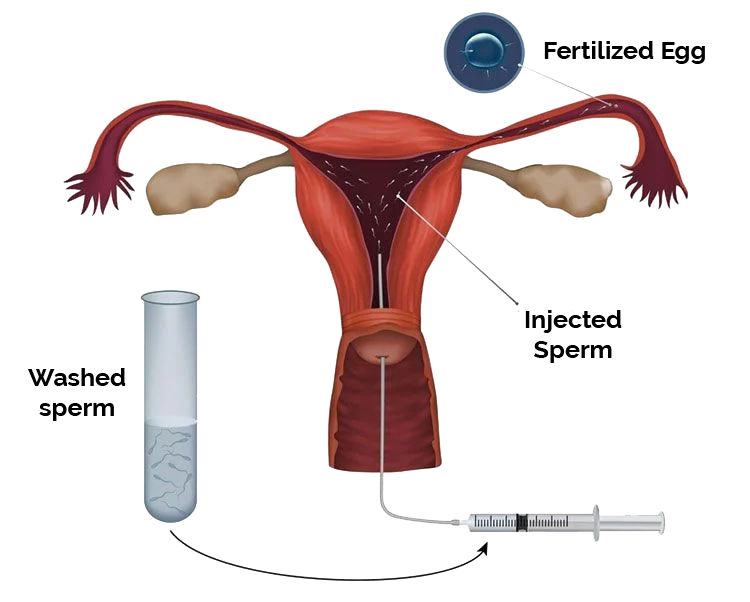
    diagram illustrating intrauterine insemination (IUI) with labeled reproductive anatomy and procedures

    The Link Between Sperm Analysis, Semen Analysis, and Male Sexual Dysfunction

    A possible explanation for this link is the role of hormones in both fertility and sexual function. Testosterone, the primary male sex hormone, plays a crucial role in sperm production and sexual desire. An imbalance in testosterone levels can lead to both fertility issues and sexual dysfunction. Additionally, conditions such as inflammation of the prostate or testicles, which can affect sperm production, have also been linked to sexual dysfunction.

    It is also important to note that sexual dysfunction can have a psychological component. Men who are experiencing fertility issues may feel anxious or stressed about their ability to father a child, which can impact their sexual performance and desire.

    Treatment Options

    If a man is experiencing both fertility issues and sexual dysfunction, it is essential to consult with a healthcare professional to determine the underlying cause. Depending on the diagnosis, treatment options may include lifestyle changes, medication, or therapy.

    For example, if hormonal imbalances are the cause, hormone replacement therapy may be prescribed. If inflammation is the issue, antibiotics or anti-inflammatory medications may be recommended. In cases where psychological factors are involved, therapy or counseling may be helpful.

    In some cases, addressing fertility issues may also improve sexual function. For example, if a man is experiencing erectile dysfunction due to low sperm count, treatments such as intrauterine insemination or in vitro fertilization may increase the chances of conception and alleviate stress and anxiety.

    In conclusion, while sperm analysis and semen analysis are primarily used to evaluate male fertility, there is a growing body of evidence that suggests a link between these tests and male sexual dysfunction. Hormonal imbalances, inflammation, and psychological factors can all play a role in both fertility and sexual function. If you are experiencing symptoms of sexual dysfunction, it is essential to consult with a healthcare professional to determine the underlying cause and develop an appropriate treatment plan.

    Summary:

    Sperm analysis and semen analysis are two medical tests used to evaluate male fertility. However, recent research suggests a link between these tests and male sexual dysfunction. This link may be due to hormonal imbalances, inflammation, or psychological factors. Treatment options may include lifestyle changes, medication, or therapy. It is essential to consult with a healthcare professional for an accurate diagnosis and treatment plan.

  • Fertility Coaching: A Natural Approach to Boosting Fertility

    Blog Post:

    Fertility is a topic that affects many couples and individuals around the world. It is a natural desire for many to want to start a family and have children of their own. However, for some, this can be a difficult and challenging journey. In today’s world, there are many options available for those struggling with fertility, including medical treatments and procedures. However, there is also a natural approach that is gaining popularity and success – fertility coaching.

    Fertility coaching is a holistic and natural approach to boosting fertility. It focuses on addressing the physical, emotional, and mental aspects of fertility, rather than just the physical. The goal of fertility coaching is to help individuals and couples optimize their overall health and well-being to increase their chances of conceiving naturally.

    So, how does fertility coaching work? Let’s dive deeper into this natural approach to boosting fertility.

    Understanding Fertility Coaching

    Fertility coaching is a relatively new concept, but it is quickly gaining traction in the fertility community. The idea behind fertility coaching is to provide individuals and couples with personalized support and guidance in their fertility journey. Fertility coaches work closely with their clients to identify any underlying issues that may be affecting their fertility and create a plan to address them.

    The Role of Nutrition in Fertility Coaching

    One of the key elements of fertility coaching is nutrition. A healthy and balanced diet is crucial for optimal fertility. Fertility coaches work with their clients to identify any nutritional deficiencies or imbalances that may be affecting their fertility. They then create a personalized nutrition plan that includes whole, nutrient-dense foods to support fertility and overall health.

    Stress Management Techniques

    Stress can have a significant impact on fertility. Fertility coaches help their clients identify their stressors and develop effective coping strategies. These may include relaxation techniques like meditation, yoga, or deep breathing exercises. By managing stress levels, individuals and couples can improve their chances of conceiving naturally.

    Comparison of IUI and IVF treatments with diagrams of reproductive anatomy.

    Fertility Coaching: A Natural Approach to Boosting Fertility

    Addressing Hormonal Imbalances

    Hormonal imbalances can be a significant barrier to fertility. Fertility coaches work closely with their clients to identify any hormonal imbalances and address them through natural methods. This may include incorporating specific foods, supplements, and lifestyle changes to support hormonal balance.

    Emotional Support and Mindset Shifts

    Fertility can be an emotional rollercoaster for many individuals and couples. Fertility coaches provide emotional support and guidance to help clients navigate the ups and downs of their journey. They also focus on mindset shifts, helping clients cultivate a positive and hopeful mindset to increase their chances of success.

    The Benefits of Fertility Coaching

    Fertility coaching offers a range of benefits for those struggling with fertility. Firstly, it provides personalized support and guidance tailored to each individual’s needs. This holistic approach addresses all aspects of fertility, promoting overall health and well-being. Fertility coaching also empowers individuals and couples to take an active role in their fertility journey and make informed decisions about their health.

    Additionally, fertility coaching is a natural and non-invasive approach to boosting fertility. It focuses on optimizing the body’s natural functions rather than relying on medical interventions. This can be a more affordable option for those who may not have the financial means for costly fertility treatments.

    Fertility Coaching – A Natural Path to Parenthood

    Fertility coaching is a natural and holistic way to boost fertility and increase the chances of conceiving naturally. By addressing the physical, emotional, and mental aspects of fertility, individuals and couples can optimize their health and well-being to increase their chances of success. With a focus on nutrition, stress management, hormonal balance, and mindset shifts, fertility coaching provides a personalized and natural path to parenthood.

    Summary:

    Fertility coaching is a holistic and natural approach to boosting fertility, focusing on physical, emotional, and mental aspects rather than just the physical. It involves personalized support and guidance, addressing nutrition, stress management, hormonal imbalances, and mindset shifts. Fertility coaching offers a range of benefits, including affordability and empowerment in the fertility journey. It is a natural and non-invasive option for those looking to start a family.

  • The Debate Between Fertility Medications vs Surgery for Polycystic Ovary Syndrome

    The Debate Between Fertility Medications vs Surgery for Polycystic Ovary Syndrome

    Polycystic Ovary Syndrome (PCOS) is a common endocrine disorder that affects women of reproductive age. It is characterized by hormonal imbalances, irregular menstrual cycles, and the presence of multiple cysts on the ovaries. PCOS can also impact fertility and make it difficult for women to get pregnant. As a result, many women with PCOS turn to fertility treatments to help them conceive. However, the debate between fertility medications and surgery for PCOS remains ongoing. In this blog post, we will explore the pros and cons of both options and discuss which may be the best choice for women with PCOS.

    Fertility Medications for PCOS

    Fertility medications are often the first line of treatment for women with PCOS who are struggling to conceive. These medications work by regulating the hormones in the body, which can help to stimulate ovulation and increase the chances of getting pregnant. There are several different types of fertility medications that may be prescribed for PCOS, including:

    1. Clomiphene citrate – This medication works by stimulating the release of follicle-stimulating hormone (FSH) and luteinizing hormone (LH), which are necessary for ovulation to occur.

    2. Metformin – This medication is commonly used to treat insulin resistance, a common symptom of PCOS. By helping to regulate insulin levels, metformin can also improve ovulation and increase the chances of getting pregnant.

    3. Gonadotropins – These are injectable hormones that directly stimulate the ovaries to produce eggs.

    While fertility medications can be effective in helping women with PCOS conceive, they do come with some potential drawbacks. One of the main concerns with fertility medications is the risk of multiple pregnancies. This is because the medications can stimulate the ovaries to release more than one egg, increasing the chances of conceiving twins or triplets. Additionally, fertility medications can also cause side effects such as bloating, hot flashes, and mood swings.

    Surgery for PCOS

    Comparison of IUI and IVF treatments with diagrams of reproductive anatomy.

    The Debate Between Fertility Medications vs Surgery for Polycystic Ovary Syndrome

    In some cases, surgery may be recommended as a treatment option for PCOS. The two main surgical procedures used for PCOS are ovarian drilling and in vitro fertilization (IVF).

    1. Ovarian drilling – This procedure involves using heat or a laser to make small holes in the ovaries. This can help to reduce androgen production and stimulate ovulation.

    2. In vitro fertilization (IVF) – This is a more invasive procedure that involves extracting eggs from the ovaries, fertilizing them with sperm in a lab, and then transferring the embryos back into the uterus.

    Surgery may be considered as an option for women with PCOS who have not had success with fertility medications or for those who are at high risk for complications from fertility medications. However, surgery does come with its own set of risks, including infection, bleeding, and damage to the ovaries.

    The Debate Continues

    The debate between fertility medications and surgery for PCOS is ongoing, and there is no clear answer as to which option is the best. Some experts believe that surgery is a more effective and long-lasting solution, while others argue that fertility medications are a safer and less invasive option. Ultimately, the best treatment option will depend on the individual case and should be decided in consultation with a healthcare provider.

    It is worth noting that both fertility medications and surgery are not a cure for PCOS. They can help with fertility and regulating ovulation, but they do not address the underlying hormonal imbalances that cause PCOS. As such, it is important for women with PCOS to also make lifestyle changes, such as maintaining a healthy weight, eating a balanced diet, and managing stress.

    In conclusion, the debate between fertility medications and surgery for PCOS is complex and there is no one-size-fits-all solution. Each option has its own benefits and risks, and the best course of treatment will vary from person to person. It is important for women with PCOS to work closely with their healthcare providers to determine the best treatment plan for their individual needs.

    Summary:

    Polycystic Ovary Syndrome (PCOS) is a common endocrine disorder that affects women of reproductive age and can impact fertility. The debate between fertility medications and surgery for PCOS remains ongoing. Fertility medications, such as Clomiphene citrate, Metformin, and Gonadotropins, can help regulate hormones and improve ovulation but come with the risk of multiple pregnancies and side effects. Surgery, such as ovarian drilling and IVF, may be considered for those who have not had success with medications or are at high risk but also have their own set of risks. Ultimately, the best treatment option will depend on the individual case and should be decided in consultation with a healthcare provider. It is important for women with PCOS to make lifestyle changes in addition to treatment.

  • A Holistic Approach to Unexplained Infertility

    A Holistic Approach to Unexplained Infertility: Understanding and Treating the Root Cause

    Infertility is a deeply personal and often heartbreaking experience for individuals and couples who are trying to conceive. While there are many known causes of infertility, such as hormonal imbalances, blocked fallopian tubes, or low sperm count, there is a subset of couples who are diagnosed with unexplained infertility. This diagnosis can be frustrating and confusing, as there are no clear reasons or explanations for why a couple is unable to conceive. However, a holistic approach to unexplained infertility may provide a new perspective and potential solutions for those struggling to start a family.

    What is Unexplained Infertility?

    Unexplained infertility is a diagnosis given to couples who have been actively trying to conceive for at least a year, but have no identifiable cause of infertility. This means that both partners have been evaluated and show no signs of any physical or hormonal issues that could impact their ability to conceive. It is estimated that about 10-20% of couples struggling with infertility receive this diagnosis.

    The emotional toll of unexplained infertility can be immense, as couples often feel that they are stuck in a state of limbo with no answers or solutions. Many may also feel a sense of guilt or frustration, wondering if they are doing something wrong or not trying hard enough to get pregnant. However, it is important to understand that unexplained infertility is not a result of any personal shortcomings, and it is a medical diagnosis that requires a comprehensive approach to treat.

    Taking a Holistic Approach to Unexplained Infertility

    A holistic approach to unexplained infertility means looking at the individual as a whole, rather than just focusing on the reproductive system. It recognizes that there are many interconnected factors that can impact fertility, including physical, emotional, and lifestyle factors. By addressing these various aspects, a holistic approach aims to treat the root cause of infertility and increase the chances of conception.

    1. Addressing Stress and Mental Health

    One of the first steps in a holistic approach to unexplained infertility is to address any potential sources of stress and prioritize mental health. Stress can have a significant impact on the body, including the reproductive system. When the body is under chronic stress, it can disrupt the delicate balance of hormones, making it more difficult to conceive.

    Couples struggling with infertility may also experience a range of emotions, including anxiety, depression, and grief. These emotions can also take a toll on mental health and may even contribute to physical symptoms. Seeking support from a therapist or joining a support group can be beneficial in managing stress and improving overall well-being.

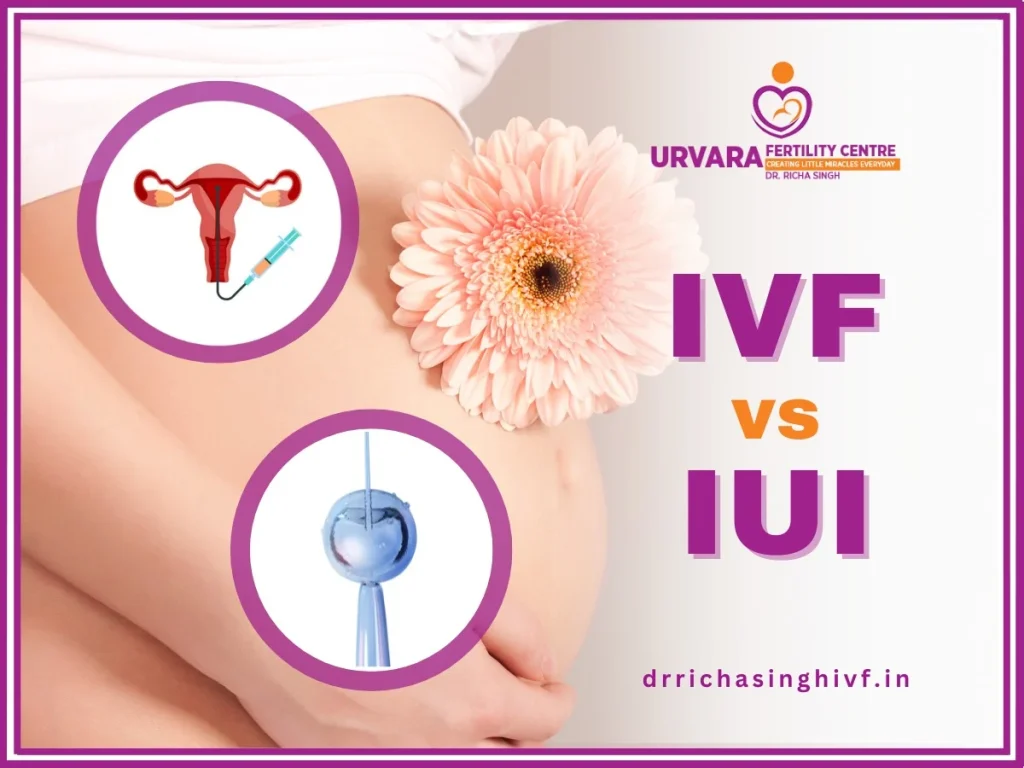
    IVF vs IUI comparison with illustrations of reproductive processes and a flower on a pregnant belly.

    A Holistic Approach to Unexplained Infertility

    2. Improving Nutrition and Lifestyle Habits

    Another important aspect of a holistic approach to unexplained infertility is to focus on nutrition and lifestyle habits. A balanced and nutrient-dense diet can help optimize reproductive function and increase the chances of conception. It is also essential to avoid substances that can negatively impact fertility, such as alcohol, tobacco, and excessive caffeine.

    Regular exercise and maintaining a healthy weight can also play a role in improving fertility. Being overweight or underweight can disrupt hormone levels and make it more difficult to get pregnant. Incorporating stress-reducing activities, such as yoga or meditation, can also be beneficial in promoting overall health and well-being.

    3. Exploring Alternative Therapies

    In addition to traditional medical treatments, there are also alternative therapies that can support a holistic approach to unexplained infertility. These may include acupuncture, herbal medicine, and fertility massage. These therapies aim to balance the body’s energy and promote reproductive health. While there is limited scientific evidence to support their effectiveness, many couples have reported success with these modalities in their fertility journey.

    4. Addressing Underlying Hormonal Imbalances

    While the diagnosis of unexplained infertility means that there are no apparent hormonal imbalances, it is still important to consider the role of hormones in fertility. Often, there may be subtle imbalances that are not detected through standard testing. A holistic approach may involve further testing to identify and address any underlying hormonal issues that could be contributing to infertility.

    5. Partner Support and Communication

    Infertility can be a difficult journey for both partners, and it is crucial to have open and supportive communication throughout the process. A holistic approach to unexplained infertility involves not just the individual but also their partner. By working together and supporting each other, couples can navigate through the challenges of infertility and strengthen their relationship along the way.

    Summary:

    Unexplained infertility is a diagnosis given to couples who cannot conceive despite no identifiable cause. It can be a frustrating and emotionally taxing experience, but a holistic approach can provide a new perspective and potential solutions. This approach involves addressing stress and mental health, improving nutrition and lifestyle habits, exploring alternative therapies, considering underlying hormonal imbalances, and having partner support and communication. By treating the individual as a whole and addressing various interconnected factors, there is hope for those struggling with unexplained infertility to achieve their dream of starting a family.

  • Fertility Acupuncture for Irregular Cycles: A Natural Solution

    Blog Post:

    Fertility Acupuncture for Irregular Cycles: A Natural Solution

    Many women struggle with irregular menstrual cycles, which can not only make it difficult to conceive but also have a negative impact on overall health and well-being. While there are various medical treatments available, fertility acupuncture is gaining popularity as a natural and effective solution for regulating irregular cycles. In this blog post, we will explore the concept of fertility acupuncture and how it can help women with irregular cycles achieve their dream of motherhood.

    What is Fertility Acupuncture?

    Acupuncture is a traditional Chinese medicine practice that involves the insertion of thin needles into specific points on the body to stimulate the flow of energy, known as Qi. Fertility acupuncture, specifically, focuses on addressing imbalances in the body that may be causing irregular cycles or other fertility issues.

    How Does Fertility Acupuncture Work?

    According to Traditional Chinese Medicine (TCM), the body has a network of meridians or pathways through which energy flows. When there is a blockage or imbalance in these pathways, it can result in various health issues, including irregular menstrual cycles. Acupuncture works by stimulating specific points along these meridians, which helps to restore the balance of energy and promote overall health.

    When it comes to fertility, acupuncture can help by regulating the hormones that control the menstrual cycle. It can also improve blood flow to the reproductive organs, which can enhance the chances of conception. Additionally, acupuncture can help to reduce stress and promote relaxation, which is crucial for optimal fertility.

    Acupuncture for Regulating Irregular Cycles

    Irregular menstrual cycles can be caused by various factors such as stress, poor diet, and hormonal imbalances. When treating irregular cycles with acupuncture, a licensed acupuncturist will first conduct a thorough assessment to determine the root cause of the issue. This may include a detailed medical history, physical examination, and possibly some diagnostic tests.

    illustration of intrauterine insemination procedure with a hand holding a speculum and syringe near the uterus

    Fertility Acupuncture for Irregular Cycles: A Natural Solution

    Based on the findings, the acupuncturist will create a personalized treatment plan that may involve regular acupuncture sessions, herbal remedies, and lifestyle modifications. The goal is to address any imbalances in the body and promote overall health, which can help to regulate the menstrual cycle.

    Additionally, acupuncture can also help to alleviate symptoms related to irregular cycles, such as cramping, bloating, and mood swings. By addressing these symptoms, women can feel more comfortable and in control of their bodies, which can have a positive impact on their emotional well-being.

    Benefits of Fertility Acupuncture for Irregular Cycles

    1. Natural and Non-Invasive: Fertility acupuncture is a natural and non-invasive treatment that does not involve any medications or procedures. This makes it a safe option for women who are trying to conceive.

    2. Addresses Underlying Issues: Unlike conventional treatments that may just mask the symptoms, acupuncture aims to address the root cause of the problem. By treating the underlying issues, women with irregular cycles can experience long-term relief and improved overall health.

    3. Personalized Treatment: Each woman’s body is unique, and so are their fertility issues. With fertility acupuncture, the treatment is tailored to the individual, taking into account their specific needs and concerns.

    4. Holistic Approach: Acupuncture is a holistic therapy that considers the mind, body, and spirit as interconnected. By promoting overall balance and well-being, acupuncture can have a positive impact on all aspects of a woman’s health.

    5. Cost-Effective: Fertility treatments can be expensive, and not everyone has access to them. Acupuncture, on the other hand, is a cost-effective option that is accessible to most women.

    In Summary

    Fertility acupuncture is a natural and effective solution for women struggling with irregular cycles. By targeting imbalances in the body, it can help to regulate hormones and promote overall health, making it easier to conceive. With its many benefits, it is no wonder that more and more women are turning to fertility acupuncture as a natural solution for their fertility issues.

    SEO Metadata:

  • Fertility Acupuncture and Male Infertility: Addressing Underlying Causes

    Blog Post:

    Fertility Acupuncture and Male Infertility: Addressing Underlying Causes

    Infertility affects approximately 15% of couples worldwide, with male infertility being the underlying cause in about 40% of cases. While there are various treatment options available for male infertility, one alternative therapy that has gained popularity in recent years is fertility acupuncture. This ancient Chinese practice involves the insertion of thin needles at specific points on the body to stimulate energy flow and promote overall well-being. In this blog post, we will explore the role of fertility acupuncture in addressing underlying causes of male infertility.

    Understanding Male Infertility

    Before delving into the details of fertility acupuncture, it is crucial to understand the root causes of male infertility. Male infertility can be attributed to various factors such as hormonal imbalances, structural issues, genetic disorders, and lifestyle factors. These underlying causes can affect the quality and quantity of sperm, making it difficult for couples to conceive.

    How Fertility Acupuncture Can Help

    Fertility acupuncture has been used for centuries in traditional Chinese medicine to treat a wide range of health conditions, including infertility. This holistic approach focuses on balancing the body’s energy flow, also known as Qi, to promote overall health and well-being. In the case of male infertility, fertility acupuncture aims to address the underlying causes by:

    1. Improving Sperm Quality and Quantity

    Studies have shown that acupuncture can help improve sperm quality and quantity. The stimulation of specific acupuncture points can increase blood flow to the reproductive organs, which, in turn, can enhance the production of healthy sperm. Acupuncture has also been found to reduce oxidative stress, which can damage sperm DNA and lead to male infertility.

    2. Balancing Hormones

    Hormonal imbalances can be a significant factor in male infertility. Acupuncture can help regulate hormone levels by stimulating the hypothalamus and pituitary gland, which are responsible for producing key reproductive hormones. This can help address issues such as low testosterone levels, which can affect sperm production.

    3. Addressing Structural Issues

    illustration of a uterus with a syringe for intrauterine insemination (IUI) procedure

    Fertility Acupuncture and Male Infertility: Addressing Underlying Causes

    Structural issues, such as varicoceles, can affect sperm production and lead to male infertility. Acupuncture can help improve blood flow and reduce inflammation in the affected areas, which can improve sperm quality and quantity. It can also help alleviate pain and discomfort associated with varicoceles.

    4. Reducing Stress and Anxiety

    Stress and anxiety can have a significant impact on male fertility. Acupuncture can help promote relaxation and reduce stress hormones, such as cortisol, which can interfere with reproductive hormones. It can also help with anxiety and depression, which can be common among couples struggling with infertility.

    5. Improving Overall Health and Well-being

    Fertility acupuncture takes a holistic approach to health, focusing on balancing the body’s energy flow and promoting overall well-being. By addressing underlying causes of male infertility, acupuncture can help improve overall health, which, in turn, can enhance fertility.

    The Role of Diet and Lifestyle Changes

    In addition to fertility acupuncture, adopting a healthy diet and making lifestyle changes can also play a crucial role in addressing underlying causes of male infertility. A diet rich in antioxidants, vitamins, and minerals can help improve sperm quality and quantity. Avoiding excessive alcohol consumption, smoking, and exposure to toxins can also have a positive impact on male fertility.

    Choosing a Qualified Acupuncturist

    While fertility acupuncture has shown promising results in addressing male infertility, it is essential to choose a qualified acupuncturist with experience in treating fertility issues. They should be able to provide a personalized treatment plan based on your specific needs and address any concerns you may have.

    In conclusion, fertility acupuncture can be a beneficial alternative therapy for couples struggling with male infertility. By addressing underlying causes and promoting overall well-being, it can help improve sperm quality and quantity, regulate hormones, reduce stress and anxiety, and enhance overall health. Along with a healthy diet and lifestyle changes, fertility acupuncture can increase the chances of conceiving and help couples achieve their dream of starting a family.

    Summary:

    Male infertility affects a significant percentage of couples worldwide, and while there are various treatment options available, fertility acupuncture has gained popularity in recent years. This ancient Chinese practice aims to address underlying causes of male infertility by improving sperm quality and quantity, balancing hormones, addressing structural issues, reducing stress and anxiety, and promoting overall well-being. Along with a healthy diet and lifestyle changes, fertility acupuncture can increase the chances of conceiving and help couples achieve their dream of starting a family.