Summary:
Fertility is a topic that is often associated with women, but the reality is that both men and women play important roles in the process of conception. With advancements in science and technology, fertility testing has become more accessible and accurate for both men and women. However, there are significant differences in the types of tests and procedures used to determine fertility in each gender. In this blog post, we will dive into the science behind fertility testing and uncover the key differences for men and women.
The Basics of Fertility:
Before delving into the specifics of fertility testing, it is important to understand the basics of fertility. In both men and women, fertility is determined by the ability to produce healthy, viable sperm or eggs. For women, fertility also includes the ability to carry a pregnancy to full term. Fertility is affected by a variety of factors, including age, genetics, lifestyle choices, and underlying medical conditions.
Fertility Testing for Women:
For women, fertility testing often begins with a physical exam and a review of medical history. This can help identify any underlying conditions that may be affecting fertility, such as hormonal imbalances or structural issues in the reproductive organs. The most common fertility test for women is the ovarian reserve test, which measures the quantity and quality of a woman’s remaining eggs. Other tests may include hormone level testing, ultrasound imaging, and a hysterosalpingogram (HSG) to check for any blockages in the fallopian tubes.
Fertility Testing for Men:
For men, fertility testing typically begins with a semen analysis, which measures the quantity and quality of sperm. Other tests may include hormone level testing and ultrasound imaging to check for any structural issues in the reproductive organs. In some cases, genetic testing may also be recommended to identify any underlying genetic conditions that may affect fertility.
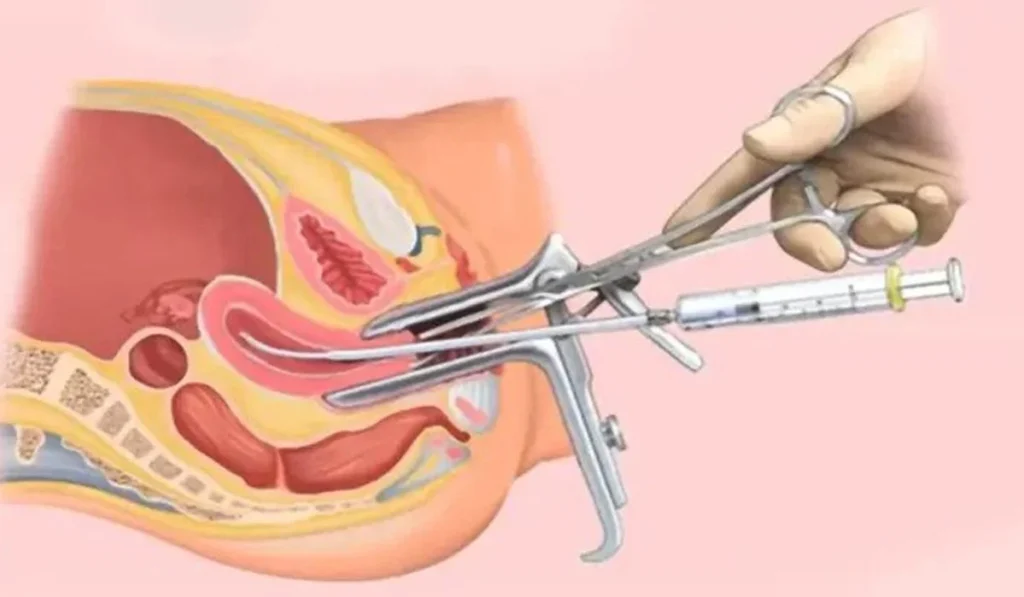
The Science Behind Fertility Testing: Uncovering the Differences for Men and Women
Key Differences in Fertility Testing:
One of the key differences between fertility testing for men and women is the focus on egg and sperm quality. In women, the quantity and quality of remaining eggs is a major factor in fertility, while in men, the quantity and quality of sperm is crucial. Additionally, fertility testing for women often involves more invasive procedures, such as ultrasounds and HSGs, while for men, a simple semen analysis is usually sufficient.
Another major difference is the age factor. For women, fertility declines significantly after the age of 35, while men generally have a longer window of fertility. This means that fertility testing may be recommended earlier for women compared to men.
The Role of Genetics:
Genetics play a significant role in fertility for both men and women. In women, genetic mutations or disorders can affect the quality and quantity of eggs, making it more difficult to conceive. In men, genetic conditions can affect sperm production and quality. This is why genetic testing may be recommended for both men and women during fertility testing.
The Advancements in Fertility Testing:
Thanks to advancements in science and technology, fertility testing has become more accurate and accessible for both men and women. For example, ovarian reserve testing has become more precise and reliable, allowing doctors to better predict a woman’s chances of conceiving. In men, advancements in semen analysis techniques have improved the accuracy of sperm testing. Additionally, genetic testing has become more advanced, allowing doctors to identify specific genetic conditions that may impact fertility.
In Conclusion:
Fertility testing is an important step for couples trying to conceive. Understanding the science behind fertility testing and the key differences between men and women can help couples make informed decisions about their fertility journey. With advancements in technology and the increasing understanding of genetics, fertility testing has become more accurate and accessible, giving hope to couples who are struggling to conceive.