Tag: fertility testing

  • Fertility Testing for Men and Women: What Happens After You Get the Results?

    Blog Post: Fertility Testing for Men and Women: What Happens After You Get the Results?

    Fertility is a sensitive topic for many couples, and the decision to undergo fertility testing can be a daunting one. However, understanding the results of these tests is crucial in the journey towards parenthood. Both men and women can undergo fertility testing to determine the potential causes of their infertility. In this blog post, we will explore what happens after receiving the results of fertility testing, and what options are available for couples looking to start a family.

    Fertility Testing for Women:
    The first step for women is to undergo a comprehensive physical exam, which may include blood tests, imaging tests, and a pelvic exam. These tests can help identify any underlying medical conditions that may be affecting fertility, such as polycystic ovary syndrome (PCOS) or endometriosis. Additionally, a blood test can also measure hormone levels, which can provide valuable insight into the woman’s reproductive health.

    Another important test for women is the ovarian reserve test, which evaluates the number and quality of a woman’s eggs. This test can help determine the likelihood of a successful pregnancy and can also guide the best course of treatment. In some cases, a hysterosalpingogram (HSG) may also be recommended to check for any blockages in the fallopian tubes that could prevent fertilization.

    After receiving the results of these tests, a fertility specialist will review the findings and discuss the potential treatment options. These may include fertility medications, intrauterine insemination (IUI), or in vitro fertilization (IVF). The specialist will also discuss any lifestyle changes that may improve the chances of conception, such as quitting smoking, losing weight, or reducing stress.

    Fertility Testing for Men:
    For men, the primary test for fertility is a semen analysis. This test examines the quantity and quality of sperm, including factors such as sperm count, motility, and morphology. The results of this test can help identify any potential issues with sperm production, function, or delivery.

    If the semen analysis reveals any abnormalities, additional tests may be recommended to determine the underlying cause. These tests may include hormone level testing, genetic testing, or a physical exam to check for any anatomical issues. Depending on the results, the fertility specialist may recommend lifestyle changes, medications, or assisted reproductive techniques such as intrauterine insemination or in vitro fertilization.
    test tube with sperm in blue liquid, promoting IUI success rate and factors influencing fertility.

    Fertility Testing for Men and Women: What Happens After You Get the Results?

    Coping with the Results:
    Receiving the results of fertility testing can be an emotional experience for couples. It is essential to understand that infertility is a medical condition and not a reflection of one’s self-worth. If the results show that there are issues with fertility, it is crucial to seek support from loved ones, a therapist, or a support group.

    It is also essential to have open communication with your partner and healthcare team. The specialist can explain the results in detail and provide guidance on the next steps. They can also address any concerns or questions you may have about the results and the potential treatment options.

    Options for Treatment:
    Fortunately, there are various options available for couples struggling with fertility issues. Depending on the underlying cause, treatment may involve fertility medications, surgery, assisted reproductive techniques, or a combination of these methods.

    Fertility medications are often used to stimulate ovulation or improve sperm production. Intrauterine insemination involves placing washed sperm directly into the uterus, increasing the chances of fertilization. In vitro fertilization is a more advanced technique that involves retrieving eggs from the ovaries and fertilizing them with sperm in a lab before transferring the embryos into the uterus.

    In some cases, surgery may be necessary to correct structural issues that are preventing pregnancy. This could include removing fibroids, repairing damaged fallopian tubes, or treating endometriosis.

    Summary:
    Fertility testing is an essential step for couples trying to conceive. For women, testing may include blood tests, imaging tests, and a pelvic exam to identify any underlying medical conditions. Men undergo a semen analysis to evaluate sperm quantity and quality. After receiving the results, a specialist will discuss potential treatment options, which may include medications, surgery, or assisted reproductive techniques. It is essential to have open communication with your partner and healthcare team and seek support if needed.

    In conclusion, fertility testing can provide valuable information and guide couples towards the best course of treatment. While receiving the results of these tests can be emotional, it is essential to remember that there are various options available for couples looking to start a family. With the support of loved ones and healthcare professionals, couples can navigate through this journey towards parenthood.
  • The Mental and Emotional Impact of Fertility Testing: A Comparison Between Men and Women

    Becoming a parent is a deeply personal and emotional journey for many individuals. For some, it may come easily, while for others, it may involve a long and challenging process. Fertility testing has become a popular option for those struggling to conceive, as it can provide important insights into an individual’s reproductive health. However, this process can also have a significant mental and emotional impact on both men and women. In this blog post, we will explore the mental and emotional effects of fertility testing and compare the experiences of men and women.

    Fertility testing is a complex and often overwhelming process that involves various medical procedures, appointments, and waiting periods. For women, this may include blood tests, ultrasounds, and invasive procedures such as hysterosalpingograms (HSG) or laparoscopies. These tests can be physically uncomfortable and may cause anxiety or fear, especially for those who have experienced trauma or have a fear of medical procedures.

    On the other hand, men may undergo semen analysis, which involves collecting a semen sample and testing it for sperm count, motility, and morphology. While this may seem less invasive compared to the procedures women go through, it can still be a stressful and uncomfortable experience for men. They may feel pressure to produce a “good” sample and worry about the results, which can affect their self-esteem and cause feelings of inadequacy.

    One of the most significant mental and emotional impacts of fertility testing is the uncertainty and fear it can bring. Many individuals who undergo fertility testing are already struggling with infertility, which can be a source of immense emotional pain. Fertility testing can exacerbate these feelings as it often involves waiting for results and facing the possibility of bad news. This uncertainty can also lead to feelings of helplessness and loss of control, which can be challenging to cope with.

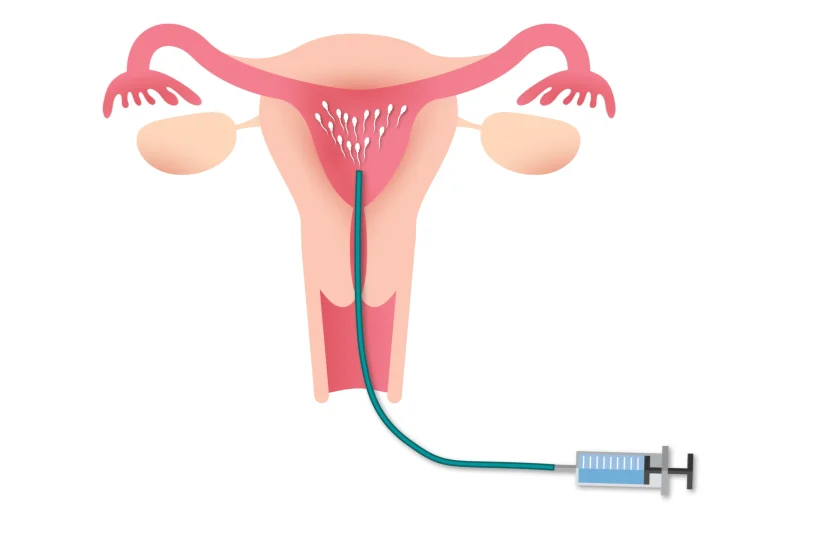
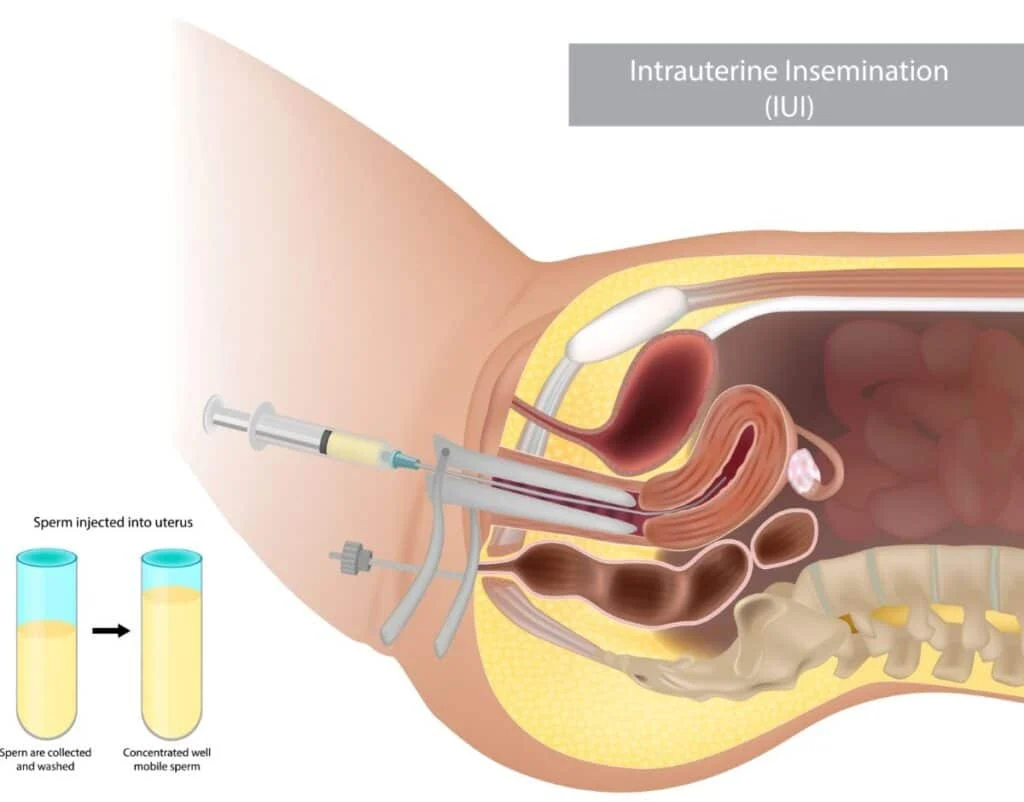
    Diagram illustrating intrauterine insemination (IUI) procedure with sperm injection into the uterus.

    The Mental and Emotional Impact of Fertility Testing: A Comparison Between Men and Women

    The emotional impact of fertility testing can also vary depending on the results. For women, a diagnosis of infertility can feel like a personal failure or a loss of their identity as a woman. They may experience feelings of guilt, shame, and grief, and struggle with the pressure of societal expectations to have children. On the other hand, men may also feel inadequate or less masculine if they receive unfavorable results. They may also feel pressure to “fix” the issue and provide a solution, which can be emotionally taxing.

    Another common emotional impact of fertility testing is the strain it can put on relationships. Going through fertility testing can be a lonely and isolating experience, and individuals may find it challenging to communicate their feelings to their partner. This can lead to misunderstandings, conflicts, and a breakdown in communication, which can have a detrimental effect on the relationship. Furthermore, fertility testing can also cause strain in relationships with family and friends, as individuals may feel uncomfortable discussing their struggles with others.

    Moreover, fertility testing can also have a significant financial impact, which can add to the emotional burden. Many fertility treatments and procedures are not covered by insurance, and the costs can quickly add up. This can cause stress, anxiety, and even guilt for individuals and couples who may be unable to afford the necessary treatments. The financial strain can also lead to difficult decisions and sacrifices, such as delaying or giving up on fertility treatments altogether.

    It is essential to recognize that the mental and emotional impact of fertility testing is not limited to those struggling with infertility. Individuals who undergo fertility testing may also experience a range of emotions, such as anxiety, stress, and fear, even if they are not dealing with infertility. This is because fertility testing can bring up thoughts and concerns about one’s future and plans for starting a family, which can be overwhelming and emotionally taxing.

    In conclusion, fertility testing can have a significant mental and emotional impact on both men and women. It can bring up a range of emotions, from fear and uncertainty to guilt and shame. The strain it can put on relationships and the financial burden it can cause can add to the emotional toll. It is crucial for individuals and couples going through fertility testing to seek support and communicate openly with their partners, friends, and family. It is also essential for society to be more understanding and supportive of those struggling with infertility and the emotional toll that fertility testing can bring.

  • The Long Road to Parenthood: How Fertility Testing Can Help for Both Men and Women

    Blog Post: The Long Road to Parenthood: How Fertility Testing Can Help for Both Men and Women

    Parenthood is often seen as a natural and effortless journey for couples, but for many, it can be a long and challenging road. Infertility affects approximately 1 in 8 couples, and the struggle to conceive can take a toll on both physical and emotional well-being. While there are various causes of infertility, fertility testing can provide valuable insights for both men and women. In this blog post, we will explore the importance of fertility testing and how it can help couples on their journey to parenthood.

    Understanding Fertility and Infertility

    Fertility is the ability to conceive a child, and it is influenced by various factors such as age, health, and lifestyle. In women, fertility is primarily determined by the regularity and quality of ovulation, while in men, it is determined by the quality and quantity of sperm. Infertility is defined as the inability to conceive after 12 months of regular, unprotected intercourse. However, for women over the age of 35, this time frame is shortened to 6 months, as fertility declines with age.

    Fertility Testing for Women

    For women, fertility testing typically involves a series of blood tests and imaging procedures to assess the health and function of the reproductive organs. These tests can help identify any underlying hormonal imbalances, structural abnormalities, or other issues that may be affecting fertility.

    One common fertility test for women is the ovarian reserve test, which measures the quantity and quality of a woman’s remaining egg supply. This test is especially useful for women over the age of 35, as it can give an indication of their fertility potential. Other tests may include a hysterosalpingogram (HSG), which uses a dye to visualize the uterus and fallopian tubes, and an ultrasound to evaluate the ovaries and uterus.

    Fertility Testing for Men

    For men, fertility testing involves a semen analysis to assess the quality and quantity of sperm. This test looks at factors such as sperm count, motility (movement), and morphology (shape). A low sperm count or poor sperm quality can significantly impact a man’s fertility and may require further testing to determine the underlying cause.

    In addition to a semen analysis, men may also undergo blood tests to check for hormonal imbalances or genetic abnormalities that can affect fertility. If necessary, imaging tests such as a scrotal ultrasound may also be performed to evaluate the reproductive organs.

    Benefits of Fertility Testing

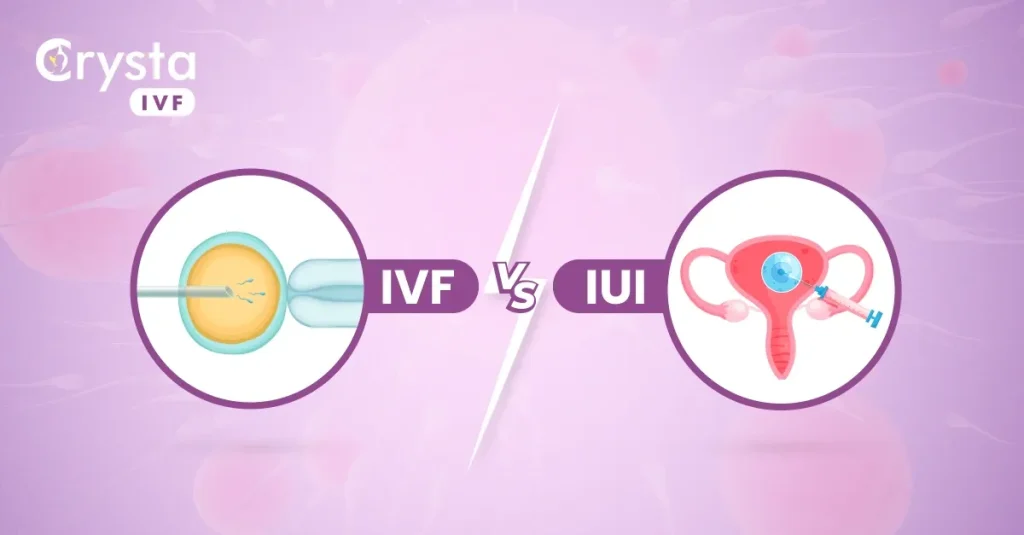
    Comparison of IVF and IUI procedures with illustrations of each method.

    The Long Road to Parenthood: How Fertility Testing Can Help for Both Men and Women

    Fertility testing can provide valuable information for couples struggling to conceive, and it can be beneficial in several ways.

    Identify Potential Issues

    Fertility testing can help identify any underlying issues that may be affecting a couple’s ability to conceive. For women, it can identify hormonal imbalances, structural abnormalities, or other conditions that may be preventing ovulation or fertilization. For men, it can identify issues with sperm quality or quantity, as well as any hormonal or genetic factors that may be contributing to infertility.

    Guide Treatment Options

    Once the underlying cause of infertility is identified, fertility testing can help guide treatment options. For example, if a woman is found to have irregular ovulation, medication or hormonal therapy may be recommended to help regulate her cycles. If a man has a low sperm count, he may benefit from lifestyle changes or medical interventions to improve sperm quality.

    Reduce Stress and Anxiety

    The journey to parenthood can be emotionally draining, and the uncertainty of not knowing the cause of infertility can add to the stress and anxiety. Fertility testing can provide answers and give couples a sense of control over their situation, reducing stress and anxiety levels.

    Prevent Unnecessary Treatments

    Without proper testing, couples may undergo expensive and invasive fertility treatments that may not be necessary. Fertility testing can help determine if there are any underlying issues that can be addressed with less invasive methods, such as medication or lifestyle changes, before pursuing more aggressive treatments.

    In Summary

    The road to parenthood can be a challenging one, and the struggle with infertility can take a toll on both men and women. Fertility testing can provide valuable insights into the underlying causes of infertility and guide treatment options. It can also reduce stress and anxiety, prevent unnecessary treatments, and ultimately help couples on their journey to becoming parents.

  • Fertility Testing for Men and Women: Is It Covered by Insurance?

    Blog Post:

    Fertility is a topic that affects many couples and individuals, as they try to start or expand their families. However, fertility issues can be complex and often require medical intervention or treatment. In order to determine the cause of fertility problems, fertility testing is often necessary. This testing can involve a variety of methods for both men and women, including blood tests, imaging scans, and physical examinations. But the question remains, is fertility testing covered by insurance?

    Fertility Testing for Women:

    Fertility testing for women often involves a series of blood tests and imaging scans to assess the health and function of the reproductive system. These tests can include hormone level testing, ovarian reserve testing, and ultrasound or hysteroscopy to evaluate the uterus and fallopian tubes. The cost of these tests can vary depending on the specific procedures and the location where they are performed.

    Most insurance plans do cover some form of fertility testing for women, but the extent of coverage may vary. Some plans may cover the full cost of testing, while others may only cover a portion. It is important to review your insurance plan and speak with your provider to understand what is covered and what may be out-of-pocket expenses.

    In addition, some insurance plans may have specific requirements that need to be met before they will cover fertility testing. These requirements can include age restrictions, prior attempts at conception, and a referral from a primary care physician. It is important to be aware of these requirements and follow them in order to ensure coverage for fertility testing.

    Fertility Testing for Men:

    Fertility testing for men often involves a semen analysis, which evaluates the sperm count, motility, and morphology. This test can help determine if there are any issues with sperm production or function. In some cases, additional tests may be needed to identify the cause of fertility problems in men.

    Similar to fertility testing for women, insurance coverage for fertility testing for men can also vary. Some plans may cover the cost of semen analysis, while others may not. It is important to review your insurance plan and speak with your provider to understand what is covered and what may be out-of-pocket expenses.

    diagram of the female reproductive system with an IUI syringe and test tube for artificial insemination

    Fertility Testing for Men and Women: Is It Covered by Insurance?

    Factors Affecting Insurance Coverage:

    There are several factors that can affect insurance coverage for fertility testing, including the type of insurance plan, state regulations, and the cause of infertility. For example, some plans may only cover fertility testing for specific medical conditions, such as endometriosis or polycystic ovary syndrome. Other plans may exclude coverage for fertility testing altogether.

    In addition, state regulations can also impact insurance coverage for fertility testing. Currently, only 19 states have laws that require insurance companies to cover fertility treatments, including testing. In these states, insurance companies are required to offer coverage for fertility testing and treatments, but the extent of coverage may vary.

    The cause of infertility can also play a role in insurance coverage for fertility testing. If a medical condition or illness is the cause of fertility issues, insurance may be more likely to cover testing and treatment. However, if the cause is deemed to be a “lifestyle” choice, such as smoking or obesity, insurance may not cover the cost of testing or treatment.

    Out-of-Pocket Expenses:

    Even with insurance coverage, there may still be out-of-pocket expenses associated with fertility testing. This can include deductibles, co-pays, and any testing or treatments that are not covered by insurance. It is important to review your insurance plan and understand these potential expenses before undergoing fertility testing.

    In some cases, fertility clinics may offer financing options or payment plans to help cover the cost of testing and treatment. It is also worth exploring grants or financial assistance programs that may be available for those struggling with fertility issues.

    Summary:

    Fertility testing is a crucial step in identifying the cause of fertility problems for both men and women. While insurance coverage for fertility testing can vary, most insurance plans do offer some form of coverage. However, it is important to review your specific insurance plan and understand any requirements or potential out-of-pocket expenses. Additionally, state regulations and the cause of infertility can also impact insurance coverage for fertility testing. Despite potential expenses, options such as financing and financial assistance programs may help make fertility testing more accessible.

  • The Impact of Stress: How It Affects Fertility Testing for Men and Women

    The Impact of Stress: How It Affects Fertility Testing for Men and Women

    For many couples, starting a family is a dream that they share. However, when faced with difficulties conceiving, it can take a toll on both the individual and the relationship. Fertility issues can be caused by a variety of factors, including hormonal imbalances, medical conditions, and lifestyle choices. One factor that is often overlooked but can have a significant impact on fertility is stress. In this blog post, we will explore the relationship between stress and fertility testing for both men and women.

    What is Stress?

    Stress is a natural response to a perceived threat or demand. It is a physiological and psychological reaction that prepares the body to either fight or flee from a stressful situation. In small doses, stress can be beneficial as it helps us to stay alert and focused. However, when stress becomes chronic or overwhelming, it can have negative effects on our health and well-being.

    Stress and Female Fertility

    For women, stress can have a direct impact on their reproductive system. When the body is under stress, the hypothalamus in the brain releases a hormone called corticotropin-releasing hormone (CRH). This hormone can suppress the production of hormones essential for ovulation, such as luteinizing hormone (LH) and follicle-stimulating hormone (FSH). This can lead to irregular menstrual cycles and even anovulation (lack of ovulation), making it difficult to conceive.

    Moreover, chronic stress can also affect the quality of a woman’s eggs. Studies have shown that high levels of stress can lead to increased oxidative stress, which can damage the DNA of the eggs. This can result in a higher risk of miscarriage and can also impact the success rates of fertility treatments such as in vitro fertilization (IVF).

    Stress and Male Fertility

    While most of the focus on fertility issues is placed on women, men also play a crucial role in the conception process. Stress can affect male fertility in various ways. It can lead to a decrease in testosterone levels, which can affect sperm production and quality. Stress can also cause sperm DNA damage, which can lead to decreased sperm motility and an increased risk of miscarriage.

    Additionally, stress can also lead to lifestyle choices that can negatively impact male fertility. For example, men under high levels of stress may turn to unhealthy coping mechanisms such as smoking, excessive drinking, and poor diet, all of which can affect sperm quality and count.

    The Impact of Stress on Fertility Testing

    doctor discussing treatment with a patient in a medical office, featuring an ultrasound machine in the background

    The Impact of Stress: How It Affects Fertility Testing for Men and Women

    Fertility testing is a crucial step in determining the cause of infertility. However, stress can significantly impact the results of these tests. For example, stress can cause hormonal imbalances, which can affect the accuracy of hormone tests used to assess fertility. It can also lead to changes in menstrual cycles, making it challenging to pinpoint the most fertile days for women.

    Moreover, stress can also affect the results of semen analysis for men. Stress can cause sperm count and motility to fluctuate, making it challenging to get an accurate measure of male fertility. This can result in misdiagnosis and incorrect treatment plans.

    Managing Stress for Improved Fertility

    As we have seen, stress can have a significant impact on fertility for both men and women. Therefore, it is essential to find ways to manage stress levels to increase the chances of conceiving. Here are some tips for managing stress for improved fertility:

    1. Practice relaxation techniques: Activities such as yoga, meditation, and deep breathing can help to reduce stress and promote relaxation.

    2. Exercise regularly: Regular physical activity can help to release endorphins, which are natural mood boosters, and reduce stress levels.

    3. Get enough sleep: Lack of sleep can lead to increased stress levels. Make sure to get at least 7-9 hours of quality sleep each night.

    4. Communicate with your partner: Talking to your partner about your feelings and experiences can help to reduce stress and strengthen your relationship.

    5. Seek support: Don’t be afraid to reach out to friends, family, or a therapist for support during this challenging time.

    Conclusion

    In summary, stress can have a significant impact on fertility for both men and women. It can affect hormone levels, sperm quality, and the accuracy of fertility testing. Therefore, it is crucial to find ways to manage stress for improved fertility. By practicing relaxation techniques, exercising regularly, getting enough sleep, and seeking support, couples can increase their chances of conceiving. Remember, fertility issues can be challenging, but with the right support and management of stress, it is possible to overcome them and start a family.

  • Fertility Testing and Treatment: Is There a Difference for Men and Women?

    Blog Post:

    Fertility is a topic that affects both men and women, yet it is often perceived as a solely female issue. However, the truth is that both men and women can experience fertility issues and may need testing and treatment to conceive. In this blog post, we will explore the differences in fertility testing and treatment for men and women and how understanding these differences can help couples struggling with infertility.

    Fertility Testing for Women:

    Fertility testing for women usually starts with a basic physical examination and medical history. This includes checking for any underlying health conditions that may affect fertility, such as polycystic ovary syndrome (PCOS) or endometriosis. The doctor may also perform blood tests to check hormone levels and ovulation, as well as a pelvic ultrasound to assess the health of the reproductive organs.

    If these initial tests do not reveal any issues, the next step is usually a hysterosalpingogram (HSG). This procedure involves injecting dye into the uterus and taking X-ray images to check for blockages or abnormalities in the fallopian tubes. Another common test is a hysteroscopy, which involves inserting a thin, lighted tube through the cervix to examine the uterine cavity.

    In some cases, a more invasive test called a laparoscopy may be recommended. This involves making a small incision in the abdomen and inserting a thin, lighted tube to examine the reproductive organs for any abnormalities.

    Fertility Testing for Men:

    For men, fertility testing usually involves a semen analysis. This test measures the quantity and quality of sperm in a man’s semen. It can identify issues such as low sperm count, poor sperm motility, or abnormal sperm shape, which can affect a man’s fertility. In some cases, a blood test may also be recommended to check hormone levels and rule out any underlying health conditions.

    Treatment Options for Women:

    The most common treatment for female infertility is fertility drugs, such as Clomid, which help stimulate ovulation. In cases of hormonal imbalances, hormone therapy may be recommended. For women with blocked fallopian tubes or structural abnormalities in the uterus, surgery may be necessary to correct the issue.

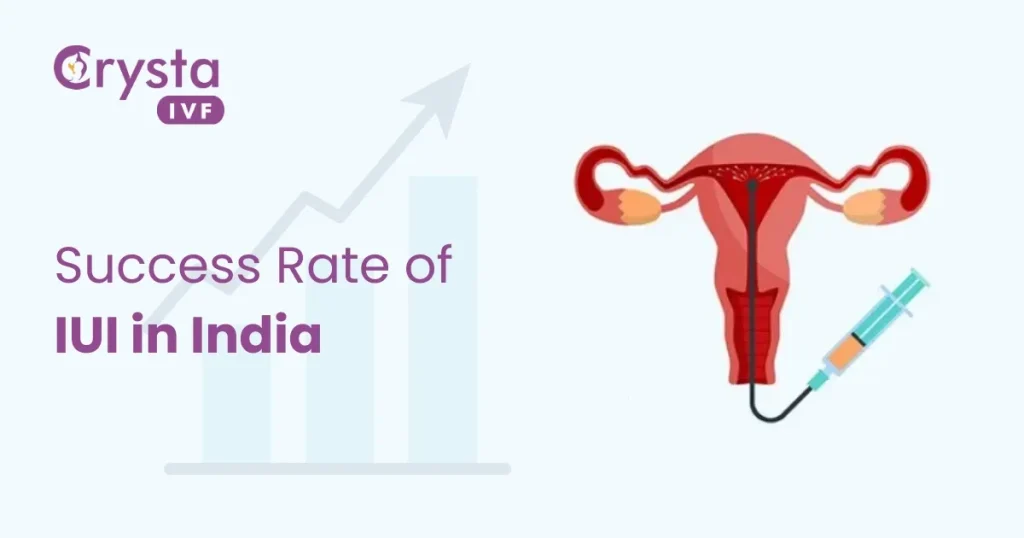
    success rate of IUI in India with a graphic of a uterus and syringe alongside a rising graph

    Fertility Testing and Treatment: Is There a Difference for Men and Women?

    In vitro fertilization (IVF) is another option for women who are unable to conceive naturally. This involves retrieving eggs from the ovaries and fertilizing them with sperm in a laboratory before transferring the resulting embryos back into the uterus.

    Treatment Options for Men:

    For men with low sperm count or poor sperm quality, fertility drugs may be prescribed to improve sperm production. In cases of hormonal imbalances, hormone therapy may also be recommended. In some cases, surgery may be necessary to correct any blockages or abnormalities in the reproductive organs.

    In vitro fertilization with intracytoplasmic sperm injection (ICSI) is a common treatment option for male infertility. This involves injecting a single sperm directly into an egg in the laboratory before transferring the resulting embryo back into the uterus.

    Is There a Difference in Fertility Testing and Treatment for Men and Women?

    While there are some differences in the specific tests and treatments used for men and women, the ultimate goal is the same: to help couples conceive. Both men and women may need to undergo multiple tests and try different treatment options before finding success. It is important for couples to understand that infertility is not solely a female issue and that both partners need to be involved in the testing and treatment process.

    Additionally, it is important to note that fertility issues can be caused by a combination of factors in both men and women. Therefore, it is crucial for both partners to be tested and treated in order to increase the chances of conception.

    Couples also need to be patient and understanding during the fertility testing and treatment process. It can be emotionally and physically draining, but with the support of each other and their healthcare team, they can get through it together.

    In conclusion, fertility testing and treatment may differ slightly for men and women, but the overall goal remains the same. It is important for couples to understand that infertility is not solely a female issue and that both partners may need to undergo testing and treatment to conceive. With advancements in technology and medical treatments, there is hope for couples struggling with infertility to start a family of their own.

    Summary:

    Fertility testing and treatment is not just a female issue, as men can also experience fertility issues. For women, testing often involves physical exams, blood tests, and procedures such as HSG or laparoscopy. Treatment options include fertility drugs, hormone therapy, surgery, and IVF. For men, semen analysis and blood tests are common tests, and treatment options include fertility drugs, hormone therapy, surgery, and IVF with ICSI. The ultimate goal is the same for both men and women – to help couples conceive. It is important for couples to understand that infertility is not solely a female issue and that both partners may need to undergo testing and treatment for the best chance at success.

  • The Emotional Impact of Fertility Testing: Tips for Men and Women

    Blog Post:

    Fertility is a sensitive topic that can bring up a range of emotions for both men and women. For couples struggling with infertility, the process of fertility testing can be a rollercoaster of emotions. From the excitement and hope of starting a family to the disappointment and frustration of negative results, the emotional impact of fertility testing can be overwhelming.

    In this blog post, we will discuss the emotional impact of fertility testing on both men and women and provide tips for coping with the process.

    The Emotional Impact of Fertility Testing on Women:

    For women, the desire to have a child is often deeply ingrained and tied to their sense of identity. When faced with fertility issues, women may experience a sense of failure, guilt, and shame. They may also feel isolated and alone, especially if they have friends or family members who have had no trouble getting pregnant.

    The process of fertility testing can also be physically and emotionally draining for women. The constant monitoring of their menstrual cycle and hormone levels, along with invasive procedures such as blood tests and ultrasound scans, can take a toll on their mental well-being. The waiting period for results can also be a source of anxiety and stress.

    Tips for Coping:

    1. Acknowledge Your Feelings: It is okay to feel a range of emotions when going through fertility testing. Allow yourself to acknowledge and process these feelings instead of bottling them up. Talking to a therapist or a trusted friend or family member can also help.

    2. Find Support: Joining a support group or online community of women going through similar experiences can provide a sense of comfort and understanding. You can also seek support from organizations that specialize in fertility issues.

    3. Take Care of Yourself: The process of fertility testing can be physically and emotionally taxing. Make sure to prioritize self-care by eating well, exercising, and getting enough rest. Engage in activities that bring you joy and help you relax.

    4. Set Boundaries: It is important to set boundaries with friends and family who may not understand the emotional toll of fertility testing. Be open and honest about your needs and communicate clearly when you need space or support.

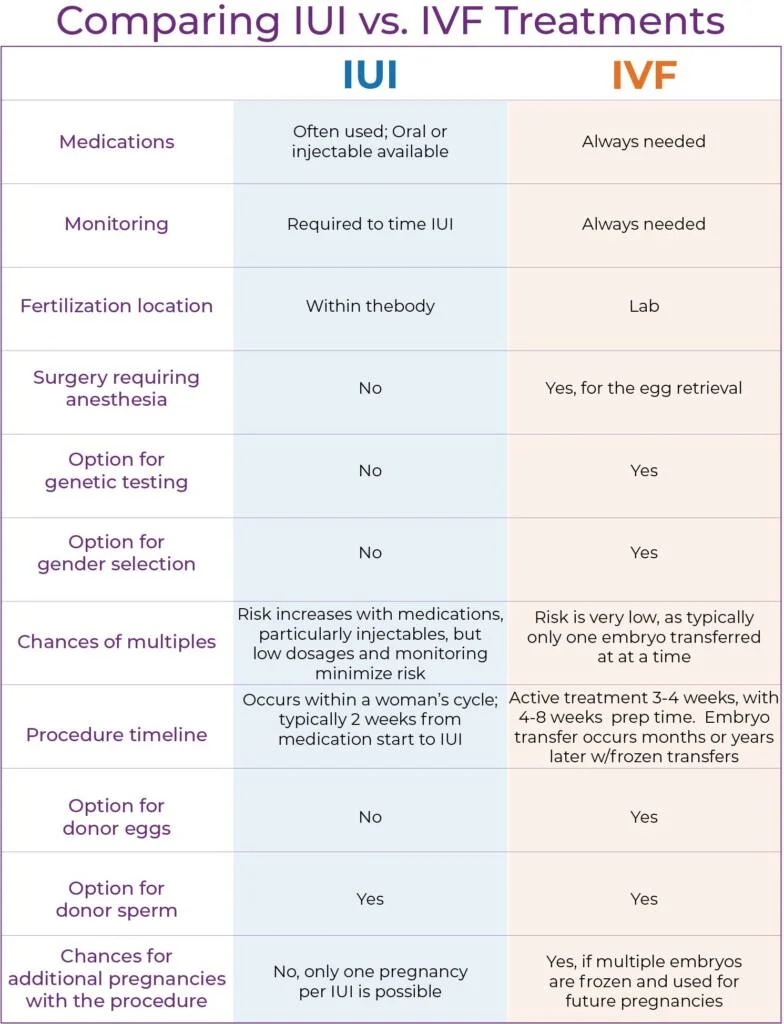
    Comparison chart of IUI and IVF treatments, detailing medications, monitoring, procedures, and success rates.

    The Emotional Impact of Fertility Testing: Tips for Men and Women

    The Emotional Impact of Fertility Testing on Men:

    While the focus of fertility testing is often on women, men are also affected by the process. The pressure to provide for their family and the societal expectations of being a father can make fertility testing a challenging experience for men. They may also feel a sense of guilt and inadequacy if they are found to have fertility issues.

    Men may also struggle with the emotional toll of fertility testing, as they are often expected to be the strong and supportive partner. The process of fertility testing can also be physically uncomfortable for men, leading to feelings of anxiety and stress.

    Tips for Coping:

    1. Communicate with Your Partner: It is essential to communicate openly and honestly with your partner throughout the process of fertility testing. Share your feelings and concerns, and work together as a team to support each other.

    2. Educate Yourself: Understanding the science behind fertility and the testing process can help you feel more in control and reduce anxiety. Educate yourself on the various fertility treatments available and discuss them with your partner and doctor.

    3. Seek Support: Just like women, men can also benefit from seeking support from a therapist, support group, or online community. Talking to others who have gone through similar experiences can provide a sense of comfort and reassurance.

    4. Take Time for Yourself: It is crucial to prioritize self-care during this stressful time. Find activities that help you relax and de-stress, such as exercise, hobbies, or spending time with friends. Taking breaks from fertility testing can also be beneficial.

    In conclusion, the process of fertility testing can have a significant emotional impact on both men and women. It is essential to acknowledge these feelings and find healthy ways to cope with them. Remember to communicate openly with your partner, seek support, and prioritize self-care. With the right mindset and support, the journey of fertility testing can become more manageable and less emotionally taxing.

    Summary:

    Fertility testing can be an emotionally challenging experience for both men and women. Women may experience feelings of failure, guilt, and isolation, while men may struggle with societal expectations and feelings of inadequacy. It is essential to acknowledge and process these feelings, seek support, and prioritize self-care during this time. Communicating openly with your partner and educating yourself on the process can also help ease the emotional toll of fertility testing.

  • Fertility Testing for Men and Women: How Often Should It Be Done?

    Blog Post Title: Fertility Testing for Men and Women: How Often Should It Be Done?

    Summary:

    Fertility is a major concern for many couples who are trying to conceive. In order to ensure that both partners are physically able to have children, fertility testing is often recommended. However, there is no one-size-fits-all answer to how often fertility testing should be done for men and women. It depends on various factors such as age, medical history, and lifestyle habits. In this blog post, we will discuss the importance of fertility testing, the different types of tests available, and how often they should be done for both men and women.

    Why is Fertility Testing Important?

    Fertility testing is a way to evaluate the reproductive health of both men and women. It helps to identify any potential issues that may prevent pregnancy or increase the risk of complications during pregnancy. For women, fertility testing can also provide insight into their ovarian reserve, which is the number of eggs they have remaining. For men, fertility testing can assess the quality of their sperm and identify any potential issues such as low sperm count or abnormal sperm shape.

    Types of Fertility Tests for Women:

    1. Ovulation Testing: This involves tracking a woman’s menstrual cycle to determine when she is most likely to ovulate. This can be done through methods such as tracking basal body temperature, cervical mucus, or using ovulation predictor kits.

    2. Hormone Testing: This involves testing the levels of hormones such as estrogen, progesterone, and luteinizing hormone (LH) in the blood. These hormones play a crucial role in the ovulation process and can indicate any potential issues with ovulation.

    3. Ultrasound: This test uses sound waves to create images of the ovaries and uterus. It can help to identify any structural abnormalities or issues such as polycystic ovary syndrome (PCOS).

    4. Hysterosalpingography (HSG): This is an X-ray procedure that uses dye to check for blockages or abnormalities in the fallopian tubes.

    How Often Should Women Get Fertility Testing?

    diagram of a uterus with a syringe for intrauterine insemination procedure

    Fertility Testing for Men and Women: How Often Should It Be Done?

    For women who are under 35 and have no known fertility issues, it is recommended to get fertility testing after trying to conceive for one year. If the woman is over 35, it is recommended to get tested after six months of trying. However, if there are any underlying medical conditions or known fertility issues, testing may be recommended earlier.

    Types of Fertility Tests for Men:

    1. Semen Analysis: This is the most common test for male fertility. It involves analyzing a sample of semen to check for the number, shape, and movement of sperm.

    2. Hormone Testing: Just like women, men also have hormones that play a role in fertility. Testing for hormones such as testosterone, luteinizing hormone (LH), and follicle-stimulating hormone (FSH) can provide insight into any potential issues with sperm production.

    3. Physical Exam: A physical exam can help to identify any physical issues that may affect fertility, such as varicoceles (enlarged veins in the scrotum).

    How Often Should Men Get Fertility Testing?

    For men, it is recommended to get a semen analysis done if they have been trying to conceive for one year with no success. If there are any known fertility issues, testing may be recommended earlier. Additionally, if a man has any medical conditions or lifestyle habits that may affect fertility, such as diabetes or smoking, it is recommended to get tested regularly to monitor any changes.

    Factors That Affect the Frequency of Fertility Testing:

    1. Age: As women age, their fertility declines, and the chances of complications during pregnancy increase. Therefore, women over 35 may be recommended to get tested earlier and more frequently.

    2. Medical History: If either partner has a history of medical conditions that may affect fertility, such as endometriosis or a previous sexually transmitted infection, more frequent testing may be recommended.

    3. Lifestyle Habits: Factors such as smoking, excessive alcohol consumption, and drug use can affect fertility in both men and women. If either partner has these habits, more frequent testing may be recommended to monitor any changes.

    In conclusion, fertility testing is an essential step for couples trying to conceive. The frequency of testing may vary for men and women, depending on various factors. It is important to consult with a healthcare provider to determine when and how often fertility testing should be done. By identifying any potential issues early on, couples can take the necessary steps to improve their chances of conceiving and having a healthy pregnancy.

  • The Importance of Communication: How Couples Can Support Each Other Through Fertility Testing

    Summary:

    Communication is a crucial aspect of any relationship, especially when facing challenges such as fertility issues. Couples who are going through fertility testing may experience a range of emotions, including stress, anxiety, and frustration. In such situations, open and honest communication between partners is essential to provide support and navigate the journey together.

    In this blog post, we will discuss the importance of communication in supporting each other through fertility testing. We will also provide tips on how couples can improve their communication and strengthen their relationship during this challenging time.

    The Importance of Communication in Fertility Testing:

    Fertility testing can be a physically and emotionally draining process for couples. It involves a series of medical procedures, which may cause stress and anxiety. The pressure of trying to conceive can also take a toll on a couple’s relationship. In such a situation, clear and effective communication is critical to maintaining a healthy and supportive relationship.

    Communication helps in managing expectations and emotions. It allows both partners to express their fears, concerns, and hopes. By communicating openly, couples can better understand each other’s feelings and provide the necessary support. It also helps in avoiding misunderstandings and conflicts, which can strain the relationship.

    Moreover, fertility testing can also be a long and unpredictable process, which can cause strain on the couple’s finances and schedules. By communicating openly, couples can plan and make decisions together, minimizing any potential financial or logistical stress.

    Tips for Effective Communication during Fertility Testing:

    1. Set Aside Dedicated Time for Communication: With busy schedules and the stress of fertility testing, it can be challenging to find time to communicate. Therefore, it is essential to set aside dedicated time for communication without any distractions. This could be a daily check-in or a weekly date night where both partners can focus on each other and openly discuss their feelings.

    2. Be a Good Listener: Effective communication is not just about expressing oneself, but also about actively listening to your partner. Listen without judgment, and try to understand their perspective. This will help in building trust and empathy in the relationship.

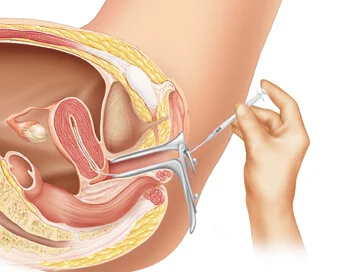
    illustration of intrauterine insemination procedure with a hand holding a speculum and syringe near the uterus

    The Importance of Communication: How Couples Can Support Each Other Through Fertility Testing

    3. Use “I” Statements: When discussing sensitive topics, it is crucial to use “I” statements instead of “you” statements. For example, instead of saying, “You never understand how I feel,” try saying, “I feel overwhelmed and could use some support.” This way, the conversation remains non-confrontational and focuses on expressing your feelings rather than blaming your partner.

    4. Seek Professional Help: If communicating about fertility testing becomes challenging, it may be helpful to seek professional help. A therapist or counselor can facilitate open and effective communication between partners and provide tools to strengthen the relationship.

    5. Be Patient and Understanding: Fertility testing can be a long and unpredictable process, and it is essential to be patient and understanding with each other. There may be times when one partner is more emotional or stressed than the other. In such situations, it is crucial to be supportive and understanding, rather than getting frustrated or annoyed.

    Supporting Each Other Through Fertility Testing:

    Apart from open communication, there are other ways couples can support each other during fertility testing.

    1. Be Each Other’s Cheerleader: Going through fertility testing can be emotionally draining, and it is essential to be each other’s support system. Celebrate each other’s small victories, provide words of encouragement, and remind each other that you are in this together.

    2. Take Care of Yourself: Fertility testing can take a toll on a person’s physical and emotional well-being. It is essential for both partners to prioritize their self-care and take breaks when needed. This will not only help in managing stress but also strengthen the relationship by showing support and understanding for each other’s needs.

    3. Educate Yourself: As a couple, it is crucial to educate yourselves about fertility testing and the various procedures involved. This will help in managing expectations and understanding each other’s experiences better. It will also enable you to make informed decisions together.

    4. Be Patient and Stay Positive: Fertility testing can be a rollercoaster of emotions, and it is essential to stay patient and positive throughout the process. Remember that it takes time and perseverance, and as a couple, you can face any challenges that come your way.

    Conclusion:

    Fertility testing can be a challenging journey for couples, and effective communication is essential to support each other through it. By communicating openly and honestly, couples can better understand each other’s needs and emotions, make informed decisions, and stay connected during this challenging time. With patience, understanding, and support, couples can navigate fertility testing together and come out stronger on the other side.

  • Fertility Testing for Men and Women: What to Expect During the Process

    Blog Post Title: Fertility Testing for Men and Women: What to Expect During the Process

    Summary:

    Fertility is a crucial aspect of human life and the desire to have a child is a natural one. However, for many couples, achieving pregnancy can be a challenging journey. This is where fertility testing comes into play. Fertility testing is a process that helps determine the underlying causes of infertility in both men and women. In this blog post, we will discuss the different types of fertility tests available for men and women, and what to expect during the process.

    For Women:

    1. Medical History and Physical Examination:
    The first step in fertility testing for women is a comprehensive medical history and physical examination. This will help the doctor understand any underlying medical conditions that may be affecting fertility.

    2. Ovulation Testing:
    Ovulation is a crucial aspect of fertility, and a woman must release a healthy egg for pregnancy to occur. Ovulation testing can be done through blood tests, urine tests, or ultrasound scans to determine the timing and regularity of ovulation.

    3. Hormone Testing:
    Hormonal imbalances can greatly affect a woman’s fertility. Hormone testing involves blood tests to measure levels of hormones such as estrogen, progesterone, and follicle-stimulating hormone (FSH).

    4. Imaging Tests:
    Imaging tests, such as ultrasound scans, can help identify any structural abnormalities in the reproductive organs that may be affecting fertility.

    5. Hysterosalpingography (HSG):
    HSG is a procedure where a dye is injected into the uterus and fallopian tubes to check for any blockages or abnormalities that may be preventing pregnancy.

    6. Laparoscopy:
    In some cases, a laparoscopy may be recommended to diagnose and treat conditions such as endometriosis or pelvic inflammatory disease, which can affect fertility.

    For Men:

    1. Semen Analysis:
    The first step in fertility testing for men is a semen analysis. A sample of semen is collected and analyzed for sperm count, motility, and morphology.

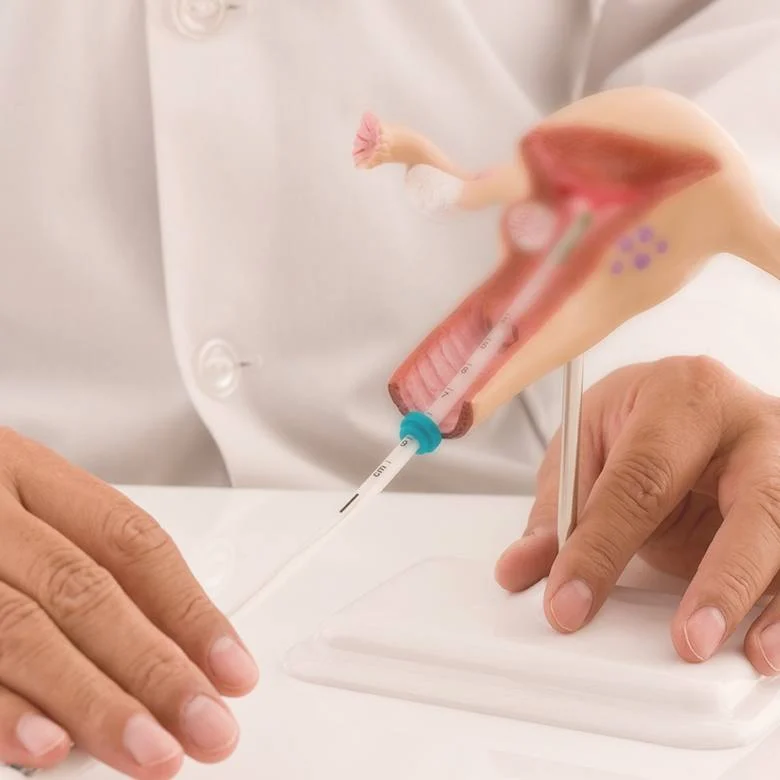
    model of the female reproductive system with a hand demonstrating intrauterine insemination technique

    Fertility Testing for Men and Women: What to Expect During the Process

    2. Hormone Testing:
    Hormonal imbalances in men can also affect fertility. Hormone testing involves blood tests to check the levels of testosterone, follicle-stimulating hormone (FSH), and luteinizing hormone (LH).

    3. Imaging Tests:
    Imaging tests, such as ultrasound scans, can help identify any structural abnormalities in the reproductive organs that may be affecting fertility.

    4. Genetic Testing:
    Some cases of male infertility may be due to genetic factors. Genetic testing can help identify any gene mutations that may be causing fertility issues.

    5. Testicular Biopsy:
    In some cases, a testicular biopsy may be recommended to check for any blockages or abnormalities in the testicles that may be affecting sperm production.

    What to Expect During the Process:

    Fertility testing can be a lengthy and emotional process for couples. It is essential to have open communication with your doctor and partner during this time. Here are some things to keep in mind:

    1. Patience is Key:
    Fertility testing can take time, and it is essential to be patient and not get discouraged if the results are not immediate.

    2. Discomfort:
    Some fertility tests may involve a certain level of discomfort, such as the HSG or testicular biopsy. It is essential to discuss any concerns with your doctor beforehand.

    3. Emotional Support:
    Fertility testing can be emotionally taxing for both partners. It is crucial to lean on each other for emotional support and seek counseling if needed.

    4. Cost:
    Fertility testing can be expensive, and it is important to discuss the costs with your doctor and insurance company beforehand.

    5. Treatment Options:
    Once the fertility testing is complete, your doctor will discuss the results and possible treatment options with you. These may include medication, surgery, or assisted reproductive techniques such as in vitro fertilization (IVF).

    In conclusion, fertility testing is a crucial step in the journey towards parenthood. It helps identify the underlying causes of infertility and allows for appropriate treatment to be recommended. It is essential to have open communication with your doctor and partner during this process and to be patient and supportive of each other.