Tag: men

  • Beyond the Numbers: Understanding Fertility Test Results for Men and Women

    Blog Post:

    When it comes to fertility, it’s natural for both men and women to have concerns about their reproductive health. And with the increasing number of couples struggling with fertility issues, it’s important to understand the role that fertility tests play in determining one’s ability to conceive. However, looking at the numbers on the test results can be overwhelming and confusing for many. That’s why it’s crucial to go beyond the numbers and gain a better understanding of what they mean. In this blog post, we’ll take a closer look at fertility test results for both men and women, and how to interpret them to make informed decisions about your reproductive health.

    Understanding Fertility Tests for Women:

    For women, fertility tests usually involve tracking their menstrual cycle, blood tests, and imaging tests such as ultrasounds. These tests are used to evaluate the different aspects of a woman’s reproductive health, including ovulation, hormone levels, and the health of her reproductive organs.

    1. Tracking Menstrual Cycle:

    Tracking the menstrual cycle is important in determining if a woman is ovulating regularly. This can be done by keeping track of the start and end dates of each period and noting any changes in the length of the cycle. An average menstrual cycle is around 28 days, but anything between 21-35 days is considered normal. If a woman’s cycle is consistently irregular, it could be a sign of ovulation issues.

    2. Blood Tests:

    Blood tests are used to measure the levels of hormones that are essential for fertility, such as follicle-stimulating hormone (FSH), luteinizing hormone (LH), and progesterone. These hormones play a crucial role in the ovulation process and their levels can indicate if there are any underlying issues with a woman’s reproductive health.

    3. Imaging Tests:

    Imaging tests, such as ultrasounds, are used to evaluate the health of a woman’s reproductive organs. They can detect any abnormalities, such as fibroids or cysts, that may be impacting fertility.

    Interpreting Fertility Test Results for Women:

    Now that we have a better understanding of the different types of fertility tests for women, let’s dive into how to interpret the results.

    1. Ovulation:

    The most important aspect of a woman’s fertility is ovulation. If the menstrual cycle is regular and ovulation is occurring, it’s a good sign of fertility. However, if there are irregularities in the cycle or the ovulation tests are negative, it could indicate issues with ovulation.

    2. Hormone Levels:

    The levels of FSH, LH, and progesterone in a woman’s blood can provide valuable insights into her fertility. High levels of FSH and LH can indicate problems with ovulation, while low levels of progesterone can suggest issues with the luteal phase of the menstrual cycle. It’s important to discuss these results with a healthcare provider to determine the best course of action.

    3. Reproductive Organ Health:

    Imaging tests can provide important information about the health of a woman’s reproductive organs. Any abnormalities, such as fibroids or cysts, can impact fertility and should be addressed by a healthcare provider.

    Understanding Fertility Tests for Men:

    For men, fertility tests usually involve semen analysis, blood tests, and physical exams. These tests are used to evaluate the quality and quantity of sperm, as well as the overall reproductive health of the male.

    A person administering an injection into their abdomen with a yellow pen-like device.

    Beyond the Numbers: Understanding Fertility Test Results for Men and Women

    1. Semen Analysis:

    Semen analysis is the most common fertility test for men. It involves collecting a semen sample and evaluating the quality and quantity of the sperm. The sperm count, motility, and morphology (shape and size) are important factors in determining male fertility.

    2. Blood Tests:

    Blood tests can measure hormone levels, such as testosterone, that can impact male fertility. They can also detect any underlying health conditions that may be affecting reproductive health.

    3. Physical Exam:

    A physical exam can provide insights into the overall health of the male reproductive system. This can include examining the testicles for any abnormalities or checking for varicoceles (enlarged veins in the scrotum).

    Interpreting Fertility Test Results for Men:

    Just like with women, understanding the results of fertility tests for men requires a closer look at the numbers.

    1. Sperm Count, Motility, and Morphology:

    Sperm count, motility, and morphology are important factors in male fertility. A low sperm count or poor sperm motility can make it difficult for sperm to reach and fertilize an egg. Abnormalities in sperm morphology can also impact fertility.

    2. Hormone Levels:

    Testosterone is the primary hormone responsible for male fertility. Low levels of testosterone can affect sperm production and quality.

    3. Physical Exam:

    A physical exam can detect any abnormalities that may be impacting male fertility, such as varicoceles or ejaculatory duct obstruction.

    Going Beyond the Numbers:

    It’s important to remember that fertility test results are just one piece of the puzzle when it comes to reproductive health. Other factors such as age, lifestyle habits, and medical history also play a role in fertility.

    If you have concerns about your fertility, it’s best to consult with a healthcare provider who can interpret the test results and provide personalized recommendations. They can also help you navigate through any potential fertility issues and discuss treatment options.

    In conclusion, understanding fertility test results for both men and women can help individuals make informed decisions about their reproductive health. By going beyond the numbers and looking at the bigger picture, we can gain a better understanding of our fertility and take proactive steps to optimize it.

    Summary:

    Fertility tests are crucial in determining one’s ability to conceive, but understanding the results can be challenging. For women, tracking the menstrual cycle, blood tests, and imaging tests are used to evaluate reproductive health. Interpreting the results involves looking at ovulation, hormone levels, and reproductive organ health. For men, semen analysis, blood tests, and physical exams are used to assess fertility. Understanding the numbers in sperm count, motility, morphology, and hormone levels can provide insights into male fertility. It’s important to remember that fertility tests are just one aspect of reproductive health and consulting with a healthcare provider is crucial for personalized recommendations and treatment options.


  • The Value of Knowledge: Why Men and Women Should Get Fertility Tests Before Trying to Conceive

    Blog Post Title: The Value of Knowledge: Why Men and Women Should Get Fertility Tests Before Trying to Conceive

    Summary:

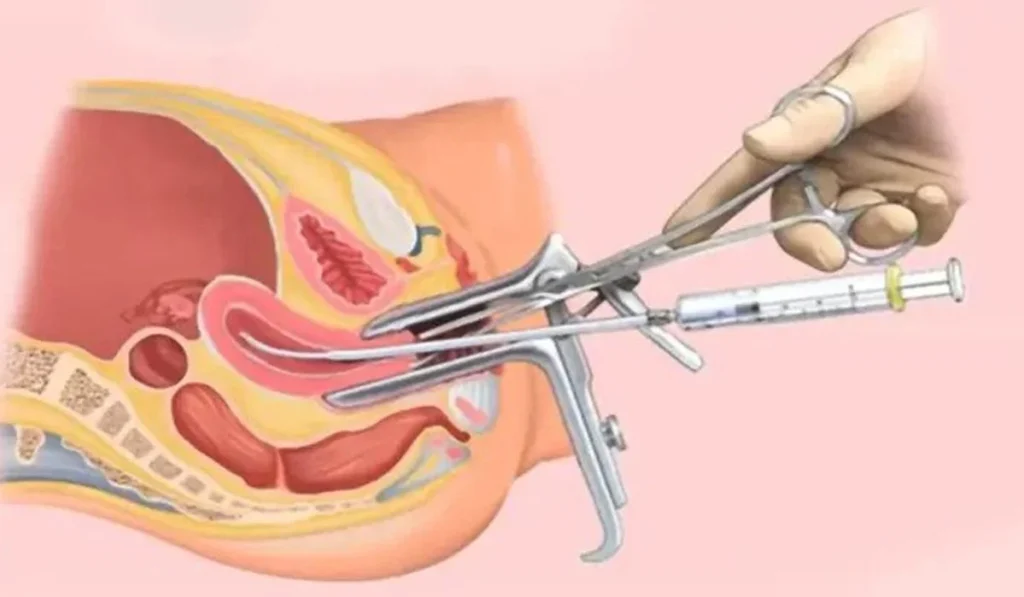
    diagram of the female reproductive system with an IUI syringe and test tube for artificial insemination

    The Value of Knowledge: Why Men and Women Should Get Fertility Tests Before Trying to Conceive

    When it comes to starting a family, many couples are eager to begin the journey of pregnancy and parenthood. However, it is important for both men and women to understand the value of knowledge and the role it plays in fertility. Getting fertility tests before trying to conceive can provide vital information that can help couples make informed decisions and increase their chances of conceiving a healthy baby.

    In this blog post, we will discuss the importance of fertility tests for both men and women. We will also explore the various types of tests available, their benefits, and how to prepare for them. Additionally, we will address common concerns and misconceptions about fertility tests and provide resources for those seeking further information.

  • The Emotional Side of Fertility Testing: How Men and Women Cope Differently

    In today’s society, fertility testing has become a common practice for couples who are struggling to conceive. While the physical aspects of fertility testing are well-known and discussed, the emotional impact of this process is often overlooked. Both men and women experience a rollercoaster of emotions during fertility testing, but they may cope with these feelings in different ways. In this blog post, we will explore the emotional side of fertility testing and how men and women cope differently.

    The Emotional Toll of Fertility Testing
    Fertility testing can be a long and stressful process, filled with hope, disappointment, and uncertainty. For many couples, it is the first time they are faced with the reality that having a child may not come as easily as they had hoped. This can be a devastating realization, and it often takes a toll on the emotional health of both men and women.

    Women often experience a range of emotions during fertility testing, including anxiety, guilt, and depression. They may feel like they are failing as a woman or partner because they are unable to get pregnant. This can lead to feelings of shame and isolation, especially if friends and family members around them are easily conceiving. Women may also feel angry and resentful towards their bodies, as they feel like they are not functioning as they should be.

    On the other hand, men may experience a different set of emotions during fertility testing. They may also feel anxious and guilty, but they may also struggle with feelings of inadequacy. Men are often taught that their role in a relationship is to provide and protect, and when they are unable to do so in terms of fertility, it can be a blow to their self-esteem. They may also feel powerless and frustrated, as they have little control over the situation.

    Coping Mechanisms
    Both men and women cope with the emotional toll of fertility testing in different ways. Women are more likely to seek emotional support and talk about their feelings with friends and family. They may also turn to online support groups or seek counseling to process their emotions. This is often seen as a healthier coping mechanism, as it allows women to express their feelings and work through them.

    diagram illustrating intrauterine insemination (IUI) procedure with uterus, sperm, and catheter labeled

    The Emotional Side of Fertility Testing: How Men and Women Cope Differently

    On the other hand, men are more likely to internalize their emotions and may not feel comfortable talking about their struggles with others. This can lead to feelings of isolation and can make it more difficult for them to process their emotions. As a result, men may turn to unhealthy coping mechanisms such as excessive drinking, overworking, or avoiding the topic altogether.

    The Role of Communication in Coping
    One of the most important factors in coping with the emotional side of fertility testing is communication between partners. Open and honest communication can help alleviate feelings of isolation and can bring couples closer together. However, many couples struggle with communicating about their emotions, as they may not know how to express themselves or fear burdening their partner with their feelings.

    It is important for couples to create a safe and supportive space for each other to share their emotions. This can include setting aside dedicated time to talk, actively listening without judgment, and being understanding of each other’s coping mechanisms. Seeking couples counseling can also be beneficial in improving communication and coping as a team.

    Dealing with Disappointment and Uncertainty
    One of the hardest parts of fertility testing is dealing with disappointment and uncertainty. Each cycle of testing brings a wave of emotions, and if the results are not what the couple had hoped for, it can be devastating. Women may blame themselves for not being able to conceive, while men may feel helpless and frustrated.

    It is important for couples to give themselves time to grieve and process their emotions. This can involve taking a break from fertility testing and focusing on self-care. It is also important to acknowledge that fertility testing is not a guarantee and that there is always a level of uncertainty. Learning to accept this and focus on the present can help couples cope with the emotional toll of fertility testing.

    In conclusion, fertility testing can take a significant emotional toll on both men and women. They may experience a range of emotions such as anxiety, guilt, and frustration, and may cope with these feelings in different ways. Open communication, seeking support, and taking breaks to focus on self-care can help couples navigate the emotional side of fertility testing together. And while the journey may be difficult, it is important to remember that there is always hope and support available for those struggling with fertility.

  • The Science Behind Fertility Testing: Uncovering the Differences for Men and Women

    Summary:

    Fertility is a topic that is often associated with women, but the reality is that both men and women play important roles in the process of conception. With advancements in science and technology, fertility testing has become more accessible and accurate for both men and women. However, there are significant differences in the types of tests and procedures used to determine fertility in each gender. In this blog post, we will dive into the science behind fertility testing and uncover the key differences for men and women.

    The Basics of Fertility:

    Before delving into the specifics of fertility testing, it is important to understand the basics of fertility. In both men and women, fertility is determined by the ability to produce healthy, viable sperm or eggs. For women, fertility also includes the ability to carry a pregnancy to full term. Fertility is affected by a variety of factors, including age, genetics, lifestyle choices, and underlying medical conditions.

    Fertility Testing for Women:

    For women, fertility testing often begins with a physical exam and a review of medical history. This can help identify any underlying conditions that may be affecting fertility, such as hormonal imbalances or structural issues in the reproductive organs. The most common fertility test for women is the ovarian reserve test, which measures the quantity and quality of a woman’s remaining eggs. Other tests may include hormone level testing, ultrasound imaging, and a hysterosalpingogram (HSG) to check for any blockages in the fallopian tubes.

    Fertility Testing for Men:

    For men, fertility testing typically begins with a semen analysis, which measures the quantity and quality of sperm. Other tests may include hormone level testing and ultrasound imaging to check for any structural issues in the reproductive organs. In some cases, genetic testing may also be recommended to identify any underlying genetic conditions that may affect fertility.

    illustration of an intrauterine insemination procedure with medical instruments and anatomical details

    The Science Behind Fertility Testing: Uncovering the Differences for Men and Women

    Key Differences in Fertility Testing:

    One of the key differences between fertility testing for men and women is the focus on egg and sperm quality. In women, the quantity and quality of remaining eggs is a major factor in fertility, while in men, the quantity and quality of sperm is crucial. Additionally, fertility testing for women often involves more invasive procedures, such as ultrasounds and HSGs, while for men, a simple semen analysis is usually sufficient.

    Another major difference is the age factor. For women, fertility declines significantly after the age of 35, while men generally have a longer window of fertility. This means that fertility testing may be recommended earlier for women compared to men.

    The Role of Genetics:

    Genetics play a significant role in fertility for both men and women. In women, genetic mutations or disorders can affect the quality and quantity of eggs, making it more difficult to conceive. In men, genetic conditions can affect sperm production and quality. This is why genetic testing may be recommended for both men and women during fertility testing.

    The Advancements in Fertility Testing:

    Thanks to advancements in science and technology, fertility testing has become more accurate and accessible for both men and women. For example, ovarian reserve testing has become more precise and reliable, allowing doctors to better predict a woman’s chances of conceiving. In men, advancements in semen analysis techniques have improved the accuracy of sperm testing. Additionally, genetic testing has become more advanced, allowing doctors to identify specific genetic conditions that may impact fertility.

    In Conclusion:

    Fertility testing is an important step for couples trying to conceive. Understanding the science behind fertility testing and the key differences between men and women can help couples make informed decisions about their fertility journey. With advancements in technology and the increasing understanding of genetics, fertility testing has become more accurate and accessible, giving hope to couples who are struggling to conceive.

  • He Said, She Said: Perspectives on Fertility Testing for Men and Women

    Blog Post:

    Fertility is an important aspect of reproductive health and is often a topic that is discussed among couples who are trying to conceive. However, when it comes to fertility testing, there seems to be a difference in perspectives between men and women. While both parties may have similar concerns, their approach to fertility testing and the impact it has on their relationship can differ greatly. In this blog post, we will explore the different he said, she said perspectives on fertility testing for men and women.

    He Said:

    From a man’s perspective, fertility testing can be seen as an invasion of privacy and a threat to their masculinity. There is a societal pressure for men to be virile and able to impregnate their partners, so the idea of being tested for fertility can be intimidating. Men may also feel like their role in the reproductive process is being questioned, which can lead to feelings of inadequacy and shame.

    Furthermore, men may have a fear of what the results of the fertility test may reveal. If they are found to have low sperm count or other fertility issues, it can be a blow to their self-esteem and may cause them to feel like they have failed their partner. This can also lead to a fear of disappointing their partner and potentially damaging their relationship.

    She Said:

    On the other hand, women may see fertility testing as a necessary step in their journey towards motherhood. For women, fertility is not just a physical aspect but also an emotional one. The desire to have a child and the fear of not being able to conceive can be overwhelming. Fertility testing can provide answers and peace of mind, and also help women understand their reproductive health better.

    In addition, women may also feel a sense of urgency when it comes to fertility testing. As women age, their fertility declines, and this can add pressure to the already emotional process of trying to conceive. Women may also feel like they are the ones responsible for ensuring the health of their reproductive system, and fertility testing can help them take control of their fertility journey.

    IVF vs IUI comparison graphic highlighting reproductive methods for aspiring parents.

    He Said, She Said: Perspectives on Fertility Testing for Men and Women

    The Impact on the Relationship:

    The different perspectives on fertility testing can have a significant impact on the relationship between a man and a woman. The fear, shame, and pressure that both parties may experience can create tension and affect their communication and intimacy. Men may feel like they are being pushed to do something they are not ready for, while women may feel like their partner is not taking their desire for a child seriously.

    Moreover, the results of the fertility test can also have an impact on the dynamics of the relationship. If a man is found to have fertility issues, it may lead to feelings of guilt and resentment towards his partner, who may feel like she has been let down. Similarly, if a woman is found to have fertility problems, it can cause feelings of inadequacy and frustration, especially if her partner is found to have no issues.

    Finding a Middle Ground:

    Communication is key when it comes to fertility testing and its impact on the relationship. Both parties need to have an open and honest conversation about their fears, concerns, and expectations regarding fertility testing. It is essential to understand that fertility issues are not the fault of one person, and it is a shared responsibility to address them.

    Couples can also consider going for fertility testing together, as this can help create a sense of support and understanding. It can also help ease the pressure and potential blame game that may arise if one partner is found to have fertility issues. Fertility testing can also be an opportunity for couples to strengthen their bond and work together towards their goal of starting a family.

    In conclusion, the different perspectives on fertility testing for men and women highlight the importance of communication and understanding in a relationship. It is essential to acknowledge and address the fears and concerns of both parties and approach fertility testing as a shared responsibility. With open communication and support, fertility testing can be a positive step towards achieving the goal of starting a family.

    Summary:

    Fertility testing can be a sensitive and emotional topic for couples trying to conceive. While men may see it as a threat to their masculinity and invade their privacy, women may view it as a necessary step towards motherhood. This difference in perspectives can create tension and affect the relationship dynamics. However, open communication and understanding can help couples find a middle ground and approach fertility testing as a shared responsibility. With the right mindset and support, fertility testing can be a positive step towards starting a family.