Tag: Women

  • Beyond the Numbers: Understanding Fertility Test Results for Men and Women

    Blog Post:

    When it comes to fertility, it’s natural for both men and women to have concerns about their reproductive health. And with the increasing number of couples struggling with fertility issues, it’s important to understand the role that fertility tests play in determining one’s ability to conceive. However, looking at the numbers on the test results can be overwhelming and confusing for many. That’s why it’s crucial to go beyond the numbers and gain a better understanding of what they mean. In this blog post, we’ll take a closer look at fertility test results for both men and women, and how to interpret them to make informed decisions about your reproductive health.

    Understanding Fertility Tests for Women:

    For women, fertility tests usually involve tracking their menstrual cycle, blood tests, and imaging tests such as ultrasounds. These tests are used to evaluate the different aspects of a woman’s reproductive health, including ovulation, hormone levels, and the health of her reproductive organs.

    1. Tracking Menstrual Cycle:

    Tracking the menstrual cycle is important in determining if a woman is ovulating regularly. This can be done by keeping track of the start and end dates of each period and noting any changes in the length of the cycle. An average menstrual cycle is around 28 days, but anything between 21-35 days is considered normal. If a woman’s cycle is consistently irregular, it could be a sign of ovulation issues.

    2. Blood Tests:

    Blood tests are used to measure the levels of hormones that are essential for fertility, such as follicle-stimulating hormone (FSH), luteinizing hormone (LH), and progesterone. These hormones play a crucial role in the ovulation process and their levels can indicate if there are any underlying issues with a woman’s reproductive health.

    3. Imaging Tests:

    Imaging tests, such as ultrasounds, are used to evaluate the health of a woman’s reproductive organs. They can detect any abnormalities, such as fibroids or cysts, that may be impacting fertility.

    Interpreting Fertility Test Results for Women:

    Now that we have a better understanding of the different types of fertility tests for women, let’s dive into how to interpret the results.

    1. Ovulation:

    The most important aspect of a woman’s fertility is ovulation. If the menstrual cycle is regular and ovulation is occurring, it’s a good sign of fertility. However, if there are irregularities in the cycle or the ovulation tests are negative, it could indicate issues with ovulation.

    2. Hormone Levels:

    The levels of FSH, LH, and progesterone in a woman’s blood can provide valuable insights into her fertility. High levels of FSH and LH can indicate problems with ovulation, while low levels of progesterone can suggest issues with the luteal phase of the menstrual cycle. It’s important to discuss these results with a healthcare provider to determine the best course of action.

    3. Reproductive Organ Health:

    Imaging tests can provide important information about the health of a woman’s reproductive organs. Any abnormalities, such as fibroids or cysts, can impact fertility and should be addressed by a healthcare provider.

    Understanding Fertility Tests for Men:

    For men, fertility tests usually involve semen analysis, blood tests, and physical exams. These tests are used to evaluate the quality and quantity of sperm, as well as the overall reproductive health of the male.

    A person administering an injection into their abdomen with a yellow pen-like device.

    Beyond the Numbers: Understanding Fertility Test Results for Men and Women

    1. Semen Analysis:

    Semen analysis is the most common fertility test for men. It involves collecting a semen sample and evaluating the quality and quantity of the sperm. The sperm count, motility, and morphology (shape and size) are important factors in determining male fertility.

    2. Blood Tests:

    Blood tests can measure hormone levels, such as testosterone, that can impact male fertility. They can also detect any underlying health conditions that may be affecting reproductive health.

    3. Physical Exam:

    A physical exam can provide insights into the overall health of the male reproductive system. This can include examining the testicles for any abnormalities or checking for varicoceles (enlarged veins in the scrotum).

    Interpreting Fertility Test Results for Men:

    Just like with women, understanding the results of fertility tests for men requires a closer look at the numbers.

    1. Sperm Count, Motility, and Morphology:

    Sperm count, motility, and morphology are important factors in male fertility. A low sperm count or poor sperm motility can make it difficult for sperm to reach and fertilize an egg. Abnormalities in sperm morphology can also impact fertility.

    2. Hormone Levels:

    Testosterone is the primary hormone responsible for male fertility. Low levels of testosterone can affect sperm production and quality.

    3. Physical Exam:

    A physical exam can detect any abnormalities that may be impacting male fertility, such as varicoceles or ejaculatory duct obstruction.

    Going Beyond the Numbers:

    It’s important to remember that fertility test results are just one piece of the puzzle when it comes to reproductive health. Other factors such as age, lifestyle habits, and medical history also play a role in fertility.

    If you have concerns about your fertility, it’s best to consult with a healthcare provider who can interpret the test results and provide personalized recommendations. They can also help you navigate through any potential fertility issues and discuss treatment options.

    In conclusion, understanding fertility test results for both men and women can help individuals make informed decisions about their reproductive health. By going beyond the numbers and looking at the bigger picture, we can gain a better understanding of our fertility and take proactive steps to optimize it.

    Summary:

    Fertility tests are crucial in determining one’s ability to conceive, but understanding the results can be challenging. For women, tracking the menstrual cycle, blood tests, and imaging tests are used to evaluate reproductive health. Interpreting the results involves looking at ovulation, hormone levels, and reproductive organ health. For men, semen analysis, blood tests, and physical exams are used to assess fertility. Understanding the numbers in sperm count, motility, morphology, and hormone levels can provide insights into male fertility. It’s important to remember that fertility tests are just one aspect of reproductive health and consulting with a healthcare provider is crucial for personalized recommendations and treatment options.
  • The Value of Knowledge: Why Men and Women Should Get Fertility Tests Before Trying to Conceive

    Blog Post Title: The Value of Knowledge: Why Men and Women Should Get Fertility Tests Before Trying to Conceive

    Summary:

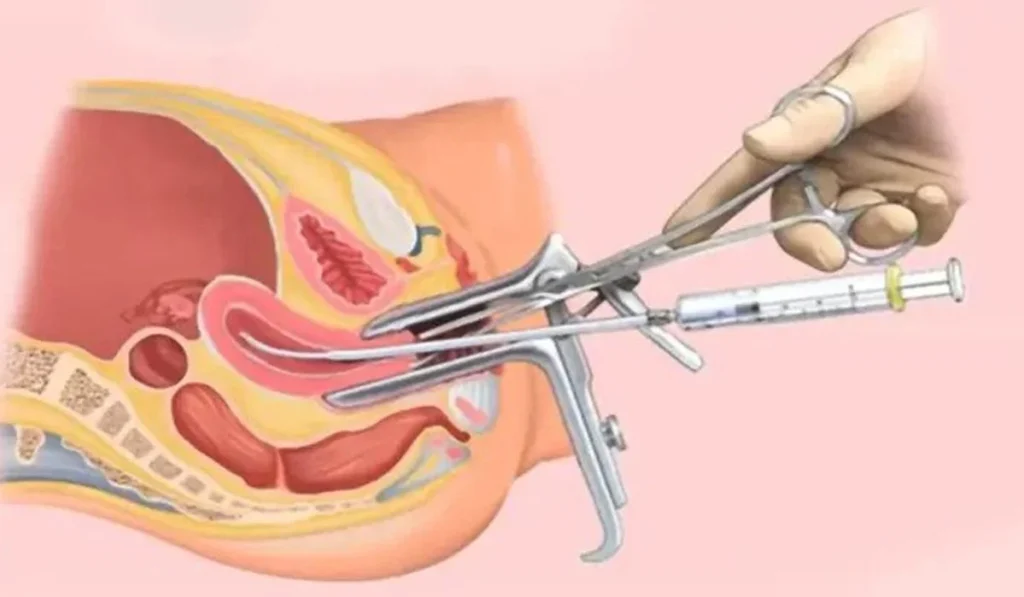
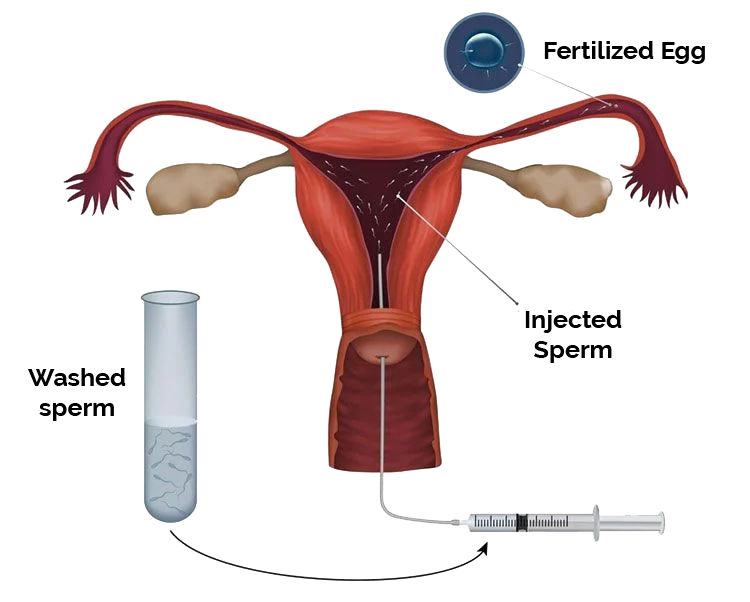
    diagram of the female reproductive system with an IUI syringe and test tube for artificial insemination

    The Value of Knowledge: Why Men and Women Should Get Fertility Tests Before Trying to Conceive

    When it comes to starting a family, many couples are eager to begin the journey of pregnancy and parenthood. However, it is important for both men and women to understand the value of knowledge and the role it plays in fertility. Getting fertility tests before trying to conceive can provide vital information that can help couples make informed decisions and increase their chances of conceiving a healthy baby.

    In this blog post, we will discuss the importance of fertility tests for both men and women. We will also explore the various types of tests available, their benefits, and how to prepare for them. Additionally, we will address common concerns and misconceptions about fertility tests and provide resources for those seeking further information.

  • The Emotional Side of Fertility Testing: How Men and Women Cope Differently

    In today’s society, fertility testing has become a common practice for couples who are struggling to conceive. While the physical aspects of fertility testing are well-known and discussed, the emotional impact of this process is often overlooked. Both men and women experience a rollercoaster of emotions during fertility testing, but they may cope with these feelings in different ways. In this blog post, we will explore the emotional side of fertility testing and how men and women cope differently.

    The Emotional Toll of Fertility Testing
    Fertility testing can be a long and stressful process, filled with hope, disappointment, and uncertainty. For many couples, it is the first time they are faced with the reality that having a child may not come as easily as they had hoped. This can be a devastating realization, and it often takes a toll on the emotional health of both men and women.

    Women often experience a range of emotions during fertility testing, including anxiety, guilt, and depression. They may feel like they are failing as a woman or partner because they are unable to get pregnant. This can lead to feelings of shame and isolation, especially if friends and family members around them are easily conceiving. Women may also feel angry and resentful towards their bodies, as they feel like they are not functioning as they should be.

    On the other hand, men may experience a different set of emotions during fertility testing. They may also feel anxious and guilty, but they may also struggle with feelings of inadequacy. Men are often taught that their role in a relationship is to provide and protect, and when they are unable to do so in terms of fertility, it can be a blow to their self-esteem. They may also feel powerless and frustrated, as they have little control over the situation.

    Coping Mechanisms
    Both men and women cope with the emotional toll of fertility testing in different ways. Women are more likely to seek emotional support and talk about their feelings with friends and family. They may also turn to online support groups or seek counseling to process their emotions. This is often seen as a healthier coping mechanism, as it allows women to express their feelings and work through them.

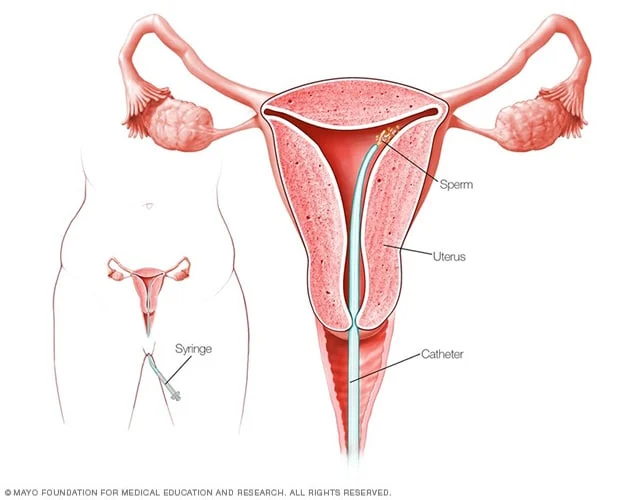
    diagram illustrating intrauterine insemination (IUI) procedure with uterus, sperm, and catheter labeled

    The Emotional Side of Fertility Testing: How Men and Women Cope Differently

    On the other hand, men are more likely to internalize their emotions and may not feel comfortable talking about their struggles with others. This can lead to feelings of isolation and can make it more difficult for them to process their emotions. As a result, men may turn to unhealthy coping mechanisms such as excessive drinking, overworking, or avoiding the topic altogether.

    The Role of Communication in Coping
    One of the most important factors in coping with the emotional side of fertility testing is communication between partners. Open and honest communication can help alleviate feelings of isolation and can bring couples closer together. However, many couples struggle with communicating about their emotions, as they may not know how to express themselves or fear burdening their partner with their feelings.

    It is important for couples to create a safe and supportive space for each other to share their emotions. This can include setting aside dedicated time to talk, actively listening without judgment, and being understanding of each other’s coping mechanisms. Seeking couples counseling can also be beneficial in improving communication and coping as a team.

    Dealing with Disappointment and Uncertainty
    One of the hardest parts of fertility testing is dealing with disappointment and uncertainty. Each cycle of testing brings a wave of emotions, and if the results are not what the couple had hoped for, it can be devastating. Women may blame themselves for not being able to conceive, while men may feel helpless and frustrated.

    It is important for couples to give themselves time to grieve and process their emotions. This can involve taking a break from fertility testing and focusing on self-care. It is also important to acknowledge that fertility testing is not a guarantee and that there is always a level of uncertainty. Learning to accept this and focus on the present can help couples cope with the emotional toll of fertility testing.

    In conclusion, fertility testing can take a significant emotional toll on both men and women. They may experience a range of emotions such as anxiety, guilt, and frustration, and may cope with these feelings in different ways. Open communication, seeking support, and taking breaks to focus on self-care can help couples navigate the emotional side of fertility testing together. And while the journey may be difficult, it is important to remember that there is always hope and support available for those struggling with fertility.

  • The Science Behind Fertility Testing: Uncovering the Differences for Men and Women

    Summary:

    Fertility is a topic that is often associated with women, but the reality is that both men and women play important roles in the process of conception. With advancements in science and technology, fertility testing has become more accessible and accurate for both men and women. However, there are significant differences in the types of tests and procedures used to determine fertility in each gender. In this blog post, we will dive into the science behind fertility testing and uncover the key differences for men and women.

    The Basics of Fertility:

    Before delving into the specifics of fertility testing, it is important to understand the basics of fertility. In both men and women, fertility is determined by the ability to produce healthy, viable sperm or eggs. For women, fertility also includes the ability to carry a pregnancy to full term. Fertility is affected by a variety of factors, including age, genetics, lifestyle choices, and underlying medical conditions.

    Fertility Testing for Women:

    For women, fertility testing often begins with a physical exam and a review of medical history. This can help identify any underlying conditions that may be affecting fertility, such as hormonal imbalances or structural issues in the reproductive organs. The most common fertility test for women is the ovarian reserve test, which measures the quantity and quality of a woman’s remaining eggs. Other tests may include hormone level testing, ultrasound imaging, and a hysterosalpingogram (HSG) to check for any blockages in the fallopian tubes.

    Fertility Testing for Men:

    For men, fertility testing typically begins with a semen analysis, which measures the quantity and quality of sperm. Other tests may include hormone level testing and ultrasound imaging to check for any structural issues in the reproductive organs. In some cases, genetic testing may also be recommended to identify any underlying genetic conditions that may affect fertility.

    illustration of an intrauterine insemination procedure with medical instruments and anatomical details

    The Science Behind Fertility Testing: Uncovering the Differences for Men and Women

    Key Differences in Fertility Testing:

    One of the key differences between fertility testing for men and women is the focus on egg and sperm quality. In women, the quantity and quality of remaining eggs is a major factor in fertility, while in men, the quantity and quality of sperm is crucial. Additionally, fertility testing for women often involves more invasive procedures, such as ultrasounds and HSGs, while for men, a simple semen analysis is usually sufficient.

    Another major difference is the age factor. For women, fertility declines significantly after the age of 35, while men generally have a longer window of fertility. This means that fertility testing may be recommended earlier for women compared to men.

    The Role of Genetics:

    Genetics play a significant role in fertility for both men and women. In women, genetic mutations or disorders can affect the quality and quantity of eggs, making it more difficult to conceive. In men, genetic conditions can affect sperm production and quality. This is why genetic testing may be recommended for both men and women during fertility testing.

    The Advancements in Fertility Testing:

    Thanks to advancements in science and technology, fertility testing has become more accurate and accessible for both men and women. For example, ovarian reserve testing has become more precise and reliable, allowing doctors to better predict a woman’s chances of conceiving. In men, advancements in semen analysis techniques have improved the accuracy of sperm testing. Additionally, genetic testing has become more advanced, allowing doctors to identify specific genetic conditions that may impact fertility.

    In Conclusion:

    Fertility testing is an important step for couples trying to conceive. Understanding the science behind fertility testing and the key differences between men and women can help couples make informed decisions about their fertility journey. With advancements in technology and the increasing understanding of genetics, fertility testing has become more accurate and accessible, giving hope to couples who are struggling to conceive.

  • He Said, She Said: Perspectives on Fertility Testing for Men and Women

    Blog Post:

    Fertility is an important aspect of reproductive health and is often a topic that is discussed among couples who are trying to conceive. However, when it comes to fertility testing, there seems to be a difference in perspectives between men and women. While both parties may have similar concerns, their approach to fertility testing and the impact it has on their relationship can differ greatly. In this blog post, we will explore the different he said, she said perspectives on fertility testing for men and women.

    He Said:

    From a man’s perspective, fertility testing can be seen as an invasion of privacy and a threat to their masculinity. There is a societal pressure for men to be virile and able to impregnate their partners, so the idea of being tested for fertility can be intimidating. Men may also feel like their role in the reproductive process is being questioned, which can lead to feelings of inadequacy and shame.

    Furthermore, men may have a fear of what the results of the fertility test may reveal. If they are found to have low sperm count or other fertility issues, it can be a blow to their self-esteem and may cause them to feel like they have failed their partner. This can also lead to a fear of disappointing their partner and potentially damaging their relationship.

    She Said:

    On the other hand, women may see fertility testing as a necessary step in their journey towards motherhood. For women, fertility is not just a physical aspect but also an emotional one. The desire to have a child and the fear of not being able to conceive can be overwhelming. Fertility testing can provide answers and peace of mind, and also help women understand their reproductive health better.

    In addition, women may also feel a sense of urgency when it comes to fertility testing. As women age, their fertility declines, and this can add pressure to the already emotional process of trying to conceive. Women may also feel like they are the ones responsible for ensuring the health of their reproductive system, and fertility testing can help them take control of their fertility journey.

    IVF vs IUI comparison graphic highlighting reproductive methods for aspiring parents.

    He Said, She Said: Perspectives on Fertility Testing for Men and Women

    The Impact on the Relationship:

    The different perspectives on fertility testing can have a significant impact on the relationship between a man and a woman. The fear, shame, and pressure that both parties may experience can create tension and affect their communication and intimacy. Men may feel like they are being pushed to do something they are not ready for, while women may feel like their partner is not taking their desire for a child seriously.

    Moreover, the results of the fertility test can also have an impact on the dynamics of the relationship. If a man is found to have fertility issues, it may lead to feelings of guilt and resentment towards his partner, who may feel like she has been let down. Similarly, if a woman is found to have fertility problems, it can cause feelings of inadequacy and frustration, especially if her partner is found to have no issues.

    Finding a Middle Ground:

    Communication is key when it comes to fertility testing and its impact on the relationship. Both parties need to have an open and honest conversation about their fears, concerns, and expectations regarding fertility testing. It is essential to understand that fertility issues are not the fault of one person, and it is a shared responsibility to address them.

    Couples can also consider going for fertility testing together, as this can help create a sense of support and understanding. It can also help ease the pressure and potential blame game that may arise if one partner is found to have fertility issues. Fertility testing can also be an opportunity for couples to strengthen their bond and work together towards their goal of starting a family.

    In conclusion, the different perspectives on fertility testing for men and women highlight the importance of communication and understanding in a relationship. It is essential to acknowledge and address the fears and concerns of both parties and approach fertility testing as a shared responsibility. With open communication and support, fertility testing can be a positive step towards achieving the goal of starting a family.

    Summary:

    Fertility testing can be a sensitive and emotional topic for couples trying to conceive. While men may see it as a threat to their masculinity and invade their privacy, women may view it as a necessary step towards motherhood. This difference in perspectives can create tension and affect the relationship dynamics. However, open communication and understanding can help couples find a middle ground and approach fertility testing as a shared responsibility. With the right mindset and support, fertility testing can be a positive step towards starting a family.

  • Fertility Nutrition for Women Over 40: Tips and Tricks for Conception

    Blog Post: Fertility Nutrition for Women Over 40: Tips and Tricks for Conception

    As women age, their fertility naturally decreases, making it more challenging to conceive. This is especially true for women over the age of 40, who may face additional obstacles when trying to get pregnant. While there are many factors that can affect fertility, nutrition plays a crucial role in increasing the chances of conception for women over 40. In this blog post, we will explore the best tips and tricks for fertility nutrition for women over 40.

    1. Eat a Balanced Diet

    The first and most important tip for fertility nutrition for women over 40 is to eat a balanced diet. This means including a variety of whole foods such as fruits, vegetables, whole grains, lean proteins, and healthy fats in your meals. A balanced diet not only provides essential nutrients for overall health but also supports reproductive health. It is recommended to consume a diet that is rich in antioxidants, folate, iron, and omega-3 fatty acids, as these nutrients are crucial for fertility.

    2. Increase Your Intake of Folate

    Folate, also known as folic acid, is a B vitamin that is essential for fetal development and can help prevent birth defects. For women over 40, it is recommended to increase the intake of folate through dietary sources such as leafy greens, legumes, fortified cereals, and supplements. Adequate folate intake can also improve the chances of ovulation and support a healthy pregnancy.

    3. Consume Healthy Fats

    Healthy fats, such as omega-3 fatty acids, are essential for reproductive health. They help regulate hormones, promote ovulation, and support the development of the baby’s brain and nervous system. Good sources of healthy fats include salmon, avocados, nuts, and seeds. It is recommended to incorporate these foods into your diet regularly, especially for women over 40 who may have a higher risk of pregnancy complications.

    4. Avoid Trans Fats and Processed Foods

    While healthy fats are beneficial for fertility, trans fats found in processed foods can have the opposite effect. Studies have shown that trans fats can disrupt hormone levels and decrease fertility. Processed foods, in general, lack essential nutrients and can negatively impact overall health and fertility. It is best to limit the consumption of these foods and focus on whole, nutrient-dense options.

    5. Stay Hydrated

    Staying hydrated is crucial for overall health, and it is especially important for fertility. Dehydration can affect cervical mucus, making it more difficult for sperm to reach the egg. It can also lead to hormonal imbalances and disrupt the menstrual cycle. Therefore, it is recommended to drink at least eight glasses of water a day and more if necessary, depending on your activity level and climate.

    illustration of intrauterine insemination procedure with a hand holding a speculum and syringe near the uterus

    Fertility Nutrition for Women Over 40: Tips and Tricks for Conception

    6. Limit Caffeine and Alcohol Intake

    Both caffeine and alcohol have been linked to decreased fertility in women. Caffeine can affect hormone levels and disrupt ovulation, while alcohol can decrease the quality of eggs and sperm. It is recommended to limit caffeine intake to 200mg per day (equivalent to one cup of coffee) and to avoid alcohol completely when trying to conceive.

    7. Consider Supplements

    In addition to a balanced diet, supplements can also support fertility in women over 40. Some essential supplements to consider include prenatal vitamins, vitamin D, and CoQ10. Prenatal vitamins provide the necessary nutrients for a healthy pregnancy, while vitamin D can improve hormone balance and support reproductive health. CoQ10 is also beneficial for women over 40 as it can improve egg quality and increase the chances of conception.

    8. Manage Stress Levels

    Stress can significantly impact fertility, and women over 40 may experience more stress when trying to conceive due to various factors such as age and past experiences. It is essential to manage stress levels through relaxation techniques, exercise, and seeking support from loved ones or a therapist. Reducing stress can help regulate hormone levels and improve overall reproductive health.

    9. Consult with a Nutritionist

    If you are struggling with fertility, it may be beneficial to consult with a nutritionist who specializes in fertility. They can assess your current diet and provide personalized recommendations to support your fertility journey. They can also help create a meal plan that includes all the necessary nutrients for conception.

    10. Be Patient and Persistent

    Last but not least, it is crucial to be patient and persistent when trying to conceive, especially for women over 40. It may take longer to get pregnant, and there may be setbacks along the way. Be kind to yourself and trust in the process. Remember to focus on maintaining a healthy lifestyle and staying positive.

    In conclusion, fertility nutrition is essential for women over 40 who are trying to conceive. A balanced diet, adequate intake of nutrients such as folate and healthy fats, staying hydrated, and managing stress levels are all crucial for improving fertility. Be patient, persistent, and don’t be afraid to seek support from a nutritionist or healthcare provider. With these tips and tricks, you can increase your chances of conception and support a healthy pregnancy.

    Summary:

    Fertility nutrition is crucial for women over 40 who are trying to conceive. A balanced diet that includes essential nutrients such as folate and healthy fats, staying hydrated, and managing stress levels can all improve fertility. It is also essential to limit caffeine and alcohol intake and consider supplements. Consulting with a nutritionist and being patient and persistent can also support the fertility journey.

  • Fertility Coaching for Women Over 35: Breaking the Age Barrier

    Summary:

    As women age, their fertility declines, making it more difficult to conceive and carry a pregnancy to term. This can be a source of frustration and disappointment for many women over the age of 35 who may have delayed starting a family due to career goals or personal reasons. However, with the help of fertility coaching, women over 35 can break the age barrier and increase their chances of successful pregnancy and motherhood.

    In this blog post, we will explore the importance of fertility coaching for women over 35, the challenges they face, and how coaching can help them overcome these challenges. We will also discuss the key aspects of fertility coaching and the benefits it offers for women over 35.

    Why is Fertility Coaching Important for Women Over 35?

    While fertility declines with age for both men and women, women over 35 face more challenges due to the natural aging process of their reproductive system. As a woman ages, the quality and quantity of her eggs decrease, making it harder to conceive and increasing the risk of chromosomal abnormalities. This can lead to a longer and more difficult journey towards pregnancy and motherhood for women over 35.

    Fertility coaching can help women over 35 navigate these challenges and increase their chances of successful pregnancy. A fertility coach provides emotional support, guidance, and resources to help women understand their fertility journey, make informed decisions, and overcome any obstacles that may arise.

    Challenges Faced by Women Over 35

    Apart from the natural decline in fertility, women over 35 may also face other challenges that can impact their chances of conceiving. These challenges can include:

    1. Increased stress levels: Women over 35 may experience higher levels of stress due to the pressure of trying to conceive within a certain timeframe and the fear of not being able to conceive at all.

    2. Lifestyle factors: As women age, they may be more likely to have unhealthy lifestyle habits such as smoking, excessive alcohol consumption, or poor nutrition, which can negatively affect fertility.

    3. Health conditions: Women over 35 may have underlying health conditions that can impact their fertility, such as polycystic ovary syndrome (PCOS), endometriosis, or thyroid disorders.

    4. Previous unsuccessful attempts: Many women over 35 have already been trying to conceive for a while and may have had unsuccessful attempts, leading to feelings of disappointment and frustration.

    How Can Fertility Coaching Help?

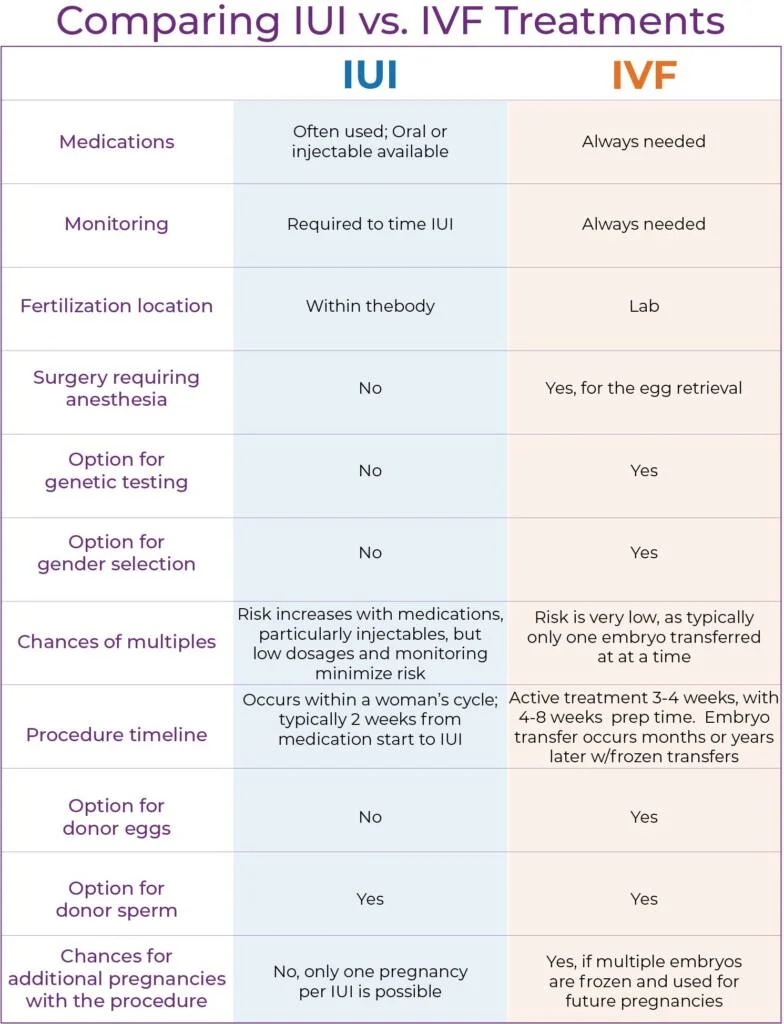
    Comparison chart of IUI and IVF treatments, detailing medications, monitoring, procedures, and success rates.

    Fertility Coaching for Women Over 35: Breaking the Age Barrier

    Fertility coaching offers a supportive and personalized approach to help women over 35 overcome these challenges and increase their chances of pregnancy. The key aspects of fertility coaching include:

    1. Emotional support: Fertility coaching provides a safe and non-judgmental space for women to express their emotions and fears. A fertility coach can offer emotional support and help women work through any negative feelings that may arise during their fertility journey.

    2. Education and information: Many women over 35 may not be aware of the impact of age on fertility or the various options available to them. A fertility coach can educate women about their fertility and provide them with evidence-based information to make informed decisions.

    3. Lifestyle guidance: Fertility coaching can also help women over 35 make positive lifestyle changes to improve their fertility. A fertility coach can provide guidance on nutrition, exercise, and stress management techniques to increase the chances of successful pregnancy.

    4. Advocacy and communication: Fertility coaching can also help women over 35 advocate for themselves and effectively communicate with their healthcare providers. This can ensure that their concerns and needs are addressed, and they receive the best possible care during their fertility journey.

    Benefits of Fertility Coaching for Women Over 35

    1. Increased self-care: Fertility coaching encourages women over 35 to prioritize their physical, emotional, and mental well-being. This can help them manage stress, make healthier lifestyle choices, and improve their overall fertility health.

    2. Empowerment: Fertility coaching empowers women over 35 by providing them with the knowledge and tools to take control of their fertility journey. This can reduce feelings of helplessness and increase confidence in their ability to conceive and carry a pregnancy to term.

    3. Personalized approach: Fertility coaching offers a personalized approach tailored to each woman’s unique needs and circumstances. This can be especially beneficial for women over 35, as their fertility journey may be more complex and require individualized support and guidance.

    Breaking the Age Barrier with Fertility Coaching

    While age can be a significant factor in fertility, it does not have to be a barrier to achieving pregnancy and motherhood. Fertility coaching for women over 35 can help break this barrier by providing the necessary support and resources to overcome challenges, make lifestyle changes, and increase the chances of successful pregnancy.

    In conclusion, fertility coaching offers a valuable and supportive resource for women over 35 who are trying to conceive. It can help them navigate the challenges of age-related fertility decline, improve their overall fertility health, and empower them to take control of their fertility journey. With the help of fertility coaching, women over 35 can break the age barrier and achieve their dream of becoming mothers.

    SEO metadata:

  • Fertility Tracking Apps: From Ovulation to Pregnancy, They’ve Got You Covered

    Summary:

    Fertility tracking apps have revolutionized the way women track their menstrual cycles, ovulation, and fertility. These apps offer a convenient and user-friendly way to monitor and understand one’s reproductive health. From predicting ovulation and fertile days to tracking symptoms and pregnancy progress, these apps have got you covered. In this blog post, we will explore the different types of fertility tracking apps available, their features and benefits, and how they can help you on your journey to parenthood.

    Introduction:

    For many women, understanding their menstrual cycles, ovulation, and fertility can be a daunting task. However, with the rise of fertility tracking apps, this process has become much easier and more accessible. These apps use algorithms and data input by the user to predict ovulation, fertile days, and even pregnancy progress. With the help of these apps, women can better understand their bodies and plan for pregnancy or avoid it, depending on their goals. Let’s dive into the world of fertility tracking apps and see how they can be beneficial for women of all ages.

    Types of Fertility Tracking Apps:

    There are several types of fertility tracking apps available in the market today. Some use the basal body temperature method, while others rely on the calendar method or cervical mucus tracking. Some apps combine multiple methods and use advanced algorithms to provide accurate predictions. The type of app you choose will depend on your needs and preferences. It is essential to research and read reviews before selecting an app to ensure its accuracy and reliability.

    Features and Benefits:

    Fertility tracking apps offer various features that can be beneficial for women trying to conceive or avoid pregnancy. These features include:

    1. Ovulation Prediction: By tracking your menstrual cycle, these apps can predict your ovulation date and fertile days. This information can be helpful for couples trying to conceive or individuals who want to avoid pregnancy.

    2. Symptom Tracking: Many apps allow users to track symptoms such as cramps, mood changes, and headaches, which can help identify patterns and understand the body’s natural cycle.

    Cost breakdown for IUI components, including requirements, impacts, and alternatives.

    Fertility Tracking Apps: From Ovulation to Pregnancy, They've Got You Covered

    3. Reminder Alerts: These apps can send reminders to take birth control pills, track cervical mucus, or record other important data, making it easier to stay on top of your reproductive health.

    4. Pregnancy Tracking: Once you become pregnant, fertility tracking apps can help you track your pregnancy progress, including baby’s size, weight, and development, and provide helpful tips and information for each stage.

    How Fertility Tracking Apps Work:

    Fertility tracking apps use various methods to predict ovulation and fertile days. Some apps rely on data input by the user, such as menstrual cycle length, period start and end dates, and symptoms. Other apps require the user to input basal body temperature or cervical mucus data to provide accurate predictions. Some apps use advanced algorithms to combine multiple tracking methods for more accurate results. It is essential to choose an app that aligns with your preferred tracking method and provides reliable data.

    Accuracy and Effectiveness:

    The accuracy and effectiveness of fertility tracking apps depend on various factors, such as the tracking method used, user input, and the app’s algorithms. Some apps claim to be up to 99% accurate in predicting ovulation and fertile days, but this can vary from person to person. It is important to remember that these apps are meant to be used as a tool and should not be relied on as a sole method of birth control or conception. It is always best to consult with a healthcare professional for personalized advice and guidance.

    Privacy and Security:

    Privacy and security are crucial when using fertility tracking apps. These apps collect sensitive personal information, including menstrual cycle data and pregnancy progress. It is essential to choose an app that prioritizes privacy and has strict security measures in place to protect your data. Many apps offer password protection and encryption to ensure your information remains confidential.

    Conclusion:

    Fertility tracking apps have revolutionized the way women understand and track their reproductive health. These apps offer a convenient and user-friendly way to predict ovulation, fertile days, and monitor pregnancy progress. With their various features and tracking methods, these apps can be beneficial for individuals trying to conceive or avoid pregnancy. However, it is important to choose a reliable and accurate app and always consult with a healthcare professional for personalized advice.

  • Fertility Acupuncture and Age: Is It More Effective for Younger Women?

    Fertility acupuncture has been gaining popularity in recent years as a natural and holistic approach to improving reproductive health and increasing the chances of conception. While the practice has been around for centuries in traditional Chinese medicine, it has only recently become a mainstream option for women struggling with fertility issues. However, one question that often arises is whether fertility acupuncture is more effective for younger women. In this blog post, we will explore the connection between fertility acupuncture and age to determine if it is indeed more effective for younger women.

    What is Fertility Acupuncture?
    Before delving into the effects of fertility acupuncture on age, it is important to understand what the practice entails. Acupuncture is a form of traditional Chinese medicine that involves the insertion of thin needles into specific points on the body to stimulate energy flow and promote healing. Fertility acupuncture is a specialized branch of acupuncture that focuses on treating reproductive health issues and aiding in fertility. It works by increasing blood flow to the reproductive organs, balancing hormones, and reducing stress and anxiety, all of which can impact a woman’s ability to conceive.

    The Impact of Age on Fertility
    Age is a significant factor in a woman’s reproductive health. As women age, their fertility naturally declines due to a decrease in the number and quality of their eggs. This decline typically begins in a woman’s late 30s and speeds up in her early 40s. By the age of 45, a woman’s chances of conceiving naturally are greatly reduced. This is because as women age, their ovarian reserve (the number of eggs remaining in the ovaries) decreases, and the remaining eggs are more likely to have chromosomal abnormalities, making it harder to conceive and increasing the risk of miscarriage.

    Fertility Acupuncture and Age: Is It More Effective for Younger Women?
    Now that we have established the link between age and fertility, let us explore the effectiveness of fertility acupuncture for different age groups. While acupuncture can benefit women of all ages, several factors make it more effective for younger women.

    Firstly, younger women generally have a higher ovarian reserve and better egg quality, making them more responsive to fertility treatments, including acupuncture. This means that the chances of conception are higher for younger women undergoing fertility acupuncture.

    illustration of an intrauterine insemination procedure with medical instruments and anatomical details

    Fertility Acupuncture and Age: Is It More Effective for Younger Women?

    Secondly, younger women tend to have fewer underlying health issues that can affect fertility, such as hormonal imbalances or chronic health conditions. This makes it easier for acupuncture to address the root cause of fertility issues and improve overall reproductive health.

    Thirdly, younger women are generally more open to alternative and holistic approaches to health and wellness. As acupuncture is a natural and non-invasive treatment, it can be more appealing to younger women who may want to avoid or reduce their reliance on medications or invasive procedures.

    However, this does not mean that fertility acupuncture is not effective for older women. Many women in their late 30s and 40s have successfully used acupuncture to improve their chances of conception and have healthy pregnancies. It is essential to note that each woman’s body and fertility journey are unique, and the effectiveness of acupuncture may vary from person to person.

    Other Factors to Consider
    While age is a crucial factor to consider when it comes to fertility and acupuncture, it is not the only one. Lifestyle factors, such as diet, exercise, and stress levels, can also impact a woman’s fertility at any age. For example, a young woman who leads a high-stress lifestyle may have lower fertility than an older woman who practices stress-management techniques. Therefore, it is essential to address all aspects of a woman’s health when using acupuncture for fertility.

    In conclusion, while fertility acupuncture can be beneficial for women of all ages, it may be more effective for younger women due to their higher ovarian reserve, better egg quality, and fewer underlying health issues. However, it is crucial to note that each woman’s fertility journey is unique, and age should not be the only determining factor when considering acupuncture as a treatment option. A holistic approach that addresses all aspects of a woman’s health is essential for improving fertility and increasing the chances of conception.

    In summary, fertility acupuncture is a natural and holistic approach to improving reproductive health and increasing the chances of conception. While it can benefit women of all ages, it may be more effective for younger women due to their higher ovarian reserve, better egg quality, and fewer underlying health issues. However, age should not be the only determining factor, as other lifestyle factors can also impact a woman’s fertility. A holistic approach that addresses all aspects of a woman’s health is crucial for successful treatment with fertility acupuncture.

  • Fertility Preservation for Women: Understanding Your Options

    Blog Post: Fertility Preservation for Women: Understanding Your Options

    Fertility preservation is a topic that is becoming increasingly important for women of reproductive age. With advancements in medical technology, women now have more options than ever before to preserve their fertility for the future. Whether a woman is facing a medical condition that may affect her fertility, undergoing cancer treatment, or simply wants to delay childbearing, understanding the available options for fertility preservation is crucial. In this blog post, we will explore the various methods of fertility preservation for women and provide information to help you make informed decisions about your reproductive health.

    Understanding Female Fertility

    Before delving into the options for fertility preservation, it is important to understand the basics of female fertility. A woman is born with a finite number of eggs, which is known as her ovarian reserve. As she ages, her ovarian reserve decreases, and the quality of her eggs may also decline. This is why fertility decreases with age, and why women over the age of 35 may have difficulty conceiving.

    Fertility Preservation Options

    There are several options available for preserving fertility in women. These include egg freezing, embryo freezing, ovarian tissue freezing, and hormonal suppression.

    1. Egg Freezing
    Egg freezing, also known as oocyte cryopreservation, is a process where a woman’s eggs are retrieved and frozen for future use. This is typically done through in vitro fertilization (IVF), where the eggs are harvested, frozen, and stored until the woman is ready to use them. This method is best for women who are not ready to have children yet but want to preserve their fertility for future use.

    2. Embryo Freezing
    Embryo freezing is similar to egg freezing, but instead of freezing individual eggs, the eggs are fertilized with sperm to create embryos. The embryos are then frozen and can be used for future IVF procedures. This method is ideal for women who have a partner and are ready to start a family, but may be facing medical treatments that could affect their fertility.

    illustration of intrauterine insemination procedure with a syringe and catheter in the uterus.

    Fertility Preservation for Women: Understanding Your Options

    3. Ovarian Tissue Freezing
    Ovarian tissue freezing involves removing a small piece of the ovary and freezing it for future use. This method is still considered experimental, but it is an option for women who may not be able to undergo egg or embryo freezing due to medical reasons. The frozen ovarian tissue can be transplanted back into the woman’s body in the future, where it can potentially grow and produce eggs.

    4. Hormonal Suppression
    Hormonal suppression is a method of preserving fertility that involves taking medications to suppress ovulation. This method is often used for women who are undergoing cancer treatment and want to prevent damage to their ovaries. It can also be used for women who are at risk of premature menopause.

    Factors to Consider

    When considering fertility preservation options, there are several factors to keep in mind. These include age, medical history, personal preferences, and financial considerations. It is important to consult with a fertility specialist to understand which method may be the most suitable for your individual situation.

    Benefits and Limitations

    Each method of fertility preservation has its own benefits and limitations. Egg and embryo freezing have become more common and have a higher success rate, but they require a partner or donor sperm for fertilization. Ovarian tissue freezing is still considered experimental and may have a lower success rate. Hormonal suppression may not be effective for all women and may have side effects.

    Summary

    Fertility preservation is an important consideration for women who want to preserve their ability to have children in the future. With various options available, it is important to understand the basics of female fertility and the benefits and limitations of each method. Factors such as age, medical history, and personal preferences should also be taken into account when choosing a fertility preservation method.

    In summary, fertility preservation for women includes options such as egg freezing, embryo freezing, ovarian tissue freezing, and hormonal suppression. Each method has its own benefits and limitations, and it is important to consult with a fertility specialist to determine the best option for your individual situation. With advancements in medical technology, women now have more options than ever before to preserve their fertility and have children when they are ready.