Tag: Advancements

  • The Role of Technology: How Male and Female Fertility Tests Have Evolved

    The Role of Technology: How Male and Female Fertility Tests Have Evolved

    In today’s world, technology plays a crucial role in almost every aspect of our lives. From communication to healthcare, it has revolutionized the way we live. One area where technology has made significant advancements is in the field of fertility testing. With the increasing prevalence of infertility, the need for accurate and accessible fertility tests has become more important than ever. In this blog post, we will explore the evolution of male and female fertility tests and how technology has played a vital role in their development.

    Male Fertility Tests

    Traditionally, when a couple faced difficulties in conceiving, the burden of testing and treatment fell on the woman. However, with advancements in technology, it has become easier to diagnose male factors that contribute to infertility. Male fertility tests have evolved from simple semen analysis to more advanced methods that provide a comprehensive evaluation of sperm quality and quantity.

    One of the most significant advancements in male fertility testing is the introduction of computer-assisted semen analysis (CASA). This technology uses computer algorithms to analyze sperm movement, count, and shape, providing a more accurate and objective assessment than manual methods. CASA has significantly improved the diagnosis and treatment of male infertility, allowing doctors to identify specific issues and provide targeted treatment.

    Another innovative technology in male fertility testing is the sperm DNA fragmentation test. This test evaluates the quality of sperm DNA and its potential to fertilize an egg. High levels of sperm DNA fragmentation have been linked to recurrent miscarriages and failed IVF cycles. By identifying this issue, doctors can recommend treatments such as antioxidant therapy to improve the chances of a successful pregnancy.

    Apart from these advanced tests, technology has also made it possible to perform fertility tests at home. At-home male fertility tests, such as SpermCheck, use a semen sample to detect the presence of sperm and provide an accurate result within minutes. These tests not only save time and money but also provide privacy and convenience for men who may feel uncomfortable with traditional testing methods.

    Female Fertility Tests
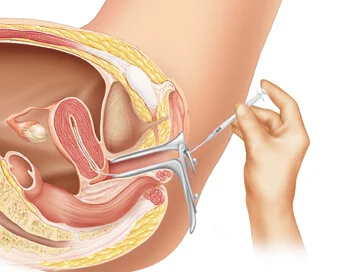
    illustration of intrauterine insemination procedure with a hand holding a speculum and syringe near the uterus

    The Role of Technology: How Male and Female Fertility Tests Have Evolved

    Female fertility tests have also seen significant advancements with the help of technology. One of the most common tests used to evaluate female fertility is the ovarian reserve test. This test measures the quantity and quality of a woman’s eggs, providing an estimate of her reproductive potential. Traditional ovarian reserve tests, such as the follicle-stimulating hormone (FSH) and anti-mullerian hormone (AMH) tests, have been around for decades. However, technology has improved these tests by making them more accurate and accessible.

    The FSH and AMH tests have evolved from traditional blood tests to more advanced methods, such as the Antral Follicle Count (AFC) and the Inhibin B test. AFC uses ultrasound technology to count the number of small follicles in the ovaries, providing a more accurate assessment of ovarian reserve. The Inhibin B test measures the levels of a hormone produced by the ovaries, which can indicate the number of eggs remaining in a woman’s ovaries.

    Apart from these tests, technology has also improved the process of tracking ovulation, which is crucial for couples trying to conceive. Ovulation predictor kits (OPKs) use urine samples to detect the surge in luteinizing hormone (LH), which occurs right before ovulation. These kits have become more accurate and user-friendly with the introduction of digital OPKs, which provide a clear “positive” or “negative” result, eliminating the need for interpretation.

    The Role of Technology in Fertility Treatment

    With the advancements in fertility testing technology, the treatment of infertility has also seen significant progress. For men, accurate diagnosis through advanced tests has allowed for targeted and effective treatments. Intrauterine insemination (IUI) and in-vitro fertilization (IVF) are two common treatments for male factor infertility that have been greatly improved by technology.

    For women, tracking ovulation accurately has helped in timing intercourse and increasing the chances of conception. In addition, the development of assisted reproductive technologies (ART), such as IVF and intracytoplasmic sperm injection (ICSI), have revolutionized the treatment of female infertility. These procedures use advanced laboratory techniques to fertilize eggs with sperm outside of the body, providing hope for couples struggling to conceive.

    In conclusion, technology has played a crucial role in the evolution of male and female fertility tests. From traditional methods to more advanced technologies, we have come a long way in accurately diagnosing fertility issues and providing effective treatments. With the continuous development of technology, we can expect even more advancements in the field of fertility testing, giving hope to couples who dream of starting a family.

    Summary:

    Technology has revolutionized the field of fertility testing, making it easier and more accurate to diagnose fertility issues in both men and women. Male fertility tests have evolved from simple semen analysis to advanced techniques like CASA and sperm DNA fragmentation tests. Female fertility tests, such as ovarian reserve tests and ovulation tracking, have also seen significant advancements with the help of technology. These improved tests have also led to more effective fertility treatments like IUI and IVF, providing hope for couples struggling with infertility. With continuous advancements, technology will continue to play a crucial role in the field of fertility testing and treatment.

  • The Future of Fertility Testing: Advancements for Men and Women

    The Future of Fertility Testing: Advancements for Men and Women

    In today’s society, family planning and fertility have become increasingly important topics, with many couples delaying parenthood for various reasons. As a result, there has been a growing interest in fertility testing to assess the chances of successful conception and to identify any potential issues. While traditional fertility testing methods have primarily focused on women, advancements in technology and medicine have now made it possible to also evaluate male fertility accurately. In this blog post, we will explore the future of fertility testing and the advancements that have been made for both men and women.

    The Importance of Fertility Testing

    Fertility testing is crucial for couples who are trying to conceive. It helps identify any underlying issues that may be causing infertility and allows couples to make informed decisions about their family planning. In the past, women have been the primary focus of fertility testing, with methods such as blood tests, ultrasound, and laparoscopy used to evaluate their reproductive health. However, recent advancements have made it possible to assess male fertility accurately, which is equally important in the conception process.

    Advancements in Fertility Testing for Women

    Traditionally, fertility testing for women has focused on evaluating their ovarian reserve, which is a measure of the quantity and quality of their eggs. However, this method does not provide information about the health of the eggs and their ability to be fertilized. Recent advancements in fertility testing have now made it possible to assess the health of the eggs, which can help identify any potential issues that may affect conception.

    One of the most significant advancements in fertility testing for women is the development of the Anti-Mullerian Hormone (AMH) test. This test measures the levels of AMH in a woman’s blood, which is a hormone produced by the cells in the ovary. High levels of AMH indicate a good ovarian reserve, while low levels may suggest a decline in fertility. This test is more accurate and reliable than traditional methods and can provide valuable information for women who are trying to conceive.

    Another promising advancement in fertility testing for women is the development of non-invasive methods such as the Ovarian Assessment Report (OAR) test. This test uses a woman’s age, AMH levels, and antral follicle count to predict the chances of successful conception. It also provides an overview of the woman’s reproductive health, which can help identify any potential issues that may affect fertility.

    IVF vs IUI comparison with illustrations of reproductive processes and a flower on a pregnant belly.

    The Future of Fertility Testing: Advancements for Men and Women

    Advancements in Fertility Testing for Men

    Until recently, male fertility testing has been limited to a semen analysis, which evaluates the quantity and quality of sperm. However, this method does not provide information about the sperm’s ability to fertilize an egg, which is crucial for conception. Fortunately, advancements in fertility testing have made it possible to evaluate male fertility more accurately.

    One of the most significant advancements in male fertility testing is the development of the Sperm DNA Fragmentation (SDF) test. This test measures the amount of DNA damage in sperm, which can affect their ability to fertilize an egg. High levels of DNA fragmentation can lead to male infertility, and this test can help identify any potential issues that may affect conception.

    Another promising advancement in male fertility testing is the development of the Cap-ScoreTM test. This test evaluates the sperm’s ability to capacitate, which is a necessary step for fertilization. It also provides information about the sperm’s response to the female reproductive tract, which can help identify any potential issues that may affect conception.

    The Future of Fertility Testing

    As technology and medicine continue to advance, the future of fertility testing looks promising. One of the most exciting developments is the use of artificial intelligence (AI) in fertility testing. AI can analyze vast amounts of data and provide accurate predictions about a woman’s or man’s fertility. It can also identify patterns and trends that may affect fertility, allowing for early detection and treatment of potential issues.

    Another exciting development is the use of fertility tracking apps and devices. These apps and devices use algorithms and data to track a woman’s menstrual cycle, ovulation, and other fertility-related information. They can also provide personalized recommendations and predictions about the best time to conceive, making it easier for couples to plan and monitor their fertility.

    Summary

    Fertility testing is crucial for couples who are trying to conceive, and recent advancements have made it possible to evaluate both male and female fertility accurately. For women, advancements in testing methods such as the AMH test and OAR test provide valuable information about ovarian reserve and egg health. For men, advancements such as the SDF test and Cap-ScoreTM test can identify potential issues with sperm quality and function. The future of fertility testing looks promising with the use of AI and fertility tracking apps and devices, which can provide personalized recommendations and predictions for couples trying to conceive.

  • The Science Behind Fertility Testing: Uncovering the Differences for Men and Women

    Summary:

    Fertility is a topic that is often associated with women, but the reality is that both men and women play important roles in the process of conception. With advancements in science and technology, fertility testing has become more accessible and accurate for both men and women. However, there are significant differences in the types of tests and procedures used to determine fertility in each gender. In this blog post, we will dive into the science behind fertility testing and uncover the key differences for men and women.

    The Basics of Fertility:

    Before delving into the specifics of fertility testing, it is important to understand the basics of fertility. In both men and women, fertility is determined by the ability to produce healthy, viable sperm or eggs. For women, fertility also includes the ability to carry a pregnancy to full term. Fertility is affected by a variety of factors, including age, genetics, lifestyle choices, and underlying medical conditions.

    Fertility Testing for Women:

    For women, fertility testing often begins with a physical exam and a review of medical history. This can help identify any underlying conditions that may be affecting fertility, such as hormonal imbalances or structural issues in the reproductive organs. The most common fertility test for women is the ovarian reserve test, which measures the quantity and quality of a woman’s remaining eggs. Other tests may include hormone level testing, ultrasound imaging, and a hysterosalpingogram (HSG) to check for any blockages in the fallopian tubes.

    Fertility Testing for Men:

    For men, fertility testing typically begins with a semen analysis, which measures the quantity and quality of sperm. Other tests may include hormone level testing and ultrasound imaging to check for any structural issues in the reproductive organs. In some cases, genetic testing may also be recommended to identify any underlying genetic conditions that may affect fertility.

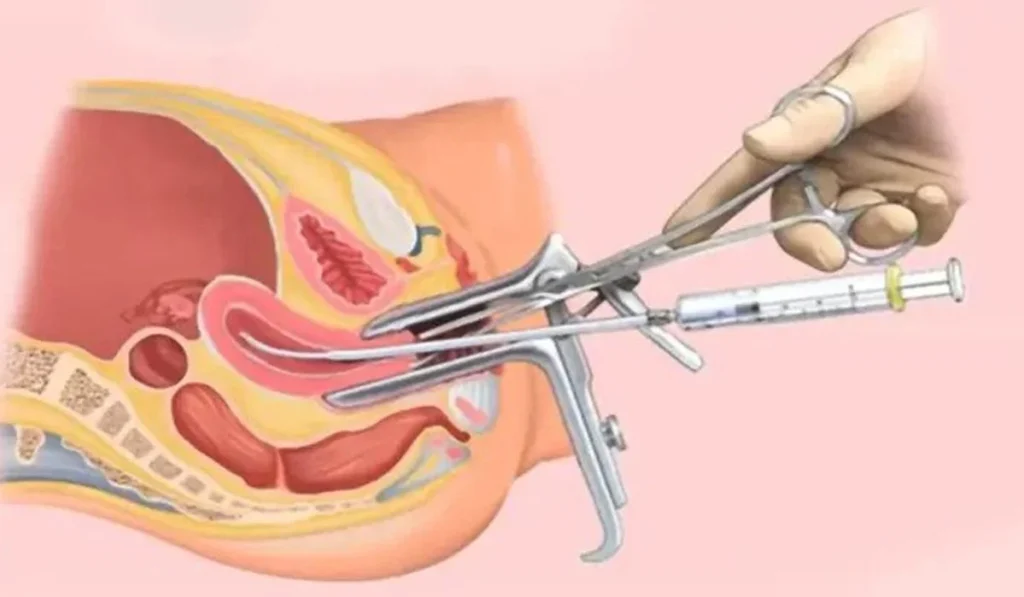
    illustration of an intrauterine insemination procedure with medical instruments and anatomical details

    The Science Behind Fertility Testing: Uncovering the Differences for Men and Women

    Key Differences in Fertility Testing:

    One of the key differences between fertility testing for men and women is the focus on egg and sperm quality. In women, the quantity and quality of remaining eggs is a major factor in fertility, while in men, the quantity and quality of sperm is crucial. Additionally, fertility testing for women often involves more invasive procedures, such as ultrasounds and HSGs, while for men, a simple semen analysis is usually sufficient.

    Another major difference is the age factor. For women, fertility declines significantly after the age of 35, while men generally have a longer window of fertility. This means that fertility testing may be recommended earlier for women compared to men.

    The Role of Genetics:

    Genetics play a significant role in fertility for both men and women. In women, genetic mutations or disorders can affect the quality and quantity of eggs, making it more difficult to conceive. In men, genetic conditions can affect sperm production and quality. This is why genetic testing may be recommended for both men and women during fertility testing.

    The Advancements in Fertility Testing:

    Thanks to advancements in science and technology, fertility testing has become more accurate and accessible for both men and women. For example, ovarian reserve testing has become more precise and reliable, allowing doctors to better predict a woman’s chances of conceiving. In men, advancements in semen analysis techniques have improved the accuracy of sperm testing. Additionally, genetic testing has become more advanced, allowing doctors to identify specific genetic conditions that may impact fertility.

    In Conclusion:

    Fertility testing is an important step for couples trying to conceive. Understanding the science behind fertility testing and the key differences between men and women can help couples make informed decisions about their fertility journey. With advancements in technology and the increasing understanding of genetics, fertility testing has become more accurate and accessible, giving hope to couples who are struggling to conceive.

  • The Future of Infertility Treatments: Advancements in Male and Female Factor Solutions

    The Future of Infertility Treatments: Advancements in Male and Female Factor Solutions

    Infertility affects millions of couples around the world and can be a devastating and emotional journey. It is defined as the inability to conceive after one year of unprotected intercourse, or six months for women over the age of 35. While there are many causes of infertility, both male and female factors play a significant role. However, with advancements in technology and medical research, the future of infertility treatments looks promising. In this blog post, we will explore the latest developments in male and female factor solutions and what the future holds for couples struggling with infertility.

    Male Factor Solutions

    Male infertility accounts for approximately 40-50% of all infertility cases. Traditionally, the only treatment options for male factor infertility were either intrauterine insemination (IUI) or in vitro fertilization (IVF) with intracytoplasmic sperm injection (ICSI). However, these treatments may not be suitable for all couples, and success rates can vary. Fortunately, there have been significant advancements in male factor solutions that offer hope to couples struggling with infertility.

    One of the most promising developments is the use of testicular sperm extraction (TESE) and microdissection testicular sperm extraction (microTESE). These procedures involve extracting sperm directly from the testicles, rather than relying on ejaculated sperm. This is especially beneficial for men who have a low sperm count, sperm with poor motility, or have had a vasectomy. MicroTESE has shown to have higher success rates compared to traditional TESE, making it a preferred option for male factor infertility.

    Another groundbreaking advancement is the use of stem cells to treat male infertility. In a recent study, researchers were able to create sperm-like cells from stem cells taken from infertile men. This offers a potential solution for men who have no viable sperm in their ejaculate. While this technology is still in its early stages, it holds great promise for the future of male factor infertility treatments.

    Female Factor Solutions

    There are many causes of female infertility, such as ovulation disorders, blocked fallopian tubes, and endometriosis. In the past, treatment options for female factor infertility were limited to fertility medications, IUI, or IVF. However, with advancements in technology and medical research, there are now more options available for women struggling with infertility.

    Illustration of the IUI process, showing a syringe and catheter in the reproductive system.

    The Future of Infertility Treatments: Advancements in Male and Female Factor Solutions

    One of the most significant developments in female factor solutions is the use of genetic testing. Preimplantation genetic testing (PGT) allows doctors to screen embryos for genetic abnormalities before they are transferred during an IVF cycle. This is especially beneficial for couples with a history of genetic disorders or recurrent miscarriages. PGT can increase the chances of a successful pregnancy and reduce the risk of passing on genetic abnormalities to the child.

    Another exciting development is the use of artificial intelligence (AI) in fertility treatments. AI can analyze a large amount of data, including hormone levels, ultrasound images, and embryo development, to help doctors make more accurate and personalized treatment decisions. This can lead to higher success rates and fewer multiple pregnancies, which can be risky for both the mother and the babies.

    The Future of Infertility Treatments

    With the advancements in male and female factor solutions, the future of infertility treatments looks promising. However, there is still much work to be done. Researchers are continuously studying and developing new technologies and treatments to improve the success rates of fertility treatments and make them more accessible and affordable.

    One area that is gaining more attention is the use of natural and holistic approaches to treating infertility. This includes lifestyle changes, acupuncture, and herbal remedies. While there is limited scientific evidence to support these methods, many couples have reported success and believe that these approaches can help improve their chances of conceiving.

    In addition to new treatments, there is also a growing focus on fertility preservation. This is especially important for women who may delay starting a family due to career or personal reasons. Egg freezing is becoming more popular as a way to preserve a woman’s fertility until she is ready to start a family. It is also a viable option for women undergoing cancer treatment, which can affect their reproductive health.

    Summary:

    Infertility affects millions of couples worldwide, and both male and female factors play a significant role in its cause. However, with advancements in technology and medical research, the future of infertility treatments looks promising. For male factor infertility, testicular sperm extraction and the use of stem cells offer new solutions. For female factor infertility, genetic testing and the use of artificial intelligence show great promise. There is also a growing focus on natural and holistic approaches to treating infertility and fertility preservation. With continued research and development, the future of infertility treatments is bright, offering hope to many couples struggling to conceive.

  • The Future of Fertility Treatments: Advancements in Medications and Surgery

    The Future of Fertility Treatments: Advancements in Medications and Surgery

    Fertility treatments have come a long way in the past few decades, with advancements in medications and surgical procedures providing hope for couples struggling with infertility. These treatments have helped millions of people fulfill their dreams of starting a family, and with ongoing research and development, the future looks even brighter. In this blog post, we will explore the latest advancements in fertility treatments, specifically in the areas of medications and surgery, and discuss how they are changing the landscape of assisted reproductive technology.

    Advancements in Medications:

    One of the most significant developments in fertility treatments is the use of medications to stimulate ovulation. In the past, the most common medication used for this purpose was clomiphene, which works by stimulating the release of follicle-stimulating hormone (FSH) and luteinizing hormone (LH) from the pituitary gland. However, in recent years, new medications, such as letrozole and gonadotropins, have emerged as viable alternatives for women who do not respond well to clomiphene.

    Letrozole, originally developed to treat breast cancer, has been found to be effective in stimulating ovulation in women with polycystic ovary syndrome (PCOS). It works by blocking the production of estrogen, which in turn triggers the production of FSH and LH. On the other hand, gonadotropins are injectable hormones that directly stimulate the ovaries to produce multiple eggs. This method is often used in conjunction with in vitro fertilization (IVF) to increase the chances of success.

    Another major advancement in fertility medications is the use of pre-implantation genetic testing (PGT). PGT involves screening embryos for genetic disorders before they are transferred to the uterus. This allows couples with a family history of genetic diseases to select healthy embryos, reducing the risk of passing on these disorders to their children. PGT has proven to be a game-changer in assisted reproductive technology, providing hope for couples who would otherwise face the difficult decision of whether to pursue pregnancy knowing the risks involved.

    Advancements in Surgery:

    Surgery has also played a crucial role in the advancement of fertility treatments. In the past, many women with blocked or damaged fallopian tubes had limited options for conceiving. However, with the development of minimally invasive surgical techniques, such as laparoscopy and hysteroscopy, these issues can now be addressed with a higher success rate.

    A person administering an injection into their abdomen with a yellow pen-like device.

    The Future of Fertility Treatments: Advancements in Medications and Surgery

    Laparoscopy involves making small incisions in the abdomen and inserting a thin, lighted instrument called a laparoscope to view the reproductive organs. This procedure can be used to remove scar tissue, repair damaged tubes, and treat endometriosis. Hysteroscopy, on the other hand, involves inserting a thin, lighted instrument through the cervix to visualize the inside of the uterus. This procedure is often used for the removal of polyps, fibroids, or scar tissue that may be affecting fertility.

    In addition to these minimally invasive procedures, advancements in robotic surgery have also made fertility treatments more accessible and less invasive. Robotic surgery allows for more precise movements and better visualization, making it an excellent option for complex surgeries in the reproductive organs.

    The Future of Fertility Treatments:

    As technology continues to advance, the future of fertility treatments looks promising. One area of ongoing research is the use of stem cells for infertility. Stem cells have the potential to develop into different types of cells, including egg and sperm cells. This could provide a new treatment option for individuals who are unable to produce viable gametes.

    Another area of focus is the development of artificial ovaries. These are created using a woman’s own ovarian tissue, which is then manipulated in a lab to produce mature eggs. This could benefit women who have undergone cancer treatment or have a genetic condition that affects their ovarian function.

    The use of artificial intelligence (AI) is also being explored in fertility treatments. AI can analyze large amounts of data, such as genetic information and medical history, to identify patterns and predict the success of certain treatments. This could help doctors personalize fertility treatments for each patient, increasing their chances of success.

    Summary:

    Fertility treatments have come a long way in recent years, thanks to advancements in medications and surgery. New medications, such as letrozole and gonadotropins, have proven to be effective alternatives for stimulating ovulation. Pre-implantation genetic testing has also revolutionized assisted reproductive technology by allowing couples to select healthy embryos. Minimally invasive surgical techniques, including laparoscopy and hysteroscopy, have made it possible to address issues such as blocked fallopian tubes and endometriosis. The future of fertility treatments looks even brighter, with ongoing research into stem cells, artificial ovaries, and the use of AI to personalize treatments.

  • The Future of Fertility: Advancements in Supplements and Medical Treatments

    The Future of Fertility: Advancements in Supplements and Medical Treatments

    Fertility has always been a crucial aspect of human life, and with modern advancements in science and technology, we are witnessing significant progress in the field of fertility treatments. From supplements to medical treatments, researchers are constantly working towards improving and enhancing fertility for both men and women. In this blog post, we will explore the future of fertility and the advancements in supplements and medical treatments that are changing the landscape of fertility treatments.

    Supplements for Fertility

    Supplements have been a popular choice for individuals struggling with fertility issues, as they offer a more natural and holistic approach to improving fertility. In recent years, there has been a surge in the development of fertility supplements, with many claiming to enhance fertility in both men and women. While there is still limited research on the effectiveness of these supplements, some have shown promising results.

    One such supplement is Coenzyme Q10 (CoQ10), which is known to improve egg and sperm quality. This antioxidant is naturally produced in the body but decreases with age, making it an essential supplement for individuals trying to conceive at an older age. Another popular supplement is L-arginine, which is believed to improve blood flow to the reproductive organs and increase sperm count and motility.

    In addition to these supplements, there are also multivitamins specifically designed for fertility, including folic acid, vitamin D, and omega-3 fatty acids. These vitamins and minerals are crucial for reproductive health and have been known to improve fertility in both men and women.

    While supplements can be a helpful addition to a fertility treatment plan, it is essential to consult with a doctor before taking any supplements, as they can interact with other medications or have adverse effects on certain medical conditions.

    Medical Treatments for Fertility

    In addition to supplements, medical treatments for fertility have also seen significant advancements in recent years. These treatments range from hormonal therapies to assisted reproductive technologies (ART) such as in vitro fertilization (IVF) and intracytoplasmic sperm injection (ICSI).

    illustration of an intrauterine insemination procedure with medical instruments and anatomical details

    The Future of Fertility: Advancements in Supplements and Medical Treatments

    Hormonal therapies are commonly used to address hormonal imbalances that can affect fertility in both men and women. These therapies involve taking oral medications or receiving injections to stimulate ovulation or improve sperm production.

    ART, on the other hand, involves combining eggs and sperm in a laboratory and then transferring the resulting embryo into the uterus. This method has been highly successful, with IVF alone resulting in the birth of over 8 million babies worldwide.

    Another significant advancement in medical treatments for fertility is the use of genetic testing. Preimplantation genetic testing (PGT) allows for the screening of embryos for genetic disorders before implantation, reducing the risk of passing on genetic diseases to the child.

    Future Innovations in Fertility Treatments

    As technology continues to advance, we can expect to see even more innovations in the field of fertility treatments. One such advancement is the use of artificial intelligence (AI) to improve IVF success rates. AI can analyze large amounts of data from past IVF cycles to predict the best embryo for transfer, increasing the chances of a successful pregnancy.

    Another exciting development is the use of stem cells to improve fertility. Stem cells can be used to regenerate damaged eggs or sperm, potentially providing a solution for individuals with fertility issues due to age or medical conditions.

    Furthermore, there is ongoing research on the use of gene editing to correct genetic mutations that can cause infertility. This technology has the potential to revolutionize the treatment of genetic disorders that affect fertility and could offer hope to many couples struggling with infertility.

    Summary

    The future of fertility is bright, with advancements in supplements and medical treatments offering hope to individuals struggling with fertility issues. From supplements like CoQ10 and L-arginine to medical treatments like IVF and PGT, there are various options available to improve fertility. As technology continues to advance, we can expect to see even more innovative treatments, such as the use of AI, stem cells, and gene editing, providing new solutions for individuals and couples trying to conceive.

  • The Role of Technology in Assisted Reproduction: Advancements and Controversies

    Blog Post Title: The Role of Technology in Assisted Reproduction: Advancements and Controversies

    Assisted reproduction, also known as assisted reproductive technology (ART), has revolutionized the field of reproductive medicine and provided hope to millions of individuals and couples struggling with infertility. This umbrella term encompasses a variety of techniques and procedures, such as in vitro fertilization (IVF), intracytoplasmic sperm injection (ICSI), and egg freezing, that help individuals and couples conceive a child. Over the years, technology has played a crucial role in the development and advancement of these techniques, making them more effective and accessible. However, with these advancements come controversies surrounding the ethical and moral implications of assisted reproduction. In this blog post, we will explore the role of technology in assisted reproduction, its advancements, and the controversies surrounding it.

    Advancements in Technology and Assisted Reproduction

    Technology has significantly advanced the field of assisted reproduction, making it possible for individuals and couples to overcome various fertility challenges. IVF, the most commonly used assisted reproduction technique, involves the retrieval of eggs from a woman’s ovaries, fertilization with sperm in a laboratory, and the transfer of resulting embryos into the uterus. This technique has been made possible by the development of specialized equipment and technologies, such as microscopes, incubators, and cryopreservation methods.

    One of the major advancements in IVF technology is the use of intracytoplasmic sperm injection (ICSI). This technique involves the injection of a single sperm directly into an egg, bypassing potential barriers to fertilization. ICSI has been a game-changer for couples struggling with male factor infertility, as it allows for the use of even a small number of sperm for fertilization. Another significant advancement is the development of preimplantation genetic testing, which allows for the screening of embryos for genetic abnormalities before transfer, reducing the risk of passing on genetic disorders to the offspring.

    In addition to IVF, technology has also played a crucial role in other assisted reproduction techniques. For instance, egg freezing has become a popular option for women who wish to preserve their fertility for future use. This technique involves retrieving a woman’s eggs, freezing them, and storing them for later use. The process of freezing and thawing eggs has been greatly improved with the use of vitrification, a rapid-freezing technique that minimizes damage to the eggs.

    Controversies Surrounding Technology and Assisted Reproduction

    Comparison of IUI and IVF with illustrations of each procedure.

    The Role of Technology in Assisted Reproduction: Advancements and Controversies

    While technology has undoubtedly advanced assisted reproduction, it has also sparked various controversies, particularly regarding the ethical and moral implications of these techniques. One of the major concerns is the commodification of human eggs, sperm, and embryos. As demand for assisted reproduction increases, so does the market for these reproductive materials. This raises questions about the ethical implications of buying and selling human reproductive materials.

    Another controversy surrounding technology and assisted reproduction is the potential risks and side effects associated with these techniques. For instance, IVF has been linked to an increased risk of multiple pregnancies, which can result in complications for both the mother and the babies. There are also concerns about the long-term effects of hormonal stimulation on women undergoing IVF and the potential psychological impact of failed attempts at assisted reproduction.

    Additionally, there are ethical concerns surrounding the use of preimplantation genetic testing and the possibility of “designer babies.” This technology allows for the selection of embryos based on desired traits, such as gender and physical characteristics. While this may seem like a positive advancement, it raises questions about the value we place on certain traits and the potential for discrimination against those who do not fit these desired characteristics.

    Conclusion

    Technology has played a significant role in the development and advancement of assisted reproduction techniques, providing hope to millions of individuals and couples struggling with infertility. From IVF to egg freezing, these techniques have been made possible by the use of specialized equipment and technologies. However, these advancements have also brought about controversies surrounding the ethical and moral implications of assisted reproduction. As technology continues to progress, it is essential to consider these concerns and ensure that assisted reproduction is used responsibly and ethically.

    Summary:

    Assisted reproduction, or assisted reproductive technology (ART), has greatly benefited from the advancements in technology. Techniques such as in vitro fertilization (IVF) and intracytoplasmic sperm injection (ICSI) have become more effective and accessible thanks to specialized equipment and technologies. Egg freezing, a popular option for women wishing to preserve their fertility, has also been improved through the use of rapid-freezing techniques. However, the use of technology in assisted reproduction has sparked controversies surrounding the ethical and moral implications of these techniques. Concerns include the commodification of human reproductive materials, potential risks and side effects, and ethical considerations of preimplantation genetic testing. As technology continues to advance, it is crucial to address these concerns and ensure responsible and ethical use of assisted reproduction.