Tag: science

  • The Science Behind Fertility Testing: Uncovering the Differences for Men and Women

    Summary:

    Fertility is a topic that is often associated with women, but the reality is that both men and women play important roles in the process of conception. With advancements in science and technology, fertility testing has become more accessible and accurate for both men and women. However, there are significant differences in the types of tests and procedures used to determine fertility in each gender. In this blog post, we will dive into the science behind fertility testing and uncover the key differences for men and women.

    The Basics of Fertility:

    Before delving into the specifics of fertility testing, it is important to understand the basics of fertility. In both men and women, fertility is determined by the ability to produce healthy, viable sperm or eggs. For women, fertility also includes the ability to carry a pregnancy to full term. Fertility is affected by a variety of factors, including age, genetics, lifestyle choices, and underlying medical conditions.

    Fertility Testing for Women:

    For women, fertility testing often begins with a physical exam and a review of medical history. This can help identify any underlying conditions that may be affecting fertility, such as hormonal imbalances or structural issues in the reproductive organs. The most common fertility test for women is the ovarian reserve test, which measures the quantity and quality of a woman’s remaining eggs. Other tests may include hormone level testing, ultrasound imaging, and a hysterosalpingogram (HSG) to check for any blockages in the fallopian tubes.

    Fertility Testing for Men:

    For men, fertility testing typically begins with a semen analysis, which measures the quantity and quality of sperm. Other tests may include hormone level testing and ultrasound imaging to check for any structural issues in the reproductive organs. In some cases, genetic testing may also be recommended to identify any underlying genetic conditions that may affect fertility.
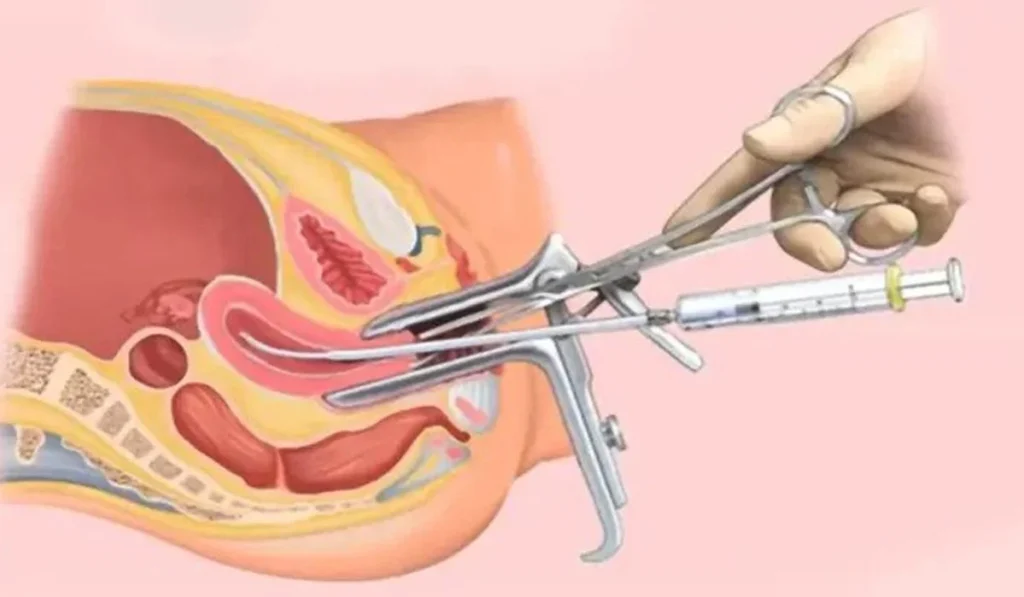
    illustration of an intrauterine insemination procedure with medical instruments and anatomical details

    The Science Behind Fertility Testing: Uncovering the Differences for Men and Women

    Key Differences in Fertility Testing:

    One of the key differences between fertility testing for men and women is the focus on egg and sperm quality. In women, the quantity and quality of remaining eggs is a major factor in fertility, while in men, the quantity and quality of sperm is crucial. Additionally, fertility testing for women often involves more invasive procedures, such as ultrasounds and HSGs, while for men, a simple semen analysis is usually sufficient.

    Another major difference is the age factor. For women, fertility declines significantly after the age of 35, while men generally have a longer window of fertility. This means that fertility testing may be recommended earlier for women compared to men.

    The Role of Genetics:

    Genetics play a significant role in fertility for both men and women. In women, genetic mutations or disorders can affect the quality and quantity of eggs, making it more difficult to conceive. In men, genetic conditions can affect sperm production and quality. This is why genetic testing may be recommended for both men and women during fertility testing.

    The Advancements in Fertility Testing:

    Thanks to advancements in science and technology, fertility testing has become more accurate and accessible for both men and women. For example, ovarian reserve testing has become more precise and reliable, allowing doctors to better predict a woman’s chances of conceiving. In men, advancements in semen analysis techniques have improved the accuracy of sperm testing. Additionally, genetic testing has become more advanced, allowing doctors to identify specific genetic conditions that may impact fertility.

    In Conclusion:

    Fertility testing is an important step for couples trying to conceive. Understanding the science behind fertility testing and the key differences between men and women can help couples make informed decisions about their fertility journey. With advancements in technology and the increasing understanding of genetics, fertility testing has become more accurate and accessible, giving hope to couples who are struggling to conceive.
  • The Science of Mindset: How Fertility Counseling Can Improve Your Chances

    The Science of Mindset: How Fertility Counseling Can Improve Your Chances

    Fertility can be a complex and emotional journey for many individuals and couples. It is a topic that is often surrounded by myths and misconceptions, leading to feelings of frustration, shame, and hopelessness. However, recent scientific research has shed light on the powerful role that mindset plays in fertility success. In this blog post, we will explore the science of mindset and how fertility counseling can improve your chances of conceiving.

    The Power of Mindset

    The human mind is a powerful tool that can influence our physical health and well-being. Our thoughts, beliefs, and attitudes have a direct impact on our emotions, behaviors, and even the functioning of our bodies. This mind-body connection has been studied extensively in areas such as stress management and chronic illness, but its role in fertility is just starting to be explored.

    Studies have shown that stress, anxiety, and depression can all have a negative effect on fertility. High levels of stress can disrupt the hormonal balance in the body, leading to irregular ovulation and decreased sperm count. It can also affect a person’s ability to cope with fertility treatments and their overall well-being. On the other hand, a positive mindset has been linked to better overall health and increased chances of conceiving.

    The Science Behind Mindset and Fertility

    So how exactly does mindset affect fertility? It all comes down to the intricate communication between the brain and the reproductive system. When we experience stress or negative emotions, our bodies release cortisol, also known as the “stress hormone.” This can interfere with the production of reproductive hormones, such as estrogen and testosterone, and disrupt the delicate balance needed for conception.

    Additionally, stress and negative emotions can lead to unhealthy coping mechanisms such as smoking, excessive drinking, and poor nutrition, all of which can have a negative impact on fertility. On the other hand, a positive mindset can reduce stress and promote healthy behaviors, ultimately improving fertility outcomes.

    Fertility Counseling: Changing Your Mindset for Success

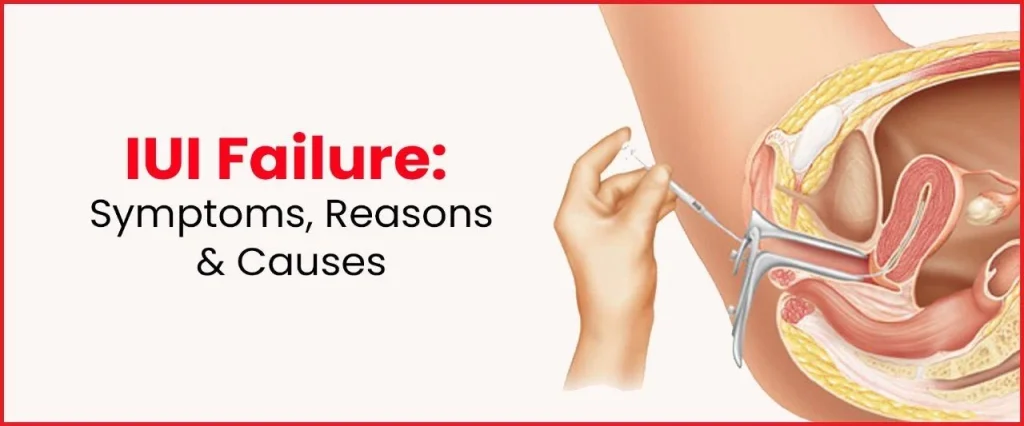
    illustration of IUI procedure with text on symptoms, reasons, and causes of IUI failure

    The Science of Mindset: How Fertility Counseling Can Improve Your Chances

    Fertility counseling is a specialized form of therapy that focuses on the emotional and psychological aspects of fertility. It is designed to help individuals and couples navigate the complex emotions and challenges that come with trying to conceive. Fertility counselors are trained to address the unique stressors and emotional needs of individuals struggling with fertility issues.

    Through various therapeutic techniques, fertility counseling can help individuals develop a more positive mindset, reduce stress and anxiety, and improve overall well-being. Fertility counselors can also provide coping strategies to help individuals deal with the ups and downs of fertility treatments, as well as support during the often emotional journey of trying to conceive.

    Changing Your Mindset: Tips and Strategies

    While fertility counseling can be beneficial, there are also some simple steps individuals can take to improve their mindset and increase their chances of fertility success. Here are some tips and strategies to help you change your mindset:

    1. Practice Mindfulness: Mindfulness is the practice of being fully present and aware of the present moment. It can help reduce stress and promote relaxation, which can improve fertility outcomes. Some mindfulness techniques include deep breathing, meditation, and yoga.

    2. Challenge Negative Thoughts: Negative thoughts and beliefs can be harmful to both our mental and physical health. When faced with negative thoughts, try to challenge them and replace them with more positive and realistic ones.

    3. Seek Support: Fertility struggles can be isolating, but it is important to remember that you are not alone. Seek support from friends, family, or a professional counselor who can provide a safe and non-judgmental space to express your feelings and concerns.

    4. Prioritize Self-Care: Taking care of your physical and emotional well-being is crucial during the fertility journey. Make time for activities that bring you joy and relaxation, such as reading, exercising, or spending time in nature.

    5. Stay Informed: Knowledge is power, so stay informed about fertility and the various treatment options available. This can help alleviate some of the stress and anxiety associated with the unknown.

    In summary, the science of mindset has shown us that our thoughts and beliefs can have a significant impact on our fertility outcomes. By changing our mindset and reducing stress and negative emotions, we can improve our chances of conceiving. Fertility counseling can help individuals navigate this journey and develop a more positive mindset, leading to better overall well-being and increased chances of success.

  • The Science Behind Fertility Supplements and Medical Treatments

    Blog Post: The Science Behind Fertility Supplements and Medical Treatments

    Fertility is a natural process that allows individuals to conceive and reproduce. However, for many couples, the journey towards parenthood can be challenging and often requires additional help. This is where fertility supplements and medical treatments come into play. In recent years, there has been a growing interest in using these interventions to improve fertility rates. But what is the science behind these supplements and treatments? In this blog post, we will dive into the research behind fertility supplements and medical treatments and explore their effectiveness in helping couples achieve their dream of having a baby.

    Understanding Fertility

    Before we delve into the science behind fertility supplements and treatments, it is essential to have a basic understanding of fertility. Fertility is the ability to conceive and carry a pregnancy to term. It involves a complex interplay of hormones, organs, and systems in the body. In women, fertility is mainly controlled by the reproductive hormones estrogen and progesterone, which regulate the menstrual cycle and ovulation. In men, fertility is determined by the production and quality of sperm.

    Factors Affecting Fertility

    Many factors can impact fertility, including age, genetics, lifestyle, and underlying medical conditions. Age is a significant factor as fertility declines with age, especially for women. As a woman ages, the number and quality of her eggs decrease, making it harder to conceive. Genetics also play a role in fertility, as some conditions, such as polycystic ovary syndrome (PCOS) and endometriosis, can affect a woman’s ability to conceive. Lifestyle factors such as smoking, excessive alcohol consumption, and poor diet can also impact fertility. Finally, underlying medical conditions, such as hormonal imbalances and structural abnormalities, can also affect fertility in both men and women.

    Fertility Supplements

    Fertility supplements are dietary supplements that contain vitamins, minerals, and herbs that are thought to improve fertility. These supplements are often marketed as natural remedies and claim to boost fertility by addressing nutritional deficiencies, balancing hormones, and improving overall reproductive health.

    One of the most commonly used fertility supplements is folic acid. Folic acid is a B vitamin that is crucial for healthy fetal development and is often recommended for women who are trying to conceive. Other popular supplements include Coenzyme Q10, which is believed to improve egg quality, and omega-3 fatty acids, which may help regulate hormones and improve sperm quality.

    While these supplements may have some potential benefits, there is limited scientific evidence to support their use in improving fertility. Many studies on fertility supplements have been small and inconclusive. Additionally, the Food and Drug Administration (FDA) does not regulate dietary supplements, so there is no guarantee of their safety or effectiveness.

    Comparison of IUI and IVF, illustrating procedures and definitions for each fertility treatment.

    The Science Behind Fertility Supplements and Medical Treatments

    Medical Treatments for Fertility

    For couples struggling with fertility, there are also various medical treatments available. These treatments range from medications to assisted reproductive technologies (ART) such as in vitro fertilization (IVF). The type of treatment recommended will depend on the underlying cause of infertility and the couple’s preferences.

    Medications such as clomiphene citrate and letrozole can help regulate ovulation in women with hormonal imbalances. Gonadotropins, another type of medication, can stimulate egg production and increase the chances of conception. In men, medications such as clomiphene citrate and human chorionic gonadotropin (hCG) can help improve sperm production and quality.

    For couples with more severe fertility issues, ART may be recommended. ART involves retrieving eggs from a woman’s ovaries, fertilizing them with sperm in a laboratory, and then transferring the embryo(s) into the woman’s uterus. This method has a higher success rate than traditional methods of conception, but it is also more expensive and invasive.

    The Science Behind Medical Treatments

    Unlike fertility supplements, the effectiveness of medical treatments for fertility is well-established. Many studies have been conducted to evaluate the safety and efficacy of these treatments, and they have shown promising results.

    For example, a study published in the New England Journal of Medicine found that women with unexplained infertility who underwent three cycles of intrauterine insemination (IUI) had a significantly higher chance of conceiving compared to those who only received fertility medication. Another study published in the Journal of the American Medical Association (JAMA) found that IVF had a success rate of 30% for women under 35 years old, and this rate decreased with age.

    Summary

    Fertility supplements and medical treatments are widely used interventions to help couples achieve pregnancy. However, the science behind these interventions is vastly different. While fertility supplements have limited evidence to support their effectiveness, medical treatments have been extensively researched and proven to be successful. It is essential to consult with a healthcare professional before starting any fertility supplements or treatments to ensure they are safe and appropriate for your situation.

    In conclusion, fertility is a complex process influenced by various factors. While fertility supplements may have some potential benefits, the scientific evidence is lacking. On the other hand, medical treatments for fertility have been extensively studied and proven to be effective in helping couples conceive. If you are struggling with fertility, it is important to seek medical advice and explore all options before making a decision.

  • Fertility Supplements vs Medical Treatments: What Science Says

    Blog Post:

    Fertility is a topic that affects millions of people all around the world. For some, conceiving a child may come easily, while for others it can be a long and challenging journey. In recent years, there has been an increase in the use of fertility supplements as a way to boost fertility and increase the chances of conception. However, there is also a wealth of medical treatments available for those struggling with fertility issues. With so many options to choose from, it can be overwhelming to know which approach is the best for you. In this blog post, we will dive into the world of fertility supplements and medical treatments and explore what the science has to say about them.

    Fertility Supplements:

    Fertility supplements are dietary supplements that contain a combination of vitamins, minerals, herbs, and other ingredients that claim to improve fertility. These supplements are marketed as a natural and safe way to enhance fertility and increase the chances of conception. Some of the most commonly used fertility supplements include folic acid, zinc, and Coenzyme Q10.

    While these supplements may seem like an attractive option, it’s important to understand that they are not regulated by the Food and Drug Administration (FDA). This means that there is no guarantee of their safety or effectiveness. Additionally, there is limited scientific evidence to support the use of these supplements for fertility purposes.

    One study published in the Journal of Obstetrics and Gynaecology Canada looked at the effectiveness of popular fertility supplements in improving fertility outcomes. The study found that while some supplements, such as folic acid and zinc, may have a positive effect on fertility, others, like vitamin E and L-carnitine, did not show any significant improvement.

    Another study published in the Journal of Alternative and Complementary Medicine examined the effects of herbal supplements on female fertility. The results showed that while some herbs, such as chasteberry and maca, may have a positive effect on hormonal balance and ovulation, others, like black cohosh, may have negative effects on fertility.

    Medical Treatments:

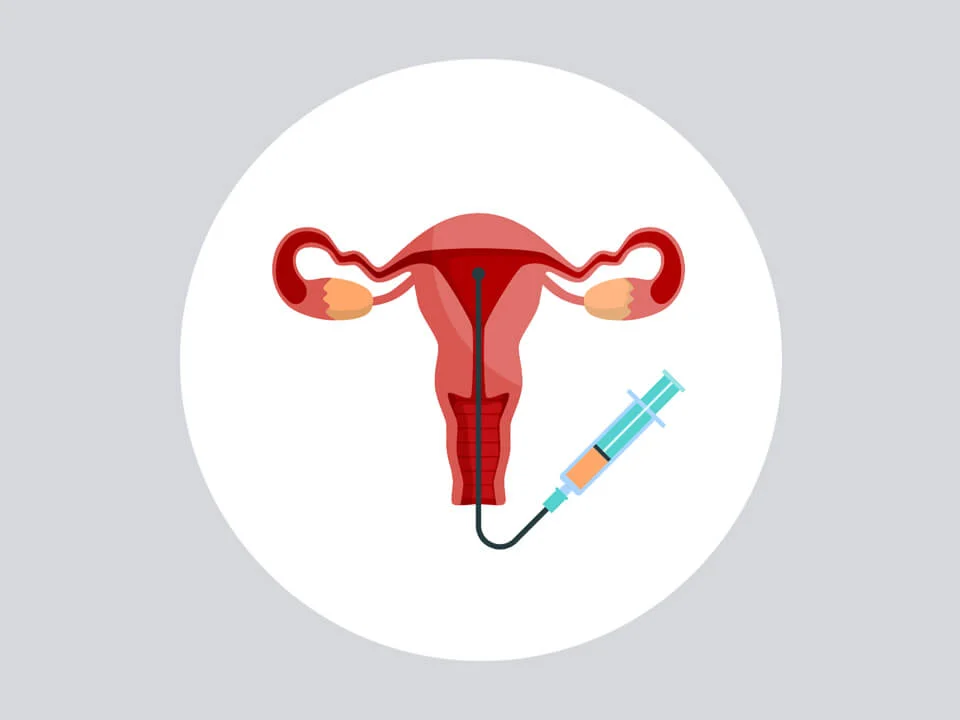
    Illustration of a uterus with a syringe, representing intrauterine insemination (IUI) procedure.

    Fertility Supplements vs Medical Treatments: What Science Says

    On the other hand, medical treatments for fertility are prescribed and monitored by a healthcare professional. These treatments can range from medications to surgical procedures, depending on the underlying cause of infertility. Some of the most common medical treatments for fertility include ovulation induction, intrauterine insemination (IUI), and in vitro fertilization (IVF).

    Ovulation induction is a treatment that stimulates the ovaries to produce eggs. This is often used for women who have irregular or absent ovulation. IUI involves placing sperm directly into the uterus during ovulation, increasing the chances of fertilization. IVF, on the other hand, involves retrieving eggs from the ovaries, fertilizing them with sperm in a laboratory, and then transferring the resulting embryo(s) into the uterus.

    These medical treatments have been extensively studied and have been shown to be effective in helping couples conceive. One study published in the Journal of the American Medical Association compared the pregnancy rates of couples who underwent IVF with those who used natural methods. The results showed that IVF significantly increased the chances of pregnancy.

    Another study published in the journal Fertility and Sterility looked at the effectiveness of IUI in couples with unexplained infertility. The study found that IUI significantly improved the chances of pregnancy compared to natural conception.

    The Role of Lifestyle Factors:

    While fertility supplements and medical treatments may play a role in improving fertility, it’s important to also consider lifestyle factors. Factors such as weight, diet, and stress can have a significant impact on fertility. Maintaining a healthy weight, eating a balanced diet, and managing stress levels can all contribute to increasing the chances of conception.

    Summary:

    When it comes to fertility, there is no one-size-fits-all solution. While fertility supplements may seem like a natural and easy way to improve fertility, the scientific evidence supporting their effectiveness is limited. On the other hand, medical treatments have been extensively studied and have shown to be effective in helping couples conceive. However, it’s important to also consider lifestyle factors and make necessary changes to increase the chances of conception.

    In conclusion, while fertility supplements and medical treatments both have their advantages and disadvantages, it’s crucial to consult with a healthcare professional to determine the best approach for your specific situation. Making healthy lifestyle choices and seeking medical advice can greatly improve the chances of conceiving a child.