The Truth About IVF: Is it Worth the Cost?
In vitro fertilization (IVF) is a medical procedure that has been a source of hope for many couples struggling with infertility. It involves extracting eggs from a woman’s ovaries and fertilizing them with sperm in a laboratory before transferring the resulting embryos into the woman’s uterus. IVF has been around since the late 1970s and has helped many couples achieve their dream of having a child. However, it is not without controversy and a hefty price tag. In this blog post, we will explore the truth about IVF and whether it is truly worth the cost.
The Cost of IVF
The most significant aspect of IVF that often gives couples pause is the cost. The average cost of a single IVF cycle in the United States is around $12,000, and many couples end up spending much more due to additional procedures or multiple cycles. The high cost of IVF is due to the numerous medical procedures involved, including hormone injections, egg retrieval, fertilization, and embryo transfer. Insurance coverage for IVF also varies greatly, with many plans not covering the procedure at all. This leaves many couples to foot the entire bill themselves, adding to the financial burden.
The Emotional Toll of IVF
Aside from the financial aspect, IVF can also take an emotional toll on couples. The process of fertility treatments can be physically and emotionally exhausting, with frequent doctor’s appointments, hormone injections, and uncertainty about the outcome. For many couples, the constant cycle of hope and disappointment can take a toll on their mental health and strain their relationship. It is essential to consider the emotional impact of IVF before deciding to undergo the procedure.
The Success Rates of IVF
One of the most critical factors to consider when deciding if IVF is worth the cost is its success rates. The success rates of IVF vary depending on several factors, including age, underlying medical conditions, and the quality of the embryos. According to the Centers for Disease Control and Prevention (CDC), the success rate of IVF for women under 35 is around 40%, while it drops to 4% for women over 42. This means that for many couples, multiple cycles of IVF may be necessary to achieve a successful pregnancy, significantly increasing the overall cost.
The Truth About IVF: Is it Worth the Cost?
The Potential Risks and Side Effects of IVF
Like any medical procedure, IVF comes with potential risks and side effects that couples need to consider. Some of the most common side effects include bloating, cramping, and mood swings from hormone injections. More severe risks include ovarian hyperstimulation syndrome, which can cause abdominal pain, nausea, and shortness of breath. Additionally, there is a small risk of multiple pregnancies, which can lead to complications for both the mother and the babies. It is crucial to discuss these risks with a doctor and weigh them against the potential benefits of IVF.
Alternative Options for Infertility
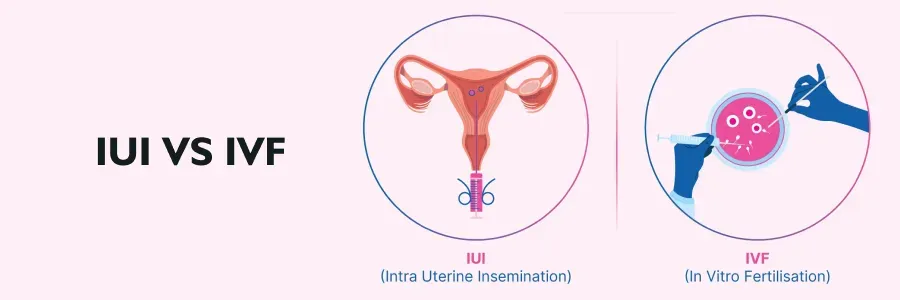
While IVF may be the most well-known fertility treatment, it is not the only option for couples struggling with infertility. Other procedures, such as intrauterine insemination (IUI) and fertility drugs, may be less expensive and less invasive alternatives. Additionally, some couples may choose to explore adoption or surrogacy instead of pursuing IVF. It is essential to consider all available options and consult with a fertility specialist to determine the best course of action.
The Emotional and Financial Rewards of IVF Success
Despite the high cost and potential risks, IVF has also brought immense joy and happiness to many couples. For those who have struggled with infertility for years, the successful outcome of an IVF cycle can be life-changing. The joy of finally becoming parents and holding their child in their arms often outweighs the financial and emotional toll of the process. For many, the end result of IVF is more than worth the cost.
So, is IVF worth the cost?
The truth about IVF is that it is a highly personal decision that each couple must make for themselves. While it can be a costly and emotionally taxing process, it has also brought happiness and fulfillment to many families. The success rates and potential risks must be carefully considered, as well as alternative options for infertility. Ultimately, the decision to undergo IVF should be based on each couple’s personal circumstances and desires.
In summary, IVF is a medical procedure that can be a source of hope for couples struggling with infertility. However, it comes with a high cost, emotional toll, and potential risks. The success rates and alternative options should be carefully considered before making a decision. Ultimately, the rewards of IVF success may make it worth the cost for some couples, while others may choose alternative paths to parenthood.
Leave a Reply