Blog Post:
Fertility is a deeply personal and emotional topic, with many couples struggling to conceive and turn to fertility clinics for help. However, as the cost of fertility treatments continue to rise, some couples are turning to do-it-yourself (DIY) treatments as a more affordable alternative. But with the rise of DIY fertility treatments, questions about their ethics have emerged. In this blog post, we will explore the ethics of fertility clinics versus DIY treatments and the potential risks and benefits of each option.
Fertility Clinics: A Multimillion-Dollar Industry
Fertility clinics have become a booming business, with the global fertility services market expected to reach $36.2 billion by 2026. These clinics offer a range of treatments, from basic fertility testing to more advanced procedures such as in vitro fertilization (IVF). While the success rates of these treatments vary, they often come with a hefty price tag, making them out of reach for many couples.
One of the biggest ethical concerns surrounding fertility clinics is their high cost. The average cost of a single IVF cycle in the United States can range from $12,000 to $15,000, not including the cost of medications. This high cost can create a barrier for many couples who cannot afford these treatments, leading them to seek alternative options.
DIY Treatments: A Controversial Alternative
With the rise of DIY culture, some couples have turned to at-home fertility treatments as a more affordable option. These treatments can range from using over-the-counter fertility supplements to at-home insemination kits. While these treatments may seem appealing due to their lower cost, they come with their own set of ethical concerns.
One of the major concerns with DIY treatments is the lack of medical supervision. Fertility clinics have a team of trained medical professionals overseeing the entire process, ensuring the safety and well-being of the patients. On the other hand, DIY treatments do not have the same level of medical oversight, putting the health of the individuals at risk. Improper use of medications or equipment can lead to serious health complications, and there is also a risk of misdiagnosis or incorrect treatment plans.
Another issue with DIY treatments is the lack of regulation. Fertility clinics are highly regulated by government agencies, ensuring that they meet certain standards and adhere to ethical guidelines. However, DIY treatments are not held to the same level of scrutiny, and there is a lack of oversight on the quality and safety of the products being used. This can lead to unproven or potentially dangerous treatments being marketed to vulnerable couples.
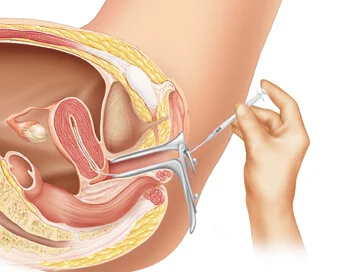
The Ethics of Fertility Clinics vs DIY Treatments
The Ethical Considerations of DIY Treatments
In addition to the potential health risks, there are also ethical considerations when it comes to DIY treatments. One of the main concerns is the exploitation of vulnerable individuals. Couples who are struggling to conceive may be more willing to try unproven methods in the hopes of achieving pregnancy, and there are companies that take advantage of this by marketing their products as “miracle cures.”
There is also the issue of informed consent. Fertility clinics have a legal and ethical obligation to fully inform patients of the potential risks and success rates of treatments, allowing them to make an informed decision. However, DIY treatments may not provide the same level of information, leading to individuals making decisions without fully understanding the potential consequences.
Benefits and Risks of Fertility Clinics and DIY Treatments
It is important to acknowledge that both fertility clinics and DIY treatments have their own set of benefits and risks. Fertility clinics offer the expertise and resources of trained medical professionals, increasing the chances of a successful pregnancy. They also provide a safe and regulated environment for treatments.
On the other hand, DIY treatments may be more accessible and affordable for some couples. They also allow individuals to take a more active role in their own fertility journey, which can be empowering. However, the lack of medical supervision and regulation can pose significant risks.
In Summary
The decision to seek fertility treatments is a deeply personal one, and it is crucial to carefully consider the ethics and potential risks of both fertility clinics and DIY treatments. Fertility clinics offer the expertise and regulation that DIY treatments lack, but their high cost can create a barrier for many couples. DIY treatments may be a more affordable option, but they come with potential health risks and ethical concerns.
It is important for individuals to thoroughly research and consult with medical professionals before making any decisions about their fertility journey. Fertility clinics and DIY treatments both have their own benefits and risks, and it is up to each couple to weigh these factors and make an informed decision that is best for them.
In conclusion, the ethics of fertility clinics versus DIY treatments is a complex and ongoing debate. While fertility clinics offer regulated and supervised treatments, DIY treatments may be a more accessible and affordable option. It is crucial for individuals to carefully consider the ethical implications and potential risks before embarking on any fertility journey.