DIY Fertility Solutions: Separating Fact from Fiction
Fertility is a topic that is surrounded by a lot of myths and misinformation. Couples struggling to conceive often turn to DIY fertility solutions in hopes of increasing their chances of getting pregnant. However, it is important to separate fact from fiction when it comes to these DIY solutions. In this blog post, we will explore some of the most common DIY fertility solutions and determine whether they are backed by science or simply myths.
Myth: Eating a certain diet can increase fertility.
Fact: While maintaining a healthy diet is important for overall health, there is no specific diet that can guarantee increased fertility. However, some studies have shown that following a Mediterranean diet, which includes fruits, vegetables, whole grains, and healthy fats, may help improve fertility in women. It is also important to limit alcohol and caffeine intake, as these can have a negative impact on fertility.
Myth: Herbal supplements can boost fertility.
Fact: There are many herbal supplements that claim to boost fertility, but there is limited research to support these claims. Some supplements, such as chasteberry and maca root, have shown some potential in improving fertility in women. However, it is important to consult with a healthcare professional before taking any herbal supplements, as they can interact with medications and may not be safe for everyone.
Myth: Certain sexual positions can increase the chances of conception.
Fact: There is no scientific evidence to support the idea that certain sexual positions can increase the chances of conception. The most important factor in getting pregnant is timing intercourse during ovulation. This means having sex during the most fertile days of a woman’s cycle, which is usually around 12-14 days after the start of her last period.
Myth: Using certain lubricants can hinder sperm movement.
Fact: While some lubricants may have ingredients that can be harmful to sperm, there are also fertility-friendly lubricants available that are specifically designed to not interfere with sperm movement. It is important to do research and choose a lubricant that is safe for conception if you are trying to get pregnant.
Myth: Exercising too much can decrease fertility.
Fact: Exercise is important for overall health and can actually improve fertility in women. However, excessive exercise can lead to irregular menstrual cycles and lower levels of estrogen, which can affect fertility. It is important to find a balance and not overdo it when it comes to exercise.
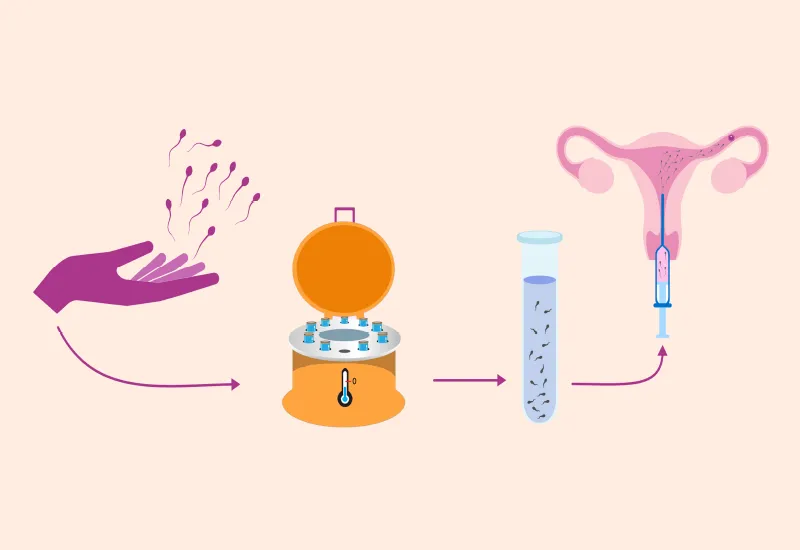
DIY Fertility Solutions: Separating Fact from Fiction
Myth: Stress can cause infertility.
Fact: While stress can have a negative impact on overall health, there is no evidence to suggest that it directly causes infertility. However, stress can affect a woman’s menstrual cycle and may make it more difficult to conceive. Finding ways to manage stress, such as through exercise, meditation, or therapy, can be beneficial for both physical and mental health.
Myth: Certain foods can increase sperm count and improve male fertility.
Fact: While there are some foods that are beneficial for male fertility, such as foods high in antioxidants, there is no specific diet that can guarantee increased sperm count. It is important for men to maintain a healthy diet and lifestyle, as well as avoid habits like smoking and excessive alcohol consumption, which can negatively impact sperm health.
Myth: Natural remedies, such as acupuncture and chiropractic care, can improve fertility.
Fact: While these alternative therapies may have some benefits for overall health, there is limited research to support their effectiveness in improving fertility. However, some studies have shown that acupuncture may help improve fertility in women undergoing assisted reproductive techniques, such as in vitro fertilization (IVF).
Myth: Taking certain medications can increase fertility.
Fact: There are some medications that are commonly used to treat infertility, such as clomiphene citrate and letrozole. However, these medications should only be taken under the guidance of a healthcare professional, as they can have serious side effects and may not be suitable for everyone.
Myth: Age only affects female fertility.
Fact: While it is commonly known that a woman’s fertility declines with age, it is also true for men. As men age, their sperm count and quality may decrease, making it more difficult to conceive. It is important for both men and women to be aware of the impact of age on fertility and to seek medical assistance if needed.
In conclusion, it is important to be cautious when it comes to DIY fertility solutions. While some may have some potential benefits, it is best to consult with a healthcare professional and do thorough research before trying any DIY methods. It is also important to remember that every person’s body and fertility journey is different, so what may work for one person may not work for another. Seeking medical advice and support is always the best option when trying to conceive.
Summary: Fertility is a topic surrounded by myths and misinformation. This blog post debunks common myths about DIY fertility solutions, such as diet, herbal supplements, sexual positions, and stress. It also addresses the impact of age on fertility for both men and women. While some DIY methods may have potential benefits, it is important to consult with a healthcare professional and do thorough research before trying them.