Author: mutony

  • Breaking Down Barriers: Overcoming Male and Female Factor Infertility Together

    Breaking Down Barriers: Overcoming Male and Female Factor Infertility Together

    Infertility affects millions of couples around the world and can be caused by a variety of factors. In some cases, both the man and woman may be facing fertility issues, known as male and female factor infertility. This can be a challenging and emotional journey for couples to navigate, but with the right support and resources, they can overcome these barriers together.

    Male factor infertility refers to when a man has difficulty impregnating a woman due to issues with his sperm. This can be caused by a variety of factors, including low sperm count, poor sperm quality, or blockages in the male reproductive system. On the other hand, female factor infertility is when a woman has difficulty conceiving or carrying a pregnancy to full term. This can be caused by issues with ovulation, blocked fallopian tubes, or uterine problems.

    In many cases, couples may face both male and female factor infertility, which can make the journey even more challenging. However, it is important for couples to know that they are not alone and that there are ways to overcome these barriers together.

    Understanding Male and Female Factor Infertility

    The first step in overcoming male and female factor infertility is to understand the causes and potential treatments available. For male factor infertility, a doctor may conduct a semen analysis to assess sperm count, motility, and shape. Depending on the results, treatment options may include lifestyle changes, medication, or assisted reproductive techniques such as intrauterine insemination (IUI) or in vitro fertilization (IVF).

    For female factor infertility, a doctor may conduct a series of tests to determine the cause. This can include blood tests to check hormone levels, ultrasounds to examine the reproductive organs, and imaging tests to look for any blockages. Treatment options may include medication to stimulate ovulation, surgery to correct any structural issues, or assisted reproductive techniques.

    Breaking the Stigma and Seeking Support

    Infertility is often a taboo topic, and many couples may feel embarrassed or ashamed to seek help. This can be especially true for men, as there is often a stigma surrounding male factor infertility. However, it is important for couples to break the silence and seek support from their loved ones and medical professionals.

    Joining support groups or connecting with other couples who are going through similar experiences can also be helpful. These groups can provide a safe space for couples to share their feelings, ask questions, and learn from others who have gone through or are going through the same journey.
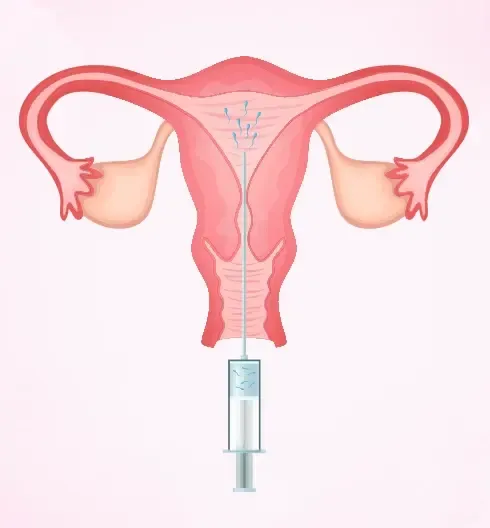
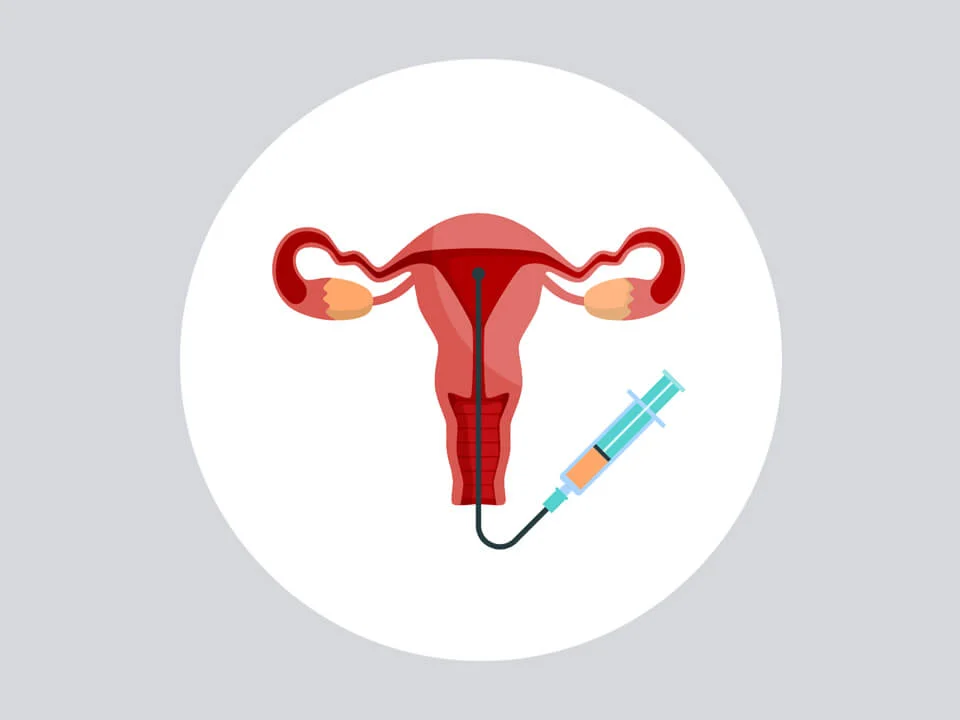
    Illustration of a uterus with a syringe indicating an intrauterine insemination procedure.

    Breaking Down Barriers: Overcoming Male and Female Factor Infertility Together

    Communication and Empathy in the Relationship

    Dealing with infertility can put a strain on even the strongest relationships. It is important for couples to communicate openly and honestly with each other throughout the process. This includes discussing fears, concerns, and potential treatment options. It is also crucial for couples to empathize with each other and understand that both partners are going through a difficult time.

    Couples should also make an effort to prioritize their relationship and find ways to support each other emotionally. This can include taking breaks from fertility treatments, going on dates, or finding other ways to connect and have fun together.

    Alternative Paths to Parenthood

    In some cases, traditional methods of conceiving may not be effective for couples facing male and female factor infertility. However, there are alternative paths to parenthood that couples can explore. This can include using a sperm or egg donor, surrogacy, or adoption.

    These alternative paths may come with their own challenges, but it is important for couples to keep an open mind and discuss all options with their doctor and with each other. Parenthood may not look the way they originally envisioned, but it can still be a beautiful and fulfilling journey.

    In Conclusion

    Infertility can be a difficult and emotional journey, especially for couples facing both male and female factor infertility. However, with the right support, understanding, and communication, these barriers can be overcome together. It is important for couples to seek help, break the stigma, and explore all options available to them on their path to parenthood.

    Summary:

    Infertility can be caused by both male and female factors, and it can be a challenging journey for couples to navigate. Understanding the causes and treatments available is crucial in overcoming these barriers. Seeking support from loved ones and joining support groups can help break the stigma surrounding infertility. Communication and empathy in the relationship are also important, as well as exploring alternative paths to parenthood if traditional methods are not effective. With the right support and resources, couples can overcome male and female factor infertility together.

  • When Two Become One: Combining Male and Female Factor Treatments for Optimal Results

    Blog post:

    When it comes to fertility treatments, there are often two main factors at play – male and female infertility. While both of these factors can greatly impact a couple’s ability to conceive, they are often treated separately. However, recent studies have shown that combining male and female factor treatments can lead to more successful outcomes. In this blog post, we will delve into the benefits of combining these treatments and how it can lead to optimal results for couples struggling with infertility.

    Male Factor Infertility:

    Male factor infertility refers to any issue that affects the male partner’s ability to impregnate a female partner. This can include low sperm count, poor sperm motility, and abnormal sperm morphology. According to the American Society for Reproductive Medicine, male factor infertility accounts for about 30% of all infertility cases.

    Traditionally, male factor infertility has been treated with procedures such as intrauterine insemination (IUI) or in vitro fertilization (IVF) with intracytoplasmic sperm injection (ICSI). These treatments involve collecting sperm from the male partner and inserting it directly into the female partner’s uterus or fertilizing the eggs in a lab before transferring them to the uterus.

    Female Factor Infertility:

    Female factor infertility, on the other hand, refers to any issue that affects the female partner’s ability to conceive. This can include ovulation disorders, blocked fallopian tubes, endometriosis, and age-related decline in fertility. It is estimated that female factor infertility accounts for about 40% of all infertility cases.

    Treatment for female factor infertility often involves procedures such as ovulation induction, intrauterine insemination, and IVF. These treatments aim to improve the chances of fertilization and implantation by addressing issues such as irregular ovulation or blocked fallopian tubes.

    The Benefits of Combining Treatments:

    While both male and female factor treatments have been shown to be effective on their own, combining them can lead to even better results for couples struggling with infertility. Here are some of the benefits of combining treatments:

    1. Addressing Multiple Factors: Combining treatments allows for a more comprehensive approach to infertility. By addressing both male and female factors, couples have a better chance of overcoming any issues that may be preventing them from conceiving.

    2. Increased Success Rates: Studies have shown that combining male and female factor treatments can lead to higher success rates compared to treating each factor separately. For example, one study found that couples who underwent combined treatment had a 60% success rate, while those who only received female factor treatment had a success rate of 50%.

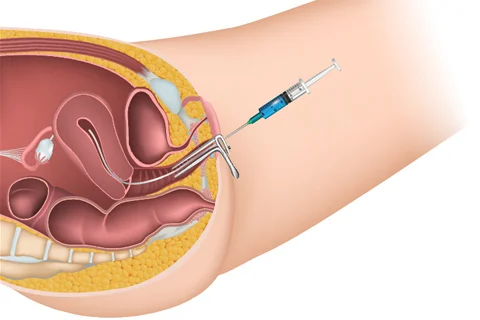
    Illustration of the IUI process, showing a syringe and catheter in the reproductive system.

    When Two Become One: Combining Male and Female Factor Treatments for Optimal Results

    3. Cost-Effective: Combining treatments can also be more cost-effective than undergoing separate treatments. By addressing both male and female factors at once, couples can potentially avoid the need for multiple treatment cycles, which can be costly.

    4. Reduced Emotional Burden: Struggling with infertility can take a toll on a couple’s emotional well-being. By combining treatments, couples can potentially reduce the emotional burden of going through multiple treatment cycles and increase their chances of success.

    5. Personalized Treatment Plans: Combining treatments allows for a more personalized approach to infertility. Each couple’s situation is unique, and by addressing both male and female factors, doctors can tailor the treatment plan to best suit the couple’s needs.

    Best Practices for Combining Treatments:

    While combining male and female factor treatments can lead to optimal results, it is essential to follow some best practices to ensure the best possible outcome:

    1. Seek Expert Advice: It is crucial to consult with a fertility specialist who has experience in combining treatments. They can assess the couple’s individual situation and recommend the best course of action.

    2. Communication is Key: Open and honest communication between the couple and their doctor is crucial. This ensures that both partners are on the same page and understand the treatment plan.

    3. Follow Treatment Protocols: It is essential to follow all treatment protocols prescribed by the doctor. This includes taking any medications as directed and attending all appointments.

    4. Address Lifestyle Factors: While medical treatments play a significant role in overcoming infertility, lifestyle factors such as diet, exercise, and stress management can also impact fertility. It is essential to address these factors to increase the chances of success.

    5. Be Patient: Combining treatments can be a lengthy process, and it is essential to be patient and trust the process. It may take a few cycles before seeing results, but staying positive and patient can make all the difference.

    In conclusion, combining male and female factor treatments can lead to optimal results for couples struggling with infertility. It allows for a more comprehensive approach to addressing infertility and can increase the chances of success. By following best practices and seeking expert advice, couples can increase their chances of starting a family and fulfilling their dream of parenthood.

    Summary:

    Combining male and female factor treatments for infertility has been shown to lead to more successful outcomes. While traditional treatments for male and female factor infertility have been effective on their own, combining them can provide a more comprehensive approach, increased success rates, and a more personalized treatment plan. It is essential to follow best practices, seek expert advice, and be patient throughout the treatment process.

  • Female Factor Infertility Treatments: A Comprehensive Guide

    Female factor infertility is a condition that affects many women around the world. It refers to the inability of a woman to conceive or carry a pregnancy to full term due to issues with her reproductive system. This condition can be caused by a variety of factors such as hormonal imbalances, structural abnormalities, or medical conditions. Fortunately, there are various treatments available to help women overcome female factor infertility and achieve their dream of becoming mothers. In this comprehensive guide, we will explore the different options for treating female factor infertility and provide important information for women who are considering their treatment options.

    1. Fertility Medications:
    For women who have hormonal imbalances that are affecting their fertility, fertility medications may be recommended. These medications work by stimulating the production of hormones that are essential for ovulation and pregnancy. Some commonly used fertility medications include Clomiphene citrate, Gonadotropins, and Metformin. These medications can be taken orally or injected, and they are usually prescribed for a few months before moving on to other treatments.

    2. Intrauterine Insemination (IUI):
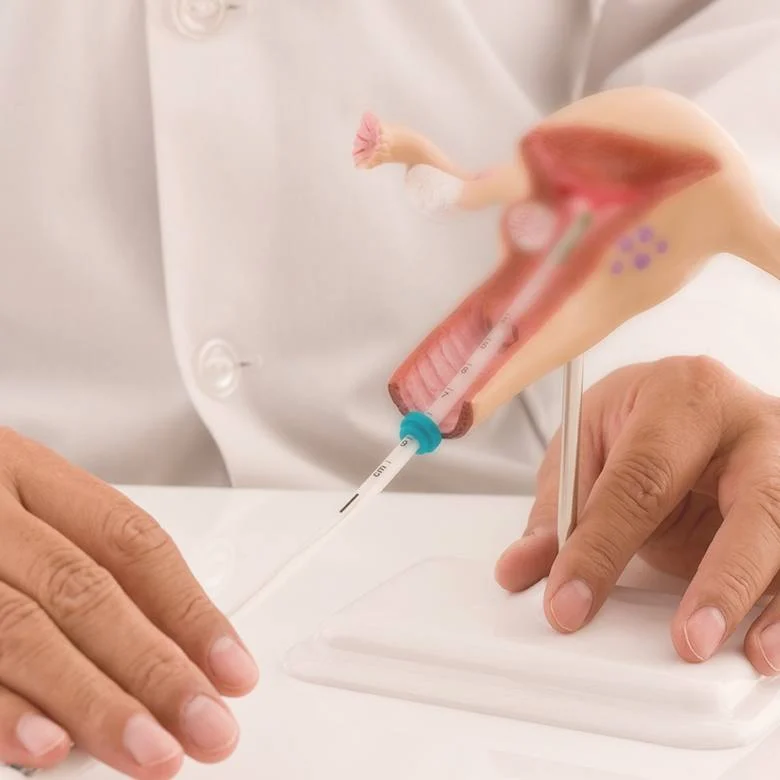
    Intrauterine insemination, also known as artificial insemination, is a procedure that involves placing sperm directly into a woman’s uterus using a catheter. This procedure is often recommended for women who have issues with their cervical mucus or for couples who have unexplained infertility. It is a simple and relatively painless procedure that can be done in a doctor’s office. The success rates of IUI vary, but it is generally less invasive and less expensive than other fertility treatments.

    3. In Vitro Fertilization (IVF):
    In vitro fertilization is a more complex and invasive fertility treatment that involves retrieving eggs from a woman’s ovaries and fertilizing them with sperm in a laboratory. The fertilized eggs (embryos) are then transferred into the woman’s uterus, where they have the potential to implant and result in a pregnancy. IVF is often recommended for women who have blocked or damaged fallopian tubes, severe endometriosis, or other reproductive issues. It is also used for women who have not had success with other fertility treatments.

    4. Egg Freezing:
    Egg freezing, also known as oocyte cryopreservation, is a procedure that involves retrieving a woman’s eggs and freezing them for future use. This can be a good option for women who want to preserve their fertility for medical reasons, such as cancer treatment, or for personal reasons, such as delaying pregnancy for career or educational pursuits. The eggs can be thawed and fertilized with sperm at a later time, and the resulting embryos can be transferred into the woman’s uterus through IVF.

    model of the female reproductive system with a hand demonstrating intrauterine insemination technique

    Female Factor Infertility Treatments: A Comprehensive Guide

    5. Fertility Surgery:
    In some cases, fertility issues can be caused by structural abnormalities in a woman’s reproductive system. In these cases, fertility surgery may be recommended to correct the issue and improve the chances of conceiving. Some common fertility surgeries include laparoscopy, hysteroscopy, and tubal reanastomosis. These procedures are usually done to treat conditions such as endometriosis, uterine fibroids, or blocked fallopian tubes.

    6. Assisted Reproductive Technology (ART):
    Assisted reproductive technology (ART) refers to any fertility treatment that involves handling a woman’s eggs and sperm outside of the body. This includes IVF, IUI, and other procedures such as intracytoplasmic sperm injection (ICSI) and gamete intrafallopian transfer (GIFT). ART is often used for couples who have severe male factor infertility, as well as for women who have a low ovarian reserve or other fertility issues.

    7. Alternative Treatments:
    In addition to the traditional medical treatments mentioned above, there are also alternative treatments that some women may choose to try. These include acupuncture, herbal remedies, and mind-body techniques such as yoga and meditation. While there is limited scientific evidence to support the effectiveness of these treatments, some women have reported success in improving their fertility through these methods.

    In conclusion, female factor infertility can be a challenging and emotional journey for many women. However, with advancements in technology and medical treatments, there are now more options available for women who are struggling to conceive. It is important for women to consult with a fertility specialist to determine the cause of their infertility and to explore the best treatment options for their unique situation. With the right treatment, many women are able to overcome female factor infertility and fulfill their dream of starting a family.

    Summary:
    Female factor infertility refers to the inability of a woman to conceive or carry a pregnancy to full term due to issues with her reproductive system. There are various treatments available to help women overcome this condition, including fertility medications, intrauterine insemination, in vitro fertilization, egg freezing, fertility surgery, assisted reproductive technology, and alternative treatments. It is important for women to consult with a fertility specialist to determine the best treatment option for their unique situation. With the right treatment, many women are able to overcome female factor infertility and achieve their dream of becoming mothers.

  • Male Factor Infertility Treatments: What to Expect and How to Prepare

    Infertility is a common issue that affects millions of couples worldwide. While many people tend to think of infertility as a female problem, the truth is that male factor infertility plays a significant role in about 30% of all infertility cases. This can be a frustrating and emotional experience for couples trying to conceive, but the good news is that there are various treatments available to help overcome male factor infertility. In this blog post, we will discuss what to expect and how to prepare for male factor infertility treatments.

    What is Male Factor Infertility?

    Male factor infertility refers to any fertility problem that originates from the male partner. This can include issues with sperm production, motility, or function. Some common causes of male factor infertility include hormonal imbalances, genetic disorders, and lifestyle factors such as smoking, excessive alcohol consumption, and drug use.

    Before starting any treatment for male factor infertility, it is essential to undergo a thorough evaluation to identify the specific cause of the issue. This may include a physical exam, semen analysis, hormone testing, and genetic testing. Once the cause has been determined, your doctor will recommend the most suitable treatment for you and your partner.

    Types of Male Factor Infertility Treatments

    1. Lifestyle Changes

    In some cases, making simple lifestyle changes can improve male fertility. This may include quitting smoking, reducing alcohol consumption, and maintaining a healthy diet and exercise routine. These changes can help improve sperm count, motility, and overall sperm health.

    2. Medications

    If a hormonal imbalance is the cause of male factor infertility, your doctor may prescribe medications to help regulate hormone levels. These medications may include clomiphene citrate, human chorionic gonadotropin (hCG), or gonadotropin-releasing hormone (GnRH) agonists. These drugs can help stimulate sperm production and improve fertility.

    3. Assisted Reproductive Technologies (ART)

    ART refers to a group of fertility treatments that involve handling eggs and sperm outside of the body. These treatments may be recommended for couples with severe male factor infertility or for those who have not been successful with other treatments.

    a. Intrauterine Insemination (IUI)

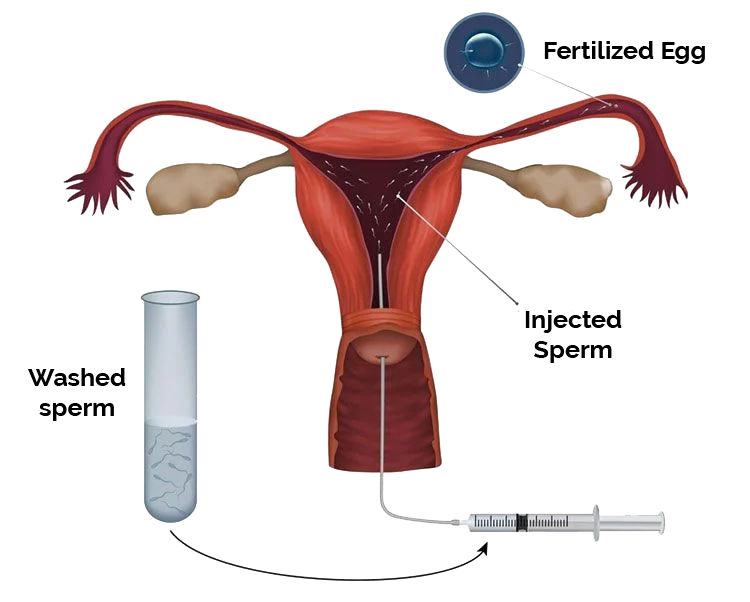
    IUI involves placing washed and concentrated sperm directly into the woman’s uterus during ovulation. This method can help bypass any issues with sperm motility or function and increase the chances of fertilization.

    b. In Vitro Fertilization (IVF)

    IVF is a more advanced form of ART that involves fertilizing eggs with sperm in a laboratory setting and then transferring the resulting embryo(s) into the woman’s uterus. This treatment can be used in cases of severe male factor infertility, as it allows for better selection and handling of sperm and can increase the chances of fertilization.

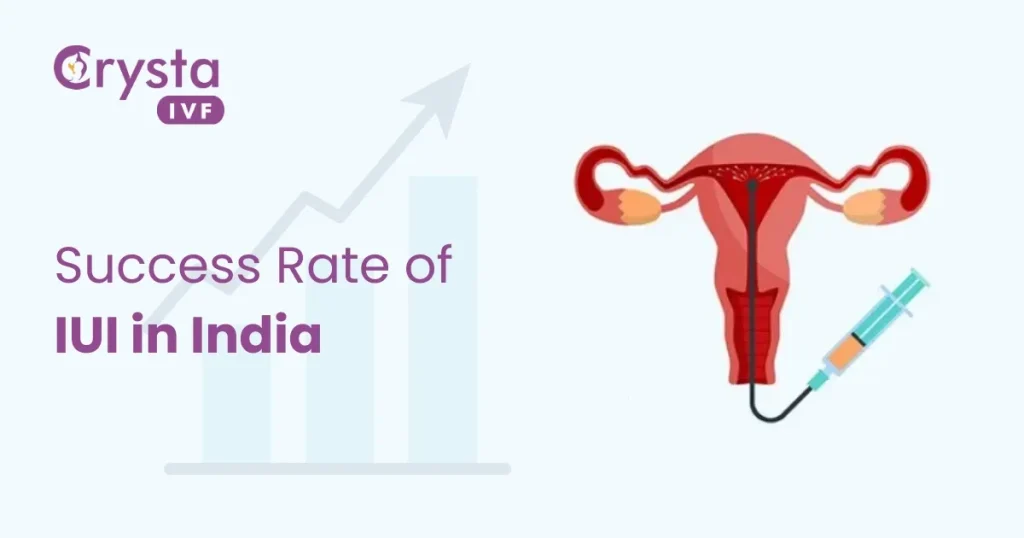
    success rate of IUI in India with a graphic of a uterus and syringe alongside a rising graph

    Male Factor Infertility Treatments: What to Expect and How to Prepare

    c. Intracytoplasmic Sperm Injection (ICSI)

    ICSI is a specialized form of IVF where a single sperm is injected directly into an egg. This treatment is often recommended for couples with severe male factor infertility, as it can help overcome issues with sperm motility, function, and low sperm count.

    4. Surgery

    In some cases, surgery may be recommended to correct any physical abnormalities that may be causing male factor infertility. This may include repairing a varicocele (enlarged veins in the testicles) or removing blockages in the reproductive tract.

    Preparing for Male Factor Infertility Treatments

    Preparing for male factor infertility treatments can be a daunting and emotional process. Here are some tips to help you and your partner prepare for this journey:

    1. Understand the Process

    It is essential to have a good understanding of the treatment process, including what it involves, the potential risks and side effects, and the success rates. This will help you and your partner prepare mentally and emotionally for the treatment.

    2. Communicate with Your Partner

    Infertility can be a challenging experience for both partners, and it is essential to communicate openly and support each other throughout the process. Discuss your feelings, fears, and expectations, and be there for each other during the highs and lows of treatment.

    3. Take Care of Your Physical and Mental Health

    Male factor infertility treatments can be physically and emotionally demanding, so it is crucial to take care of yourself. Eat a healthy diet, exercise regularly, and practice relaxation techniques to manage stress and anxiety.

    4. Seek Support

    Do not be afraid to reach out to family, friends, or a support group for help and advice. Having a strong support system can make a significant difference in coping with male factor infertility treatments.

    In summary, male factor infertility is a common issue that affects many couples, but there are various treatments available to help overcome it. These treatments may include lifestyle changes, medications, assisted reproductive technologies, and surgery. It is essential to undergo a thorough evaluation to determine the cause of male factor infertility and to prepare physically and emotionally for the treatment process. With the right support and mindset, couples can navigate through this journey and increase their chances of achieving their dream of starting a family.

  • The Importance of Early Detection: Diagnosing Male and Female Factor Infertility

    Blog post: The Importance of Early Detection: Diagnosing Male and Female Factor Infertility

    Infertility is a common issue that affects millions of couples around the world. While many people assume that infertility is solely a female problem, the reality is that both men and women can contribute to fertility issues. In fact, research shows that male factor infertility accounts for up to 40% of all infertility cases. However, the good news is that with early detection and proper treatment, many couples can overcome infertility and achieve their dream of having a family.

    In this blog post, we will explore the importance of early detection in diagnosing male and female factor infertility. We will discuss the causes of infertility, the role of early detection, and the available options for treatment. So, whether you are struggling to conceive or simply want to be proactive about your reproductive health, read on to learn more about this important topic.

    Causes of Infertility

    Infertility can be caused by a variety of factors, both in men and women. In women, the most common causes of infertility include hormonal imbalances, ovulation disorders, and structural issues with the reproductive organs. Endometriosis, a condition in which the tissue that lines the uterus grows outside of it, can also contribute to female infertility.

    On the other hand, male factor infertility is often caused by issues with sperm production, function, or delivery. These can include hormonal imbalances, genetic disorders, infections, and lifestyle factors such as smoking and excessive alcohol consumption. Additionally, certain medications and medical treatments, such as chemotherapy, can also affect sperm production and quality.

    The Role of Early Detection

    Early detection is crucial when it comes to diagnosing male and female factor infertility. Many couples wait until they have been trying to conceive for a year or more before seeking medical help. However, experts recommend that couples who are under 35 and have been trying to conceive for 12 months, or those over 35 and have been trying for 6 months, should seek medical advice. Early detection allows for a timely diagnosis, which can increase the chances of successful treatment.

    For women, early detection can help identify any underlying medical conditions that may be affecting fertility. This can include hormonal imbalances or structural issues with the reproductive organs. In some cases, early detection can also help diagnose conditions such as endometriosis, which may require surgical intervention for treatment.

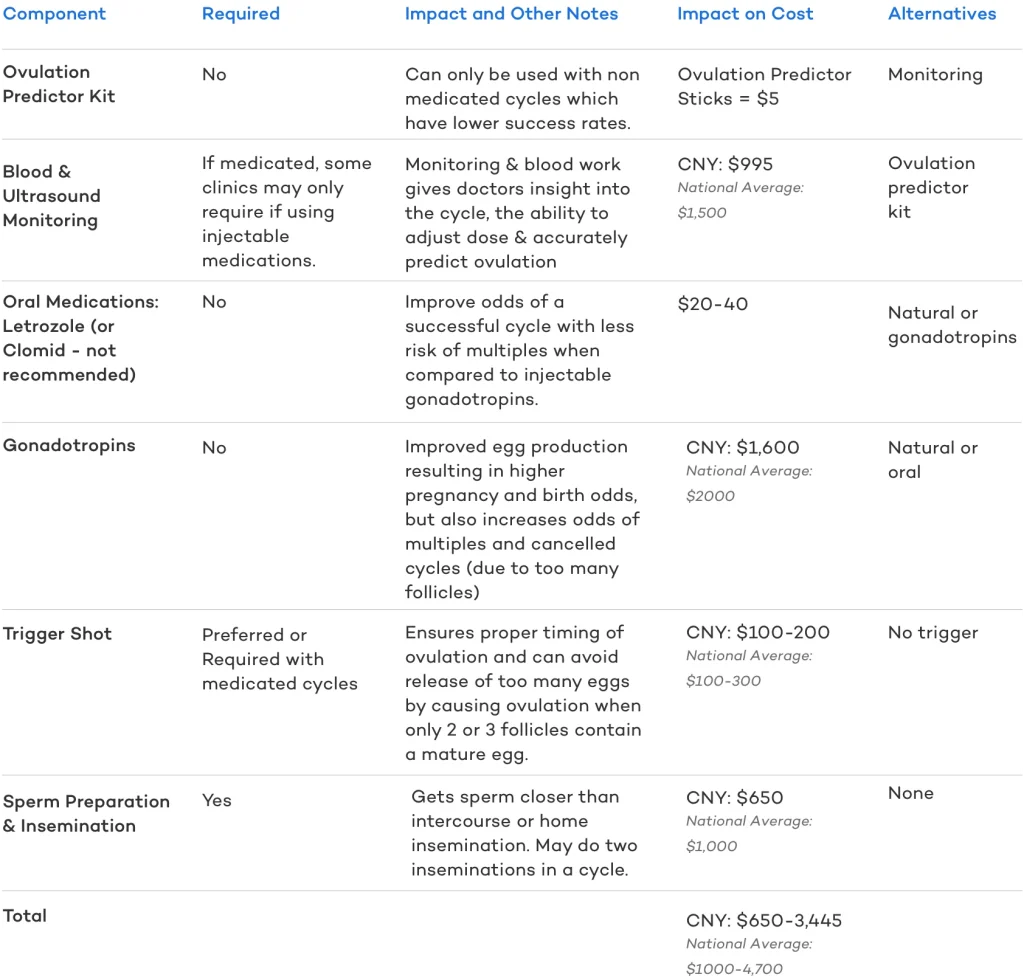
    Cost breakdown for IUI components, including requirements, impacts, and alternatives.

    The Importance of Early Detection: Diagnosing Male and Female Factor Infertility

    In men, early detection can help identify any issues with sperm production or function. A semen analysis, which is a simple and non-invasive test, can provide valuable information about sperm count, motility, and morphology. If any abnormalities are detected, further testing can help determine the cause and guide treatment options.

    Treatment Options

    The treatment for infertility will depend on the underlying cause and may involve a combination of medical, surgical, or assisted reproductive techniques. For women, hormonal therapies can help regulate ovulation and increase the chances of conception. In cases of structural issues, surgical intervention may be necessary to correct any abnormalities in the reproductive organs.

    For male factor infertility, treatment options may include hormonal therapy, antibiotics to treat infections, or surgery to correct any blockages or abnormalities in the reproductive organs. In cases of severe sperm abnormalities, assisted reproductive techniques such as intrauterine insemination (IUI) or in vitro fertilization (IVF) may be recommended.

    However, early detection is key in ensuring the success of these treatments. The longer a couple waits to seek medical help, the higher the chances of underlying fertility issues becoming more difficult to treat. This is why it is crucial to seek medical advice as soon as a couple suspects they may be facing fertility issues.

    In addition to medical treatments, lifestyle changes can also play a significant role in improving fertility. For both men and women, maintaining a healthy weight, reducing alcohol consumption, quitting smoking, and managing stress can all help increase the chances of successful conception.

    In conclusion, infertility is a common issue that can affect both men and women. Early detection is crucial in diagnosing and treating male and female factor infertility. By seeking medical help early on, couples can increase their chances of successful conception and start their journey towards building a family. So, if you and your partner are facing fertility issues, do not hesitate to seek medical advice and explore your options for treatment.

    Summary:

    Infertility is a common issue that affects both men and women, with male factor infertility accounting for up to 40% of all cases. The causes of infertility can vary, and early detection is crucial in identifying and treating these issues. For women, early detection can help diagnose conditions such as endometriosis, while in men, it can identify issues with sperm production or function. Treatment options for infertility can include medical, surgical, or assisted reproductive techniques, but early detection is key to their success. In addition to medical treatments, lifestyle changes can also play a significant role in improving fertility. Seeking medical advice early on can increase the chances of successful conception and help couples achieve their dream of starting a family.

  • Hope for Couples: Overcoming Infertility Through Male and Female Factor Treatments

    Title: Hope for Couples: Overcoming Infertility Through Male and Female Factor Treatments

    Introduction:
    Infertility is a common issue that affects many couples around the world. It can be a difficult and emotional journey for couples who are struggling to conceive. While there are many factors that can contribute to infertility, it is important to understand that both men and women can experience fertility issues. In this blog post, we will explore the different treatment options available for male and female factor infertility and how they can bring hope to couples who are trying to start a family.

    Understanding Male and Female Factor Infertility:
    Before diving into the treatments, it is important to understand the difference between male and female factor infertility. Male factor infertility refers to issues with sperm production, function, or delivery, while female factor infertility is related to problems with ovulation, egg quality, or the reproductive organs. In some cases, both partners may have contributing factors to infertility, making it even more challenging for couples to conceive.

    Male Factor Infertility Treatments:
    When it comes to male factor infertility, there are several treatment options available depending on the underlying cause. One common treatment is medication, which can help improve sperm production and function. In cases where there are blockages or obstructions in the reproductive organs, surgery may be necessary to clear the blockage. Another option is assisted reproductive technology (ART), such as intrauterine insemination (IUI) or in vitro fertilization (IVF), which involves collecting sperm and using it to fertilize the female partner’s egg. These treatments have shown high success rates in helping couples conceive.

    Female Factor Infertility Treatments:
    For women, the treatment options for infertility will depend on the underlying cause. If the issue is related to ovulation, medication such as Clomid or letrozole may be prescribed to stimulate ovulation. In cases where there are structural issues with the reproductive organs, surgery may be necessary to correct the problem. ART, such as IVF, may also be recommended for women with fertility issues. Additionally, lifestyle changes, such as maintaining a healthy weight and reducing stress, can also improve fertility in women.

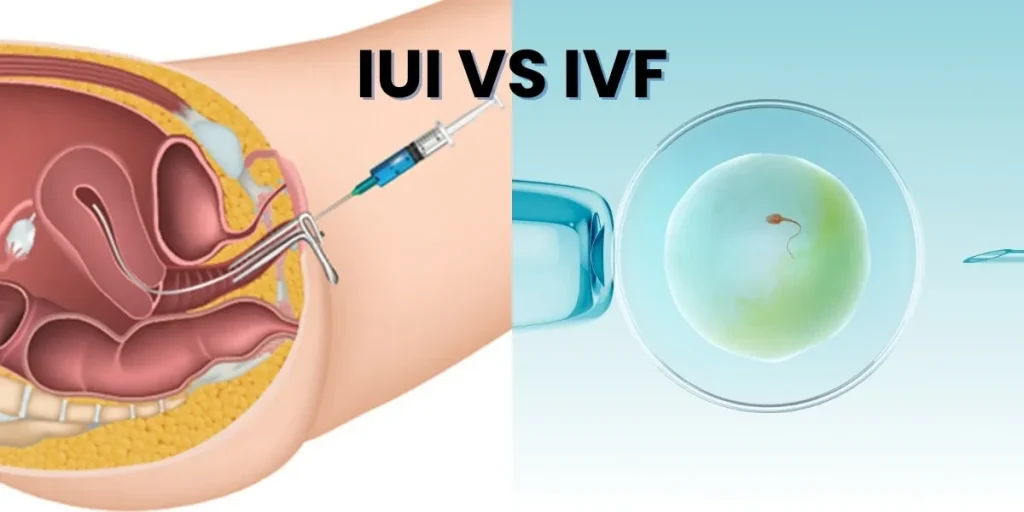
    comparison of IUI and IVF fertility treatments with illustrations of procedures and a petri dish with an egg and sperm

    Hope for Couples: Overcoming Infertility Through Male and Female Factor Treatments

    Combining Treatments for Better Results:
    In some cases, combining male and female factor infertility treatments can greatly increase the chances of conception. For example, if a man has a low sperm count and the woman has blocked fallopian tubes, using ART with donor sperm can be a viable option for couples. This is known as donor sperm IUI or IVF. By combining treatments, couples can have a better chance of overcoming their fertility struggles and achieving their dream of starting a family.

    The Emotional Impact of Infertility:
    Dealing with infertility can take a toll on the emotional wellbeing of both partners. It can cause feelings of stress, anxiety, and even depression. It is important for couples to communicate openly and support each other through this journey. Seeking the help of a therapist or joining a support group can also be beneficial in coping with the emotional impact of infertility.

    The Role of Nutrition and Lifestyle:
    While medical treatments play a significant role in overcoming infertility, paying attention to nutrition and lifestyle factors can also make a difference. A healthy and balanced diet can help regulate hormones and improve fertility in both men and women. Additionally, avoiding smoking, excessive alcohol consumption, and maintaining a healthy weight can also improve fertility. Couples can work together to make positive lifestyle changes that can improve their chances of conceiving.

    Conclusion:
    Infertility can be a challenging and emotional journey for couples, but there is hope. With the advancements in medical technology and treatments, many couples have been able to overcome their fertility struggles and start a family. By understanding the different treatment options available for male and female factor infertility and addressing any emotional and lifestyle factors, couples can increase their chances of conceiving and bringing a new life into the world.

    In summary, infertility can affect both men and women, and there are various treatment options available to help couples overcome their fertility struggles. These include medication, surgery, assisted reproductive technology, and lifestyle changes. By combining treatments and addressing emotional and lifestyle factors, couples can increase their chances of conceiving and fulfilling their dream of starting a family.

  • Fertility Facts: Debunking Myths About Male and Female Factor Treatments

    Blog Post: Fertility Facts: Debunking Myths About Male and Female Factor Treatments

    Fertility is a topic that is often shrouded in myths and misconceptions, especially when it comes to male and female factor treatments. Many couples struggling to conceive may feel overwhelmed and confused by the conflicting information out there. In this blog post, we will explore some of the most common fertility myths and debunk them with facts about male and female factor treatments.

    Myth #1: Fertility Issues are Only a Woman’s Problem

    One of the most common misconceptions about fertility is that it is solely the woman’s responsibility to conceive. While it is true that women play a significant role in the process, fertility issues can also arise from male factors. In fact, 1 in 3 cases of infertility is due to male factors alone, and in another 1 in 3 cases, both male and female factors contribute to the problem.

    Male fertility issues can include low sperm count, poor sperm motility, and abnormal sperm morphology. These issues can be caused by various factors such as hormonal imbalances, genetic conditions, and lifestyle choices. It is essential for both partners to undergo fertility testing to determine the root cause of their infertility and receive appropriate treatment.

    Myth #2: Fertility Problems are Rare

    Another misconception about fertility is that it is a rare problem. However, the reality is that infertility affects around 1 in 8 couples worldwide. It is a common issue that can be caused by various factors, including age, health conditions, and lifestyle choices. It is crucial for couples to seek help if they have been trying to conceive for over a year without success.

    Myth #3: Infertility is Always a Woman’s Fault

    Infertility is not a woman’s fault, and it is not something that can be controlled. Many factors contribute to fertility problems, including age, health conditions, and genetics. While women are often blamed for infertility, the truth is that it is a shared responsibility between both partners. It is essential to approach fertility as a team and support each other throughout the process.

    Myth #4: Fertility Treatment is Only for Women

    Another myth surrounding fertility is that treatment is only available for women. However, advancements in technology have made it possible for men to receive treatments for their fertility issues. Male factor treatments include lifestyle changes, medication, surgery, and assisted reproductive techniques such as intrauterine insemination (IUI) and in vitro fertilization (IVF). It is crucial for men to seek professional help if they are experiencing fertility problems.

    Myth #5: IVF is the Only Option for Infertility

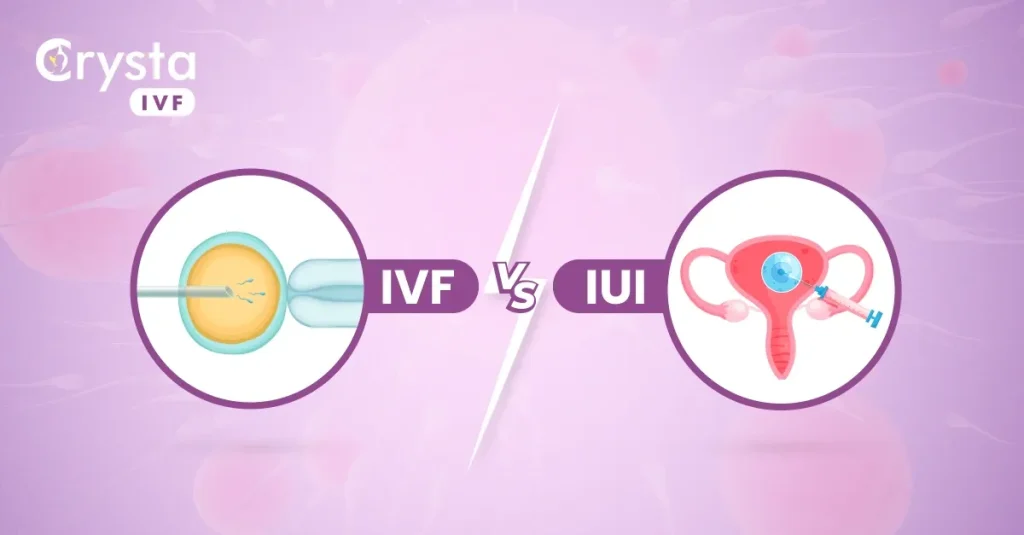
    Comparison of IVF and IUI procedures with illustrations of each method.

    Fertility Facts: Debunking Myths About Male and Female Factor Treatments

    In vitro fertilization (IVF) is a well-known fertility treatment that involves fertilizing an egg with sperm in a lab and then transferring the embryo into the woman’s uterus. While IVF has a high success rate, it is not the only option for couples struggling with infertility. Depending on the cause of infertility, other treatments such as medication, surgery, and intrauterine insemination (IUI) may be recommended by a fertility specialist. It is essential to consult with a specialist to determine the best course of treatment for each individual case.

    Myth #6: Fertility Treatment is Always Expensive

    The cost of fertility treatment varies depending on the type of treatment, location, and individual circumstances. While some treatments can be costly, there are also affordable options available, such as medication and lifestyle changes. Many fertility clinics also offer financing options and discounts to make treatment more accessible to couples.

    Myth #7: Fertility Treatment Always Results in Multiple Births

    One of the most common fears about fertility treatment is the risk of multiple births. While it is true that some treatments, such as IVF, can increase the chances of multiple births, it is not always the case. With advancements in technology and medical protocols, fertility specialists can now control and monitor the number of embryos transferred to reduce the risk of multiple births.

    Myth #8: Age Does Not Affect Male Fertility

    While women are often warned about the impact of age on their fertility, men are often left out of the conversation. The truth is that age does play a role in male fertility. As men age, their sperm quality and quantity decrease, making it more challenging to conceive. It is crucial for couples to be aware of this and seek help if they have been trying to conceive for over a year.

    Myth #9: Lifestyle Choices Do Not Affect Fertility

    Many lifestyle choices can have a significant impact on fertility for both men and women. These choices include smoking, excessive alcohol consumption, drug use, and a poor diet. These habits can affect hormone levels, sperm quality, and overall reproductive health. It is essential for couples to make healthy lifestyle choices to improve their chances of conceiving.

    Myth #10: Fertility Treatment is Guaranteed to Work

    While fertility treatment has a high success rate, it is not a guarantee. The success of treatment depends on various factors, including the cause of infertility, age, and overall health. It is essential for couples to have realistic expectations and be prepared for multiple treatment cycles if needed.

    In conclusion, there are many myths surrounding male and female factor treatments for fertility. It is essential for couples to educate themselves and seek help from a fertility specialist to receive accurate information and appropriate treatment. Remember, fertility is a shared responsibility, and it is crucial to support each other through the journey.

  • The Role of Genetics in Male and Female Factor Infertility Treatments

    Blog Post:

    Infertility is a common issue that affects many couples around the world. It is estimated that 1 in 8 couples struggle with infertility, and while there are many factors that can contribute to this condition, genetics play a significant role. In fact, studies have shown that genetics account for about 30% of all infertility cases.

    When it comes to male and female factor infertility, genetics can play a role in both. In this blog post, we will take a closer look at the role of genetics in male and female factor infertility treatments.

    Male Factor Infertility and Genetics:

    Male factor infertility refers to any fertility issue that is caused by problems with the male partner’s reproductive system. This can include low sperm count, poor sperm motility, or abnormal sperm shape. In many cases, these issues can be attributed to genetics.

    One of the main ways genetics can affect male infertility is through the Y chromosome. The Y chromosome is responsible for male sexual development, and any mutations or abnormalities in this chromosome can lead to fertility problems. For example, a deletion or duplication of genetic material on the Y chromosome can result in conditions like Klinefelter syndrome or Y chromosome microdeletions, both of which can cause male factor infertility.

    Another genetic factor that can contribute to male infertility is the presence of certain gene mutations. These mutations can impact sperm production, sperm motility, and sperm quality, all of which can affect a man’s fertility. Some of the genes that have been linked to male infertility include the CFTR gene, which is associated with cystic fibrosis, and the FSHR gene, which is involved in regulating sperm production.

    Female Factor Infertility and Genetics:

    Similarly, genetics also play a significant role in female factor infertility. In women, genetic factors can impact ovulation, the health of the eggs, and the overall function of the reproductive system.

    One of the most well-known genetic causes of female infertility is a condition called polycystic ovary syndrome (PCOS). This condition affects about 10% of women and is caused by an imbalance of hormones. Women with PCOS often have irregular or absent ovulation, making it difficult to conceive.

    Another genetic factor that can contribute to female infertility is chromosomal abnormalities. These can include conditions like Turner syndrome, in which a woman is missing one X chromosome, or Fragile X syndrome, which can cause early menopause. These abnormalities can affect a woman’s fertility by impacting hormone levels, egg quality, and the overall functioning of the reproductive system.

    diagram of the female reproductive system with an IUI syringe and test tube for artificial insemination

    The Role of Genetics in Male and Female Factor Infertility Treatments

    Genetic Testing in Infertility Treatments:

    With the advances in technology, genetic testing has become an essential tool in infertility treatments. Genetic testing allows doctors to identify any genetic issues that may be causing infertility and develop a more personalized treatment plan.

    In male factor infertility, genetic testing can help identify any chromosomal abnormalities or gene mutations that may be impacting sperm production or quality. This information can then be used to determine the best course of treatment, such as assisted reproductive techniques like intracytoplasmic sperm injection (ICSI).

    For female factor infertility, genetic testing can help identify conditions like PCOS or chromosomal abnormalities that may be affecting a woman’s fertility. This information can be used to guide treatment options, such as fertility medications or in vitro fertilization (IVF).

    In some cases, genetic testing can also help identify underlying conditions that may be causing both male and female infertility. For example, certain genetic conditions like cystic fibrosis or sickle cell disease can affect both partners and may require additional treatment considerations.

    The Future of Genetics in Infertility Treatments:

    As our understanding of genetics continues to advance, so do our treatment options for infertility. One of the most promising developments is the use of gene editing technology, like CRISPR, to correct genetic mutations that may be causing infertility. This technology has the potential to revolutionize infertility treatments and offer hope to many couples struggling to conceive.

    However, ethical concerns and the need for further research and development still surround this technology. As of now, gene editing is not widely used in infertility treatments, but it could become a more common practice in the future.

    In conclusion, genetics play a crucial role in male and female factor infertility. By understanding the genetic factors that contribute to infertility, doctors can develop more effective and personalized treatment plans for couples. With the continued advancement of technology and research, the future of genetics in infertility treatments looks promising, offering hope to those struggling to start a family.

    Summary:

    Infertility affects many couples worldwide, and genetics play a significant role in both male and female factor infertility. Genetic factors such as mutations on the Y chromosome and gene mutations can cause male factor infertility, while conditions like PCOS and chromosomal abnormalities can contribute to female factor infertility. Genetic testing has become an essential tool in infertility treatments, allowing doctors to develop personalized treatment plans. The future of genetics in infertility treatments looks promising, with the potential use of gene editing technology to correct genetic mutations.

  • From Hormone Therapy to IVF: Treating Female Factor Infertility

    From Hormone Therapy to IVF: Treating Female Factor Infertility

    Infertility affects approximately 15% of couples worldwide, and female factor infertility is the cause in about one-third of these cases. Female factor infertility refers to the inability of a woman to become pregnant or carry a pregnancy to full term due to issues with her reproductive system. This can include problems with ovulation, the fallopian tubes, or the uterus. Fortunately, advancements in medical technology have provided various treatment options for women struggling with this condition. In this blog post, we will discuss the different stages of treatment for female factor infertility, from hormone therapy to in vitro fertilization (IVF).

    Hormone Therapy

    Hormone therapy is often the first line of treatment for female factor infertility. It involves taking medication to regulate the hormones involved in the menstrual cycle and ovulation. The most common hormone used in this type of treatment is clomiphene citrate, also known as Clomid. This medication helps stimulate the ovaries to produce more eggs, increasing the chances of conception. It is usually taken orally for five days at the beginning of a woman’s menstrual cycle.

    Another type of hormone therapy is gonadotropins, which are injected to stimulate the ovaries directly. This treatment is often recommended for women who do not respond to clomiphene citrate or have other fertility issues, such as polycystic ovary syndrome (PCOS). Gonadotropins can also increase the chances of conceiving multiples, so close monitoring by a fertility specialist is crucial.

    Hormone therapy has a success rate of around 20-60% depending on the cause of infertility. It is a less invasive and less expensive option compared to other treatments, making it an excellent first step for many couples.

    Intrauterine Insemination (IUI)

    If hormone therapy does not result in pregnancy, the next step is often intrauterine insemination (IUI). This procedure involves placing sperm directly into the woman’s uterus using a catheter. It is often used for couples where the male partner has low sperm count or mobility issues. It can also be recommended for women with cervical issues or those who have trouble conceiving due to endometriosis.

    IUI is a relatively simple and painless procedure that can be performed in a fertility clinic. The woman is usually prescribed fertility drugs to stimulate ovulation, and the IUI is performed around the time of ovulation. The success rate of IUI varies but is typically around 10-20% per cycle. It is a less expensive option compared to in vitro fertilization (IVF) but may require multiple attempts to achieve pregnancy.

    In Vitro Fertilization (IVF)

    In vitro fertilization (IVF) is the most well-known and widely used fertility treatment for female factor infertility. It involves retrieving eggs from the woman’s ovaries, fertilizing them with sperm in a laboratory, and then transferring the resulting embryo(s) to the woman’s uterus.

    illustration of intrauterine insemination procedure with a syringe and catheter in the uterus.

    From Hormone Therapy to IVF: Treating Female Factor Infertility

    The process of IVF usually begins with ovarian stimulation, where the woman is given fertility drugs to stimulate her ovaries to produce multiple eggs. The eggs are then retrieved through a minor surgical procedure and fertilized with sperm in a laboratory. The resulting embryos are monitored for a few days before being transferred back into the woman’s uterus.

    IVF can be a physically and emotionally demanding process, and it is also the most expensive fertility treatment option. However, it has a higher success rate compared to other treatments, with an average success rate of 40% per cycle. It is also a suitable option for women with more severe fertility issues, such as blocked fallopian tubes or endometriosis.

    Intracytoplasmic Sperm Injection (ICSI)

    For couples where male factor infertility is the primary issue, intracytoplasmic sperm injection (ICSI) may be recommended. This procedure involves injecting a single sperm directly into an egg in the laboratory. The fertilized egg is then transferred back into the woman’s uterus, similar to the IVF process.

    ICSI is often used when the male partner has a low sperm count or issues with sperm quality or motility. It can also be used in cases where previous IVF attempts have failed. The success rate of ICSI is similar to that of IVF, with an average of 40% per cycle.

    Egg Donation and Surrogacy

    For women who are unable to produce viable eggs or have conditions that make it impossible to carry a pregnancy, egg donation and surrogacy are viable options. Egg donation involves using donated eggs from another woman, fertilizing them with sperm in a laboratory, and transferring the resulting embryo(s) to the intended mother’s uterus. Surrogacy, on the other hand, involves using a surrogate mother to carry the pregnancy to term.

    Egg donation and surrogacy can be costly processes and often involve legal and ethical considerations. However, they can be life-changing options for women and couples who have exhausted other treatment options.

    In Conclusion

    Female factor infertility can be a challenging condition for women and couples trying to conceive. However, with the advancements in medical technology and fertility treatments, many women can still achieve their dream of becoming mothers. From hormone therapy to IVF, there are various options available, and it is essential to work closely with a fertility specialist to determine the best treatment plan for each individual case.

    Summary: Female factor infertility refers to the inability of a woman to become pregnant or carry a pregnancy to full term due to issues with her reproductive system. Hormone therapy, intrauterine insemination (IUI), in vitro fertilization (IVF), intracytoplasmic sperm injection (ICSI), egg donation, and surrogacy are all treatment options for female factor infertility. Hormone therapy and IUI are less expensive and less invasive options, while IVF has a higher success rate. ICSI is recommended for male factor infertility, and egg donation and surrogacy are options for women who are unable to produce viable eggs or carry a pregnancy. It is crucial to work with a fertility specialist to determine the best treatment plan for each individual case.

  • Navigating Male Factor Infertility: A Guide to Treatment Options

    Navigating Male Factor Infertility: A Guide to Treatment Options

    When it comes to infertility, the focus is often on the female partner and her potential fertility issues. However, male factor infertility is just as common and can be a major contributing factor to difficulties conceiving. In fact, it is estimated that male factor infertility is the sole cause or a contributing factor in up to 40% of couples struggling to conceive.

    Male factor infertility refers to any issue that affects a man’s ability to impregnate a woman. This can include low sperm count, poor sperm motility, or abnormal sperm morphology. It can also be caused by medical conditions such as hormonal imbalances, genetic disorders, or structural issues with the reproductive organs. In this blog post, we will explore the various treatment options available for male factor infertility and how to navigate them.

    1. Diagnosis

    The first step in addressing male factor infertility is to undergo a thorough diagnosis. This typically involves a physical examination, semen analysis, and blood tests to check for any underlying medical conditions. It is important to consult with a fertility specialist who can accurately diagnose and determine the cause of male factor infertility. Once a diagnosis is made, the appropriate treatment plan can be developed.

    2. Lifestyle Changes

    In some cases, male factor infertility can be improved by making simple lifestyle changes. This can include quitting smoking, reducing alcohol consumption, and maintaining a healthy weight. Studies have shown that smoking and excessive alcohol intake can negatively impact sperm quality and quantity. Additionally, obesity has been linked to hormonal imbalances and can affect sperm production. Making these lifestyle changes can improve overall health and increase chances of conception.

    3. Medications

    If a hormonal imbalance is the cause of male factor infertility, medications may be prescribed to help regulate hormone levels and improve sperm production. These medications can include clomiphene citrate, human chorionic gonadotropin (hCG), or gonadotropin-releasing hormone (GnRH). However, it is important to note that these medications may have side effects and should only be taken under the guidance of a fertility specialist.

    Illustration of a uterus with a syringe, representing intrauterine insemination (IUI) procedure.

    Navigating Male Factor Infertility: A Guide to Treatment Options

    4. Assisted Reproductive Technologies (ART)

    In cases where male factor infertility cannot be treated with lifestyle changes or medications, assisted reproductive technologies (ART) may be recommended. These procedures can help increase the chances of pregnancy by bypassing any fertility issues. The most common ART procedures for male factor infertility include intrauterine insemination (IUI) and in vitro fertilization (IVF).

    IUI involves placing washed sperm directly into the woman’s uterus during ovulation, while IVF involves retrieving eggs from the female partner and fertilizing them with sperm in a laboratory before transferring the embryos into the uterus. Both procedures have high success rates and can be tailored to meet the specific needs of each couple.

    5. Surgical Interventions

    In some cases, male factor infertility can be treated through surgical interventions. This can include procedures such as varicocele repair, vasectomy reversal, or sperm retrieval. Varicocele repair involves repairing enlarged veins in the scrotum that can affect sperm production. Vasectomy reversal is a procedure to reconnect the male reproductive tract after a previous vasectomy. Sperm retrieval involves obtaining sperm directly from the testicles or epididymis for use in ART procedures.

    6. Donor Sperm

    In cases where there is a total absence of sperm or extremely low sperm count, donor sperm may be an option. This involves using sperm from a donor to fertilize the female partner’s eggs through IUI or IVF. The use of donor sperm is a highly successful option for couples struggling with male factor infertility.

    Navigating male factor infertility can be a challenging and emotional journey for couples. It is important to seek support and guidance from a fertility specialist who can provide accurate diagnosis and personalized treatment options. With the advancements in medical technology, there are many treatment options available to help couples achieve their dream of starting a family.

    In summary, male factor infertility is a common issue that can affect a couple’s ability to conceive. It can be caused by various factors and can be treated through lifestyle changes, medications, ART procedures, surgical interventions, or the use of donor sperm. Seeking the help of a fertility specialist is crucial in navigating the treatment options and increasing the chances of a successful pregnancy.