Infertility is a common issue that affects millions of couples worldwide. While many people tend to think of infertility as a female problem, the truth is that male factor infertility plays a significant role in about 30% of all infertility cases. This can be a frustrating and emotional experience for couples trying to conceive, but the good news is that there are various treatments available to help overcome male factor infertility. In this blog post, we will discuss what to expect and how to prepare for male factor infertility treatments.
What is Male Factor Infertility?
Male factor infertility refers to any fertility problem that originates from the male partner. This can include issues with sperm production, motility, or function. Some common causes of male factor infertility include hormonal imbalances, genetic disorders, and lifestyle factors such as smoking, excessive alcohol consumption, and drug use.
Before starting any treatment for male factor infertility, it is essential to undergo a thorough evaluation to identify the specific cause of the issue. This may include a physical exam, semen analysis, hormone testing, and genetic testing. Once the cause has been determined, your doctor will recommend the most suitable treatment for you and your partner.
Types of Male Factor Infertility Treatments
1. Lifestyle Changes
In some cases, making simple lifestyle changes can improve male fertility. This may include quitting smoking, reducing alcohol consumption, and maintaining a healthy diet and exercise routine. These changes can help improve sperm count, motility, and overall sperm health.
2. Medications
If a hormonal imbalance is the cause of male factor infertility, your doctor may prescribe medications to help regulate hormone levels. These medications may include clomiphene citrate, human chorionic gonadotropin (hCG), or gonadotropin-releasing hormone (GnRH) agonists. These drugs can help stimulate sperm production and improve fertility.
3. Assisted Reproductive Technologies (ART)
ART refers to a group of fertility treatments that involve handling eggs and sperm outside of the body. These treatments may be recommended for couples with severe male factor infertility or for those who have not been successful with other treatments.
a. Intrauterine Insemination (IUI)
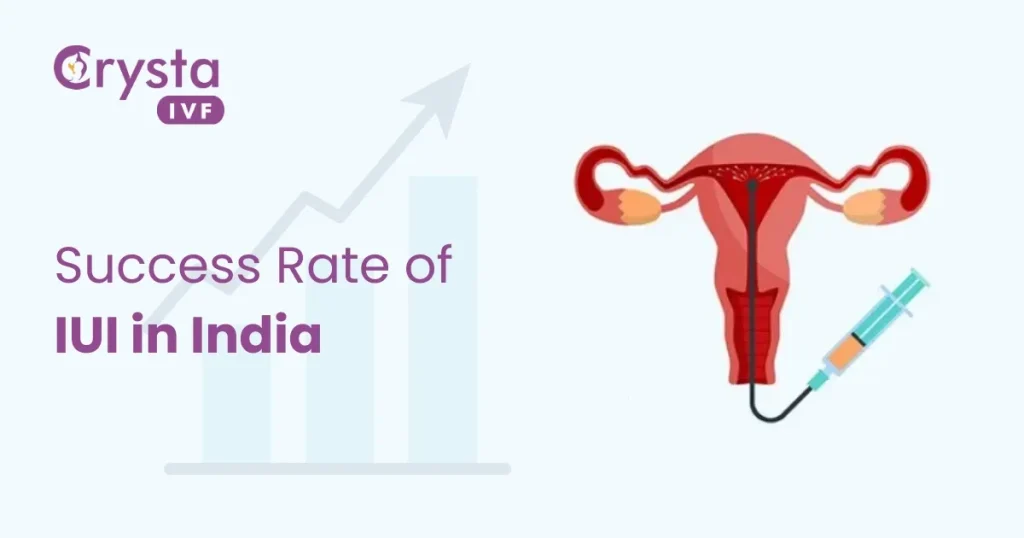
IUI involves placing washed and concentrated sperm directly into the woman’s uterus during ovulation. This method can help bypass any issues with sperm motility or function and increase the chances of fertilization.
b. In Vitro Fertilization (IVF)
IVF is a more advanced form of ART that involves fertilizing eggs with sperm in a laboratory setting and then transferring the resulting embryo(s) into the woman’s uterus. This treatment can be used in cases of severe male factor infertility, as it allows for better selection and handling of sperm and can increase the chances of fertilization.
Male Factor Infertility Treatments: What to Expect and How to Prepare
c. Intracytoplasmic Sperm Injection (ICSI)
ICSI is a specialized form of IVF where a single sperm is injected directly into an egg. This treatment is often recommended for couples with severe male factor infertility, as it can help overcome issues with sperm motility, function, and low sperm count.
4. Surgery
In some cases, surgery may be recommended to correct any physical abnormalities that may be causing male factor infertility. This may include repairing a varicocele (enlarged veins in the testicles) or removing blockages in the reproductive tract.
Preparing for Male Factor Infertility Treatments
Preparing for male factor infertility treatments can be a daunting and emotional process. Here are some tips to help you and your partner prepare for this journey:
1. Understand the Process
It is essential to have a good understanding of the treatment process, including what it involves, the potential risks and side effects, and the success rates. This will help you and your partner prepare mentally and emotionally for the treatment.
2. Communicate with Your Partner
Infertility can be a challenging experience for both partners, and it is essential to communicate openly and support each other throughout the process. Discuss your feelings, fears, and expectations, and be there for each other during the highs and lows of treatment.
3. Take Care of Your Physical and Mental Health
Male factor infertility treatments can be physically and emotionally demanding, so it is crucial to take care of yourself. Eat a healthy diet, exercise regularly, and practice relaxation techniques to manage stress and anxiety.
4. Seek Support
Do not be afraid to reach out to family, friends, or a support group for help and advice. Having a strong support system can make a significant difference in coping with male factor infertility treatments.
In summary, male factor infertility is a common issue that affects many couples, but there are various treatments available to help overcome it. These treatments may include lifestyle changes, medications, assisted reproductive technologies, and surgery. It is essential to undergo a thorough evaluation to determine the cause of male factor infertility and to prepare physically and emotionally for the treatment process. With the right support and mindset, couples can navigate through this journey and increase their chances of achieving their dream of starting a family.