Female factor infertility is a condition that affects many women around the world. It refers to the inability of a woman to conceive or carry a pregnancy to full term due to issues with her reproductive system. This condition can be caused by a variety of factors such as hormonal imbalances, structural abnormalities, or medical conditions. Fortunately, there are various treatments available to help women overcome female factor infertility and achieve their dream of becoming mothers. In this comprehensive guide, we will explore the different options for treating female factor infertility and provide important information for women who are considering their treatment options.
1. Fertility Medications:
For women who have hormonal imbalances that are affecting their fertility, fertility medications may be recommended. These medications work by stimulating the production of hormones that are essential for ovulation and pregnancy. Some commonly used fertility medications include Clomiphene citrate, Gonadotropins, and Metformin. These medications can be taken orally or injected, and they are usually prescribed for a few months before moving on to other treatments.
2. Intrauterine Insemination (IUI):
Intrauterine insemination, also known as artificial insemination, is a procedure that involves placing sperm directly into a woman’s uterus using a catheter. This procedure is often recommended for women who have issues with their cervical mucus or for couples who have unexplained infertility. It is a simple and relatively painless procedure that can be done in a doctor’s office. The success rates of IUI vary, but it is generally less invasive and less expensive than other fertility treatments.
3. In Vitro Fertilization (IVF):
In vitro fertilization is a more complex and invasive fertility treatment that involves retrieving eggs from a woman’s ovaries and fertilizing them with sperm in a laboratory. The fertilized eggs (embryos) are then transferred into the woman’s uterus, where they have the potential to implant and result in a pregnancy. IVF is often recommended for women who have blocked or damaged fallopian tubes, severe endometriosis, or other reproductive issues. It is also used for women who have not had success with other fertility treatments.
4. Egg Freezing:
Egg freezing, also known as oocyte cryopreservation, is a procedure that involves retrieving a woman’s eggs and freezing them for future use. This can be a good option for women who want to preserve their fertility for medical reasons, such as cancer treatment, or for personal reasons, such as delaying pregnancy for career or educational pursuits. The eggs can be thawed and fertilized with sperm at a later time, and the resulting embryos can be transferred into the woman’s uterus through IVF.
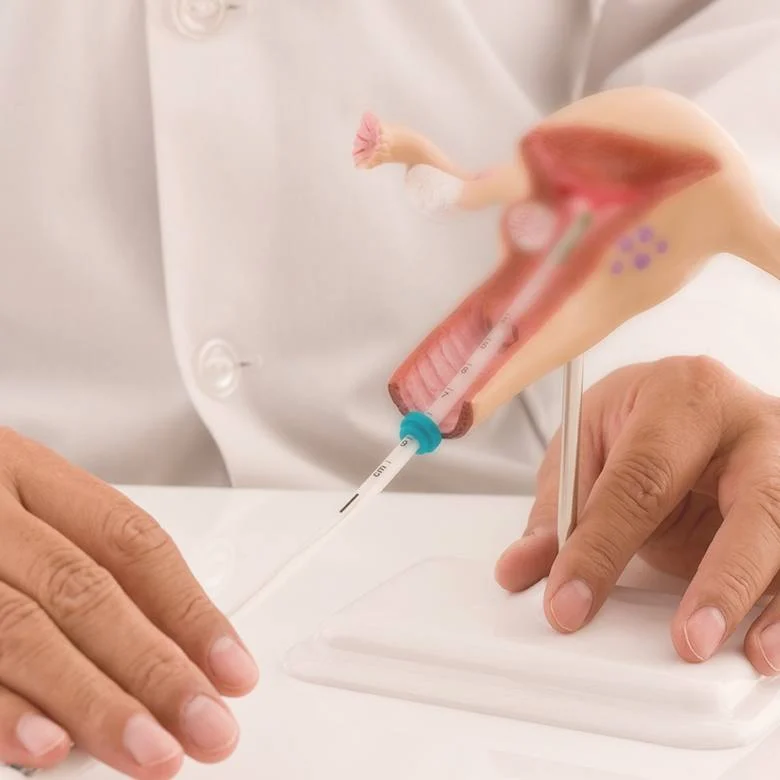
Female Factor Infertility Treatments: A Comprehensive Guide
5. Fertility Surgery:
In some cases, fertility issues can be caused by structural abnormalities in a woman’s reproductive system. In these cases, fertility surgery may be recommended to correct the issue and improve the chances of conceiving. Some common fertility surgeries include laparoscopy, hysteroscopy, and tubal reanastomosis. These procedures are usually done to treat conditions such as endometriosis, uterine fibroids, or blocked fallopian tubes.
6. Assisted Reproductive Technology (ART):
Assisted reproductive technology (ART) refers to any fertility treatment that involves handling a woman’s eggs and sperm outside of the body. This includes IVF, IUI, and other procedures such as intracytoplasmic sperm injection (ICSI) and gamete intrafallopian transfer (GIFT). ART is often used for couples who have severe male factor infertility, as well as for women who have a low ovarian reserve or other fertility issues.
7. Alternative Treatments:
In addition to the traditional medical treatments mentioned above, there are also alternative treatments that some women may choose to try. These include acupuncture, herbal remedies, and mind-body techniques such as yoga and meditation. While there is limited scientific evidence to support the effectiveness of these treatments, some women have reported success in improving their fertility through these methods.
In conclusion, female factor infertility can be a challenging and emotional journey for many women. However, with advancements in technology and medical treatments, there are now more options available for women who are struggling to conceive. It is important for women to consult with a fertility specialist to determine the cause of their infertility and to explore the best treatment options for their unique situation. With the right treatment, many women are able to overcome female factor infertility and fulfill their dream of starting a family.
Summary:
Female factor infertility refers to the inability of a woman to conceive or carry a pregnancy to full term due to issues with her reproductive system. There are various treatments available to help women overcome this condition, including fertility medications, intrauterine insemination, in vitro fertilization, egg freezing, fertility surgery, assisted reproductive technology, and alternative treatments. It is important for women to consult with a fertility specialist to determine the best treatment option for their unique situation. With the right treatment, many women are able to overcome female factor infertility and achieve their dream of becoming mothers.