Exploring Your Options: Intrauterine Insemination vs Low-Tech IVF
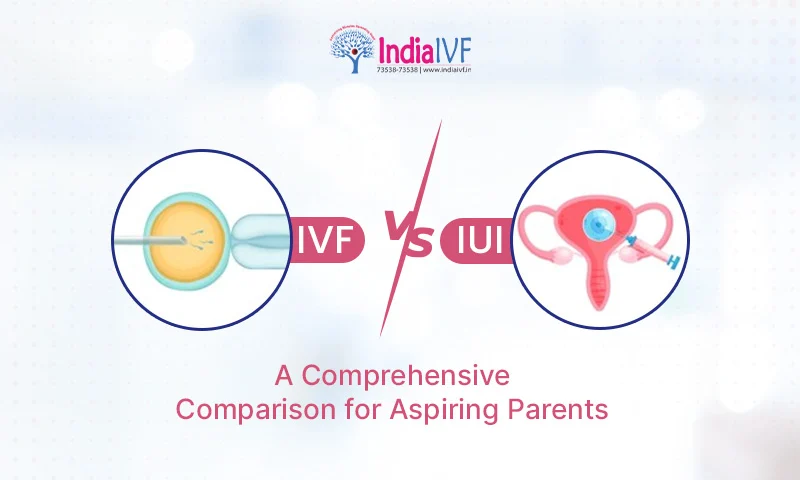
When it comes to fertility treatments, there are several options available, each with its own benefits and limitations. Two common methods for people struggling with infertility are intrauterine insemination (IUI) and low-tech in vitro fertilization (IVF). Both of these procedures are less invasive and less expensive than traditional IVF, making them popular choices for those looking to start a family. However, it’s essential to understand the differences between these two options to make an informed decision about which one is right for you. In this blog post, we will explore the basics of IUI and low-tech IVF, their pros and cons, and help you decide which may be the best option for you.
Intrauterine Insemination (IUI)
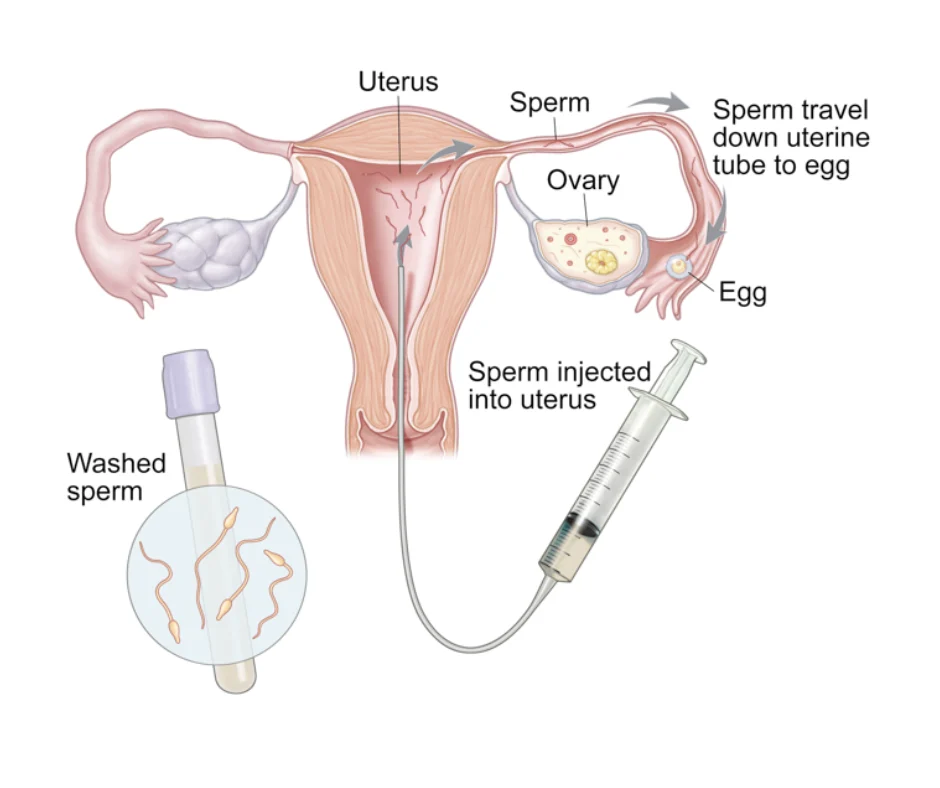
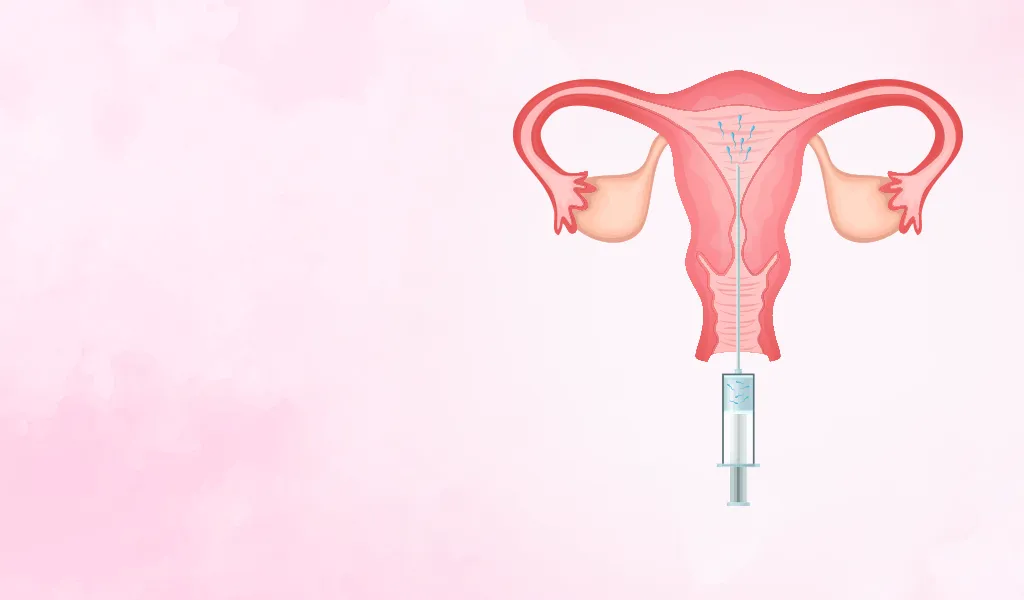
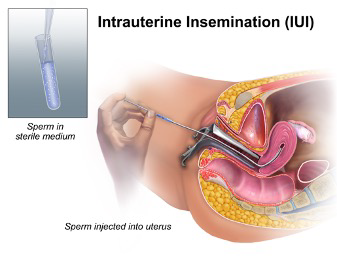
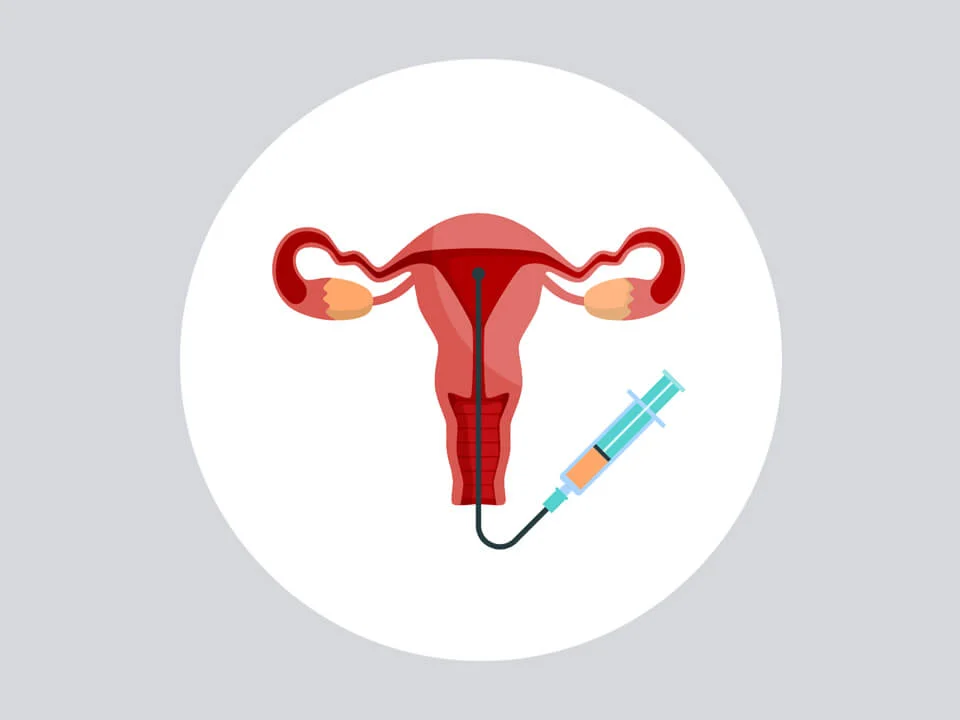
Intrauterine insemination, also known as artificial insemination, is a fertility treatment that involves placing sperm directly into a woman’s uterus to increase the chances of fertilization. It is a simple and effective procedure that can be done with or without fertility drugs, depending on the individual’s needs. During IUI, the sperm is washed to remove any impurities and concentrated to increase the chances of fertilization. Then, the sperm is inserted into the uterus using a thin catheter, making the journey to the fallopian tubes easier and increasing the chances of fertilization.
One of the significant advantages of IUI is that it is a relatively non-invasive procedure. The process is less stressful and less time-consuming than traditional IVF, making it a popular choice for many couples. Additionally, IUI is significantly less expensive than traditional IVF, making it a more feasible option for those on a budget. IUI is also a viable option for same-sex couples and single individuals who are looking to start a family.
However, IUI may not be the best option for everyone. It is not suitable for women with blocked fallopian tubes or severe male factor infertility. The success rates of IUI are also relatively lower than traditional IVF. According to the American Pregnancy Association, the success rates for IUI range from 5% to 20%, depending on various factors such as age, fertility drugs, and underlying fertility issues. Additionally, IUI does not offer the opportunity to select the embryo, meaning that the chances of multiple pregnancies are higher.

Exploring Your Options: Intrauterine Insemination vs Low-Tech IVF
Low-Tech In Vitro Fertilization (IVF)
Low-tech IVF is a more affordable and less invasive alternative to traditional IVF. It involves a similar process to traditional IVF, but with fewer fertility drugs and a more relaxed protocol. Unlike traditional IVF, where the goal is to retrieve as many eggs as possible, low-tech IVF aims to retrieve fewer eggs, focusing on quality over quantity. The eggs are then fertilized in the lab, and the resulting embryo is transferred to the uterus, similar to traditional IVF.
One of the significant advantages of low-tech IVF is that it involves fewer fertility drugs, making it a more comfortable and less risky procedure for the woman. The process is also less invasive, with no egg retrieval required, making it a less stressful option. Additionally, low-tech IVF is a more budget-friendly option for those who cannot afford traditional IVF. The success rates for low-tech IVF are also slightly higher than IUI, ranging from 15% to 30% depending on various factors.
However, low-tech IVF may not be suitable for everyone. It is not recommended for women with severe fertility issues or those with blocked fallopian tubes. The success rates for low-tech IVF are still lower than traditional IVF, and there is still a risk of multiple pregnancies. Additionally, the process may take longer than traditional IVF, as it typically involves multiple cycles to achieve a successful pregnancy.
So, Which Option is Right for You?
Ultimately, the decision between IUI and low-tech IVF will depend on your individual needs and fertility issues. If you have mild fertility issues and are looking for a less invasive and more affordable option, low-tech IVF may be the right choice for you. However, if you have more severe fertility issues or blocked fallopian tubes, IUI may not be the best option. It’s essential to consult with a fertility specialist to discuss your options and determine the best course of action for your specific situation.
In conclusion, both IUI and low-tech IVF are viable options for those struggling with infertility. While they have their differences, they both offer a less invasive and more affordable alternative to traditional IVF. It’s crucial to understand the pros and cons of each option to make an informed decision on which one may be the best choice for you. With the help of a fertility specialist, you can explore your options and choose the best path towards achieving your dream of starting a family.