Summary:
Making the decision to seek fertility treatment can be a difficult and emotional journey for many couples. With so many options available, it can be overwhelming to decide which treatment is best for you. In this blog post, we will discuss two popular options for fertility treatment: intrauterine insemination (IUI) and low-tech in vitro fertilization (IVF). Both of these treatments are considered less invasive and less expensive compared to traditional IVF, making them more accessible to many couples. However, they have their own unique differences and it is important to understand the pros and cons of each before making a decision.
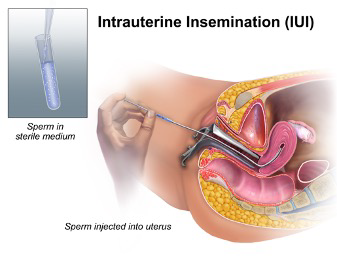
Firstly, let’s define the two treatments. Intrauterine insemination (IUI) is a procedure where sperm is directly inserted into the uterus to increase the chances of fertilization. This is typically done around the time of ovulation, and the goal is to increase the number of sperm reaching the egg. On the other hand, low-tech IVF is a type of in vitro fertilization that involves minimal or no stimulation of the ovaries with fertility drugs. This means that fewer eggs are retrieved, but the process is less invasive and less expensive compared to traditional IVF.
When it comes to the success rates, studies have shown that low-tech IVF has higher success rates compared to IUI. This is because with low-tech IVF, the eggs are fertilized outside of the body, allowing for better selection of the healthiest embryos to be transferred back into the uterus. However, the success rates for both treatments vary depending on factors such as age, fertility diagnosis, and sperm quality.
Choosing the Right Fertility Treatment: Intrauterine Insemination vs Low-Tech IVF
One of the main advantages of IUI is that it is a less invasive procedure compared to IVF. The process is simple and can be done in a doctor’s office without the need for anesthesia. This also means that the recovery time is shorter, and there is less risk of complications. Additionally, IUI is a more affordable option compared to IVF, making it a more accessible choice for couples who may not have the financial means for traditional IVF.
On the other hand, low-tech IVF has its own advantages. As mentioned earlier, it has higher success rates compared to IUI. This is because the eggs are fertilized outside of the body, allowing for better selection of the healthiest embryos to be transferred back into the uterus. This results in a higher chance of pregnancy. Additionally, low-tech IVF can also be combined with other fertility treatments such as intracytoplasmic sperm injection (ICSI) to further increase the chances of success.
When it comes to the side effects, both IUI and low-tech IVF have minimal side effects. However, with IUI, there is a risk of ovarian hyperstimulation syndrome (OHSS) if fertility drugs are used to stimulate ovulation. This is a rare but potentially serious condition that can cause swelling and discomfort in the ovaries. With low-tech IVF, the risk of OHSS is lower because fewer fertility drugs are used.
Another factor to consider is the emotional and psychological impact of each treatment. Both IUI and low-tech IVF can be emotionally taxing for couples, as they involve a lot of waiting and uncertainty. However, with IUI, the process is relatively quick and less invasive, which may be less emotionally taxing for some couples. On the other hand, low-tech IVF involves more steps and procedures, which may be more stressful for some couples.
In conclusion, both IUI and low-tech IVF are viable options for couples seeking fertility treatment. IUI is a less invasive and more affordable option, but it has lower success rates compared to low-tech IVF. On the other hand, low-tech IVF has higher success rates, but it involves more steps and procedures. Ultimately, the best treatment option will depend on individual factors such as age, fertility diagnosis, and financial situation. It is important to consult with a fertility specialist to determine the best course of action for you and your partner.