Title: A Closer Look at Intrauterine Insemination vs Low-Tech IVF: What You Need to Know
In the world of assisted reproductive technology (ART), there are various methods available to help couples and individuals achieve their dream of starting a family. Two commonly used procedures are intrauterine insemination (IUI) and low-tech in vitro fertilization (IVF). While both have the same goal of increasing the chances of pregnancy, they differ in their approaches and success rates. In this blog post, we will take a closer look at these two procedures and compare their effectiveness, risks, and costs.
What is Intrauterine Insemination (IUI)?
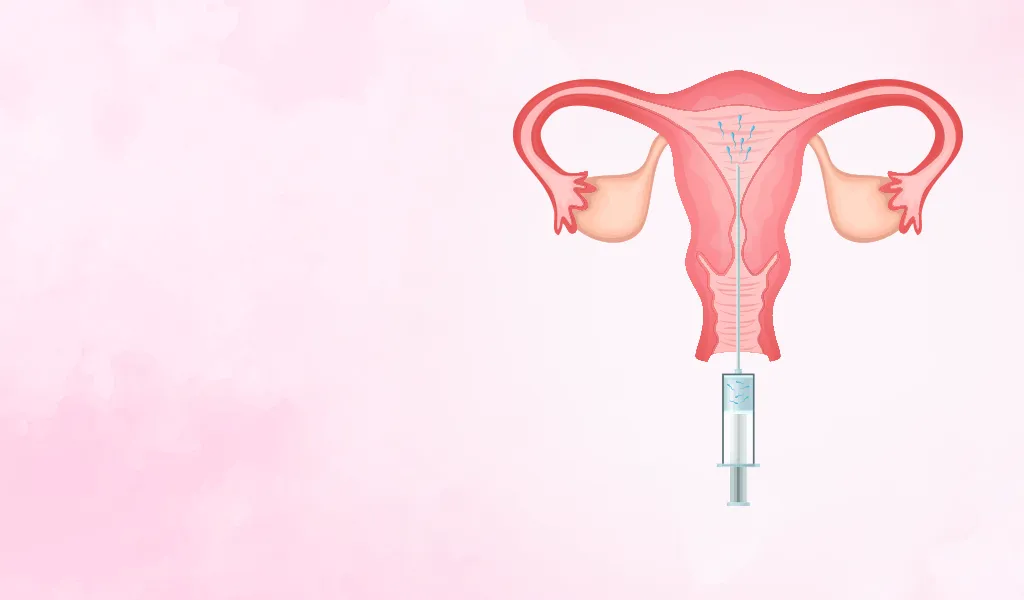
Intrauterine insemination (IUI), also known as artificial insemination, is a relatively simple and less invasive procedure compared to IVF. It involves placing washed and concentrated sperm directly into the uterus at the time of ovulation. This process is done by inserting a thin catheter through the cervix and into the uterus. The goal of IUI is to increase the number of sperm that reach the fallopian tubes, where fertilization typically occurs.
What is Low-Tech IVF?
Low-tech IVF is a form of IVF that uses minimal medication and technology to stimulate the ovaries and retrieve eggs. This procedure is less intense and less expensive than traditional IVF, making it a more attractive option for some couples. It involves the use of oral medications and monitoring of the natural menstrual cycle to determine the best time for egg retrieval. The retrieved eggs are then fertilized with sperm in a laboratory and the resulting embryo is transferred to the uterus.
Effectiveness
When it comes to success rates, both IUI and low-tech IVF have their advantages and limitations. IUI has a higher success rate for couples with male factor infertility or unexplained fertility issues. According to the American Pregnancy Association, the success rate for IUI ranges from 10-20% per cycle. On the other hand, low-tech IVF has a slightly higher success rate of 15-25% per cycle for couples with female factor infertility or mild male factor infertility. However, the success rates for both procedures decrease with age and other underlying fertility issues.
A Closer Look at Intrauterine Insemination vs Low-Tech IVF
Risks
Both IUI and low-tech IVF are generally safe procedures with minimal risks. The most common risk associated with IUI is multiple pregnancies, which can occur due to the stimulation of ovaries with fertility drugs. This can increase the chance of complications for both the mother and the babies. On the other hand, the risks associated with low-tech IVF are similar to those of traditional IVF, which include ovarian hyperstimulation syndrome, infection, and ectopic pregnancy.
Costs
In terms of costs, IUI is significantly less expensive than low-tech IVF. The cost of IUI can range from $500-$1000 per cycle, while low-tech IVF can cost anywhere from $2,500 to $5,000. The higher cost of low-tech IVF is due to the additional laboratory procedures and medication required. However, it is still a more affordable option compared to traditional IVF, which can cost upwards of $12,000 per cycle.
Which Procedure is Right for You?
The choice between IUI and low-tech IVF ultimately depends on individual factors and preferences. Couples with male factor infertility may benefit more from IUI, while those with female factor infertility may have better success with low-tech IVF. Additionally, the age of the female partner and other underlying fertility issues should also be considered when making a decision.
In conclusion, both IUI and low-tech IVF are effective procedures that can help couples and individuals achieve their dream of starting a family. While IUI is a less invasive and more affordable option, low-tech IVF may be a more suitable choice for certain fertility issues. It is important to consult with a fertility specialist to determine which procedure is the best fit for your specific situation.
Summary:
Intrauterine insemination (IUI) and low-tech IVF are two commonly used procedures in assisted reproductive technology (ART). While both have the same goal of increasing the chances of pregnancy, they differ in their approaches and success rates. IUI involves placing washed and concentrated sperm directly into the uterus, while low-tech IVF uses minimal medication and technology to stimulate the ovaries and retrieve eggs. The success rates, risks, and costs vary between the two procedures, and the decision ultimately depends on individual factors and preferences.