The Emotional Impact of Traditional Fertility Treatments: A Personal Story
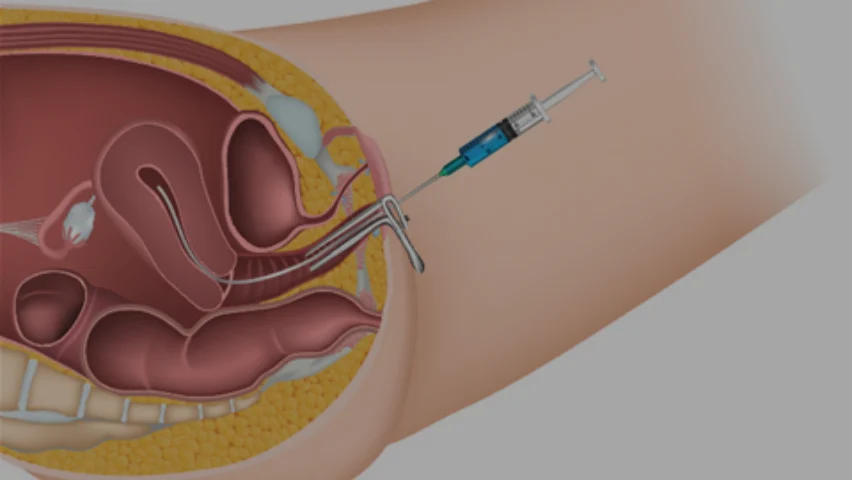
For many couples struggling with infertility, traditional fertility treatments such as in vitro fertilization (IVF) and intrauterine insemination (IUI) can offer hope for starting a family. However, along with the physical and financial toll of these treatments, there is also a significant emotional impact that is often overlooked. As someone who has personally gone through multiple rounds of traditional fertility treatments, I can attest to the rollercoaster of emotions that comes with each cycle.
The desire to have a child is a deeply emotional one, and when that desire is met with difficulty and disappointment, it can take a toll on one’s mental health. The constant cycle of hope and disappointment that comes with fertility treatments can be overwhelming and draining. For me, each time I started a new cycle, I would feel a sense of excitement and optimism, hoping that this time would be the one. But as each cycle came to an end with a negative pregnancy test or a miscarriage, I would experience a wave of sadness and despair.
One of the most challenging aspects of traditional fertility treatments is the lack of control over the outcome. Despite following all the instructions and taking all the necessary steps, there is still no guarantee of success. This feeling of powerlessness can lead to a sense of failure and self-blame. I often found myself questioning what I could have done differently or if I had somehow caused my infertility. These negative thoughts can take a toll on one’s self-esteem and can lead to feelings of guilt and shame.
The financial burden of traditional fertility treatments can also add to the emotional strain. IVF and other treatments can cost thousands of dollars, and many insurance plans do not cover them. This can lead to difficult decisions and sacrifices, such as delaying other life goals or taking on additional debt. The constant worry about how to afford the next cycle can add to the stress and anxiety already present.
The Emotional Impact of Traditional Fertility Treatments: A Personal Story
Furthermore, the physical aspects of fertility treatments can also impact one’s emotional well-being. The medications, injections, and procedures can take a toll on the body, causing side effects such as mood swings, bloating, and fatigue. These physical changes can make it challenging to feel like oneself and can add to the emotional toll of the process.
In addition to the emotional impact on the individual undergoing fertility treatments, it can also strain relationships. Infertility can create tension and strain between partners, as each may cope with the process differently. One partner may want to continue with treatments while the other may want to take a break, leading to conflicts and misunderstandings. The pressure to conceive can also put a strain on the relationship, as sex becomes more focused on procreation rather than pleasure.
As someone who has been through multiple rounds of traditional fertility treatments, I have experienced all of these emotional impacts firsthand. Each cycle brought a new set of emotions, and it was a constant struggle to stay positive and hopeful. It was a challenging journey, but eventually, my husband and I were able to conceive through IVF and welcome our daughter into the world.
But even with a successful outcome, the emotional impact of traditional fertility treatments did not disappear. The years of disappointment and stress had taken a toll on my mental health, and I found myself struggling with anxiety and depression. It was only after seeking therapy and support from others who had gone through similar experiences that I was able to start healing and come to terms with my journey.
In conclusion, the emotional impact of traditional fertility treatments is a significant aspect that is often overlooked. The constant cycle of hope and disappointment, the lack of control, financial strain, physical changes, and strain on relationships can take a toll on one’s mental health. It is essential to recognize and address these emotional impacts and seek support when needed. Infertility is a challenging journey, and it is essential to take care of one’s emotional well-being throughout the process.
SEO metadata: