Intrauterine insemination (IUI) and low-tech in vitro fertilization (IVF) are two common fertility treatments that can help couples struggling with infertility to conceive. While both procedures involve placing sperm into the female reproductive tract to increase the chances of fertilization, there are key differences between the two. In this blog post, we will compare and contrast IUI and low-tech IVF to determine which one is more effective in helping couples achieve a successful pregnancy.
IUI, also known as artificial insemination, is a relatively simple and non-invasive procedure that involves placing washed and concentrated sperm directly into the uterus. This method is often used for couples with unexplained infertility, mild male factor infertility, or when the female partner has ovulation issues. On the other hand, low-tech IVF, also known as natural cycle IVF, is a less intensive form of traditional IVF that involves retrieving a woman’s egg during her natural cycle without the use of fertility drugs.
One of the main differences between IUI and low-tech IVF is the level of medical intervention involved. IUI requires minimal preparation and can be performed in a doctor’s office without the need for anesthesia. On the other hand, low-tech IVF involves more medical procedures, such as egg retrieval and embryo transfer, and may require the use of fertility medications to stimulate the ovaries.
Another difference between the two procedures is the success rates. According to the American Pregnancy Association, the success rate for IUI is around 10-20% per cycle, while the success rate for low-tech IVF is slightly higher at 15-25% per cycle. However, it is important to note that success rates can vary depending on individual factors such as age, underlying medical conditions, and the quality of sperm and eggs.
Cost is also a factor to consider when comparing IUI and low-tech IVF. IUI is generally less expensive than low-tech IVF, as it involves fewer medications and procedures. However, the success rates for low-tech IVF are slightly higher, which may make it a more cost-effective option in the long run.
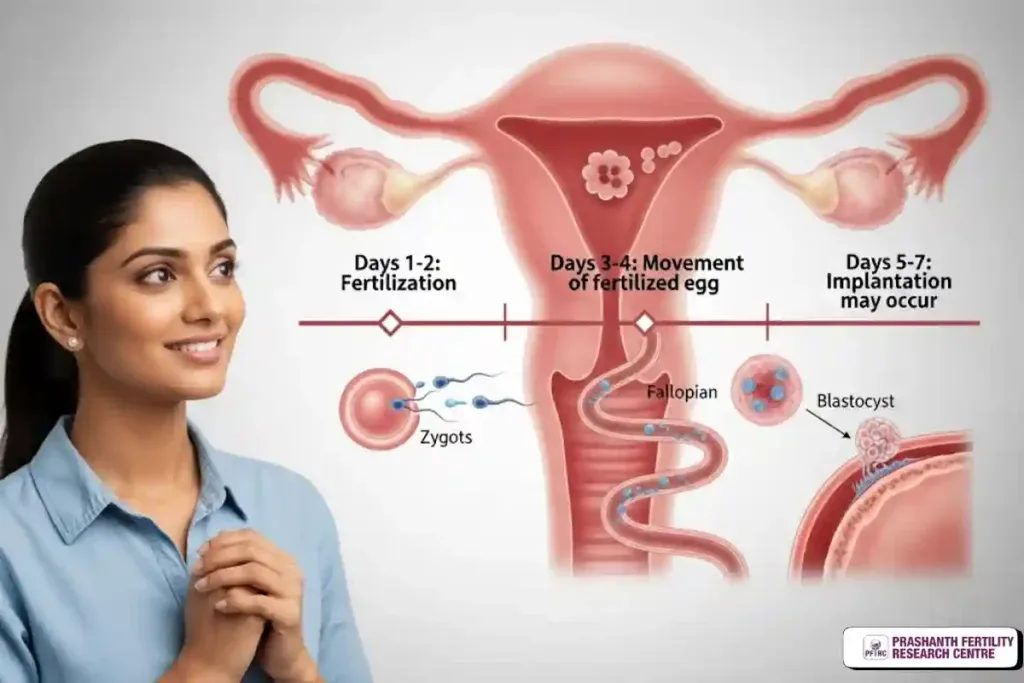
Intrauterine Insemination vs Low-Tech IVF: Which is More Effective?
In terms of side effects, both IUI and low-tech IVF are relatively safe procedures with low risks of complications. However, some women may experience mild cramping or spotting after IUI, while low-tech IVF may carry a slightly higher risk of ovarian hyperstimulation syndrome (OHSS) if fertility medications are used.
When deciding between IUI and low-tech IVF, it is important to consider your individual needs and preferences. IUI may be a more suitable option for couples with mild fertility issues, while low-tech IVF may be a better choice for those with more complex fertility problems. Consulting with a fertility specialist can help determine which treatment option is best for you.
In conclusion, both IUI and low-tech IVF are effective fertility treatments that can help couples achieve their dream of having a baby. While IUI is a simpler and less expensive procedure, low-tech IVF may offer a slightly higher success rate. Ultimately, the best option for each individual couple will depend on their unique circumstances and should be decided in consultation with a fertility specialist.
Summary:
Intrauterine insemination (IUI) and low-tech in vitro fertilization (IVF) are two common fertility treatments used to help couples conceive. IUI is a simple and non-invasive procedure that involves placing sperm directly into the uterus, while low-tech IVF involves retrieving a woman’s egg during her natural cycle without the use of fertility drugs. Low-tech IVF has a slightly higher success rate and may be more cost-effective in the long run, but the best option for each couple will depend on their individual needs and should be decided in consultation with a fertility specialist.