Tag: Male Factor Infertility

  • The Role of Genetics in Male and Female Factor Infertility Treatments

    Blog Post:

    Infertility is a common issue that affects many couples around the world. It is estimated that 1 in 8 couples struggle with infertility, and while there are many factors that can contribute to this condition, genetics play a significant role. In fact, studies have shown that genetics account for about 30% of all infertility cases.

    When it comes to male and female factor infertility, genetics can play a role in both. In this blog post, we will take a closer look at the role of genetics in male and female factor infertility treatments.

    Male Factor Infertility and Genetics:

    Male factor infertility refers to any fertility issue that is caused by problems with the male partner’s reproductive system. This can include low sperm count, poor sperm motility, or abnormal sperm shape. In many cases, these issues can be attributed to genetics.

    One of the main ways genetics can affect male infertility is through the Y chromosome. The Y chromosome is responsible for male sexual development, and any mutations or abnormalities in this chromosome can lead to fertility problems. For example, a deletion or duplication of genetic material on the Y chromosome can result in conditions like Klinefelter syndrome or Y chromosome microdeletions, both of which can cause male factor infertility.

    Another genetic factor that can contribute to male infertility is the presence of certain gene mutations. These mutations can impact sperm production, sperm motility, and sperm quality, all of which can affect a man’s fertility. Some of the genes that have been linked to male infertility include the CFTR gene, which is associated with cystic fibrosis, and the FSHR gene, which is involved in regulating sperm production.

    Female Factor Infertility and Genetics:

    Similarly, genetics also play a significant role in female factor infertility. In women, genetic factors can impact ovulation, the health of the eggs, and the overall function of the reproductive system.

    One of the most well-known genetic causes of female infertility is a condition called polycystic ovary syndrome (PCOS). This condition affects about 10% of women and is caused by an imbalance of hormones. Women with PCOS often have irregular or absent ovulation, making it difficult to conceive.

    Another genetic factor that can contribute to female infertility is chromosomal abnormalities. These can include conditions like Turner syndrome, in which a woman is missing one X chromosome, or Fragile X syndrome, which can cause early menopause. These abnormalities can affect a woman’s fertility by impacting hormone levels, egg quality, and the overall functioning of the reproductive system.
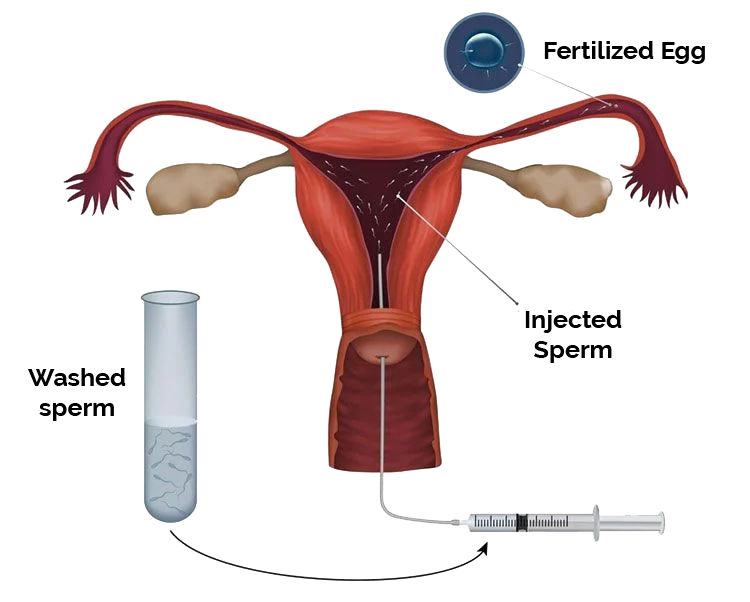
    diagram of the female reproductive system with an IUI syringe and test tube for artificial insemination

    The Role of Genetics in Male and Female Factor Infertility Treatments

    Genetic Testing in Infertility Treatments:

    With the advances in technology, genetic testing has become an essential tool in infertility treatments. Genetic testing allows doctors to identify any genetic issues that may be causing infertility and develop a more personalized treatment plan.

    In male factor infertility, genetic testing can help identify any chromosomal abnormalities or gene mutations that may be impacting sperm production or quality. This information can then be used to determine the best course of treatment, such as assisted reproductive techniques like intracytoplasmic sperm injection (ICSI).

    For female factor infertility, genetic testing can help identify conditions like PCOS or chromosomal abnormalities that may be affecting a woman’s fertility. This information can be used to guide treatment options, such as fertility medications or in vitro fertilization (IVF).

    In some cases, genetic testing can also help identify underlying conditions that may be causing both male and female infertility. For example, certain genetic conditions like cystic fibrosis or sickle cell disease can affect both partners and may require additional treatment considerations.

    The Future of Genetics in Infertility Treatments:

    As our understanding of genetics continues to advance, so do our treatment options for infertility. One of the most promising developments is the use of gene editing technology, like CRISPR, to correct genetic mutations that may be causing infertility. This technology has the potential to revolutionize infertility treatments and offer hope to many couples struggling to conceive.

    However, ethical concerns and the need for further research and development still surround this technology. As of now, gene editing is not widely used in infertility treatments, but it could become a more common practice in the future.

    In conclusion, genetics play a crucial role in male and female factor infertility. By understanding the genetic factors that contribute to infertility, doctors can develop more effective and personalized treatment plans for couples. With the continued advancement of technology and research, the future of genetics in infertility treatments looks promising, offering hope to those struggling to start a family.

    Summary:

    Infertility affects many couples worldwide, and genetics play a significant role in both male and female factor infertility. Genetic factors such as mutations on the Y chromosome and gene mutations can cause male factor infertility, while conditions like PCOS and chromosomal abnormalities can contribute to female factor infertility. Genetic testing has become an essential tool in infertility treatments, allowing doctors to develop personalized treatment plans. The future of genetics in infertility treatments looks promising, with the potential use of gene editing technology to correct genetic mutations.
  • Navigating Male Factor Infertility: A Guide to Treatment Options

    Navigating Male Factor Infertility: A Guide to Treatment Options

    When it comes to infertility, the focus is often on the female partner and her potential fertility issues. However, male factor infertility is just as common and can be a major contributing factor to difficulties conceiving. In fact, it is estimated that male factor infertility is the sole cause or a contributing factor in up to 40% of couples struggling to conceive.

    Male factor infertility refers to any issue that affects a man’s ability to impregnate a woman. This can include low sperm count, poor sperm motility, or abnormal sperm morphology. It can also be caused by medical conditions such as hormonal imbalances, genetic disorders, or structural issues with the reproductive organs. In this blog post, we will explore the various treatment options available for male factor infertility and how to navigate them.

    1. Diagnosis

    The first step in addressing male factor infertility is to undergo a thorough diagnosis. This typically involves a physical examination, semen analysis, and blood tests to check for any underlying medical conditions. It is important to consult with a fertility specialist who can accurately diagnose and determine the cause of male factor infertility. Once a diagnosis is made, the appropriate treatment plan can be developed.

    2. Lifestyle Changes

    In some cases, male factor infertility can be improved by making simple lifestyle changes. This can include quitting smoking, reducing alcohol consumption, and maintaining a healthy weight. Studies have shown that smoking and excessive alcohol intake can negatively impact sperm quality and quantity. Additionally, obesity has been linked to hormonal imbalances and can affect sperm production. Making these lifestyle changes can improve overall health and increase chances of conception.

    3. Medications

    If a hormonal imbalance is the cause of male factor infertility, medications may be prescribed to help regulate hormone levels and improve sperm production. These medications can include clomiphene citrate, human chorionic gonadotropin (hCG), or gonadotropin-releasing hormone (GnRH). However, it is important to note that these medications may have side effects and should only be taken under the guidance of a fertility specialist.

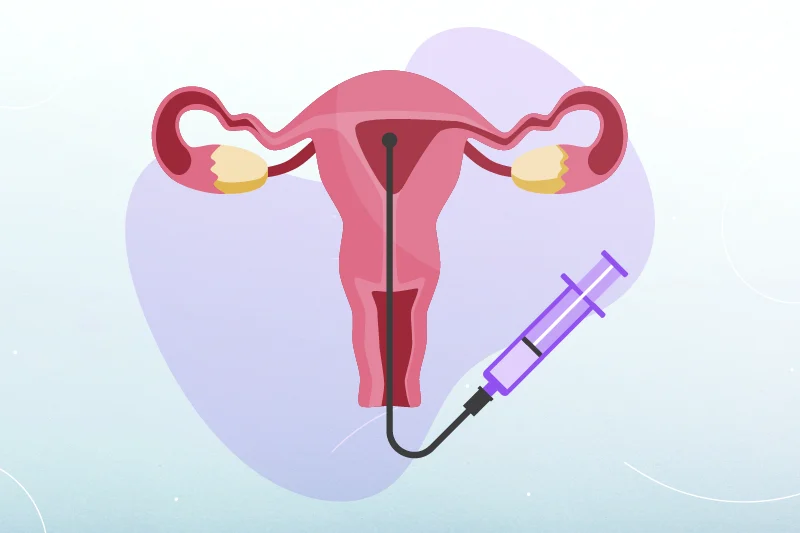
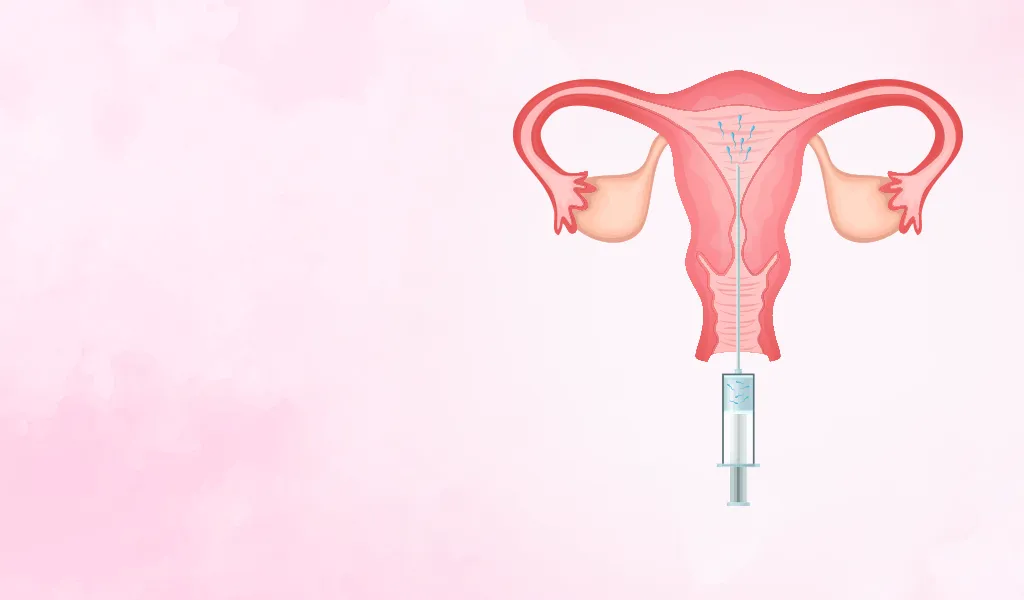
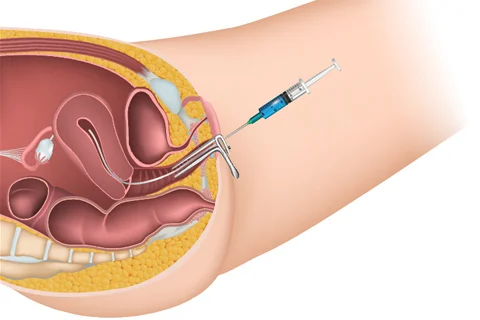
    Illustration of a uterus with a syringe, representing intrauterine insemination (IUI) procedure.

    Navigating Male Factor Infertility: A Guide to Treatment Options

    4. Assisted Reproductive Technologies (ART)

    In cases where male factor infertility cannot be treated with lifestyle changes or medications, assisted reproductive technologies (ART) may be recommended. These procedures can help increase the chances of pregnancy by bypassing any fertility issues. The most common ART procedures for male factor infertility include intrauterine insemination (IUI) and in vitro fertilization (IVF).

    IUI involves placing washed sperm directly into the woman’s uterus during ovulation, while IVF involves retrieving eggs from the female partner and fertilizing them with sperm in a laboratory before transferring the embryos into the uterus. Both procedures have high success rates and can be tailored to meet the specific needs of each couple.

    5. Surgical Interventions

    In some cases, male factor infertility can be treated through surgical interventions. This can include procedures such as varicocele repair, vasectomy reversal, or sperm retrieval. Varicocele repair involves repairing enlarged veins in the scrotum that can affect sperm production. Vasectomy reversal is a procedure to reconnect the male reproductive tract after a previous vasectomy. Sperm retrieval involves obtaining sperm directly from the testicles or epididymis for use in ART procedures.

    6. Donor Sperm

    In cases where there is a total absence of sperm or extremely low sperm count, donor sperm may be an option. This involves using sperm from a donor to fertilize the female partner’s eggs through IUI or IVF. The use of donor sperm is a highly successful option for couples struggling with male factor infertility.

    Navigating male factor infertility can be a challenging and emotional journey for couples. It is important to seek support and guidance from a fertility specialist who can provide accurate diagnosis and personalized treatment options. With the advancements in medical technology, there are many treatment options available to help couples achieve their dream of starting a family.

    In summary, male factor infertility is a common issue that can affect a couple’s ability to conceive. It can be caused by various factors and can be treated through lifestyle changes, medications, ART procedures, surgical interventions, or the use of donor sperm. Seeking the help of a fertility specialist is crucial in navigating the treatment options and increasing the chances of a successful pregnancy.

  • The Science Behind Male Factor Infertility: Understanding the Treatment Options

    Male factor infertility, or the inability of a man to impregnate a fertile female, is a common issue that affects approximately 1 in 20 men. Despite its prevalence, male factor infertility is often overlooked and not fully understood. In this blog post, we will delve into the science behind male factor infertility and explore the various treatment options available.

    Understanding Male Reproductive Health
    To understand male factor infertility, it is important to have a basic understanding of male reproductive health. The male reproductive system is composed of various organs and glands that work together to produce and transport sperm. The testes, located in the scrotum, produce sperm cells. These sperm cells then travel through the epididymis, a small tube attached to the testes, where they mature and are stored. During ejaculation, the sperm travels through the vas deferens and mixes with seminal fluids from the prostate and other glands to form semen. The semen is then ejaculated through the urethra.

    Causes of Male Factor Infertility
    Male factor infertility can be caused by a variety of factors, including hormonal imbalances, genetic conditions, physical or structural issues, and lifestyle factors. Hormonal imbalances, such as low levels of testosterone, can affect sperm production and quality. Genetic conditions, such as Klinefelter syndrome or cystic fibrosis, can also impact fertility. Physical or structural issues, such as blockages in the reproductive tract, can prevent sperm from being ejaculated. Lifestyle factors, such as smoking, excessive alcohol consumption, and drug use, can also contribute to male factor infertility.

    Diagnosing Male Factor Infertility
    Diagnosing male factor infertility involves a thorough evaluation of a man’s medical history, physical examination, and various tests. The first step is to rule out any underlying medical conditions that may be causing infertility. A physical examination may be performed to check for any structural issues in the reproductive organs. A semen analysis is also a crucial diagnostic tool for male factor infertility. This test measures the number, shape, and movement of sperm in a man’s semen. Other tests that may be performed include hormone level testing, genetic testing, and imaging tests to assess the reproductive organs.

    Treatment Options for Male Factor Infertility
    The treatment for male factor infertility depends on the underlying cause. In cases where a medical condition is causing infertility, treating the condition may improve fertility. In cases of hormonal imbalances, hormone therapy may be recommended. In situations where there are blockages or structural issues, surgery may be necessary. However, in cases where there are no underlying medical issues, assisted reproductive technology (ART) may be the best option.

    illustration of intrauterine insemination procedure with a syringe and catheter in the uterus.

    The Science Behind Male Factor Infertility: Understanding the Treatment Options

    Assisted Reproductive Technology (ART)
    ART refers to a range of procedures that help couples conceive by handling eggs, sperm, and embryos outside of the body. One of the most well-known ART procedures is in-vitro fertilization (IVF). During IVF, eggs are retrieved from the female partner and fertilized with sperm in a laboratory. The resulting embryos are then transferred to the woman’s uterus. In cases of male factor infertility, IVF may be combined with intracytoplasmic sperm injection (ICSI), where a single sperm is injected directly into an egg to fertilize it.

    Other ART procedures that may be used to treat male factor infertility include intrauterine insemination (IUI) and sperm retrieval procedures. In IUI, washed and concentrated sperm are placed directly into the woman’s uterus, increasing the chances of fertilization. Sperm retrieval procedures involve obtaining sperm from the testes or epididymis when there is a blockage preventing sperm from being ejaculated.

    Lifestyle Changes
    In addition to medical treatments, lifestyle changes may also help improve male fertility. This includes quitting smoking, reducing alcohol consumption, and avoiding illegal drugs. Maintaining a healthy weight and exercising regularly can also improve sperm quality and fertility. Additionally, taking supplements such as folic acid, zinc, and vitamin D may also help improve male reproductive health.

    In conclusion, male factor infertility is a common issue that can have various underlying causes. Understanding the science behind male reproductive health and the different treatment options available can help couples struggling with infertility make informed decisions. Whether it involves addressing underlying medical conditions, undergoing ART procedures, or making lifestyle changes, there are options available for couples to overcome male factor infertility and achieve their dream of starting a family.

    Summary:
    Male factor infertility is a common issue that affects 1 in 20 men, yet it is often overlooked and not fully understood. It is caused by a variety of factors, including hormonal imbalances, genetic conditions, physical or structural issues, and lifestyle factors. Diagnosis involves a thorough evaluation of medical history, physical examination, and various tests. Treatment options include addressing underlying medical conditions, hormone therapy, surgery, and assisted reproductive technology (ART). Lifestyle changes can also improve male fertility. Understanding the science behind male factor infertility and the various treatment options available can help couples struggling with infertility make informed decisions.

  • Frozen Donor Sperm: A Viable Option for Couples Facing Male Infertility and Genetic Disorders

    Blog Post: Frozen Donor Sperm: A Viable Option for Couples Facing Male Infertility and Genetic Disorders

    Infertility is a common struggle for many couples, affecting approximately 1 in 8 couples worldwide. While there are various reasons for infertility, male factor infertility is a significant contributing factor, accounting for almost 40% of all cases. This can be a challenging and emotionally draining experience for couples who are trying to conceive. Fortunately, with advancements in medical technology, there are several options available to help couples overcome male infertility and fulfill their dreams of starting a family. One of these options is frozen donor sperm, which has become a popular and effective solution for many couples facing male infertility and genetic disorders. In this blog post, we will explore the use of frozen donor sperm and its growing importance in the field of assisted reproduction.

    What is Frozen Donor Sperm?

    Frozen donor sperm refers to sperm that has been collected from a healthy, screened donor and then frozen for future use in fertility treatments. This process involves collecting a semen sample from a donor through masturbation and then immediately freezing it in liquid nitrogen to preserve its viability. The sperm is then stored in a sperm bank until it is needed for fertility treatments.

    Why is Frozen Donor Sperm Used?

    There are various reasons why couples may choose to use frozen donor sperm. The most common reason is male factor infertility, where the male partner has a low sperm count or poor sperm quality, making it difficult to conceive naturally. In such cases, using donor sperm can increase the chances of successful fertilization and pregnancy. Additionally, frozen donor sperm can also be used in cases where the male partner carries genetic disorders or chromosomal abnormalities that could be passed on to the child. By using donor sperm, couples can reduce the risk of passing on these disorders to their child.

    Advantages of Using Frozen Donor Sperm

    There are several advantages to using frozen donor sperm as a fertility treatment option. One of the most significant advantages is the ability to select a donor with desirable characteristics. Donors are extensively screened for medical and genetic conditions, as well as physical and psychological traits. This allows couples to choose a donor who closely matches their preferences and characteristics. Additionally, using frozen donor sperm eliminates the need for the donor and the recipient to be in the same location, making it a convenient and accessible option for couples.

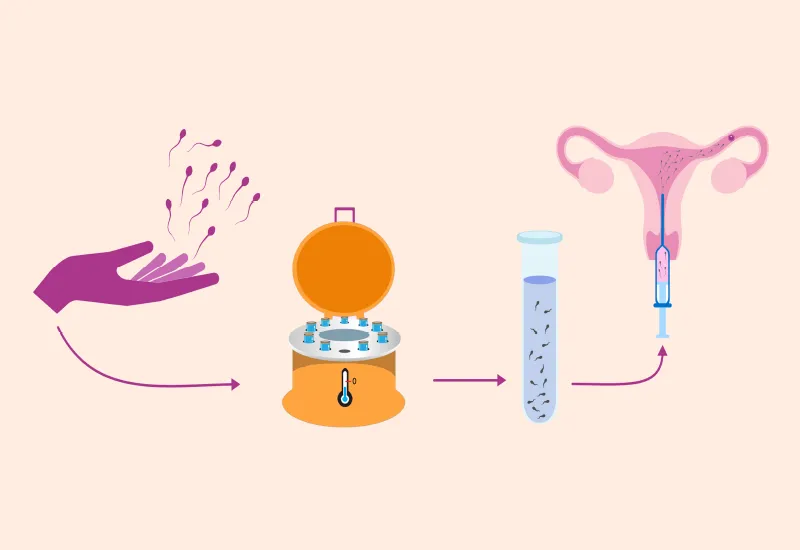
    illustration of the IUI process, showing sperm collection, preparation, and insertion into the uterus

    Frozen Donor Sperm: A Viable Option for Couples Facing Male Infertility and Genetic Disorders

    Another advantage of using frozen donor sperm is the safety and reliability of the process. Donor sperm is carefully screened and tested for infectious diseases, ensuring the safety of the recipient and any potential offspring. The sperm is also quarantined and retested before it is used in fertility treatments, further reducing the risk of transmitting diseases.

    Frozen donor sperm also offers a higher success rate compared to other fertility treatment options. The sperm is stored in optimal conditions, ensuring its viability and increasing the chances of successful fertilization. This is particularly beneficial for couples who have been unsuccessful with other fertility treatments or have a history of recurrent miscarriages.

    How is Frozen Donor Sperm Used in Fertility Treatments?

    Frozen donor sperm can be used in various fertility treatments, including intrauterine insemination (IUI) and in vitro fertilization (IVF). In IUI, the sperm is thawed and placed directly into the woman’s uterus, close to the time of ovulation, to increase the chances of fertilization. In IVF, the sperm is used to fertilize the woman’s eggs in a laboratory setting, and the resulting embryo is then transferred into the woman’s uterus. Depending on the couple’s specific needs and medical history, a fertility specialist will recommend the most suitable fertility treatment using frozen donor sperm.

    Emotional Considerations for Using Frozen Donor Sperm

    While frozen donor sperm can be an effective solution for couples facing male infertility and genetic disorders, it is essential to acknowledge and address the emotional implications of using this option. For some couples, the idea of using a donor’s sperm may be challenging to accept, and it is vital to seek counseling and support to process these emotions. It is also essential for couples to have open and honest communication about their feelings and expectations before proceeding with using frozen donor sperm.

    In Summary

    Frozen donor sperm has become a viable and widely used option for couples facing male infertility and genetic disorders. Its advantages, including the ability to select a donor with desirable characteristics, safety and reliability, and higher success rates, have made it a preferred option for many couples. With advancements in technology and increasing awareness, frozen donor sperm is expected to continue playing a crucial role in helping couples fulfill their dreams of parenthood.

    In conclusion, frozen donor sperm is a valuable and effective solution for couples facing male infertility and genetic disorders. Its use can greatly increase the chances of successful fertilization and pregnancy, while also reducing the risk of passing on genetic disorders to the child. With proper emotional support and guidance, frozen donor sperm can offer hope and fulfillment to couples struggling with infertility.

  • The Impact of Male Factor Infertility on At-Home vs Clinical Insemination

    Blog Post:

    Infertility affects millions of couples worldwide, with approximately 1 in 8 couples struggling to conceive. While infertility can be caused by various factors, male factor infertility is a common issue that can significantly impact a couple’s journey towards parenthood. Male factor infertility occurs when there are problems with sperm production, quality, or delivery, and it accounts for about 30% of all infertility cases. When faced with male factor infertility, couples often have to make decisions about the best method for conception, including at-home versus clinical insemination. In this blog post, we will explore the impact of male factor infertility on at-home versus clinical insemination and the factors that couples should consider when choosing between the two.

    At-Home Insemination:

    At-home insemination, also known as self-insemination, is a popular option for couples struggling with male factor infertility. This method involves collecting sperm from the male partner and using a syringe or a special insemination kit to insert the sperm into the female partner’s cervix. At-home insemination is a relatively simple and cost-effective approach, which can be done in the comfort of one’s home without the need for medical assistance.

    However, at-home insemination may not be suitable for all couples struggling with male factor infertility. It requires the male partner to have a sufficient amount of healthy sperm that can be collected and inserted successfully. This method may not be suitable for couples with severe male factor infertility, such as low sperm count or poor sperm quality. Additionally, at-home insemination does not allow for any testing or monitoring of the sperm, which can be crucial in identifying and addressing any underlying issues.

    Clinical Insemination:

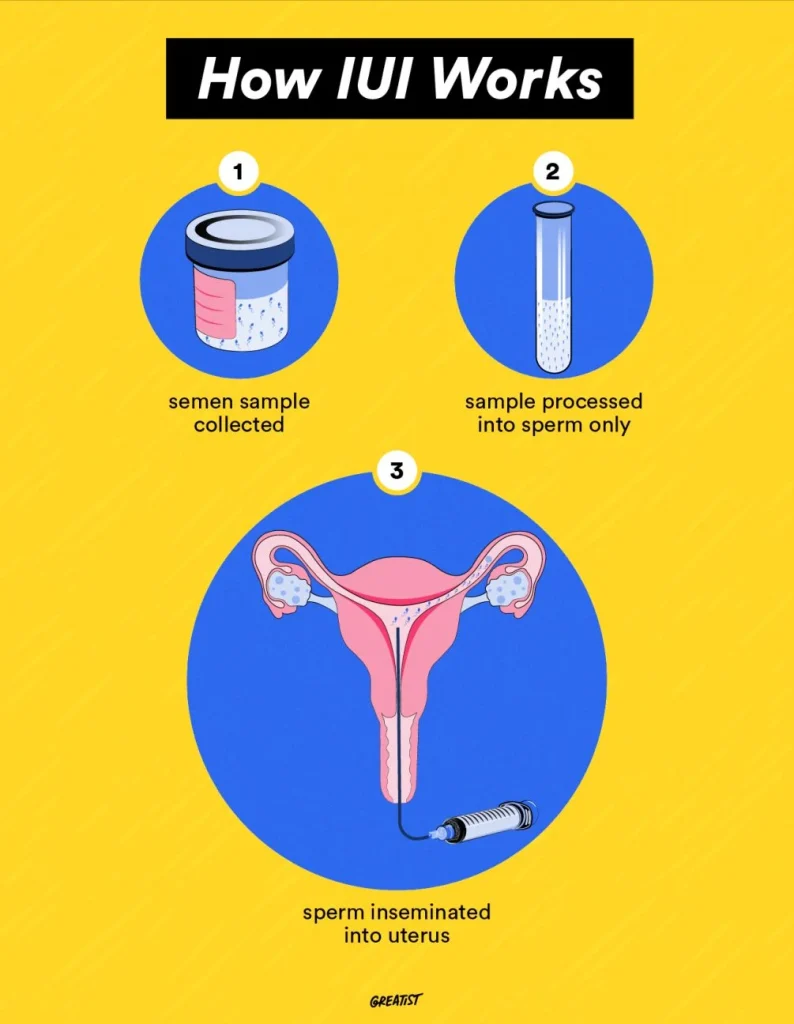
    Clinical insemination, also known as intrauterine insemination (IUI), is a more advanced and controlled method of insemination. It involves the insertion of washed and concentrated sperm directly into the female partner’s uterus using a catheter. This process increases the chances of sperm reaching the egg and fertilizing it, making it a more effective option for couples struggling with male factor infertility.

    Unlike at-home insemination, clinical insemination requires medical assistance and monitoring. The male partner will need to undergo a semen analysis to determine the quality and quantity of sperm. This method also allows for the use of donor sperm if the male partner’s sperm is not suitable for insemination. Additionally, the female partner will undergo monitoring through ultrasound scans to determine the best time for insemination, increasing the chances of success.

    Factors to Consider:

    illustration explaining the steps of intrauterine insemination (IUI) process on a bright yellow background

    The Impact of Male Factor Infertility on At-Home vs Clinical Insemination

    When faced with male factor infertility, couples must carefully consider the factors that may impact their decision between at-home and clinical insemination.

    – Cost: At-home insemination is a more cost-effective option as it does not require medical assistance. On the other hand, clinical insemination can be more expensive due to the medical procedures and monitoring required.

    – Success Rates: While both methods have a similar success rate of 10-20% per cycle, clinical insemination may be more effective for couples with severe male factor infertility.

    – Convenience: At-home insemination allows for flexibility and privacy, as it can be done in the comfort of one’s home. However, clinical insemination requires multiple visits to the clinic, which can be inconvenient for some couples.

    – Medical Concerns: Couples with underlying medical conditions, such as sexually transmitted infections, may not be suitable for at-home insemination as it does not involve any medical supervision. Clinical insemination can also help identify any potential issues that may affect fertility.

    The Impact of Male Factor Infertility on the Decision:

    Male factor infertility can have a significant impact on a couple’s decision between at-home and clinical insemination. In some cases, couples may not have a choice and may need to opt for clinical insemination due to severe male factor infertility. The emotional toll of male factor infertility can also play a role in the decision-making process. Couples may feel that at-home insemination is a more intimate and less clinical approach, which can help them cope with the challenges of infertility.

    Moreover, male factor infertility can also affect a couple’s mental and emotional well-being, making the decision between at-home and clinical insemination even more complex. The added pressure and stress of trying to conceive can take a toll on a couple’s relationship, and the decision between the two methods can add to the strain.

    Summary:

    Male factor infertility is a common issue that can significantly impact a couple’s journey towards parenthood. When faced with male factor infertility, couples must consider various factors before deciding between at-home and clinical insemination. At-home insemination is a more cost-effective and convenient option, while clinical insemination allows for medical assistance and monitoring. Male factor infertility can also impact a couple’s decision-making process, considering the added emotional and mental strain it can cause. Ultimately, the decision between at-home and clinical insemination should be based on individual circumstances and preferences, with the guidance of medical professionals.

  • Fertility Acupuncture and Male Factor Infertility: What You Need to Know

    Blog Post:

    Fertility acupuncture has become a popular alternative treatment for couples struggling with infertility. While there are many factors that can contribute to difficulty conceiving, one that is often overlooked is male factor infertility. In fact, studies have shown that male infertility is the sole cause or a contributing factor in approximately 30% of infertility cases. In this blog post, we will explore the benefits of fertility acupuncture for male factor infertility and what you need to know before seeking this treatment.

    What is Male Factor Infertility?

    Male factor infertility refers to any condition that affects a man’s ability to impregnate a woman. This can include low sperm count, poor sperm motility, structural abnormalities, or hormonal imbalances. These issues can be caused by a variety of factors such as genetic disorders, infections, lifestyle choices, or underlying health conditions. However, in many cases, the exact cause of male factor infertility is unknown.

    How Can Fertility Acupuncture Help?

    Acupuncture is a traditional Chinese medicine practice that involves the insertion of thin needles into specific points on the body to stimulate energy flow and promote healing. In terms of fertility, acupuncture can help by improving blood flow to the reproductive organs, balancing hormones, and reducing stress and inflammation. For men with male factor infertility, acupuncture can help to improve sperm quality and quantity, leading to an increased chance of conception.

    Research has shown that acupuncture can increase sperm count, improve sperm motility, and enhance sperm morphology. A study published in the Journal of Fertility and Sterility found that men who received acupuncture twice a week for five weeks had significant improvements in sperm quality compared to those who did not receive acupuncture. Another study in the Journal of Andrology showed that acupuncture can also increase the production of testosterone, a hormone essential for sperm production.

    In addition to improving sperm quality, acupuncture can also help to reduce stress and anxiety, which are common in couples struggling with infertility. Stress can negatively impact fertility by disrupting hormone balance and affecting sperm production. Acupuncture can help to calm the mind and body, allowing for a more relaxed state that is conducive to conception.

    Illustration of the uterus with a syringe, depicting the intrauterine insemination procedure.

    Fertility Acupuncture and Male Factor Infertility: What You Need to Know

    What to Expect During Fertility Acupuncture Treatment

    If you and your partner have decided to try fertility acupuncture for male factor infertility, it is essential to find a qualified and experienced acupuncturist who specializes in fertility. During your first visit, the acupuncturist will perform a detailed assessment to understand your individual situation and create a personalized treatment plan. This may include a combination of acupuncture, herbal supplements, and lifestyle recommendations.

    Acupuncture treatments for male factor infertility typically involve inserting thin needles into specific points on the body, including the lower abdomen, lower back, and legs. These points correspond to the reproductive organs and help to improve blood flow to the area. The needles are left in place for 20-30 minutes, and many people find the experience to be relaxing and even energizing.

    It is important to note that fertility acupuncture is not a quick fix and may take several months to see significant results. Consistency is key, and you may need to undergo weekly or bi-weekly treatments for a few months to achieve the best results.

    Other Considerations for Male Factor Infertility

    While fertility acupuncture can be an effective treatment for male factor infertility, it is essential to address any underlying health issues that may be contributing to the problem. This may include making lifestyle changes such as quitting smoking, reducing alcohol consumption, and maintaining a healthy weight. In some cases, medical interventions such as surgery or medication may be necessary to address structural or hormonal issues.

    It is also crucial for both partners to undergo fertility testing to determine if there are any other fertility issues that need to be addressed. In some cases, fertility acupuncture can be used in conjunction with other fertility treatments, such as in vitro fertilization (IVF), to enhance the chances of success.

    In summary, fertility acupuncture can be a beneficial treatment for male factor infertility. By improving sperm quality and reducing stress, it can increase the chances of conception for couples struggling with fertility issues. However, it is essential to find a qualified acupuncturist and to address any underlying health issues for the best results. With patience and consistency, fertility acupuncture can help you and your partner on your journey to parenthood.

  • Behind the Scenes: Understanding the Procedure of Intrauterine Insemination vs Sperm Washing

    Behind the Scenes: Understanding the Procedure of Intrauterine Insemination vs Sperm Washing

    In the world of fertility treatments, there are many options available to help couples conceive. Two of the most commonly used procedures are intrauterine insemination (IUI) and sperm washing. While both methods involve the use of sperm to assist in fertilization, they have distinct differences in their procedures and purposes. In this blog post, we will take a closer look at the behind-the-scenes process of IUI and sperm washing and understand how they work in helping couples achieve their dream of parenthood.

    Intrauterine Insemination (IUI):
    IUI, also known as artificial insemination, is a fertility treatment that involves placing washed and concentrated sperm directly into the uterus. This method is often used for couples who are experiencing male infertility, unexplained infertility, or have difficulty conceiving due to certain medical conditions. It is a relatively simple and non-invasive procedure that can be done in a doctor’s office.

    The first step in the IUI process is to track ovulation. This is typically done through blood tests and ultrasounds, which help determine the most fertile time for the woman. Once ovulation is confirmed, the male partner will provide a semen sample, which is then washed and prepared in the lab. Sperm washing is an essential step in the IUI procedure as it removes any dead sperm, mucus, and other substances that can cause irritation to the uterus.

    After the semen sample is washed, a catheter is used to insert the sperm directly into the uterus. The timing of this procedure is crucial, as it needs to be done just before ovulation to increase the chances of fertilization. The entire process usually takes less than 30 minutes, and the woman can resume her normal activities immediately after.

    Sperm Washing:
    Sperm washing, on the other hand, is a technique used to separate healthy sperm from semen to be used in assisted reproductive techniques such as IUI or in vitro fertilization (IVF). This procedure is particularly beneficial for couples where the male partner has a low sperm count or poor sperm quality, or when the sperm carries genetic defects.

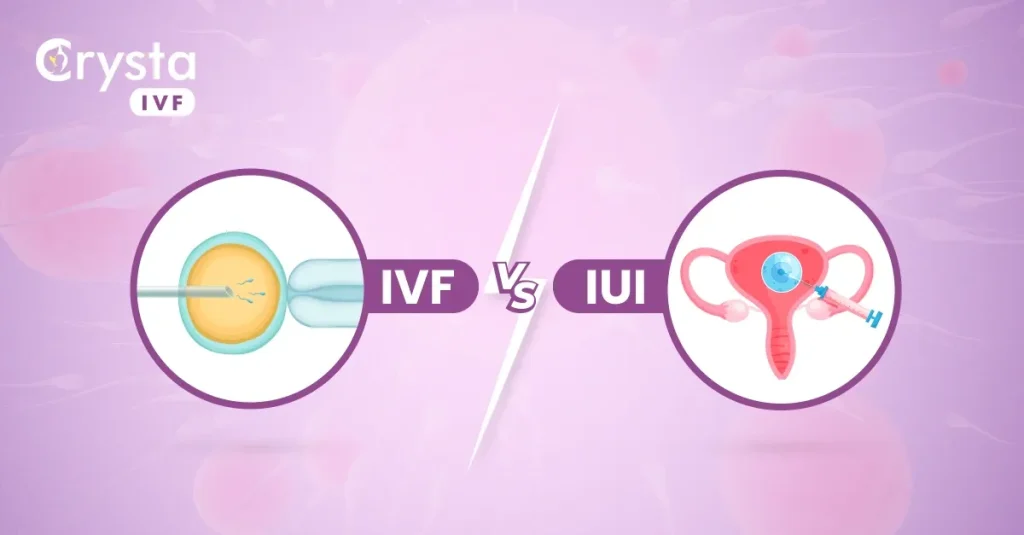
    Comparison of IUI and IVF treatments with diagrams of reproductive anatomy.

    Behind the Scenes: Understanding the Procedure of Intrauterine Insemination vs Sperm Washing

    The process of sperm washing starts with collecting a semen sample from the male partner. The sample is then mixed with a special solution that separates the sperm from other components of semen. The sample is then spun in a centrifuge, which separates the sperm from the seminal fluid. The collected sperm is then washed and prepared for use in IUI or IVF.

    Sperm washing is an important step in the fertility treatment process as it not only removes unhealthy sperm but also allows the doctors to select the most viable sperm for fertilization. This increases the chances of a successful pregnancy.

    Comparing the Procedures:
    While both IUI and sperm washing involve the use of sperm, their procedures and purposes are different. IUI is a procedure that is done in the woman’s uterus, while sperm washing is a technique used to prepare sperm for use in assisted reproductive techniques.

    IUI is a simpler and less invasive procedure compared to sperm washing, which requires lab work and specialized equipment. However, IUI may not be suitable for all couples, and in some cases, sperm washing may be a more effective option.

    As mentioned earlier, IUI is commonly used for couples with male infertility, unexplained infertility, or certain medical conditions. On the other hand, sperm washing is often recommended for couples with male factor infertility, such as low sperm count or poor sperm quality, or when there is a risk of genetic defects.

    Summary:
    In conclusion, both IUI and sperm washing are important fertility treatments that can help couples conceive. IUI is a procedure that involves placing washed sperm directly into the woman’s uterus, while sperm washing is a technique used to separate healthy sperm from semen for use in assisted reproductive techniques. Both procedures have their own unique benefits and are used for different purposes depending on the couple’s specific needs.

    It is essential to consult with a fertility specialist to determine which procedure is best suited for each individual case. With advancements in technology and medical techniques, both IUI and sperm washing offer hope for couples struggling with infertility and can bring them one step closer to realizing their dream of parenthood.

  • Intrauterine Insemination vs Timed Intercourse: The Impact of Underlying Medical Conditions on Fertility Treatments

    Summary:

    When it comes to fertility treatments, there are two commonly used methods: intrauterine insemination (IUI) and timed intercourse. Both treatments involve the introduction of sperm into the female reproductive tract in order to increase the chances of fertilization. However, the impact of underlying medical conditions on these treatments can vary greatly. In this blog post, we will dive into the differences between IUI and timed intercourse, and how underlying medical conditions can affect their success rates.

    Firstly, let’s discuss the basics of IUI and timed intercourse. IUI involves the insertion of washed and prepared sperm directly into the uterus, bypassing the cervix. This method is often combined with fertility drugs to stimulate ovulation. On the other hand, timed intercourse involves tracking a woman’s ovulation cycle and having intercourse during the most fertile days. This method relies on the natural fertilization process without any medical intervention.

    One of the main factors that can impact the success of both IUI and timed intercourse is the presence of underlying medical conditions. These conditions can affect a woman’s fertility in various ways and may require different approaches in fertility treatments. Some common conditions that can affect fertility include endometriosis, polycystic ovarian syndrome (PCOS), and uterine fibroids.

    Endometriosis is a condition where the tissue that lines the uterus grows outside of it, often causing inflammation and scarring. This can lead to difficulty in conceiving as it can affect the quality of the eggs and interfere with the implantation process. For women with endometriosis, IUI may be a better option as it bypasses the cervix and the inflamed tissues, giving the sperm a better chance of reaching and fertilizing the egg. Timed intercourse may be less effective as the inflamed tissues can make it difficult for the sperm to reach the egg.

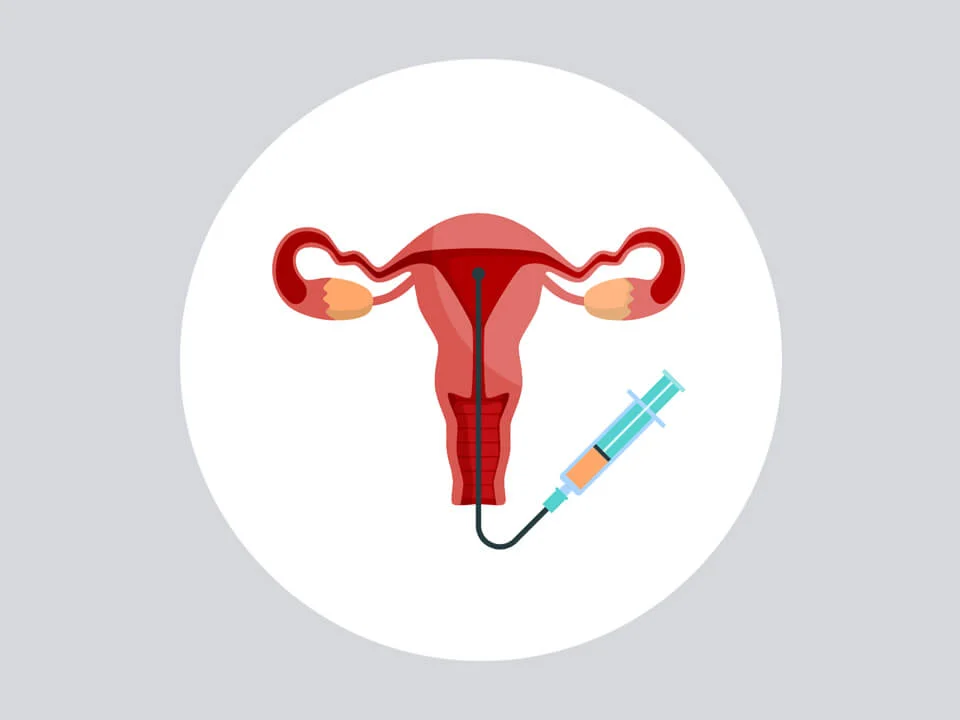
    illustration of a uterus with a syringe, representing intrauterine insemination procedure

    Intrauterine Insemination vs Timed Intercourse: The Impact of Underlying Medical Conditions on Fertility Treatments

    PCOS is a hormonal disorder that can cause irregular or absent ovulation, making it more challenging to get pregnant. In this case, both IUI and timed intercourse can be effective, depending on the severity of the condition. For women with mild PCOS, timed intercourse may be sufficient as it relies on the natural ovulation process. However, for those with more severe PCOS, IUI combined with fertility drugs may be a better option to increase the chances of conception.

    Uterine fibroids are non-cancerous growths in the uterus that can affect fertility by altering the shape and size of the uterus. These growths can interfere with the implantation process and cause recurrent miscarriages. In this case, the success rates of both IUI and timed intercourse may be lower. However, studies have shown that IUI may be more successful in women with uterine fibroids than timed intercourse, as it bypasses the cervix and increases the chances of the sperm reaching the egg.

    Other medical conditions that can impact fertility treatments include blocked fallopian tubes, male factor infertility, and advanced maternal age. In cases where there are blocked fallopian tubes, IUI may be the only option as it bypasses the tubes and allows the sperm to reach the egg directly. For male factor infertility, either IUI or timed intercourse may be effective, depending on the cause of the infertility. In cases of advanced maternal age, IUI may be a better option as fertility declines with age, and IUI can bypass any age-related issues with ovulation.

    In conclusion, both IUI and timed intercourse can be effective fertility treatments, but the success rates can be affected by underlying medical conditions. It is essential to consult with a fertility specialist to determine the best course of treatment based on individual circumstances. Factors such as the severity of the medical condition, age, and other fertility factors should be taken into consideration when deciding between IUI and timed intercourse.

    SEO metadata:

  • A Look at the Success Rates: Intrauterine Insemination vs Timed Intercourse for Couples with Male Factor Infertility

    Blog Post:

    Infertility is a common issue that many couples face when trying to conceive. It affects approximately 1 in 8 couples, and male factor infertility accounts for about 30% of all infertility cases. With advancements in reproductive technology, there are various treatment options available to help couples overcome male factor infertility. In this blog post, we will take a closer look at two popular treatments – intrauterine insemination (IUI) and timed intercourse – and compare their success rates for couples struggling with male factor infertility.

    What is Intrauterine Insemination?

    Intrauterine insemination, also known as artificial insemination, is a fertility treatment where sperm is placed directly into the woman’s uterus during the time of ovulation. This procedure involves washing and preparing sperm to increase its quality and then inserting it into the uterine cavity using a thin catheter. This process helps to bypass any potential barriers that may prevent the sperm from reaching the egg naturally.

    What is Timed Intercourse?

    Timed intercourse, also known as timed sexual intercourse, is a fertility treatment where couples are advised to have sex during the woman’s fertile window, which is the five days leading up to and including ovulation. This method relies on the woman’s natural cycle and does not involve any medical intervention.

    Success Rates of Intrauterine Insemination vs Timed Intercourse

    When it comes to the success rates of fertility treatments, it is essential to consider various factors, such as age, cause of infertility, and previous fertility history. In general, the success rates of IUI and timed intercourse for couples with male factor infertility vary and depend on the individual case.

    Intrauterine insemination has an overall success rate of around 10-20% per cycle. However, this rate can increase to 25% for couples with unexplained infertility. It is also essential to note that the success rates decrease with age, and the highest success rates are seen in women under the age of 35.

    On the other hand, timed intercourse has a slightly lower success rate of 10-15% per cycle. This method relies heavily on the timing of intercourse, and if the timing is not precise, the chances of conception decrease significantly. However, timed intercourse also has a higher success rate for couples with unexplained infertility, with a success rate of 20-25% per cycle.

    Comparison of IVF and IUI procedures with illustrations of each method.

    A Look at the Success Rates: Intrauterine Insemination vs Timed Intercourse for Couples with Male Factor Infertility

    Factors Affecting Success Rates

    As mentioned earlier, there are several factors that can affect the success rates of both IUI and timed intercourse. Age is one of the most significant factors, with women over the age of 35 having a lower chance of success with either method. Other factors that can impact the success rates include the cause of male factor infertility, the number of sperm used during IUI, and the timing of intercourse during the fertile window.

    Comparing the Two Methods

    Both IUI and timed intercourse are popular fertility treatments for couples with male factor infertility, but they have their differences. In general, IUI is a more invasive procedure that requires medical intervention, while timed intercourse relies on the woman’s natural cycle. Also, IUI can be more expensive than timed intercourse, as it involves the use of fertility drugs and medical procedures.

    One major advantage of IUI is that the sperm is placed directly into the uterus, increasing the chances of fertilization. However, this also means that the success rates can be affected by the quality of the sperm used. On the other hand, timed intercourse relies on the natural ability of the sperm to reach the egg, which can be a disadvantage for couples with low sperm count or poor sperm quality.

    Which Method is Right for You?

    Deciding between IUI and timed intercourse can be a challenging decision for couples struggling with male factor infertility. It is essential to consult with a fertility specialist to determine the best course of treatment based on your individual case. Factors such as age, cause of infertility, and previous fertility history should be considered when making this decision.

    In conclusion, both IUI and timed intercourse can be effective treatment options for couples with male factor infertility. However, the success rates can vary depending on individual factors. It is crucial to consult with a fertility specialist to determine the best treatment plan for your unique situation.

    Summary:

    Infertility is a common issue for couples, with male factor infertility accounting for about 30% of all cases. Two popular treatments for male factor infertility are intrauterine insemination (IUI) and timed intercourse. IUI involves placing prepared sperm directly into the uterus, while timed intercourse relies on the woman’s natural cycle. Both methods have success rates of 10-20% per cycle, with higher success rates for couples with unexplained infertility. Factors such as age, cause of infertility, and previous fertility history can affect the success rates of both methods. It is essential to consult with a fertility specialist to determine the best treatment plan for individual cases.