Blog Post:
Infertility is a common issue that many couples face when trying to conceive. It affects approximately 1 in 8 couples, and male factor infertility accounts for about 30% of all infertility cases. With advancements in reproductive technology, there are various treatment options available to help couples overcome male factor infertility. In this blog post, we will take a closer look at two popular treatments – intrauterine insemination (IUI) and timed intercourse – and compare their success rates for couples struggling with male factor infertility.
What is Intrauterine Insemination?
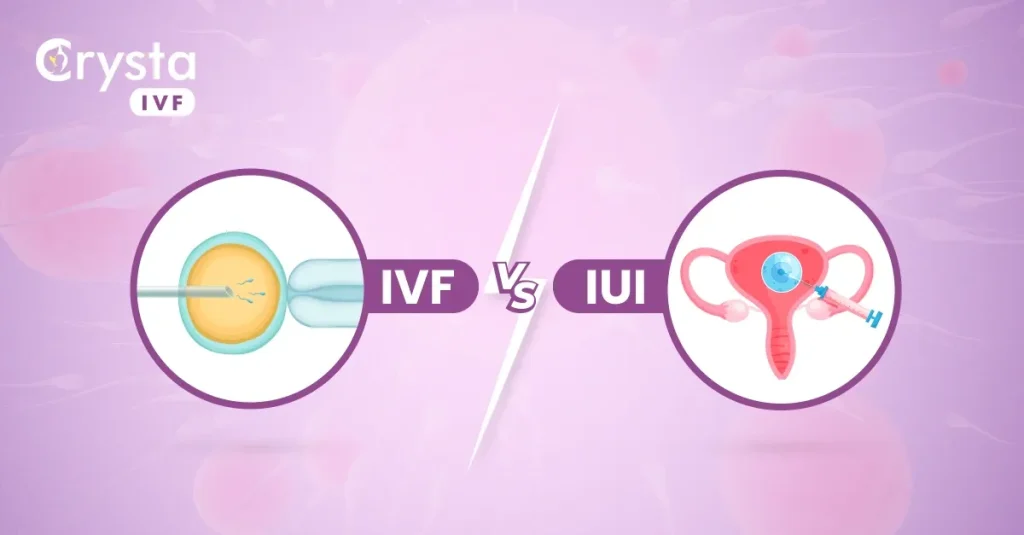
Intrauterine insemination, also known as artificial insemination, is a fertility treatment where sperm is placed directly into the woman’s uterus during the time of ovulation. This procedure involves washing and preparing sperm to increase its quality and then inserting it into the uterine cavity using a thin catheter. This process helps to bypass any potential barriers that may prevent the sperm from reaching the egg naturally.
What is Timed Intercourse?
Timed intercourse, also known as timed sexual intercourse, is a fertility treatment where couples are advised to have sex during the woman’s fertile window, which is the five days leading up to and including ovulation. This method relies on the woman’s natural cycle and does not involve any medical intervention.
Success Rates of Intrauterine Insemination vs Timed Intercourse
When it comes to the success rates of fertility treatments, it is essential to consider various factors, such as age, cause of infertility, and previous fertility history. In general, the success rates of IUI and timed intercourse for couples with male factor infertility vary and depend on the individual case.
Intrauterine insemination has an overall success rate of around 10-20% per cycle. However, this rate can increase to 25% for couples with unexplained infertility. It is also essential to note that the success rates decrease with age, and the highest success rates are seen in women under the age of 35.
On the other hand, timed intercourse has a slightly lower success rate of 10-15% per cycle. This method relies heavily on the timing of intercourse, and if the timing is not precise, the chances of conception decrease significantly. However, timed intercourse also has a higher success rate for couples with unexplained infertility, with a success rate of 20-25% per cycle.
Factors Affecting Success Rates
As mentioned earlier, there are several factors that can affect the success rates of both IUI and timed intercourse. Age is one of the most significant factors, with women over the age of 35 having a lower chance of success with either method. Other factors that can impact the success rates include the cause of male factor infertility, the number of sperm used during IUI, and the timing of intercourse during the fertile window.
Comparing the Two Methods
Both IUI and timed intercourse are popular fertility treatments for couples with male factor infertility, but they have their differences. In general, IUI is a more invasive procedure that requires medical intervention, while timed intercourse relies on the woman’s natural cycle. Also, IUI can be more expensive than timed intercourse, as it involves the use of fertility drugs and medical procedures.
One major advantage of IUI is that the sperm is placed directly into the uterus, increasing the chances of fertilization. However, this also means that the success rates can be affected by the quality of the sperm used. On the other hand, timed intercourse relies on the natural ability of the sperm to reach the egg, which can be a disadvantage for couples with low sperm count or poor sperm quality.
Which Method is Right for You?
Deciding between IUI and timed intercourse can be a challenging decision for couples struggling with male factor infertility. It is essential to consult with a fertility specialist to determine the best course of treatment based on your individual case. Factors such as age, cause of infertility, and previous fertility history should be considered when making this decision.
In conclusion, both IUI and timed intercourse can be effective treatment options for couples with male factor infertility. However, the success rates can vary depending on individual factors. It is crucial to consult with a fertility specialist to determine the best treatment plan for your unique situation.
Summary:
Infertility is a common issue for couples, with male factor infertility accounting for about 30% of all cases. Two popular treatments for male factor infertility are intrauterine insemination (IUI) and timed intercourse. IUI involves placing prepared sperm directly into the uterus, while timed intercourse relies on the woman’s natural cycle. Both methods have success rates of 10-20% per cycle, with higher success rates for couples with unexplained infertility. Factors such as age, cause of infertility, and previous fertility history can affect the success rates of both methods. It is essential to consult with a fertility specialist to determine the best treatment plan for individual cases.