Male factor infertility, or the inability of a man to impregnate a fertile female, is a common issue that affects approximately 1 in 20 men. Despite its prevalence, male factor infertility is often overlooked and not fully understood. In this blog post, we will delve into the science behind male factor infertility and explore the various treatment options available.
Understanding Male Reproductive Health
To understand male factor infertility, it is important to have a basic understanding of male reproductive health. The male reproductive system is composed of various organs and glands that work together to produce and transport sperm. The testes, located in the scrotum, produce sperm cells. These sperm cells then travel through the epididymis, a small tube attached to the testes, where they mature and are stored. During ejaculation, the sperm travels through the vas deferens and mixes with seminal fluids from the prostate and other glands to form semen. The semen is then ejaculated through the urethra.
Causes of Male Factor Infertility
Male factor infertility can be caused by a variety of factors, including hormonal imbalances, genetic conditions, physical or structural issues, and lifestyle factors. Hormonal imbalances, such as low levels of testosterone, can affect sperm production and quality. Genetic conditions, such as Klinefelter syndrome or cystic fibrosis, can also impact fertility. Physical or structural issues, such as blockages in the reproductive tract, can prevent sperm from being ejaculated. Lifestyle factors, such as smoking, excessive alcohol consumption, and drug use, can also contribute to male factor infertility.
Diagnosing Male Factor Infertility
Diagnosing male factor infertility involves a thorough evaluation of a man’s medical history, physical examination, and various tests. The first step is to rule out any underlying medical conditions that may be causing infertility. A physical examination may be performed to check for any structural issues in the reproductive organs. A semen analysis is also a crucial diagnostic tool for male factor infertility. This test measures the number, shape, and movement of sperm in a man’s semen. Other tests that may be performed include hormone level testing, genetic testing, and imaging tests to assess the reproductive organs.
Treatment Options for Male Factor Infertility
The treatment for male factor infertility depends on the underlying cause. In cases where a medical condition is causing infertility, treating the condition may improve fertility. In cases of hormonal imbalances, hormone therapy may be recommended. In situations where there are blockages or structural issues, surgery may be necessary. However, in cases where there are no underlying medical issues, assisted reproductive technology (ART) may be the best option.
The Science Behind Male Factor Infertility: Understanding the Treatment Options
Assisted Reproductive Technology (ART)
ART refers to a range of procedures that help couples conceive by handling eggs, sperm, and embryos outside of the body. One of the most well-known ART procedures is in-vitro fertilization (IVF). During IVF, eggs are retrieved from the female partner and fertilized with sperm in a laboratory. The resulting embryos are then transferred to the woman’s uterus. In cases of male factor infertility, IVF may be combined with intracytoplasmic sperm injection (ICSI), where a single sperm is injected directly into an egg to fertilize it.
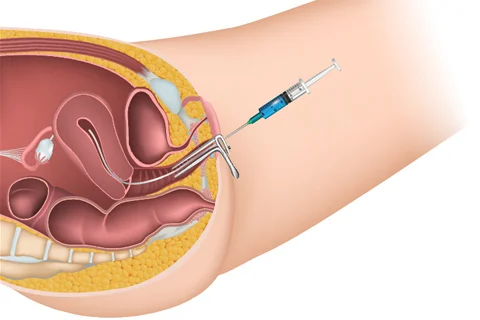
Other ART procedures that may be used to treat male factor infertility include intrauterine insemination (IUI) and sperm retrieval procedures. In IUI, washed and concentrated sperm are placed directly into the woman’s uterus, increasing the chances of fertilization. Sperm retrieval procedures involve obtaining sperm from the testes or epididymis when there is a blockage preventing sperm from being ejaculated.
Lifestyle Changes
In addition to medical treatments, lifestyle changes may also help improve male fertility. This includes quitting smoking, reducing alcohol consumption, and avoiding illegal drugs. Maintaining a healthy weight and exercising regularly can also improve sperm quality and fertility. Additionally, taking supplements such as folic acid, zinc, and vitamin D may also help improve male reproductive health.
In conclusion, male factor infertility is a common issue that can have various underlying causes. Understanding the science behind male reproductive health and the different treatment options available can help couples struggling with infertility make informed decisions. Whether it involves addressing underlying medical conditions, undergoing ART procedures, or making lifestyle changes, there are options available for couples to overcome male factor infertility and achieve their dream of starting a family.
Summary:
Male factor infertility is a common issue that affects 1 in 20 men, yet it is often overlooked and not fully understood. It is caused by a variety of factors, including hormonal imbalances, genetic conditions, physical or structural issues, and lifestyle factors. Diagnosis involves a thorough evaluation of medical history, physical examination, and various tests. Treatment options include addressing underlying medical conditions, hormone therapy, surgery, and assisted reproductive technology (ART). Lifestyle changes can also improve male fertility. Understanding the science behind male factor infertility and the various treatment options available can help couples struggling with infertility make informed decisions.