Blog Post:
Infertility affects millions of couples worldwide, with approximately 1 in 8 couples struggling to conceive. While infertility can be caused by various factors, male factor infertility is a common issue that can significantly impact a couple’s journey towards parenthood. Male factor infertility occurs when there are problems with sperm production, quality, or delivery, and it accounts for about 30% of all infertility cases. When faced with male factor infertility, couples often have to make decisions about the best method for conception, including at-home versus clinical insemination. In this blog post, we will explore the impact of male factor infertility on at-home versus clinical insemination and the factors that couples should consider when choosing between the two.
At-Home Insemination:
At-home insemination, also known as self-insemination, is a popular option for couples struggling with male factor infertility. This method involves collecting sperm from the male partner and using a syringe or a special insemination kit to insert the sperm into the female partner’s cervix. At-home insemination is a relatively simple and cost-effective approach, which can be done in the comfort of one’s home without the need for medical assistance.
However, at-home insemination may not be suitable for all couples struggling with male factor infertility. It requires the male partner to have a sufficient amount of healthy sperm that can be collected and inserted successfully. This method may not be suitable for couples with severe male factor infertility, such as low sperm count or poor sperm quality. Additionally, at-home insemination does not allow for any testing or monitoring of the sperm, which can be crucial in identifying and addressing any underlying issues.
Clinical Insemination:
Clinical insemination, also known as intrauterine insemination (IUI), is a more advanced and controlled method of insemination. It involves the insertion of washed and concentrated sperm directly into the female partner’s uterus using a catheter. This process increases the chances of sperm reaching the egg and fertilizing it, making it a more effective option for couples struggling with male factor infertility.
Unlike at-home insemination, clinical insemination requires medical assistance and monitoring. The male partner will need to undergo a semen analysis to determine the quality and quantity of sperm. This method also allows for the use of donor sperm if the male partner’s sperm is not suitable for insemination. Additionally, the female partner will undergo monitoring through ultrasound scans to determine the best time for insemination, increasing the chances of success.
Factors to Consider:
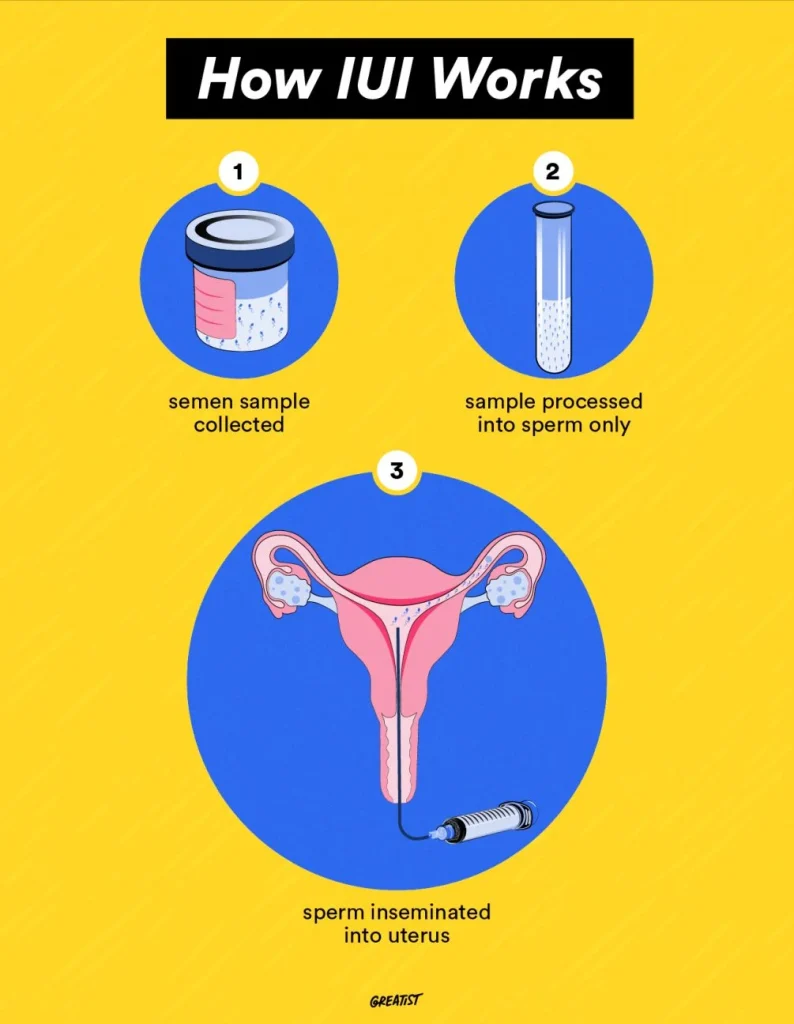
The Impact of Male Factor Infertility on At-Home vs Clinical Insemination
When faced with male factor infertility, couples must carefully consider the factors that may impact their decision between at-home and clinical insemination.
– Cost: At-home insemination is a more cost-effective option as it does not require medical assistance. On the other hand, clinical insemination can be more expensive due to the medical procedures and monitoring required.
– Success Rates: While both methods have a similar success rate of 10-20% per cycle, clinical insemination may be more effective for couples with severe male factor infertility.
– Convenience: At-home insemination allows for flexibility and privacy, as it can be done in the comfort of one’s home. However, clinical insemination requires multiple visits to the clinic, which can be inconvenient for some couples.
– Medical Concerns: Couples with underlying medical conditions, such as sexually transmitted infections, may not be suitable for at-home insemination as it does not involve any medical supervision. Clinical insemination can also help identify any potential issues that may affect fertility.
The Impact of Male Factor Infertility on the Decision:
Male factor infertility can have a significant impact on a couple’s decision between at-home and clinical insemination. In some cases, couples may not have a choice and may need to opt for clinical insemination due to severe male factor infertility. The emotional toll of male factor infertility can also play a role in the decision-making process. Couples may feel that at-home insemination is a more intimate and less clinical approach, which can help them cope with the challenges of infertility.
Moreover, male factor infertility can also affect a couple’s mental and emotional well-being, making the decision between at-home and clinical insemination even more complex. The added pressure and stress of trying to conceive can take a toll on a couple’s relationship, and the decision between the two methods can add to the strain.
Summary:
Male factor infertility is a common issue that can significantly impact a couple’s journey towards parenthood. When faced with male factor infertility, couples must consider various factors before deciding between at-home and clinical insemination. At-home insemination is a more cost-effective and convenient option, while clinical insemination allows for medical assistance and monitoring. Male factor infertility can also impact a couple’s decision-making process, considering the added emotional and mental strain it can cause. Ultimately, the decision between at-home and clinical insemination should be based on individual circumstances and preferences, with the guidance of medical professionals.