Blog Post: Fertility Testing for Men and Women: What Happens After You Get the Results?
Fertility is a sensitive topic for many couples, and the decision to undergo fertility testing can be a daunting one. However, understanding the results of these tests is crucial in the journey towards parenthood. Both men and women can undergo fertility testing to determine the potential causes of their infertility. In this blog post, we will explore what happens after receiving the results of fertility testing, and what options are available for couples looking to start a family.
Fertility Testing for Women:
The first step for women is to undergo a comprehensive physical exam, which may include blood tests, imaging tests, and a pelvic exam. These tests can help identify any underlying medical conditions that may be affecting fertility, such as polycystic ovary syndrome (PCOS) or endometriosis. Additionally, a blood test can also measure hormone levels, which can provide valuable insight into the woman’s reproductive health.
Another important test for women is the ovarian reserve test, which evaluates the number and quality of a woman’s eggs. This test can help determine the likelihood of a successful pregnancy and can also guide the best course of treatment. In some cases, a hysterosalpingogram (HSG) may also be recommended to check for any blockages in the fallopian tubes that could prevent fertilization.
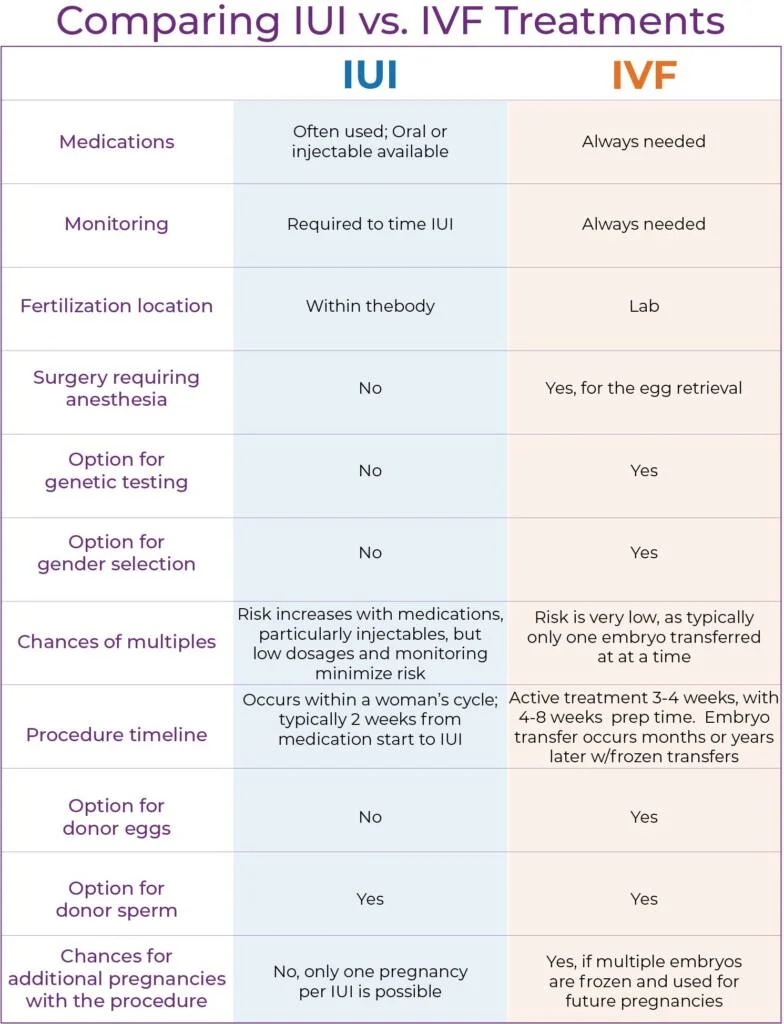
After receiving the results of these tests, a fertility specialist will review the findings and discuss the potential treatment options. These may include fertility medications, intrauterine insemination (IUI), or in vitro fertilization (IVF). The specialist will also discuss any lifestyle changes that may improve the chances of conception, such as quitting smoking, losing weight, or reducing stress.
Fertility Testing for Men:
For men, the primary test for fertility is a semen analysis. This test examines the quantity and quality of sperm, including factors such as sperm count, motility, and morphology. The results of this test can help identify any potential issues with sperm production, function, or delivery.
If the semen analysis reveals any abnormalities, additional tests may be recommended to determine the underlying cause. These tests may include hormone level testing, genetic testing, or a physical exam to check for any anatomical issues. Depending on the results, the fertility specialist may recommend lifestyle changes, medications, or assisted reproductive techniques such as intrauterine insemination or in vitro fertilization.
Fertility Testing for Men and Women: What Happens After You Get the Results?
Coping with the Results:
Receiving the results of fertility testing can be an emotional experience for couples. It is essential to understand that infertility is a medical condition and not a reflection of one’s self-worth. If the results show that there are issues with fertility, it is crucial to seek support from loved ones, a therapist, or a support group.
It is also essential to have open communication with your partner and healthcare team. The specialist can explain the results in detail and provide guidance on the next steps. They can also address any concerns or questions you may have about the results and the potential treatment options.
Options for Treatment:
Fortunately, there are various options available for couples struggling with fertility issues. Depending on the underlying cause, treatment may involve fertility medications, surgery, assisted reproductive techniques, or a combination of these methods.
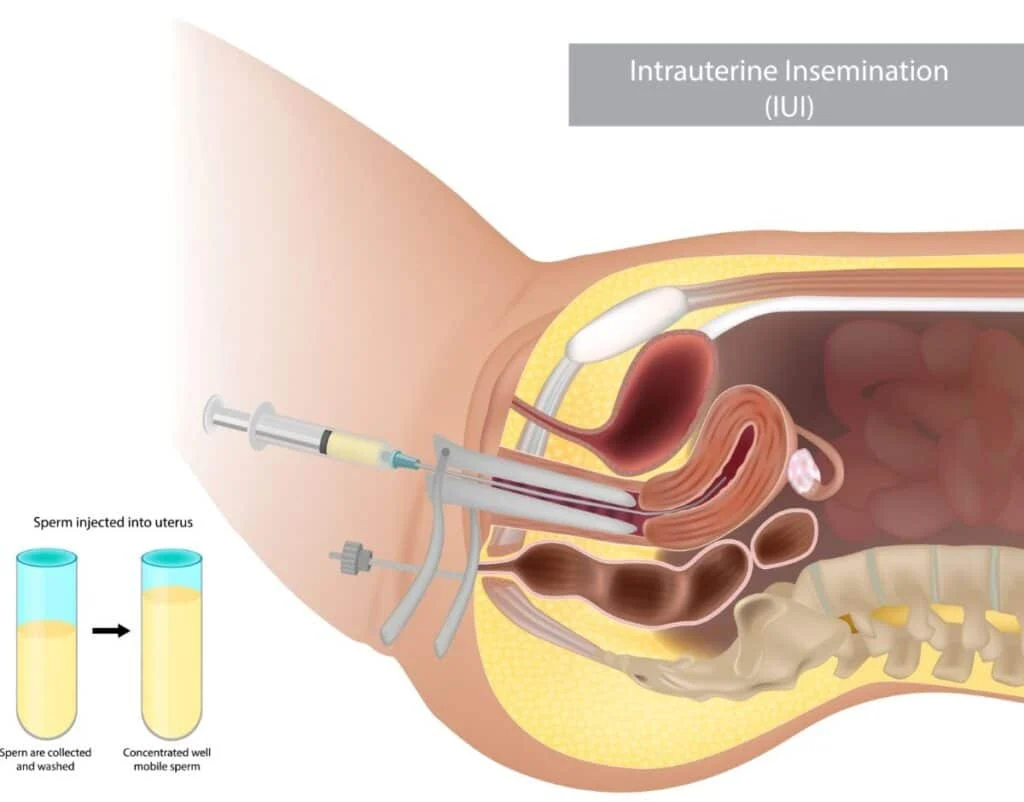
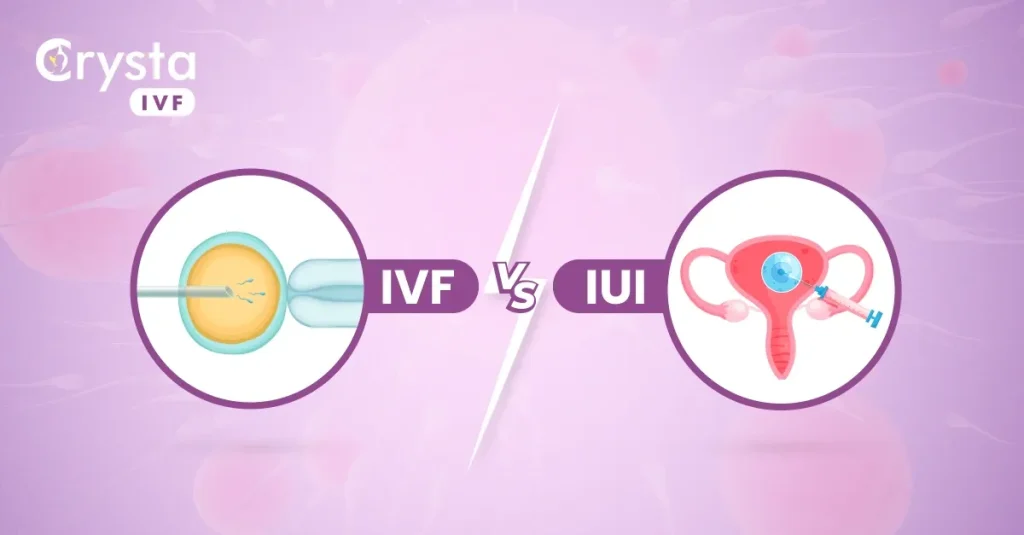
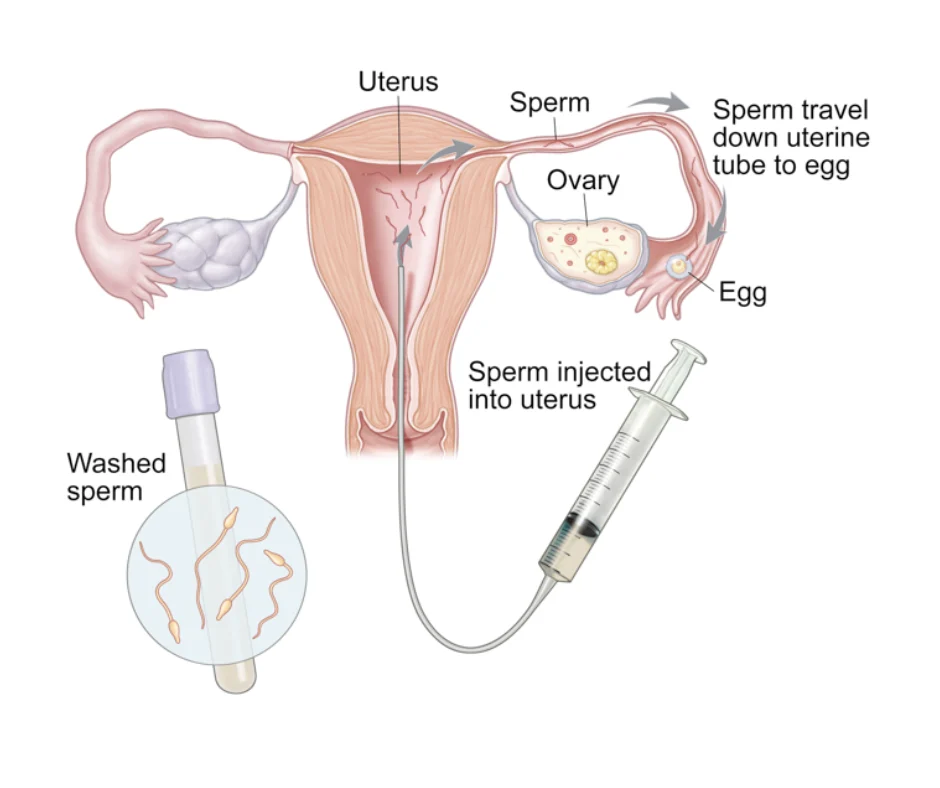
Fertility medications are often used to stimulate ovulation or improve sperm production. Intrauterine insemination involves placing washed sperm directly into the uterus, increasing the chances of fertilization. In vitro fertilization is a more advanced technique that involves retrieving eggs from the ovaries and fertilizing them with sperm in a lab before transferring the embryos into the uterus.
In some cases, surgery may be necessary to correct structural issues that are preventing pregnancy. This could include removing fibroids, repairing damaged fallopian tubes, or treating endometriosis.
Summary:
Fertility testing is an essential step for couples trying to conceive. For women, testing may include blood tests, imaging tests, and a pelvic exam to identify any underlying medical conditions. Men undergo a semen analysis to evaluate sperm quantity and quality. After receiving the results, a specialist will discuss potential treatment options, which may include medications, surgery, or assisted reproductive techniques. It is essential to have open communication with your partner and healthcare team and seek support if needed.
In conclusion, fertility testing can provide valuable information and guide couples towards the best course of treatment. While receiving the results of these tests can be emotional, it is essential to remember that there are various options available for couples looking to start a family. With the support of loved ones and healthcare professionals, couples can navigate through this journey towards parenthood.