Becoming a parent is a deeply personal and emotional journey for many individuals. For some, it may come easily, while for others, it may involve a long and challenging process. Fertility testing has become a popular option for those struggling to conceive, as it can provide important insights into an individual’s reproductive health. However, this process can also have a significant mental and emotional impact on both men and women. In this blog post, we will explore the mental and emotional effects of fertility testing and compare the experiences of men and women.
Fertility testing is a complex and often overwhelming process that involves various medical procedures, appointments, and waiting periods. For women, this may include blood tests, ultrasounds, and invasive procedures such as hysterosalpingograms (HSG) or laparoscopies. These tests can be physically uncomfortable and may cause anxiety or fear, especially for those who have experienced trauma or have a fear of medical procedures.
On the other hand, men may undergo semen analysis, which involves collecting a semen sample and testing it for sperm count, motility, and morphology. While this may seem less invasive compared to the procedures women go through, it can still be a stressful and uncomfortable experience for men. They may feel pressure to produce a “good” sample and worry about the results, which can affect their self-esteem and cause feelings of inadequacy.
One of the most significant mental and emotional impacts of fertility testing is the uncertainty and fear it can bring. Many individuals who undergo fertility testing are already struggling with infertility, which can be a source of immense emotional pain. Fertility testing can exacerbate these feelings as it often involves waiting for results and facing the possibility of bad news. This uncertainty can also lead to feelings of helplessness and loss of control, which can be challenging to cope with.
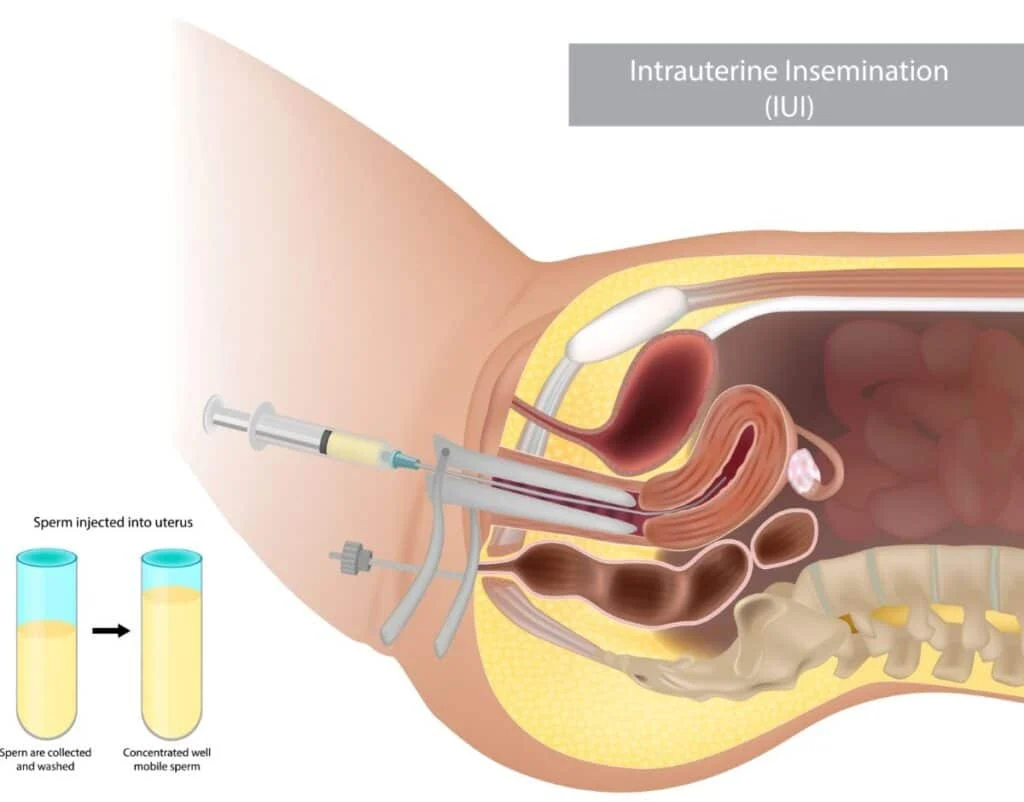
The Mental and Emotional Impact of Fertility Testing: A Comparison Between Men and Women
The emotional impact of fertility testing can also vary depending on the results. For women, a diagnosis of infertility can feel like a personal failure or a loss of their identity as a woman. They may experience feelings of guilt, shame, and grief, and struggle with the pressure of societal expectations to have children. On the other hand, men may also feel inadequate or less masculine if they receive unfavorable results. They may also feel pressure to “fix” the issue and provide a solution, which can be emotionally taxing.
Another common emotional impact of fertility testing is the strain it can put on relationships. Going through fertility testing can be a lonely and isolating experience, and individuals may find it challenging to communicate their feelings to their partner. This can lead to misunderstandings, conflicts, and a breakdown in communication, which can have a detrimental effect on the relationship. Furthermore, fertility testing can also cause strain in relationships with family and friends, as individuals may feel uncomfortable discussing their struggles with others.
Moreover, fertility testing can also have a significant financial impact, which can add to the emotional burden. Many fertility treatments and procedures are not covered by insurance, and the costs can quickly add up. This can cause stress, anxiety, and even guilt for individuals and couples who may be unable to afford the necessary treatments. The financial strain can also lead to difficult decisions and sacrifices, such as delaying or giving up on fertility treatments altogether.
It is essential to recognize that the mental and emotional impact of fertility testing is not limited to those struggling with infertility. Individuals who undergo fertility testing may also experience a range of emotions, such as anxiety, stress, and fear, even if they are not dealing with infertility. This is because fertility testing can bring up thoughts and concerns about one’s future and plans for starting a family, which can be overwhelming and emotionally taxing.
In conclusion, fertility testing can have a significant mental and emotional impact on both men and women. It can bring up a range of emotions, from fear and uncertainty to guilt and shame. The strain it can put on relationships and the financial burden it can cause can add to the emotional toll. It is crucial for individuals and couples going through fertility testing to seek support and communicate openly with their partners, friends, and family. It is also essential for society to be more understanding and supportive of those struggling with infertility and the emotional toll that fertility testing can bring.