Blog Post: The Long Road to Parenthood: How Fertility Testing Can Help for Both Men and Women
Parenthood is often seen as a natural and effortless journey for couples, but for many, it can be a long and challenging road. Infertility affects approximately 1 in 8 couples, and the struggle to conceive can take a toll on both physical and emotional well-being. While there are various causes of infertility, fertility testing can provide valuable insights for both men and women. In this blog post, we will explore the importance of fertility testing and how it can help couples on their journey to parenthood.
Understanding Fertility and Infertility
Fertility is the ability to conceive a child, and it is influenced by various factors such as age, health, and lifestyle. In women, fertility is primarily determined by the regularity and quality of ovulation, while in men, it is determined by the quality and quantity of sperm. Infertility is defined as the inability to conceive after 12 months of regular, unprotected intercourse. However, for women over the age of 35, this time frame is shortened to 6 months, as fertility declines with age.
Fertility Testing for Women
For women, fertility testing typically involves a series of blood tests and imaging procedures to assess the health and function of the reproductive organs. These tests can help identify any underlying hormonal imbalances, structural abnormalities, or other issues that may be affecting fertility.
One common fertility test for women is the ovarian reserve test, which measures the quantity and quality of a woman’s remaining egg supply. This test is especially useful for women over the age of 35, as it can give an indication of their fertility potential. Other tests may include a hysterosalpingogram (HSG), which uses a dye to visualize the uterus and fallopian tubes, and an ultrasound to evaluate the ovaries and uterus.
Fertility Testing for Men
For men, fertility testing involves a semen analysis to assess the quality and quantity of sperm. This test looks at factors such as sperm count, motility (movement), and morphology (shape). A low sperm count or poor sperm quality can significantly impact a man’s fertility and may require further testing to determine the underlying cause.
In addition to a semen analysis, men may also undergo blood tests to check for hormonal imbalances or genetic abnormalities that can affect fertility. If necessary, imaging tests such as a scrotal ultrasound may also be performed to evaluate the reproductive organs.
Benefits of Fertility Testing
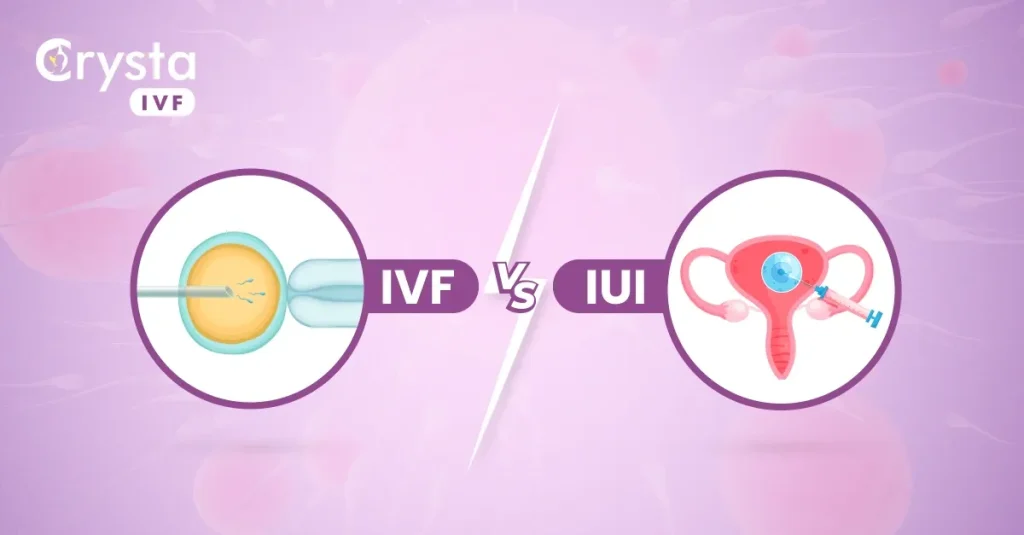
The Long Road to Parenthood: How Fertility Testing Can Help for Both Men and Women
Fertility testing can provide valuable information for couples struggling to conceive, and it can be beneficial in several ways.
Identify Potential Issues
Fertility testing can help identify any underlying issues that may be affecting a couple’s ability to conceive. For women, it can identify hormonal imbalances, structural abnormalities, or other conditions that may be preventing ovulation or fertilization. For men, it can identify issues with sperm quality or quantity, as well as any hormonal or genetic factors that may be contributing to infertility.
Guide Treatment Options
Once the underlying cause of infertility is identified, fertility testing can help guide treatment options. For example, if a woman is found to have irregular ovulation, medication or hormonal therapy may be recommended to help regulate her cycles. If a man has a low sperm count, he may benefit from lifestyle changes or medical interventions to improve sperm quality.
Reduce Stress and Anxiety
The journey to parenthood can be emotionally draining, and the uncertainty of not knowing the cause of infertility can add to the stress and anxiety. Fertility testing can provide answers and give couples a sense of control over their situation, reducing stress and anxiety levels.
Prevent Unnecessary Treatments
Without proper testing, couples may undergo expensive and invasive fertility treatments that may not be necessary. Fertility testing can help determine if there are any underlying issues that can be addressed with less invasive methods, such as medication or lifestyle changes, before pursuing more aggressive treatments.
In Summary
The road to parenthood can be a challenging one, and the struggle with infertility can take a toll on both men and women. Fertility testing can provide valuable insights into the underlying causes of infertility and guide treatment options. It can also reduce stress and anxiety, prevent unnecessary treatments, and ultimately help couples on their journey to becoming parents.
Leave a Reply