When a couple is trying to conceive, fertility tests can provide valuable information about their reproductive health. However, there are specific tests for males and females, each with their own pros and cons. In this blog post, we will explore the differences between male fertility tests and female fertility tests, and the advantages and disadvantages of each.
Male Fertility Tests:
Pros:
1. Non-invasive: Male fertility tests are generally non-invasive, making them easier and less uncomfortable for men. The most common test is a semen analysis, which involves providing a semen sample for analysis.
2. Cost-effective: Semen analysis is relatively inexpensive compared to female fertility tests, making it a more affordable option for couples.
3. Quick results: The results of a semen analysis can be obtained within a few days, giving couples a better understanding of the male partner’s fertility status.
4. Can identify underlying health issues: Male fertility tests can also detect potential health issues such as hormonal imbalances, sperm count and motility, which can affect fertility and overall health.
5. Can help with treatment planning: Once male fertility issues are identified, healthcare professionals can provide targeted treatment plans and lifestyle changes to improve fertility.
Cons:
1. Limited information: Male fertility tests only provide information about the male partner’s fertility status, leaving out any potential issues with the female partner’s reproductive health.
2. Emotional impact: A low sperm count or other fertility issues can be emotionally challenging for men to accept and deal with.
3. Not a comprehensive picture: While semen analysis can identify sperm count and motility, it does not provide information about sperm quality or genetic abnormalities.
4. Can be affected by lifestyle factors: Certain lifestyle factors such as alcohol consumption, smoking, and drug use can impact the results of a semen analysis, making it difficult to get an accurate picture of male fertility.
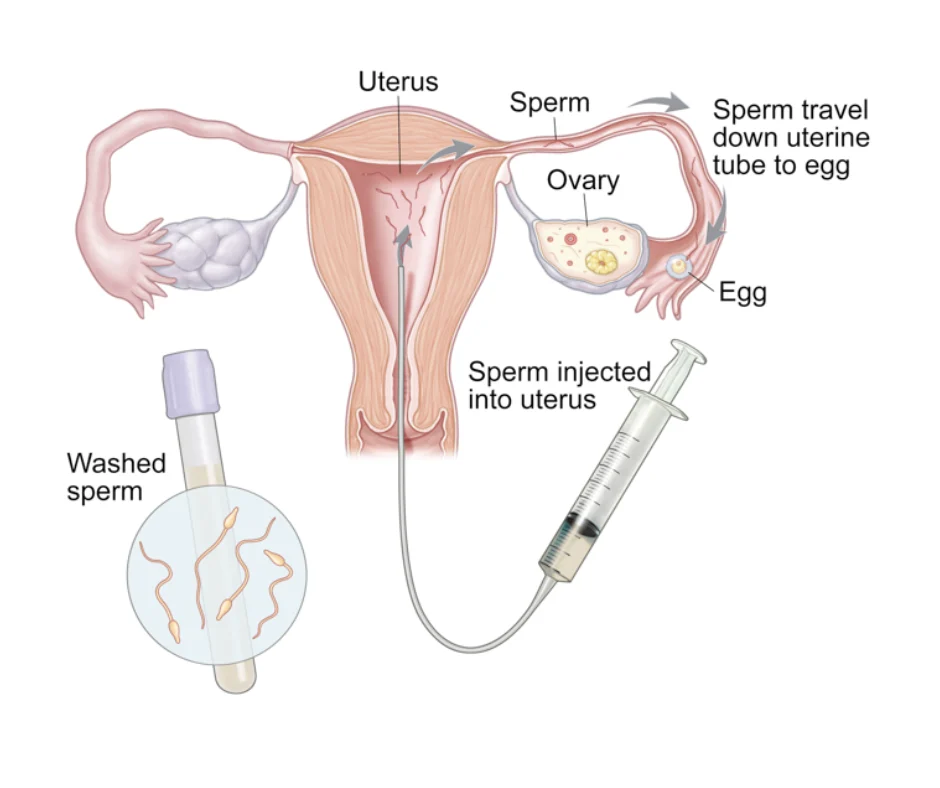
Male Fertility Tests vs Female Fertility Tests: The Pros and Cons
Female Fertility Tests:
Pros:
1. Can assess overall reproductive health: Female fertility tests can provide information about a woman’s overall reproductive health, including ovarian reserve, egg quality, and hormonal levels.
2. Can identify underlying issues: These tests can also detect any underlying health issues that may be affecting fertility, such as endometriosis, PCOS, or thyroid problems.
3. Can help with treatment planning: Once issues are identified, healthcare professionals can provide targeted treatment plans to improve fertility.
4. Can detect genetic abnormalities: Female fertility tests, such as genetic screening, can also identify any genetic abnormalities that may affect fertility or the health of the baby.
5. Can be customized: Female fertility tests can be customized according to the individual’s specific needs, providing a more personalized approach to fertility treatment.
Cons:
1. Invasive procedures: Some female fertility tests, such as hysterosalpingography (HSG) or transvaginal ultrasound, can be invasive and uncomfortable for women.
2. Cost: Female fertility tests can be costly, especially if multiple tests are needed to get a comprehensive picture of reproductive health.
3. Time-consuming: Certain tests, such as blood work or ovulation tracking, may require multiple appointments and can take longer to obtain results.
4. Emotional impact: Similar to male fertility tests, receiving news of infertility can be emotionally challenging for women.
5. Not always accurate: Some female fertility tests, such as ovarian reserve testing, may not always accurately predict the chances of conception or the success of fertility treatments.
In summary, both male and female fertility tests have their own set of advantages and disadvantages. While male fertility tests are generally less invasive and more affordable, they only provide information about the male partner’s fertility status. On the other hand, female fertility tests can assess overall reproductive health and identify underlying issues, but they can be more invasive, costly, and time-consuming. It is essential for couples to discuss their options with their healthcare provider and choose the most suitable tests for their specific needs.