Tag: In Vitro Fertilization

  • Same-Sex Couples and Assisted Reproductive Technology: Home Insemination and IVF

    Blog Post:

    Same-sex couples have been facing numerous challenges when it comes to starting a family. For many years, adoption was the only option available to them, but with the advancement of technology and the legalization of same-sex marriage in many countries, assisted reproductive technology (ART) has become a viable option for these couples. In this blog post, we will explore two methods of ART that have become increasingly popular among same-sex couples – home insemination and in vitro fertilization (IVF).

    Home insemination, also known as artificial insemination, involves the process of self-insemination at home using donor sperm. This method is relatively simple and cost-effective compared to other ART procedures. It involves purchasing donor sperm from a sperm bank or using a known donor, and then using a syringe or a special device to deposit the sperm into the vagina or cervix. The procedure can be done in the comfort of one’s home and does not require any medical intervention.

    One of the main advantages of home insemination is the control it gives to the couple over the entire process. Unlike other ART procedures, home insemination allows the couple to choose the donor based on their preferences, such as physical characteristics, health history, and even personality traits. This control over the donor selection process can provide a sense of connection and involvement in the conception of the child.

    Another benefit of home insemination is the privacy it offers. Same-sex couples often face discrimination and judgment when trying to start a family, and home insemination allows them to avoid these challenges by conceiving in the privacy of their own home. Moreover, the procedure can be done at any time without having to schedule appointments or visits to a fertility clinic.

    However, home insemination is not without its drawbacks. The success rate of this method is relatively low, with only a 10-15% chance of pregnancy per cycle. This is because the sperm has to travel a longer distance to reach the egg, making it more challenging for fertilization to occur. The lack of medical supervision and monitoring also means that any potential fertility issues or complications may go undetected.

    This is where IVF comes in as a more advanced and effective method of ART for same-sex couples. In vitro fertilization involves the fertilization of eggs and sperm in a laboratory, and the resulting embryos are then transferred into the uterus. This procedure requires medical intervention and is typically performed at a fertility clinic.
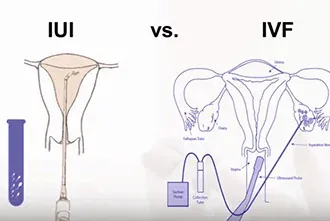
    Comparison of IUI and IVF treatments with diagrams of reproductive anatomy.

    Same-Sex Couples and Assisted Reproductive Technology: Home Insemination and IVF

    IVF offers a higher success rate compared to home insemination, with a 30-40% chance of pregnancy per cycle. It also allows for more control over the genetic makeup of the child, as the couple can choose to use their own eggs and sperm or opt for donor gametes. Moreover, IVF allows for genetic testing of embryos, which can help identify and prevent the transfer of any hereditary diseases or disorders.

    One of the main challenges of IVF for same-sex couples is the cost. The procedure can be expensive, and insurance coverage may not always be available. This can be a significant barrier for many couples, especially those from marginalized communities who may already face financial challenges. Additionally, the process of IVF can also be emotionally and physically taxing, with multiple doctor visits, hormone injections, and potential side effects.

    However, despite the challenges, IVF has become a popular choice for same-sex couples due to its higher success rate and ability to ensure a biologically related child. Many fertility clinics now offer LGBTQ+ friendly services, and some even have programs specifically designed for same-sex couples.

    It is essential to note that both home insemination and IVF have their pros and cons, and the decision of which method to choose ultimately depends on the couple’s preferences and circumstances. Some couples may opt for home insemination due to its lower cost and privacy, while others may prefer the higher success rate and genetic control of IVF.

    In conclusion, ART has opened up a world of possibilities for same-sex couples who wish to start a family. Home insemination and IVF are two methods that have become increasingly popular among these couples, each with its unique advantages and drawbacks. With advancements in technology and continued support for LGBTQ+ families, these methods will continue to provide hope and fulfill the dream of parenthood for many same-sex couples.

    Summary:

    Same-sex couples face various challenges when it comes to starting a family, but assisted reproductive technology (ART) has provided new options for them. Home insemination, also known as artificial insemination, involves the process of self-insemination at home using donor sperm. It offers control, privacy, and a lower cost but has a lower success rate and lack of medical supervision. In vitro fertilization (IVF) is a more advanced and successful method of ART, but it can be expensive and emotionally taxing. Both methods have their pros and cons, and the decision depends on the couple’s preferences and circumstances.
  • The Impact of Home Insemination and IVF on the LGBTQ+ Community

    The Impact of Home Insemination and IVF on the LGBTQ+ Community

    Home insemination and in vitro fertilization (IVF) have been revolutionary processes in the world of assisted reproductive technology (ART). These procedures have allowed many LGBTQ+ individuals and couples to have biological children and start their own families. Prior to these advancements, LGBTQ+ individuals faced many barriers and discrimination when it came to starting a family. However, with the help of home insemination and IVF, these barriers have been broken down and the LGBTQ+ community has been given the opportunity to create their own families on their own terms.

    Historically, LGBTQ+ individuals and couples have faced many challenges when it comes to starting a family. Traditional methods of conception, such as sexual intercourse and traditional adoption agencies, were not available to them. Same-sex couples were often denied the right to adopt or foster children, and in some cases, even denied the right to raise their own biological children. This discrimination led many LGBTQ+ individuals to feel like they were not able to fulfill their desire to become parents.

    However, with the advancements in home insemination and IVF, LGBTQ+ individuals and couples now have more options available to them when it comes to starting a family. Home insemination, also known as self-insemination, involves using a kit or donor sperm to inseminate at home. This method allows same-sex couples to have a biological connection to their child, as one partner can carry the pregnancy and give birth. This has been a game changer for LGBTQ+ individuals and has given them the opportunity to have a biological connection to their child, something that was previously not possible.

    In vitro fertilization, or IVF, is another assisted reproductive technology that has had a huge impact on the LGBTQ+ community. This process involves fertilizing an egg with sperm in a laboratory and then implanting the embryo into the uterus of the person who will carry the pregnancy. This method allows same-sex couples to have a child that is genetically related to both partners, and also allows individuals to have a child without a partner. IVF has opened up many possibilities for LGBTQ+ individuals who want to start a family, and has given them more control over the process.

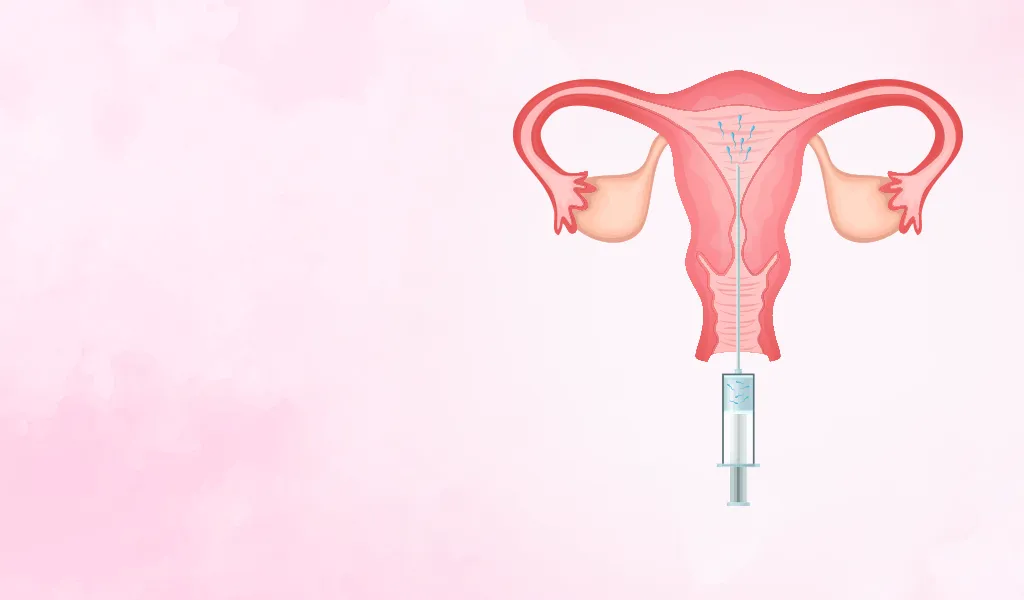
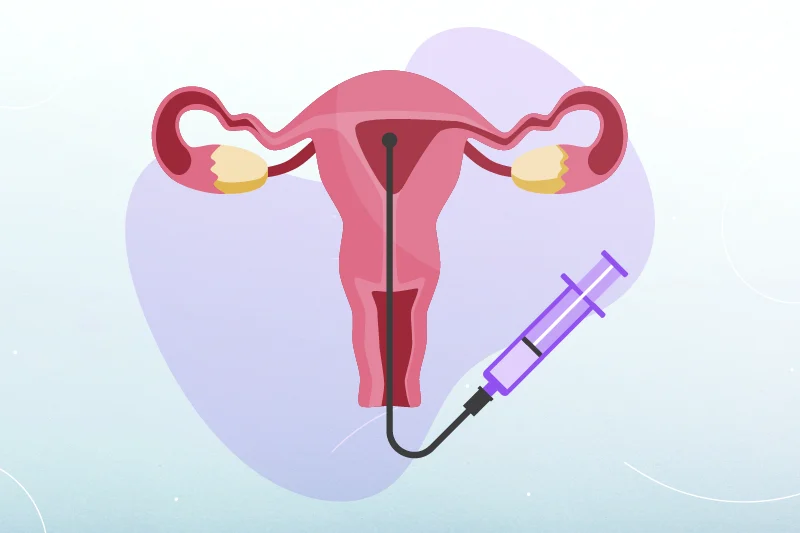
    illustration of a uterus with a syringe, representing intrauterine insemination procedure

    The Impact of Home Insemination and IVF on the LGBTQ+ Community

    One of the biggest impacts of home insemination and IVF on the LGBTQ+ community is the ability to create their own families on their own terms. These procedures have taken away the barriers that were previously in place and have given LGBTQ+ individuals and couples the power to decide when and how they want to start a family. This has been especially important for individuals who may not have a partner but still want to have a child, as IVF allows them to do so without a partner.

    Moreover, home insemination and IVF have also played a huge role in creating a sense of equality for LGBTQ+ individuals and couples. By having the same options available to them as heterosexual couples, LGBTQ+ individuals are no longer limited in their ability to start a family. This has helped to break down societal barriers and has allowed LGBTQ+ individuals to feel more accepted and included in the world of parenting.

    Another important impact of home insemination and IVF is the sense of empowerment it has given to LGBTQ+ individuals and couples. These procedures have given them the ability to take control of their reproductive choices and have a say in their own future. This is especially important for individuals who have faced discrimination and barriers in other areas of their lives. Home insemination and IVF have given them a sense of agency and control over their own bodies and family planning.

    However, it is important to note that while home insemination and IVF have had many positive impacts on the LGBTQ+ community, there are still challenges and barriers that need to be addressed. These procedures can be costly and may not be accessible to everyone, limiting the options for some individuals and couples. There is also a lack of legal protection for LGBTQ+ parents, which can make the process of starting a family more difficult and uncertain.

    In conclusion, home insemination and IVF have had a profound impact on the LGBTQ+ community. These procedures have opened up new possibilities and options for individuals and couples who want to start a family, and have helped to break down barriers and create a sense of equality and empowerment. While there are still challenges that need to be addressed, the advancements in assisted reproductive technology have given the LGBTQ+ community the opportunity to create their own families and fulfill their dreams of parenthood.

    Summary: Home insemination and in vitro fertilization have had a significant impact on the LGBTQ+ community by providing them with the opportunity to have biological children and start their own families. These procedures have broken down barriers and created a sense of equality, empowerment, and control for LGBTQ+ individuals and couples. However, there are still challenges and barriers that need to be addressed in order for these procedures to be accessible to everyone and to provide legal protection for LGBTQ+ parents.

  • Fertility and Age: How Fertility Drugs and Natural Methods Can Help Older Women

    Blog Post:

    Fertility and Age: How Fertility Drugs and Natural Methods Can Help Older Women

    As women age, their fertility declines, making it more difficult to conceive. This decline is due to various factors such as a decrease in the quality and quantity of eggs, hormonal changes, and underlying health conditions. This can be a frustrating and emotional experience for many women who still desire to have children later in life. However, with advancements in fertility treatments and natural methods, older women have more options when it comes to conceiving. In this blog post, we will discuss the impact of age on fertility, the role of fertility drugs, and natural methods that can help older women increase their chances of becoming pregnant.

    Understanding the Impact of Age on Fertility

    A woman’s fertility starts to decline in her late 20s and early 30s, with a significant drop after the age of 35. This decline is mainly due to a decrease in the number of eggs in the ovaries and a decline in their quality. As a woman ages, her eggs are more likely to have chromosomal abnormalities, making it harder to conceive and increasing the risk of miscarriage. Additionally, as women age, their reproductive organs, including the uterus and fallopian tubes, may also experience a decline in function, further reducing their chances of conception.

    Fertility Drugs for Older Women

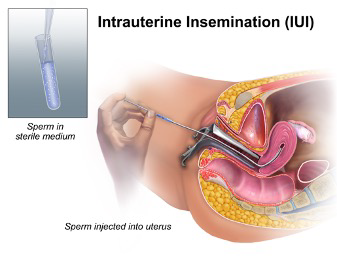
    Fertility drugs are designed to stimulate the ovaries, increase the number of eggs produced, and improve their quality. These drugs are commonly used in fertility treatments such as in vitro fertilization (IVF), where the eggs are retrieved from the ovaries and fertilized with sperm in a lab. Fertility drugs can also be used in combination with other fertility treatments, such as intrauterine insemination (IUI), where sperm is directly inserted into the uterus.

    For older women, fertility drugs can be beneficial in two ways. Firstly, they can help stimulate the ovaries and increase the chances of producing viable eggs. This is especially helpful for women who have a low ovarian reserve or are experiencing irregular ovulation. Secondly, fertility drugs can also help regulate the menstrual cycle, making it easier to track and plan for conception.

    However, it is essential to note that fertility drugs may not be suitable for every woman. They can have side effects such as mood swings, hot flashes, and bloating. Also, older women may have a higher risk of complications, such as multiple pregnancies, when using fertility drugs. Therefore, it is crucial to consult with a fertility specialist to determine the most appropriate treatment plan.

    Illustration of the uterus with a syringe, depicting the intrauterine insemination procedure.

    Fertility and Age: How Fertility Drugs and Natural Methods Can Help Older Women

    Natural Methods for Older Women

    In addition to fertility drugs, there are also natural methods that can help older women improve their fertility and increase their chances of conception. These methods include lifestyle changes, dietary modifications, and alternative therapies.

    One significant lifestyle change that can positively impact fertility is maintaining a healthy weight. Being underweight or overweight can affect hormonal balance and menstrual regularity, making it more challenging to conceive. Therefore, achieving a healthy weight through proper nutrition and regular exercise can help improve fertility.

    Dietary modifications can also play a role in improving fertility for older women. Including foods rich in antioxidants, such as fruits, vegetables, and whole grains, can help protect the eggs from damage caused by free radicals. Additionally, certain vitamins and minerals, such as folic acid, vitamin D, and iron, are essential for reproductive health and can be beneficial for women trying to conceive.

    Alternative therapies, such as acupuncture and herbal supplements, have also been shown to improve fertility in older women. Acupuncture can help regulate the menstrual cycle and improve blood flow to the reproductive organs, while herbal supplements can support hormonal balance and egg quality. However, it is important to consult with a qualified practitioner before trying any alternative therapies.

    In conclusion, age can significantly impact a woman’s fertility, making it more challenging to conceive as she gets older. However, with the help of fertility drugs and natural methods, older women can increase their chances of becoming pregnant. It is essential to consult with a fertility specialist to determine the most suitable treatment plan based on individual needs and medical history.

    Summary:

    As women age, their fertility declines due to various factors such as a decrease in the quality and quantity of eggs. This can be a frustrating and emotional experience for women who still desire to have children later in life. However, with advancements in fertility treatments and natural methods, older women have more options when it comes to conceiving. Fertility drugs can help stimulate the ovaries and regulate the menstrual cycle, while natural methods such as lifestyle changes, dietary modifications, and alternative therapies can also improve fertility.

    SEO Metadata:

  • Examining the Success Rates of Sperm Banks vs Known Donors

    Blog Post:

    In today’s society, there are many options for individuals or couples who are looking to start a family but are unable to conceive naturally. One of these options is using a sperm bank or finding a known sperm donor. While both options have the same end goal of achieving pregnancy, there are significant differences in terms of success rates and other factors that should be considered when making this important decision. In this blog post, we will dive into the details of sperm banks and known donors, examining their success rates and other important factors to help readers make an informed decision.

    Understanding Sperm Banks

    Sperm banks are facilities that collect and store donated sperm. These sperm samples are then used for artificial insemination or in vitro fertilization to help individuals or couples achieve pregnancy. Sperm banks have strict screening processes for potential donors, including medical and genetic tests, as well as psychological evaluations. Donors are also required to undergo regular checkups and screening to ensure the quality of their sperm is maintained.

    Success Rates of Sperm Banks

    When it comes to success rates, sperm banks have a higher likelihood of achieving pregnancy compared to known donors. According to a study published in the Journal of Assisted Reproduction and Genetics, the success rate for sperm banks is around 60-80%, while known donors have a success rate of 20-30%. This is due to the rigorous screening processes and quality control measures implemented by sperm banks. The samples from sperm banks are also frozen and preserved, which helps maintain the sperm’s viability for a longer period.

    Moreover, sperm banks offer a wider range of donors to choose from, including physical characteristics, education, and medical history. This allows individuals or couples to find a donor that closely matches their desired traits. On the contrary, known donors may not always meet these criteria, which can negatively impact the success rate.

    Other Factors to Consider

    Aside from success rates, there are other factors that should be taken into consideration when deciding between sperm banks and known donors. One of these is the legal aspect. When using a sperm bank, the donor has no legal rights or responsibilities towards the child. This means that the child’s legal parent or parents will have full custody and decision-making rights. In contrast, with a known donor, there can be legal complications, especially if the donor wants to be involved in the child’s life.

    Another factor to consider is the cost. Sperm banks can be costly, with fees ranging from a few hundred dollars to thousands of dollars. This includes the screening process, storage fees, and the cost of the actual sperm sample. On the other hand, known donors may not charge any fees, but there are still associated costs such as medical expenses and legal fees.

    diagram of the female reproductive system with an IUI syringe and test tube for artificial insemination

    Examining the Success Rates of Sperm Banks vs Known Donors

    Known Donors

    Known donors are individuals who donate their sperm directly to the recipient(s) without the use of a sperm bank. This can be a friend, family member, or someone found through online forums or advertisements. While known donors may seem like a more affordable and personal option, there are several risks and challenges associated with this route.

    Success Rates of Known Donors

    As mentioned earlier, known donors have a lower success rate compared to sperm banks. This is primarily due to the lack of screening and quality control measures. Without proper testing, the sperm’s viability and quality may be unknown, increasing the chances of unsuccessful pregnancies. Moreover, known donors may not be as committed to regular checkups and screening, which can also affect the sperm’s quality.

    Legal Issues

    One of the biggest concerns with known donors is the potential legal complications that may arise. In some cases, known donors may claim parental rights, especially if the child is born with a genetic disorder or disability. This can lead to lengthy and costly legal battles, causing emotional stress for all parties involved.

    Emotional Impact

    Using a known donor can also have an emotional impact on the recipient(s) and the donor. While some may prefer to have a personal connection with the donor, it can also lead to complicated emotions and relationships. This can be especially challenging if the donor wants to be involved in the child’s life, but the recipient(s) do not want that.

    Summary:

    In summary, when deciding between sperm banks and known donors, several factors should be considered. While sperm banks have a higher success rate and offer a wider range of donors, they can be expensive. On the other hand, known donors may be more affordable but come with potential legal and emotional complications. Ultimately, the decision should be based on the individual or couple’s preferences and circumstances.
  • Choosing the Right Clinic: Intrauterine Insemination vs In Vitro Fertilization

    Blog Post Title: Choosing the Right Clinic: Intrauterine Insemination vs In Vitro Fertilization

    Summary:

    Choosing the right fertility clinic can be a daunting task for couples who are struggling with infertility. With numerous options available, it can be overwhelming to determine which treatment is best for their specific needs. Two of the most common fertility treatments are Intrauterine Insemination (IUI) and In Vitro Fertilization (IVF). While both are effective methods of fertility treatment, they have distinct differences that need to be considered when making a decision. In this blog post, we will compare and contrast IUI and IVF to help couples make an informed decision when choosing the right clinic for their fertility journey.

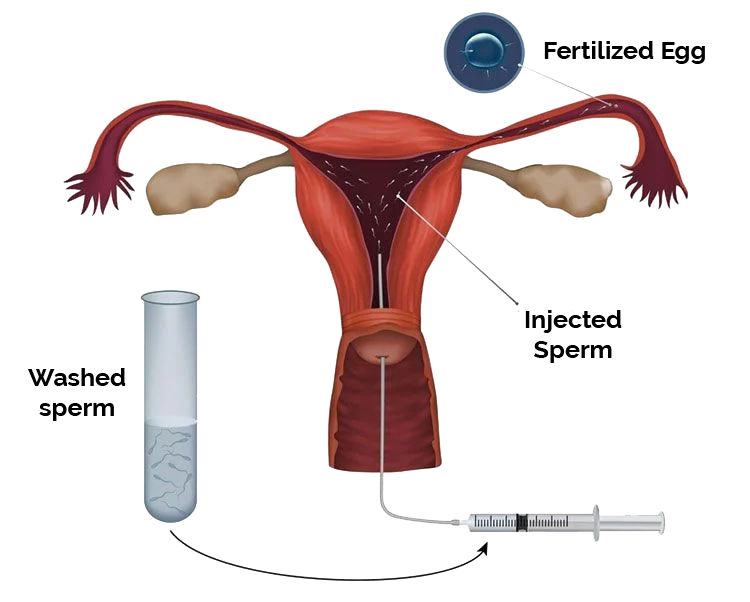
    IUI, also known as artificial insemination, involves placing washed and concentrated sperm directly into the uterus at the time of ovulation. This procedure is less invasive and less expensive compared to IVF, making it a popular choice for couples who have been trying to conceive for less than a year or have mild fertility issues. On the other hand, IVF is a more complex procedure that involves fertilizing the egg with sperm in a lab and then transferring the embryo into the uterus. This process is more expensive and invasive but has a higher success rate, making it a preferred option for couples with severe infertility issues.

    One of the major differences between IUI and IVF is the level of control over the fertilization process. With IUI, the sperm is placed in the uterus and left to naturally reach the egg, whereas in IVF, the fertilization occurs in a lab setting, allowing doctors to have more control and select the healthiest sperm and egg. This is especially beneficial for couples facing male infertility or genetic issues, as IVF can help avoid passing on genetic disorders to the child.

    Illustration of the IUI process, showing a syringe and catheter in the reproductive system.

    Choosing the Right Clinic: Intrauterine Insemination vs In Vitro Fertilization

    Another factor to consider when choosing between IUI and IVF is the success rates. Success rates for IUI vary but are usually around 10-20% per cycle, while IVF has a success rate of 30-40% per cycle. However, it is important to note that success rates depend on various factors such as age, underlying infertility issues, and the quality of the clinic.

    Cost is also a crucial factor to consider when choosing between IUI and IVF. IUI is significantly less expensive compared to IVF, which involves multiple procedures, medications, and lab work. On average, the cost of IUI can range from $300-$1000 per cycle, while IVF can cost anywhere from $12,000-$15,000 per cycle. It is essential to discuss the cost with the clinic beforehand and consider any insurance coverage or financing options that may be available.

    One of the significant differences between IUI and IVF is the level of invasiveness. IUI is a relatively simple and non-invasive procedure that does not require any anesthesia. The process involves inserting a thin catheter through the cervix into the uterus, which may cause mild cramping. On the other hand, IVF is a more invasive procedure that involves hormone injections, egg retrieval, and embryo transfer, all of which require anesthesia. This can be a significant factor for couples when deciding which treatment is best for them.

    The timeline for both IUI and IVF also differs. IUI is a quicker process, with the entire cycle taking around 2-3 weeks, while IVF can take 4-6 weeks or longer depending on various factors. This may be an essential consideration for couples who have time constraints or have been trying to conceive for a long time.

    When it comes to choosing the right fertility clinic for IUI or IVF, it is crucial to do thorough research and consider factors such as success rates, cost, invasiveness, and timeline. It is also essential to have open and honest communication with your doctor and discuss any concerns or questions you may have. Ultimately, the right clinic for you will depend on your specific needs and preferences, and it is vital to choose a clinic that makes you feel comfortable and supported throughout your fertility journey.

    In conclusion, both IUI and IVF are effective fertility treatments that have helped numerous couples achieve their dream of starting a family. While IUI is a more straightforward and less invasive option, IVF has a higher success rate and offers more control over the fertilization process. The decision between IUI and IVF ultimately depends on various factors, and it is crucial to consult with a fertility specialist and choose the best option for your specific needs.

  • Intrauterine Insemination vs In Vitro Fertilization: A Journey to Parenthood

    Blog Post: Intrauterine Insemination vs In Vitro Fertilization: A Journey to Parenthood

    Parenthood is a dream for many couples. However, for some, it may not come as easily as others. Infertility affects about 15% of couples globally, and it can be a challenging and emotional journey. Fortunately, there are advanced medical treatments available that can help couples achieve their dream of parenthood. Two of the most common treatments for infertility are Intrauterine Insemination (IUI) and In Vitro Fertilization (IVF). In this blog post, we will dive deeper into these two methods and compare them to help you make an informed decision on which one is the best for you and your partner.

    Understanding Intrauterine Insemination (IUI)

    Intrauterine Insemination, also known as artificial insemination, is a fertility treatment that involves placing washed and concentrated sperm directly into the woman’s uterus at the time of ovulation. This method aims to increase the chances of the sperm reaching the fallopian tubes and fertilizing the egg. IUI is often recommended for couples with unexplained infertility, mild male factor infertility, or mild endometriosis.

    The IUI process involves monitoring the woman’s ovulation cycle and timing the procedure to coincide with the release of the egg. The male partner’s sperm is collected, washed, and prepared in the lab before being inserted into the uterus through a thin catheter. This procedure is relatively simple, painless, and can be done in a doctor’s office without the need for anesthesia.

    One of the significant advantages of IUI is that it is a less invasive and less expensive option compared to other fertility treatments. It also has a lower risk of multiple pregnancies, making it a safer option for women who are carrying out the procedure. However, the success rates of IUI are relatively low, with only about 10-20% of couples achieving pregnancy after one cycle.

    Understanding In Vitro Fertilization (IVF)

    In Vitro Fertilization, commonly known as IVF, is a more complex and invasive fertility treatment. It involves retrieving eggs from the woman’s ovaries and fertilizing them with sperm in a laboratory dish. The resulting embryos are then transferred into the woman’s uterus, where they have the potential to implant and develop into a pregnancy. IVF is recommended for couples with severe male factor infertility, blocked or damaged fallopian tubes, or unexplained infertility.

    The IVF process begins with ovarian stimulation, where the woman is given hormones to stimulate the ovaries to produce multiple eggs. These eggs are then retrieved through a minor surgical procedure called follicular aspiration. The eggs are then fertilized with the sperm in a laboratory, and the resulting embryos are monitored for a few days before being transferred into the woman’s uterus. The entire process may take a few weeks to complete and may involve multiple cycles for a successful pregnancy.

    The success rates of IVF are generally higher than IUI, with about 30-40% of couples achieving pregnancy after one cycle. However, IVF is a more expensive option and has a higher risk of multiple pregnancies, which can increase the chances of complications during pregnancy and delivery.

    Comparing IUI and IVF

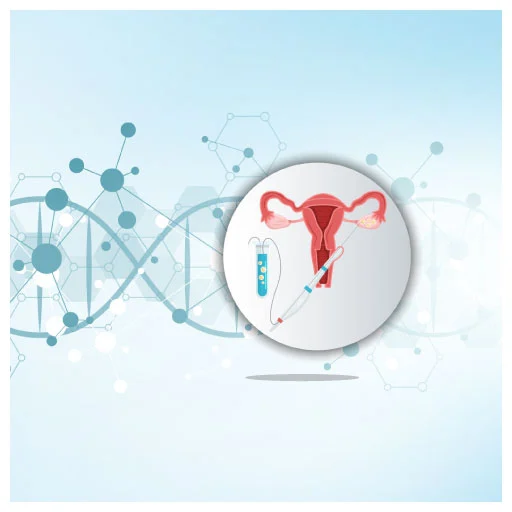
    Illustration of IUI procedure with uterus and syringe against a DNA background.

    Intrauterine Insemination vs In Vitro Fertilization: A Journey to Parenthood

    Both IUI and IVF have their unique advantages and disadvantages, and the choice between the two will depend on various factors such as the cause of infertility, age, medical history, and financial considerations. Here are some key differences between the two methods:

    1. Invasiveness: IUI is a less invasive procedure compared to IVF, which involves surgery and more medications.

    2. Success Rates: IVF has higher success rates compared to IUI, but success rates may vary depending on the individual situation.

    3. Cost: IUI is a more affordable option compared to IVF, which can cost thousands of dollars per cycle.

    4. Risks: Both IUI and IVF carry some risks, but IVF has a higher risk of multiple pregnancies and ovarian hyperstimulation syndrome (OHSS).

    5. Time: IUI can be done in a doctor’s office in a short period, while IVF may take a few weeks to complete.

    Making the Decision

    Deciding between IUI and IVF can be overwhelming, but consulting with a fertility specialist can help you make an informed decision. They will evaluate your medical history, perform necessary tests, and recommend the best treatment option for you and your partner. It is essential to consider factors such as age, cause of infertility, and financial considerations when making the decision.

    Both IUI and IVF can be emotionally and physically demanding, and it is crucial to have a strong support system during the process. It is also essential to take care of your mental and emotional well-being during this journey to parenthood.

    In conclusion, both Intrauterine Insemination and In Vitro Fertilization are effective fertility treatments that can help couples achieve their dream of parenthood. While IUI is a less invasive and more affordable option, IVF has higher success rates. The choice between the two methods will depend on individual factors, and consulting with a fertility specialist is crucial in making the best decision for you and your partner.

    Summary:

    Parenthood is a dream for many couples, but for some, it may not come easily. Infertility affects about 15% of couples globally, and there are advanced medical treatments available, such as Intrauterine Insemination (IUI) and In Vitro Fertilization (IVF). IUI involves placing washed and concentrated sperm into the uterus at the time of ovulation, while IVF involves retrieving eggs from the ovaries and fertilizing them with sperm in a laboratory dish. Both methods have their unique advantages and disadvantages, and the choice between the two will depend on factors such as age, cause of infertility, and financial considerations. Consulting with a fertility specialist is crucial in making an informed decision.

  • The Importance of Self-Care: Intrauterine Insemination vs In Vitro Fertilization

    Summary:

    Becoming a parent is a dream for many couples, but for those struggling with infertility, the journey can be emotionally and physically draining. Intrauterine insemination (IUI) and in vitro fertilization (IVF) are two common fertility treatments that offer hope to couples trying to conceive. While the focus is often on the medical procedures involved, it’s important to recognize the impact that these treatments can have on a person’s mental and emotional well-being. In this blog post, we will discuss the importance of self-care during fertility treatments, specifically comparing IUI and IVF, and how it can improve the overall experience and outcome.

    The first step in understanding the importance of self-care during fertility treatments is to acknowledge the stress and emotional toll that comes with the process. Both IUI and IVF involve multiple doctor appointments, hormone injections, and invasive procedures. This can lead to feelings of anxiety, depression, and grief. By practicing self-care techniques, individuals can manage these emotions and reduce the negative impact on their mental health.

    One of the main differences between IUI and IVF is the level of involvement required from the individual. IUI is a less invasive procedure that involves placing washed and concentrated sperm directly into the uterus, while IVF involves retrieving eggs, fertilizing them in a lab, and then implanting the embryos into the uterus. As a result, IVF requires a higher level of commitment and emotional investment from the individual. This makes self-care even more crucial for those undergoing this treatment.

    Illustration of the IUI process, showing a syringe and catheter in the reproductive system.

    The Importance of Self-Care: Intrauterine Insemination vs In Vitro Fertilization

    One aspect of self-care that can greatly benefit those undergoing fertility treatments is stress management. Studies have shown that high levels of stress can negatively impact fertility and increase the chances of IVF failure. By incorporating relaxation techniques such as meditation, yoga, or mindfulness into their routine, individuals can reduce stress levels and improve their chances of success.

    Another important aspect of self-care is addressing the physical toll that fertility treatments can have on the body. Hormone injections and medications can cause side effects such as bloating, mood swings, and fatigue. By prioritizing self-care, individuals can take care of their physical well-being by getting enough rest, eating a healthy diet, and engaging in gentle exercises like walking or swimming.

    In addition to managing stress and taking care of the physical body, self-care also includes addressing the emotional impact of fertility treatments. Many individuals may experience feelings of isolation and shame, as well as a strain on their relationships. It’s important to seek support from friends, family, or a therapist, and to communicate openly with your partner throughout the process. Additionally, engaging in activities that bring joy and relaxation, such as hobbies or spending time in nature, can help improve mood and mental well-being.

    While both IUI and IVF have their own challenges, it’s important to note that there is no one-size-fits-all approach to self-care during fertility treatments. What works for one person may not work for another, and it’s essential to find what feels right for you. Some individuals may find comfort in talking to others who have gone through similar experiences, while others may prefer to focus on self-care activities that they enjoy. The key is to prioritize self-care and make it a part of your daily routine.

    In conclusion, self-care is crucial for anyone undergoing fertility treatments, regardless of the method chosen. By managing stress, taking care of the physical body, and addressing the emotional impact, individuals can improve their overall experience and increase the chances of a successful outcome. It’s important to remember that while fertility treatments can be emotionally and physically demanding, practicing self-care can help individuals navigate the journey with more ease and well-being.

  • Intrauterine Insemination vs In Vitro Fertilization: A Cultural Perspective

    Intrauterine Insemination vs In Vitro Fertilization: A Cultural Perspective

    In today’s society, fertility treatments have become increasingly popular as more and more couples struggle with infertility. Two of the most commonly used methods are intrauterine insemination (IUI) and in vitro fertilization (IVF). While both of these procedures have been proven to help couples conceive, they differ in terms of their cultural implications. In this blog post, we will explore the cultural perspectives surrounding IUI and IVF, and how these perspectives may impact a couple’s decision on which method to choose.

    Intrauterine Insemination (IUI)

    IUI, also known as artificial insemination, involves placing washed and concentrated sperm directly into a woman’s uterus during ovulation. This method is often preferred by couples who have been trying to conceive for a shorter period of time and may not have any known fertility issues. IUI is also commonly used by same-sex couples and single women who want to conceive using donor sperm.

    From a cultural perspective, IUI can be seen as a less invasive and more natural option for fertility treatment. This is because it allows for conception to occur within the woman’s body, rather than in a laboratory. In some cultures, there may be a stigma surrounding IVF and the idea of “playing God” by creating life outside of the traditional method of sexual intercourse. IUI, on the other hand, may be seen as a more socially acceptable option.

    However, there are also cultural implications that may make IUI less desirable for certain couples. In some cultures, there may be pressure to have a child biologically related to both partners. This can be a challenge for same-sex couples or couples where one partner has fertility issues. In these cases, IVF may be a more suitable option.

    In Vitro Fertilization (IVF)

    IVF involves retrieving eggs from a woman’s ovaries and fertilizing them with sperm in a laboratory. The resulting embryo is then transferred into the woman’s uterus, with the hopes of implantation and pregnancy. This method is often seen as a more advanced and high-tech option for fertility treatment.

    Comparison of IUI and IVF treatments with diagrams of reproductive anatomy.

    Intrauterine Insemination vs In Vitro Fertilization: A Cultural Perspective

    From a cultural perspective, IVF may be viewed as a more “unnatural” way of conceiving. This is due to the fact that conception occurs outside of the woman’s body, and there is involvement of medical technology and procedures. This may be seen as going against traditional beliefs and practices in some cultures.

    However, IVF also offers a solution for couples who may have more complex fertility issues, such as blocked fallopian tubes or low sperm count. It also allows for genetic testing of embryos, which may be important for couples with a family history of genetic disorders. In this sense, IVF can be seen as a more practical and effective option for couples facing fertility challenges.

    Cultural Factors Influencing the Decision

    Apart from the cultural implications of each method, there are also other factors that may influence a couple’s decision on which treatment to pursue. One of these factors is cost. IVF is typically more expensive than IUI, which may make it a less feasible option for some couples. In addition, insurance coverage for fertility treatments may vary, which can also impact a couple’s decision.

    Another factor to consider is the success rates of each method. IVF has a higher success rate compared to IUI, especially for couples with more complex fertility issues. However, this also means that there is a higher chance of multiple pregnancies with IVF, which may not be desirable for some couples.

    Additionally, the emotional and physical toll of each method may also play a role in a couple’s decision. IVF involves more rigorous medical procedures and a longer treatment timeline, which can be emotionally and physically draining for some couples. On the other hand, IUI may be a less stressful and more accessible option for those who prefer a more natural approach.

    Summary

    In conclusion, the decision between IUI and IVF is a personal and complex one for couples struggling with infertility. While both methods have their own cultural implications, it is important for couples to consider their own beliefs and values, as well as practical factors such as cost and success rates. It is also crucial for couples to seek guidance from a medical professional and to have open and honest discussions with each other to make the best decision for their unique situation.

  • The Role of Nutrition: Intrauterine Insemination vs In Vitro Fertilization

    Blog Post:

    Infertility affects approximately 10-15% of couples worldwide and can be caused by various factors such as age, hormonal imbalances, and underlying health conditions. Fortunately, advancements in reproductive technology have given hope to couples struggling with infertility. Two commonly used assisted reproductive techniques are intrauterine insemination (IUI) and in vitro fertilization (IVF). While both procedures aim to help couples conceive, they differ in their approach and success rates. In this blog post, we will explore the role of nutrition in intrauterine insemination and in vitro fertilization.

    Intrauterine Insemination (IUI)

    Intrauterine insemination, also known as artificial insemination, involves placing washed and concentrated sperm directly into the uterine cavity through a thin catheter. This procedure is often recommended for couples dealing with unexplained infertility, mild male factor infertility, or cervical issues. Unlike IVF, IUI is a less invasive and more affordable option for couples.

    The Role of Nutrition in IUI

    Nutrition plays a crucial role in preparing the body for IUI. A balanced and nutritious diet can help improve the quality and quantity of eggs and sperm, which can increase the chances of a successful pregnancy. Foods rich in antioxidants, such as fruits and vegetables, can help protect the eggs and sperm from damage caused by free radicals. Omega-3 fatty acids found in fish and nuts can also improve sperm quality and motility.

    Furthermore, maintaining a healthy weight through proper nutrition is essential for a successful IUI. Being underweight or overweight can affect hormonal balance and decrease fertility. A well-balanced diet consisting of whole grains, lean proteins, and healthy fats can help achieve a healthy weight and improve fertility.

    Vitamins and supplements can also play a role in preparing for IUI. Folic acid and vitamin D have been linked to improved fertility and a reduced risk of birth defects. Consult with your doctor for the appropriate dosage and to ensure that you are taking the right supplements for your specific situation.

    In Vitro Fertilization (IVF)

    In vitro fertilization involves retrieving eggs from a woman’s ovaries and fertilizing them with sperm in a laboratory. The fertilized eggs, or embryos, are then transferred back into the woman’s uterus for implantation. IVF is often recommended for couples dealing with severe male factor infertility, tubal blockage, or advanced maternal age.

    Illustration of intrauterine insemination (IUI) procedure, showing sperm injection into the uterus.

    The Role of Nutrition: Intrauterine Insemination vs In Vitro Fertilization

    The Role of Nutrition in IVF

    Similar to IUI, nutrition also plays a vital role in the success of IVF. A healthy and balanced diet can improve egg quality, sperm quality, and overall fertility. Additionally, certain nutrients, such as iron and vitamin C, can help increase the chances of a successful embryo implantation.

    Maintaining a healthy weight is also crucial for IVF success. Being overweight or underweight can affect the hormone levels needed for successful egg retrieval and implantation. Proper nutrition and exercise can help achieve a healthy weight and improve fertility.

    Supplements can also be beneficial for IVF. Coenzyme Q10, for example, is an antioxidant that can improve egg quality and reduce the risk of chromosomal abnormalities. However, it is essential to consult with your doctor to ensure that you are taking the right supplements at the appropriate dosage.

    Comparing IUI and IVF

    While both IUI and IVF involve assisted reproductive techniques, they differ in their approach and success rates. IUI is a less invasive and more affordable option, with a success rate of about 10-20% per cycle. However, the success rate decreases with age and certain fertility issues. On the other hand, IVF has a higher success rate, with an average of 30-40% per cycle. It also offers more options, such as genetic testing and the use of donor eggs or sperm. However, IVF is more invasive and expensive compared to IUI.

    Conclusion

    In conclusion, nutrition plays a crucial role in both intrauterine insemination and in vitro fertilization. A balanced and nutritious diet, along with proper supplementation, can help improve fertility and increase the chances of a successful pregnancy. Maintaining a healthy weight is also important for both procedures. While IUI and IVF differ in their approach and success rates, proper nutrition can help prepare the body for either procedure and increase the chances of a successful outcome.

    Summary:

    Intrauterine insemination (IUI) and in vitro fertilization (IVF) are two assisted reproductive techniques used to help couples struggling with infertility. While both procedures differ in their approach and success rates, nutrition plays a crucial role in preparing the body for either procedure. A balanced and nutritious diet, along with proper supplementation, can improve egg and sperm quality, increase fertility, and increase the chances of a successful pregnancy. Maintaining a healthy weight is also important for both IUI and IVF. While IUI is a less invasive and more affordable option, IVF offers a higher success rate and more options for couples. Overall, proper nutrition is essential for the success of both IUI and IVF.

  • Intrauterine Insemination vs In Vitro Fertilization: A Global Comparison

    Intrauterine insemination (IUI) and in vitro fertilization (IVF) are two of the most commonly used fertility treatments for couples struggling with infertility. While both techniques involve the use of assisted reproductive technology (ART), they differ in terms of procedure, cost, and success rates. In this blog post, we will explore the similarities and differences between IUI and IVF, as well as compare their availability and success rates on a global scale.

    What is Intrauterine Insemination (IUI)?

    Intrauterine insemination, also known as artificial insemination, is a fertility treatment where sperm is placed directly into the woman’s uterus during ovulation. This procedure is often recommended for couples with unexplained infertility, mild male factor infertility, or for same-sex female couples using a donor’s sperm.

    The IUI procedure involves the collection and processing of the male partner’s sperm sample. The sperm is then inserted into the woman’s uterus using a thin catheter. This procedure is relatively simple and can be performed in a doctor’s office without the need for anesthesia.

    What is In Vitro Fertilization (IVF)?

    In vitro fertilization, on the other hand, is a more complex and invasive procedure. It involves the stimulation of a woman’s ovaries to produce multiple eggs, which are then retrieved and fertilized in a laboratory with the male partner’s sperm. The fertilized eggs, or embryos, are then transferred back into the woman’s uterus.

    IVF is recommended for couples with more complex infertility issues, such as blocked fallopian tubes, severe male factor infertility, or for women with certain medical conditions that affect fertility. This procedure requires close monitoring and multiple doctor visits, and it is usually done under anesthesia.

    Cost Comparison: IUI vs IVF

    The cost of fertility treatments can vary greatly depending on the country and clinic. However, in general, IVF is a more costly procedure compared to IUI. According to the American Society for Reproductive Medicine, the average cost of one cycle of IUI is around $865, while IVF can cost anywhere between $12,000 to $15,000 per cycle.

    Global Availability: IUI vs IVF

    illustration of a uterus with a syringe, representing intrauterine insemination procedure

    Intrauterine Insemination vs In Vitro Fertilization: A Global Comparison

    Both IUI and IVF are widely available in many countries around the world. However, there are some regions where one procedure may be more accessible than the other. For example, in countries with limited resources and infrastructure, IUI may be the only available fertility treatment due to its simplicity and lower cost.

    In contrast, IVF is more commonly available in developed countries with advanced medical technology and higher healthcare spending. However, there are efforts being made to increase access to IVF in developing countries, such as the World Health Organization’s initiative to promote low-cost IVF techniques.

    Success Rates: IUI vs IVF

    The success rates of IUI and IVF can vary greatly depending on various factors such as age, cause of infertility, and the quality of the sperm and eggs. Generally, IVF has a higher success rate compared to IUI, with the chance of a successful pregnancy ranging from 30-35% per cycle for IVF, compared to 10-20% for IUI.

    However, it is important to note that success rates can also be affected by the experience and skill of the healthcare providers and the quality of the clinic. Therefore, it is crucial to choose a reputable and experienced fertility clinic for both IUI and IVF procedures.

    A Global Comparison: IUI vs IVF

    When it comes to global comparison, both IUI and IVF are widely available in developed countries such as the United States, Canada, and European countries. However, there are some differences in the usage and success rates of these procedures in various regions of the world.

    For example, in Asian countries such as Japan and South Korea, IUI is more commonly used compared to IVF, as cultural factors may discourage couples from using more invasive procedures. In Latin American countries, IVF is more commonly used, with higher success rates compared to IUI.

    In African countries, the availability and usage of both IUI and IVF are relatively low due to limited resources and societal stigma surrounding infertility. However, there are efforts being made to increase access and awareness of these procedures in Africa.

    In conclusion, both IUI and IVF are effective fertility treatments that have helped countless couples achieve their dream of starting a family. While IVF may have a higher success rate, IUI is a more affordable and less invasive option for couples with less complex infertility issues. The availability and success rates of these procedures may vary globally, but with advancements in technology and increasing awareness, more and more couples around the world are being able to benefit from these fertility treatments.

    In summary, IUI and IVF are two of the most commonly used fertility treatments, with IUI being a less invasive and more affordable option compared to IVF. The availability and success rates of these procedures may vary globally, with IVF being more accessible in developed countries, and IUI being more commonly used in regions with limited resources. However, with advancements in technology and efforts to increase access and awareness, both IUI and IVF are helping couples around the world fulfill their dream of starting a family.