Blog Post:
Fertility and Age: How Fertility Drugs and Natural Methods Can Help Older Women
As women age, their fertility declines, making it more difficult to conceive. This decline is due to various factors such as a decrease in the quality and quantity of eggs, hormonal changes, and underlying health conditions. This can be a frustrating and emotional experience for many women who still desire to have children later in life. However, with advancements in fertility treatments and natural methods, older women have more options when it comes to conceiving. In this blog post, we will discuss the impact of age on fertility, the role of fertility drugs, and natural methods that can help older women increase their chances of becoming pregnant.
Understanding the Impact of Age on Fertility
A woman’s fertility starts to decline in her late 20s and early 30s, with a significant drop after the age of 35. This decline is mainly due to a decrease in the number of eggs in the ovaries and a decline in their quality. As a woman ages, her eggs are more likely to have chromosomal abnormalities, making it harder to conceive and increasing the risk of miscarriage. Additionally, as women age, their reproductive organs, including the uterus and fallopian tubes, may also experience a decline in function, further reducing their chances of conception.
Fertility Drugs for Older Women
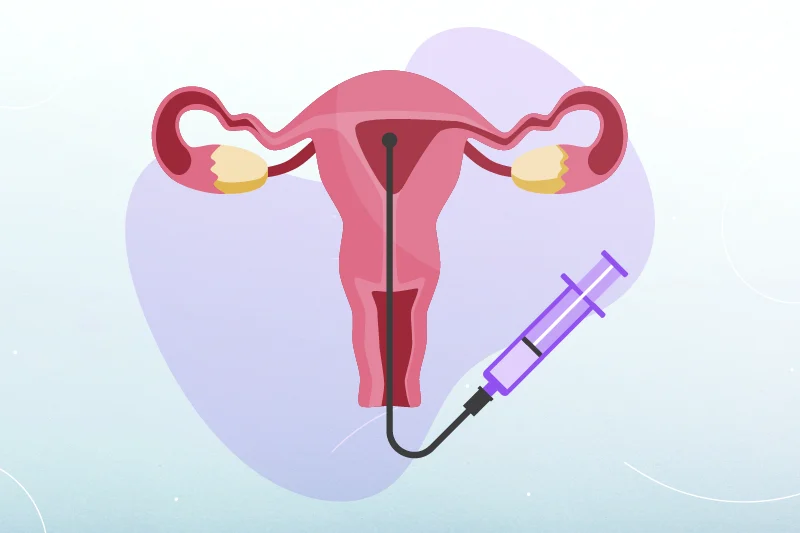
Fertility drugs are designed to stimulate the ovaries, increase the number of eggs produced, and improve their quality. These drugs are commonly used in fertility treatments such as in vitro fertilization (IVF), where the eggs are retrieved from the ovaries and fertilized with sperm in a lab. Fertility drugs can also be used in combination with other fertility treatments, such as intrauterine insemination (IUI), where sperm is directly inserted into the uterus.
For older women, fertility drugs can be beneficial in two ways. Firstly, they can help stimulate the ovaries and increase the chances of producing viable eggs. This is especially helpful for women who have a low ovarian reserve or are experiencing irregular ovulation. Secondly, fertility drugs can also help regulate the menstrual cycle, making it easier to track and plan for conception.
However, it is essential to note that fertility drugs may not be suitable for every woman. They can have side effects such as mood swings, hot flashes, and bloating. Also, older women may have a higher risk of complications, such as multiple pregnancies, when using fertility drugs. Therefore, it is crucial to consult with a fertility specialist to determine the most appropriate treatment plan.
Fertility and Age: How Fertility Drugs and Natural Methods Can Help Older Women
Natural Methods for Older Women
In addition to fertility drugs, there are also natural methods that can help older women improve their fertility and increase their chances of conception. These methods include lifestyle changes, dietary modifications, and alternative therapies.
One significant lifestyle change that can positively impact fertility is maintaining a healthy weight. Being underweight or overweight can affect hormonal balance and menstrual regularity, making it more challenging to conceive. Therefore, achieving a healthy weight through proper nutrition and regular exercise can help improve fertility.
Dietary modifications can also play a role in improving fertility for older women. Including foods rich in antioxidants, such as fruits, vegetables, and whole grains, can help protect the eggs from damage caused by free radicals. Additionally, certain vitamins and minerals, such as folic acid, vitamin D, and iron, are essential for reproductive health and can be beneficial for women trying to conceive.
Alternative therapies, such as acupuncture and herbal supplements, have also been shown to improve fertility in older women. Acupuncture can help regulate the menstrual cycle and improve blood flow to the reproductive organs, while herbal supplements can support hormonal balance and egg quality. However, it is important to consult with a qualified practitioner before trying any alternative therapies.
In conclusion, age can significantly impact a woman’s fertility, making it more challenging to conceive as she gets older. However, with the help of fertility drugs and natural methods, older women can increase their chances of becoming pregnant. It is essential to consult with a fertility specialist to determine the most suitable treatment plan based on individual needs and medical history.
Summary:
As women age, their fertility declines due to various factors such as a decrease in the quality and quantity of eggs. This can be a frustrating and emotional experience for women who still desire to have children later in life. However, with advancements in fertility treatments and natural methods, older women have more options when it comes to conceiving. Fertility drugs can help stimulate the ovaries and regulate the menstrual cycle, while natural methods such as lifestyle changes, dietary modifications, and alternative therapies can also improve fertility.
SEO Metadata: