Blog Post:
Infertility affects approximately 10-15% of couples worldwide and can be caused by various factors such as age, hormonal imbalances, and underlying health conditions. Fortunately, advancements in reproductive technology have given hope to couples struggling with infertility. Two commonly used assisted reproductive techniques are intrauterine insemination (IUI) and in vitro fertilization (IVF). While both procedures aim to help couples conceive, they differ in their approach and success rates. In this blog post, we will explore the role of nutrition in intrauterine insemination and in vitro fertilization.
Intrauterine Insemination (IUI)
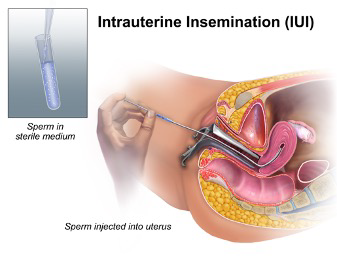
Intrauterine insemination, also known as artificial insemination, involves placing washed and concentrated sperm directly into the uterine cavity through a thin catheter. This procedure is often recommended for couples dealing with unexplained infertility, mild male factor infertility, or cervical issues. Unlike IVF, IUI is a less invasive and more affordable option for couples.
The Role of Nutrition in IUI
Nutrition plays a crucial role in preparing the body for IUI. A balanced and nutritious diet can help improve the quality and quantity of eggs and sperm, which can increase the chances of a successful pregnancy. Foods rich in antioxidants, such as fruits and vegetables, can help protect the eggs and sperm from damage caused by free radicals. Omega-3 fatty acids found in fish and nuts can also improve sperm quality and motility.
Furthermore, maintaining a healthy weight through proper nutrition is essential for a successful IUI. Being underweight or overweight can affect hormonal balance and decrease fertility. A well-balanced diet consisting of whole grains, lean proteins, and healthy fats can help achieve a healthy weight and improve fertility.
Vitamins and supplements can also play a role in preparing for IUI. Folic acid and vitamin D have been linked to improved fertility and a reduced risk of birth defects. Consult with your doctor for the appropriate dosage and to ensure that you are taking the right supplements for your specific situation.
In Vitro Fertilization (IVF)
In vitro fertilization involves retrieving eggs from a woman’s ovaries and fertilizing them with sperm in a laboratory. The fertilized eggs, or embryos, are then transferred back into the woman’s uterus for implantation. IVF is often recommended for couples dealing with severe male factor infertility, tubal blockage, or advanced maternal age.
The Role of Nutrition: Intrauterine Insemination vs In Vitro Fertilization
The Role of Nutrition in IVF
Similar to IUI, nutrition also plays a vital role in the success of IVF. A healthy and balanced diet can improve egg quality, sperm quality, and overall fertility. Additionally, certain nutrients, such as iron and vitamin C, can help increase the chances of a successful embryo implantation.
Maintaining a healthy weight is also crucial for IVF success. Being overweight or underweight can affect the hormone levels needed for successful egg retrieval and implantation. Proper nutrition and exercise can help achieve a healthy weight and improve fertility.
Supplements can also be beneficial for IVF. Coenzyme Q10, for example, is an antioxidant that can improve egg quality and reduce the risk of chromosomal abnormalities. However, it is essential to consult with your doctor to ensure that you are taking the right supplements at the appropriate dosage.
Comparing IUI and IVF
While both IUI and IVF involve assisted reproductive techniques, they differ in their approach and success rates. IUI is a less invasive and more affordable option, with a success rate of about 10-20% per cycle. However, the success rate decreases with age and certain fertility issues. On the other hand, IVF has a higher success rate, with an average of 30-40% per cycle. It also offers more options, such as genetic testing and the use of donor eggs or sperm. However, IVF is more invasive and expensive compared to IUI.
Conclusion
In conclusion, nutrition plays a crucial role in both intrauterine insemination and in vitro fertilization. A balanced and nutritious diet, along with proper supplementation, can help improve fertility and increase the chances of a successful pregnancy. Maintaining a healthy weight is also important for both procedures. While IUI and IVF differ in their approach and success rates, proper nutrition can help prepare the body for either procedure and increase the chances of a successful outcome.
Summary:
Intrauterine insemination (IUI) and in vitro fertilization (IVF) are two assisted reproductive techniques used to help couples struggling with infertility. While both procedures differ in their approach and success rates, nutrition plays a crucial role in preparing the body for either procedure. A balanced and nutritious diet, along with proper supplementation, can improve egg and sperm quality, increase fertility, and increase the chances of a successful pregnancy. Maintaining a healthy weight is also important for both IUI and IVF. While IUI is a less invasive and more affordable option, IVF offers a higher success rate and more options for couples. Overall, proper nutrition is essential for the success of both IUI and IVF.