Blog Post: Intrauterine Insemination vs In Vitro Fertilization: A Journey to Parenthood
Parenthood is a dream for many couples. However, for some, it may not come as easily as others. Infertility affects about 15% of couples globally, and it can be a challenging and emotional journey. Fortunately, there are advanced medical treatments available that can help couples achieve their dream of parenthood. Two of the most common treatments for infertility are Intrauterine Insemination (IUI) and In Vitro Fertilization (IVF). In this blog post, we will dive deeper into these two methods and compare them to help you make an informed decision on which one is the best for you and your partner.
Understanding Intrauterine Insemination (IUI)
Intrauterine Insemination, also known as artificial insemination, is a fertility treatment that involves placing washed and concentrated sperm directly into the woman’s uterus at the time of ovulation. This method aims to increase the chances of the sperm reaching the fallopian tubes and fertilizing the egg. IUI is often recommended for couples with unexplained infertility, mild male factor infertility, or mild endometriosis.
The IUI process involves monitoring the woman’s ovulation cycle and timing the procedure to coincide with the release of the egg. The male partner’s sperm is collected, washed, and prepared in the lab before being inserted into the uterus through a thin catheter. This procedure is relatively simple, painless, and can be done in a doctor’s office without the need for anesthesia.
One of the significant advantages of IUI is that it is a less invasive and less expensive option compared to other fertility treatments. It also has a lower risk of multiple pregnancies, making it a safer option for women who are carrying out the procedure. However, the success rates of IUI are relatively low, with only about 10-20% of couples achieving pregnancy after one cycle.
Understanding In Vitro Fertilization (IVF)
In Vitro Fertilization, commonly known as IVF, is a more complex and invasive fertility treatment. It involves retrieving eggs from the woman’s ovaries and fertilizing them with sperm in a laboratory dish. The resulting embryos are then transferred into the woman’s uterus, where they have the potential to implant and develop into a pregnancy. IVF is recommended for couples with severe male factor infertility, blocked or damaged fallopian tubes, or unexplained infertility.
The IVF process begins with ovarian stimulation, where the woman is given hormones to stimulate the ovaries to produce multiple eggs. These eggs are then retrieved through a minor surgical procedure called follicular aspiration. The eggs are then fertilized with the sperm in a laboratory, and the resulting embryos are monitored for a few days before being transferred into the woman’s uterus. The entire process may take a few weeks to complete and may involve multiple cycles for a successful pregnancy.
The success rates of IVF are generally higher than IUI, with about 30-40% of couples achieving pregnancy after one cycle. However, IVF is a more expensive option and has a higher risk of multiple pregnancies, which can increase the chances of complications during pregnancy and delivery.
Comparing IUI and IVF
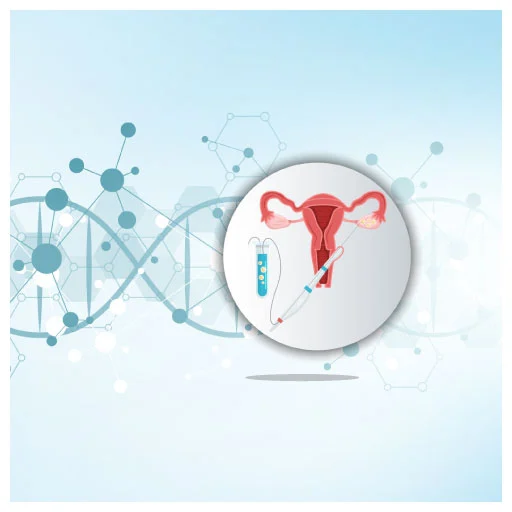
Intrauterine Insemination vs In Vitro Fertilization: A Journey to Parenthood
Both IUI and IVF have their unique advantages and disadvantages, and the choice between the two will depend on various factors such as the cause of infertility, age, medical history, and financial considerations. Here are some key differences between the two methods:
1. Invasiveness: IUI is a less invasive procedure compared to IVF, which involves surgery and more medications.
2. Success Rates: IVF has higher success rates compared to IUI, but success rates may vary depending on the individual situation.
3. Cost: IUI is a more affordable option compared to IVF, which can cost thousands of dollars per cycle.
4. Risks: Both IUI and IVF carry some risks, but IVF has a higher risk of multiple pregnancies and ovarian hyperstimulation syndrome (OHSS).
5. Time: IUI can be done in a doctor’s office in a short period, while IVF may take a few weeks to complete.
Making the Decision
Deciding between IUI and IVF can be overwhelming, but consulting with a fertility specialist can help you make an informed decision. They will evaluate your medical history, perform necessary tests, and recommend the best treatment option for you and your partner. It is essential to consider factors such as age, cause of infertility, and financial considerations when making the decision.
Both IUI and IVF can be emotionally and physically demanding, and it is crucial to have a strong support system during the process. It is also essential to take care of your mental and emotional well-being during this journey to parenthood.
In conclusion, both Intrauterine Insemination and In Vitro Fertilization are effective fertility treatments that can help couples achieve their dream of parenthood. While IUI is a less invasive and more affordable option, IVF has higher success rates. The choice between the two methods will depend on individual factors, and consulting with a fertility specialist is crucial in making the best decision for you and your partner.
Summary:
Parenthood is a dream for many couples, but for some, it may not come easily. Infertility affects about 15% of couples globally, and there are advanced medical treatments available, such as Intrauterine Insemination (IUI) and In Vitro Fertilization (IVF). IUI involves placing washed and concentrated sperm into the uterus at the time of ovulation, while IVF involves retrieving eggs from the ovaries and fertilizing them with sperm in a laboratory dish. Both methods have their unique advantages and disadvantages, and the choice between the two will depend on factors such as age, cause of infertility, and financial considerations. Consulting with a fertility specialist is crucial in making an informed decision.