Blog Post:
Sperm analysis and semen analysis are two important tests used to evaluate male fertility. These tests provide valuable information about the quality and quantity of sperm in a man’s semen, which can have a significant impact on his ability to father a child. While the thought of undergoing these tests may be daunting for some men, it is important to understand the process and how to navigate the results.
In this blog post, we will discuss the basics of sperm analysis and semen analysis, including why they are necessary, what to expect during the tests, and how to interpret the results. We will also discuss the various factors that can affect the results of these tests and offer tips on how to prepare for them.
Why is Sperm Analysis and Semen Analysis Important?
Sperm analysis and semen analysis are crucial in evaluating male fertility because they provide information about the quantity, quality, and movement of sperm in a man’s semen. These tests are typically recommended for men who are having trouble conceiving with their partners or for those who are planning to undergo fertility treatments.
Sperm analysis measures the number of sperm present in a semen sample, as well as their shape and movement. It also evaluates the semen volume, pH levels, and other factors that can affect sperm health. Semen analysis, on the other hand, focuses on the quality and health of the semen itself, including the presence of bacteria or other abnormalities.
What to Expect During the Tests?
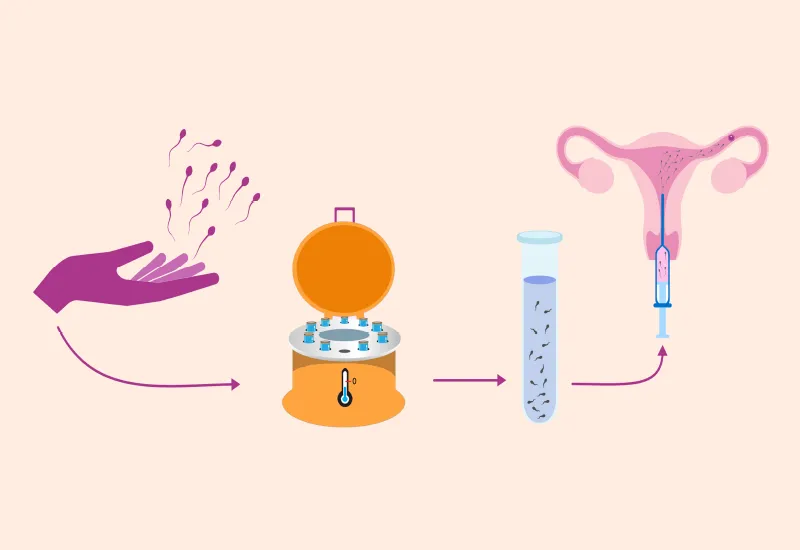
Sperm analysis and semen analysis require a semen sample, which can be collected at home or at a fertility clinic. The sample should be collected through masturbation and should be delivered to the lab within 30 minutes of ejaculation. Most laboratories will provide a private room for sample collection, but in some cases, men may be asked to collect the sample at home and bring it to the lab within an hour.
During the tests, the sample will be examined under a microscope, and the sperm will be evaluated based on their concentration, motility, and morphology (shape and size). The semen will also be checked for its volume, color, and other characteristics. The entire process usually takes about an hour, and the results will be available within a few days.
Interpreting the Results
The normal range for sperm count is typically between 15 million to 200 million per milliliter of semen. A low sperm count, also known as oligospermia, can indicate a problem with either the testicles or the reproductive tract. Poor sperm motility, or the ability of sperm to move properly, can also be a contributing factor to male infertility. Abnormalities in sperm shape and size, known as teratospermia, can also affect fertility.
In semen analysis, the semen is evaluated for its pH levels, viscosity, and the presence of bacteria or white blood cells. An abnormal result in any of these factors may indicate an underlying infection or inflammation in the reproductive system, which can affect sperm health.
Factors That Can Affect the Results
There are several factors that can affect the results of sperm analysis and semen analysis, and it is essential to consider these when interpreting the results. These factors include:
Navigating the Results of Sperm Analysis and Semen Analysis
1. Lifestyle habits: Certain lifestyle habits, such as smoking, excessive alcohol consumption, and drug use, can have a significant impact on sperm health.
2. Medications: Some medications, including certain antibiotics and testosterone replacement therapy, can affect sperm production and quality.
3. Diet and nutrition: A healthy diet and proper nutrition are essential for sperm production and overall reproductive health.
4. Age: As men age, their sperm quality and quantity may decrease, making it harder to conceive.
5. Health conditions: Certain health conditions, such as diabetes, high blood pressure, and sexually transmitted infections, can affect sperm health.
Tips for Preparing for Sperm Analysis and Semen Analysis
To ensure accurate and reliable results, it is essential to prepare for sperm analysis and semen analysis properly. Here are some tips to help you prepare for these tests:
1. Avoid ejaculation for two to five days before the test. This will allow for a more accurate assessment of sperm production.
2. Avoid alcohol, caffeine, and drugs for at least 48 hours before the test, as they can affect sperm quality.
3. Inform your doctor about any medications you are taking, as they may affect the results.
4. Eat a healthy and balanced diet, including foods rich in antioxidants, which can help improve sperm quality.
5. Get enough rest and manage stress levels, as these can also affect sperm production and quality.
In conclusion, sperm analysis and semen analysis are essential tests for evaluating male fertility. By understanding the process and knowing what to expect, as well as considering the various factors that can affect the results, men can navigate these tests with confidence. By following the tips for preparation and maintaining a healthy lifestyle, men can also improve their chances of having a successful outcome from these tests.
Summary:
Sperm analysis and semen analysis are important tests used to evaluate male fertility. These tests provide information about the quality and quantity of sperm in a man’s semen, which can affect his ability to father a child. The process of collecting and evaluating the semen sample is relatively simple, and the results are usually available within a few days. However, several factors can affect the results, including lifestyle habits, medications, and age. By preparing properly and maintaining a healthy lifestyle, men can improve their chances of having a successful outcome from these tests.