Blog Post: Sperm Analysis and Semen Analysis: The Key Factors to Consider
The process of sperm and semen analysis is an essential component of male fertility testing and a crucial step in understanding a couple’s ability to conceive. It involves the examination of sperm and semen samples to evaluate the quantity, quality, and motility of sperm cells. This analysis is a vital diagnostic tool for identifying any underlying issues that may be affecting male fertility. In this blog post, we will discuss the key factors to consider in sperm analysis and semen analysis.
1. Quantity
The quantity of sperm in a semen sample is a crucial factor in fertility. A healthy sperm count is essential for fertilization to take place. Low sperm count, also known as oligospermia, can significantly affect male fertility. The World Health Organization (WHO) has set the normal sperm count to be at least 15 million per milliliter of semen. Anything below this can be considered low and may require further testing and treatment.
2. Quality
Apart from the quantity, the quality of sperm is also a crucial factor in male fertility. The semen analysis evaluates the shape and size of sperm cells. The ideal shape of sperm is an oval head and a long tail, which helps in the sperm’s motility. Abnormalities in sperm morphology can decrease the chances of fertilization. A high percentage of abnormal sperm can indicate underlying issues such as genetic defects or hormonal imbalances.
3. Motility
Motility refers to the sperm’s ability to move and swim towards the egg for fertilization. A semen analysis determines the percentage of sperm that are actively moving. The WHO has set the normal motility rate to be at least 40%. Anything below this can indicate issues with sperm function and may require further testing and treatment. Low sperm motility can be caused by various factors such as infections, hormonal imbalances, or structural abnormalities.
4. Semen Volume
The volume of semen produced during ejaculation is another key factor in sperm analysis. A low semen volume can indicate issues with the seminal vesicles, which are responsible for producing the fluid that nourishes and protects sperm cells. A low volume can also affect sperm motility and make it difficult for the sperm to reach the egg.
5. pH Levels
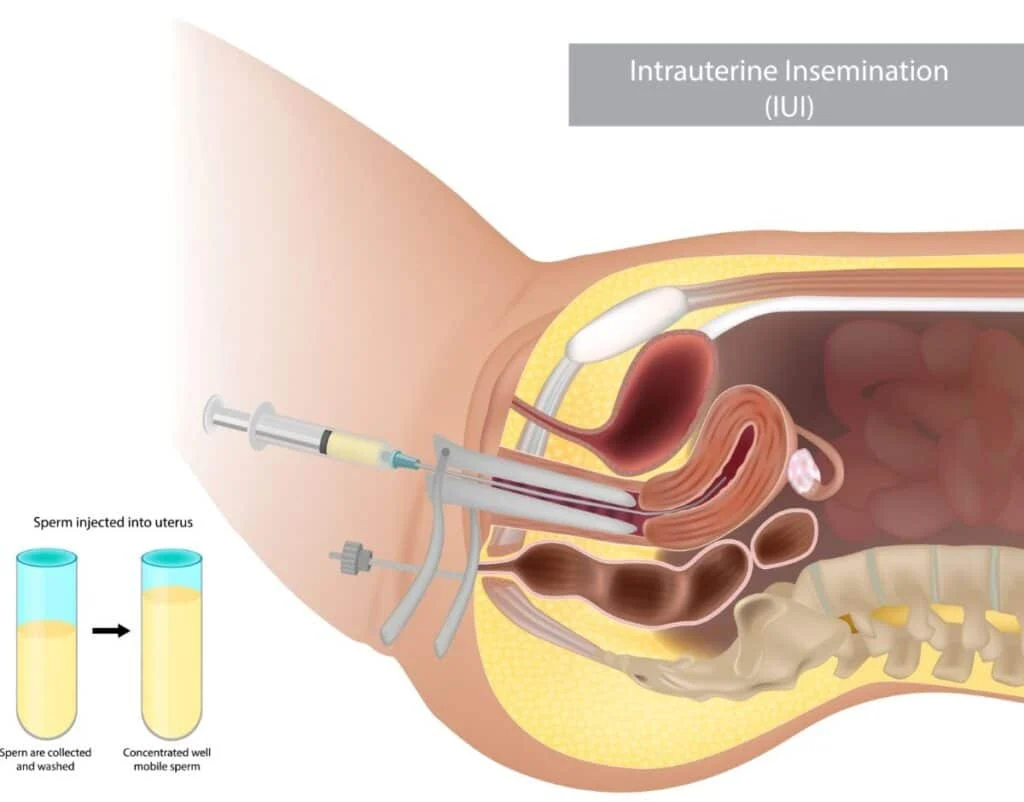
Sperm Analysis and Semen Analysis: The Key Factors to Consider
The pH level of semen can also impact sperm quality and motility. The ideal pH range for semen is between 7.2 to 8.0. A more acidic or alkaline pH can affect sperm function and decrease the chances of fertilization. Various factors such as infections, diet, and lifestyle can contribute to changes in the pH level of semen.
6. White Blood Cells
The presence of white blood cells in semen can indicate an infection or inflammation in the reproductive system. High levels of white blood cells can affect sperm function and decrease fertility. A semen analysis can detect the presence of white blood cells and help identify the underlying cause.
7. Lifestyle Factors
Lifestyle factors such as smoking, alcohol consumption, and drug use can significantly impact sperm quality and quantity. These habits can cause oxidative stress, leading to DNA damage and affecting sperm function. It is essential to maintain a healthy lifestyle to improve overall sperm health.
8. Timing of Sample Collection
The timing of sample collection for sperm and semen analysis is crucial. It is recommended to abstain from ejaculation for at least 2-3 days before providing a sample. This ensures a more accurate representation of sperm health. Additionally, the sample should be collected in a sterile container and delivered to the lab within an hour.
It is important to note that a single semen analysis may not provide a complete picture of male fertility. Further testing and evaluations may be required to identify any underlying issues and develop a treatment plan. It is also essential to consult with a fertility specialist if you and your partner are struggling to conceive.
In conclusion, sperm analysis and semen analysis are critical tools in assessing male fertility. The quantity, quality, motility, semen volume, pH levels, white blood cells, and lifestyle factors are all key factors to consider in these tests. Maintaining a healthy lifestyle, timely sample collection, and seeking professional help when needed can help improve sperm health and increase the chances of conception.
Summary:
Sperm analysis and semen analysis are vital tools in assessing male fertility. Key factors to consider in these tests include quantity, quality, motility, semen volume, pH levels, white blood cells, and lifestyle factors. Maintaining a healthy lifestyle and seeking professional help when needed can help improve sperm health and increase the chances of conception.