Blog Post:
When it comes to fertility and reproductive health, sperm analysis and semen analysis are crucial steps in understanding potential issues and determining the best course of action. These tests involve examining the quality and quantity of sperm in a semen sample, providing valuable information about a man’s fertility potential. In this blog post, we will take a detailed look at the process of sperm and semen analysis, step by step.
Step 1: Collection of the Sample
The first step in the process is collecting a semen sample. This can be done either at home or at a fertility clinic. If collecting at home, it is essential to follow specific guidelines to ensure an accurate and reliable sample. These guidelines may include refraining from ejaculation for 2-5 days before the test, avoiding the use of lubricants, and collecting the sample in a sterile container.
Step 2: Preparation of the Sample
Once the sample is collected, it is time to prepare it for analysis. The semen sample needs to liquefy before testing, which usually takes about 20-30 minutes. During this time, the sample is kept at body temperature to maintain its consistency. If the sample does not liquefy, it may indicate a problem with the prostate gland or other reproductive organs.
Step 3: Macroscopic Examination
The first visual examination of the semen sample is called a macroscopic examination. This step involves noting the color, volume, and viscosity of the sample. A normal semen sample should be white or gray in color, have a volume of 1.5-5 milliliters, and have a fluid consistency. Any abnormalities in these characteristics may be a sign of an underlying issue.
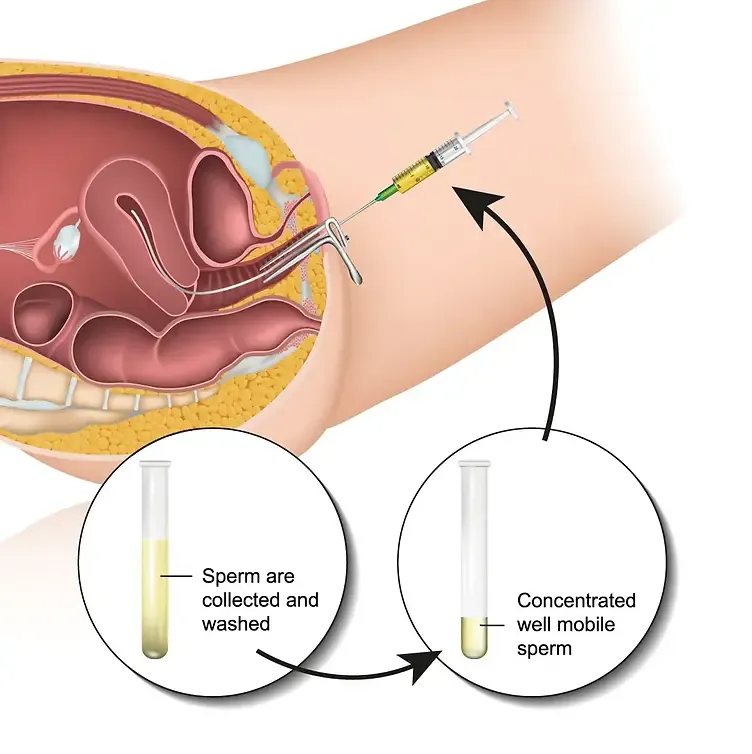
The Process of Sperm Analysis and Semen Analysis: Step by Step
Step 4: Microscopic Examination
The next step is a microscopic examination, where the sample is placed on a slide and examined under a microscope. This step involves looking at the sperm count, motility, and morphology. The sperm count refers to the number of sperm present in the sample. A normal sperm count is 15 million per milliliter or more. Motility, on the other hand, refers to the movement of sperm. At least 40% of the sperm should be motile for a sample to be considered healthy. Lastly, morphology refers to the shape and size of the sperm. Normal sperm should have a typical oval head and a long tail. Any abnormalities in these characteristics may indicate a problem with sperm development or function.
Step 5: Biochemical Tests
In some cases, biochemical tests may be performed on the semen sample to check for the presence of any infections or abnormalities in the seminal fluid. These tests may include checking the pH level, fructose levels, and the presence of white blood cells. An abnormal pH level may indicate an infection or inflammation, while low fructose levels may suggest an issue with the seminal vesicles.
Step 6: Culture and Sensitivity Testing
If there are abnormalities in the biochemical tests or a high number of white blood cells present, a culture and sensitivity test may be performed. This test involves culturing the semen sample to check for the presence of any bacteria or fungi and determining their sensitivity to antibiotics. This step is crucial in identifying and treating any underlying infections that may be affecting sperm quality.
Step 7: Post-Processing
After all the tests are completed, the results are analyzed and compiled into a report. This report will include information on the semen characteristics and any abnormalities or concerns that were identified during the analysis. This report will be discussed with the man and his partner, and further steps or treatments may be recommended based on the results.
In summary, sperm and semen analysis involve a series of steps to collect, prepare, and examine a semen sample. This process provides valuable information about sperm quality and potential fertility issues. If any abnormalities are identified, further testing or treatments may be recommended to address the issue and improve the chances of conception.
SEO Metadata: