Exploring the Various Tests Used in Sperm Analysis and Semen Analysis
Sperm analysis and semen analysis are two important tests used to assess male fertility. These tests provide valuable information about the quality and quantity of sperm in a man’s semen, which is crucial in determining the likelihood of conception. In this blog post, we will explore the various tests used in sperm analysis and semen analysis, their purpose, and the factors that can affect the results.
What is Sperm Analysis?
Sperm analysis, also known as a sperm count test, is a laboratory test that examines sperm cells in a man’s semen. This test is usually the first step in evaluating male fertility. It measures the number, shape, and movement of sperm, as well as the volume and consistency of semen. Sperm analysis can provide important information about a man’s reproductive health and his ability to father a child.
The Process of Sperm Analysis
Sperm analysis is a relatively simple and non-invasive procedure. The man is asked to provide a semen sample by ejaculating into a sterile container. The sample is then taken to a laboratory and analyzed under a microscope. The entire process takes about 1-2 hours, and the results are usually available within a few days.
Semen Analysis
Semen analysis is a more comprehensive test that evaluates the semen as a whole, including the fluid and cellular components. This test measures the volume, pH level, and fructose levels in the semen, as well as the presence of white blood cells and bacteria. Semen analysis can also detect other abnormalities, such as the presence of blood or sperm clumping.
Tests Used in Sperm Analysis and Semen Analysis
1. Sperm Count:
The sperm count test, also known as the sperm concentration test, measures the number of sperm in a man’s semen. A normal sperm count is usually around 15 million sperm per milliliter of semen. A low sperm count can indicate a problem with sperm production or other underlying health issues.
2. Sperm Morphology:
Sperm morphology is the study of the shape and size of sperm. This test evaluates the percentage of sperm with a normal shape and size, as well as the presence of abnormalities, such as double heads or tails. Normal sperm morphology is essential for the sperm to be able to fertilize an egg successfully.
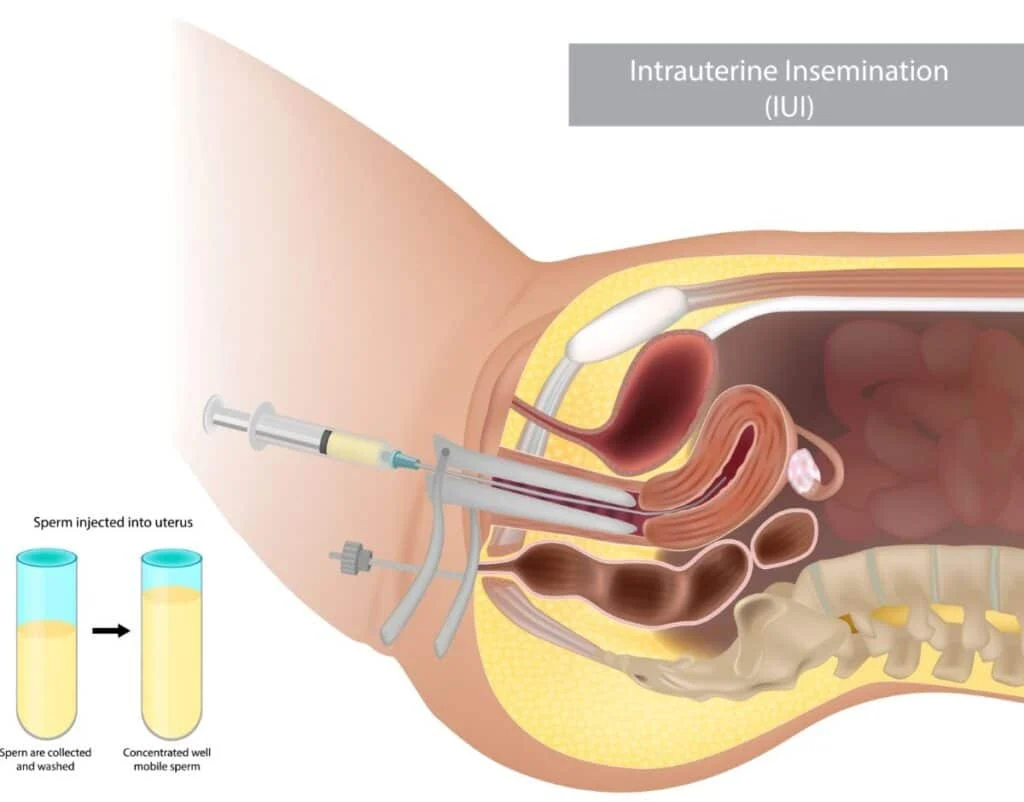
Exploring the Various Tests Used in Sperm Analysis and Semen Analysis
3. Sperm Motility:
Sperm motility refers to the movement of sperm. This test measures the percentage of sperm that are moving and their speed. Sperm with good motility are more likely to reach and fertilize an egg. A low sperm motility can indicate problems with the sperm’s ability to swim.
4. Semen Volume:
Semen volume is the amount of fluid that is ejaculated. A low semen volume can indicate a problem with the seminal vesicles, which produce and store the majority of semen. A low volume can also affect sperm transport and decrease the chances of fertilization.
5. Semen pH:
Semen pH is the measure of acidity or alkalinity in the semen. A normal pH level is between 7.2 and 8.0. A high or low pH level can affect sperm motility and survival.
Factors that can Affect the Results of Sperm Analysis and Semen Analysis
Several factors can influence the results of sperm analysis and semen analysis, including:
1. Lifestyle Choices:
Smoking, excessive alcohol consumption, and drug use can all affect sperm quality and quantity. It is essential to maintain a healthy lifestyle to ensure optimal sperm health.
2. Age:
As men age, the quality and quantity of their sperm can decline. This decline usually starts around the age of 40 and can affect fertility.
3. Medications:
Certain medications can have a negative impact on sperm production and motility. It is essential to consult with a doctor before taking any medication if you are trying to conceive.
4. Health Conditions:
Underlying health conditions, such as infections, hormonal imbalances, and genetic disorders, can affect sperm health and fertility.
In conclusion, sperm analysis and semen analysis are crucial tests used to assess male fertility. These tests provide valuable information about sperm quality and quantity, which can affect the chances of conception. By understanding the various tests used in sperm analysis and semen analysis and the factors that can affect their results, individuals can take the necessary steps to improve their reproductive health and increase their chances of starting a family.
Summary:
Sperm analysis and semen analysis are important tests used to assess male fertility. Sperm analysis measures the number, shape, and movement of sperm, while semen analysis evaluates the semen’s overall quality. Tests used in these analyses include sperm count, morphology, motility, semen volume, and pH level. Factors that can affect the results include lifestyle choices, age, medications, and health conditions. Understanding these tests and their results can help individuals take necessary steps to improve their reproductive health.