Blog Post:
When it comes to fertility and reproductive health, one of the key factors is sperm quality. A man’s sperm count, motility, and morphology can greatly affect his ability to impregnate a partner. That’s why sperm analysis and semen analysis are important tools in assessing male fertility. In this blog post, we’ll take a closer look at sperm analysis and semen analysis, and what to expect during these tests.
Sperm Analysis:
Sperm analysis, also known as a sperm count or spermogram, is a test that measures the quantity and quality of a man’s sperm. This test is typically performed when a couple is having difficulty conceiving or when there are concerns about a man’s fertility. It can also be done as part of a routine check-up for men who are planning to start a family.
The first step in a sperm analysis is to collect a semen sample. This can be done either at the doctor’s office or at home, as long as the sample is brought to the lab within 30 minutes. The sample is then examined under a microscope to determine the number of sperm present, their shape (morphology), and their ability to move (motility).
Sperm Count:
The most basic measure of sperm quality is the sperm count, which is the number of sperm in a given sample. A normal sperm count is considered to be at least 15 million sperm per milliliter (ml) of semen. Anything below this number may indicate a problem with fertility. A low sperm count can be caused by a variety of factors such as hormonal imbalances, genetic disorders, or lifestyle habits like smoking and excessive alcohol consumption.
Sperm Morphology:
In addition to the quantity of sperm, their shape or morphology is also important for fertility. Sperm with abnormal shapes may have difficulty fertilizing an egg. A normal sperm should have an oval head and a long tail, allowing it to swim towards the egg. Any defects in these structures can greatly affect its ability to reach and fertilize an egg. A normal sperm sample should have at least 4% of sperm with normal morphology.
Sperm Motility:
The third factor that is assessed in a sperm analysis is the motility of sperm. This refers to the ability of sperm to swim and move towards the egg. A sperm’s motility is crucial in its journey towards fertilization, and a low motility can hinder its ability to reach the egg. A normal sperm sample should have at least 40% of sperm with good motility.
Semen Analysis:
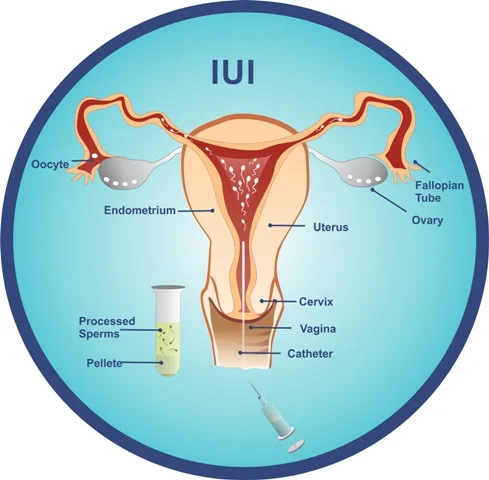
A Closer Look at Sperm Analysis and Semen Analysis: What to Expect
Semen analysis is a more comprehensive test that includes the sperm analysis as well as an evaluation of other components of semen. This test also looks at the volume of semen, the pH level, and the presence of any infections or abnormalities.
Semen Volume:
Semen volume is the amount of liquid that is ejaculated during orgasm. A normal semen volume is considered to be at least 1.5 ml. A low semen volume may indicate a problem with the prostate gland or a blockage in the reproductive tract.
Semen pH:
The pH level of semen is a measure of its acidity or alkalinity. A normal pH level falls between 7.2 and 7.8. Abnormal pH levels may indicate an infection or other underlying health issues.
Semen Analysis and Male Fertility:
Sperm analysis and semen analysis are important tools in assessing male fertility, but they do not always tell the whole story. A man may have a normal sperm count, morphology, and motility, but still have difficulty conceiving due to other factors such as erectile dysfunction or hormonal imbalances.
If a man’s sperm analysis or semen analysis results are abnormal, further testing may be needed to identify the underlying cause and determine the best course of treatment. This may include a physical exam, blood tests, or imaging studies.
In some cases, making lifestyle changes such as quitting smoking, reducing alcohol consumption, and maintaining a healthy weight can improve sperm quality and increase the chances of conception.
Conclusion:
Sperm analysis and semen analysis are important tests in assessing male fertility. They provide valuable information about sperm count, morphology, and motility, which are all crucial factors in fertility. If you and your partner are having difficulty conceiving, it may be worth considering getting a sperm analysis or semen analysis to assess your reproductive health. Remember, these tests are just one piece of the puzzle and further testing may be needed to determine the cause of any abnormal results.
Summary:
Sperm analysis and semen analysis are important tests in assessing male fertility. Sperm analysis measures the quantity and quality of sperm, while semen analysis evaluates other components such as volume, pH level, and the presence of infections. These tests are typically performed when a couple is having difficulty conceiving or as part of a routine check-up. Abnormal results may indicate underlying health issues, and further testing may be needed to determine the cause. Making lifestyle changes such as quitting smoking and reducing alcohol consumption can improve sperm quality and increase the chances of conception.