Tag: Insemination

  • DIY Insemination and the Importance of Informed Consent

    DIY Insemination and the Importance of Informed Consent: A Guide for Individuals and Couples

    In today’s world, there are many different ways to start a family. With advancements in reproductive technology and a growing acceptance of non-traditional families, more and more people are exploring alternative methods of conceiving. One such method is DIY insemination, or at-home insemination, which involves using donor sperm to fertilize an egg without the help of a medical professional. While this may seem like a simple and affordable option for those looking to conceive, it is important to understand the process and the importance of informed consent before embarking on this journey.

    What is DIY Insemination?

    DIY insemination is the process of using donor sperm to fertilize an egg at home, without the assistance of a medical professional. It can involve a variety of methods, such as using a syringe or a menstrual cup to insert the sperm into the vagina, or using a home insemination kit. This process is often chosen by individuals and couples who are unable to conceive through traditional methods, such as heterosexual couples with male infertility issues, single individuals, or same-sex couples.

    The DIY insemination process may seem simple enough, but it is important to note that it is not a guaranteed method of conception. It requires careful planning and timing, as well as understanding the risks and potential complications involved. It is also crucial to have a thorough understanding of informed consent before proceeding with this method.

    Understanding Informed Consent

    Informed consent is the process of fully understanding and agreeing to a medical procedure or treatment. It involves being informed of all potential risks and benefits, as well as alternative options, so that an individual can make an educated decision about their own healthcare. In the case of DIY insemination, informed consent is necessary for both the donor and the recipient.

    For the donor, it is important to fully understand the legal and emotional implications of donating sperm. They must also be aware of any potential risks or health concerns that may come with the process. For the recipient, it is important to understand the potential risks and success rates of DIY insemination, as well as any legal and emotional implications for both themselves and the donor.

    The Importance of Informed Consent in DIY Insemination
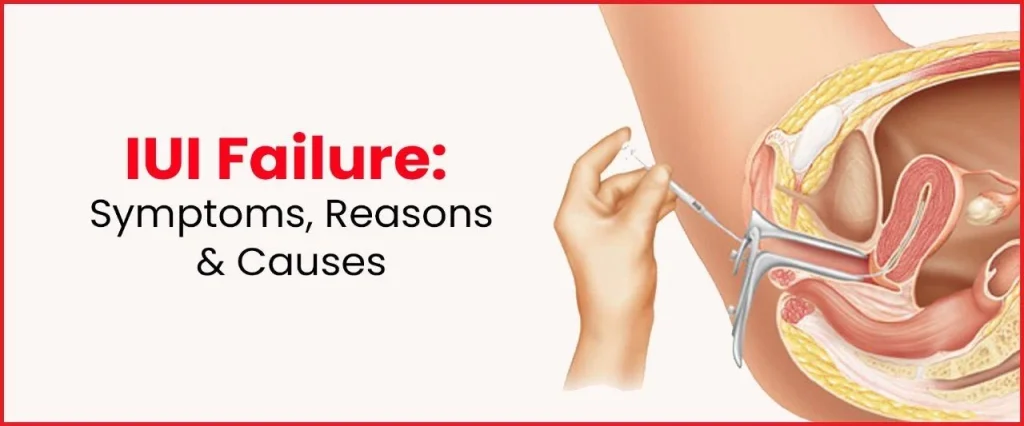
    illustration of IUI procedure with text on symptoms, reasons, and causes of IUI failure

    DIY Insemination and the Importance of Informed Consent

    Informed consent is essential in any medical procedure, and DIY insemination is no exception. Without informed consent, individuals and couples may be putting themselves and their potential child at risk. The lack of medical supervision and proper screening of the donor can lead to potential health issues for the recipient and the child, such as sexually transmitted infections or genetic disorders.

    In addition, the lack of legal documentation and agreements between the donor and the recipient can lead to complicated legal battles in the future. It is important for both parties to have a clear understanding of their rights and responsibilities before proceeding with DIY insemination.

    The Risks and Limitations of DIY Insemination

    While DIY insemination may seem like a convenient and affordable option, it is important to be aware of the potential risks and limitations involved. One of the biggest risks is the lack of medical supervision, which can lead to improper handling of the sperm and potential health complications. In addition, DIY insemination does not offer the same success rates as traditional medical insemination methods, such as intrauterine insemination (IUI) or in vitro fertilization (IVF).

    DIY insemination also has limitations when it comes to genetic screening and selection of the donor. Without proper medical supervision, there is a higher risk of using sperm from a donor with genetic disorders or diseases, which can be passed on to the child.

    The Importance of Seeking Professional Help

    While DIY insemination may seem like a tempting option, it is important to seek professional help before proceeding with this method. A reproductive specialist can provide guidance and support throughout the process, as well as ensure that all necessary health screenings and legal agreements are in place.

    In addition, seeking professional help can also increase the chances of successful conception. A reproductive specialist can offer more advanced and effective techniques, such as IUI or IVF, which have higher success rates than DIY insemination.

    DIY insemination may seem like an easy and affordable option, but it is crucial to consider the importance of informed consent and seek professional help before proceeding. It is essential to fully understand the risks and limitations involved and make an informed decision about your reproductive health.

    In summary, DIY insemination is a method of conceiving that involves using donor sperm at home without the assistance of a medical professional. However, it is important to understand the process and the importance of informed consent before embarking on this journey. Informed consent involves understanding all potential risks and benefits, as well as legal and emotional implications for both the donor and the recipient. Seeking professional help and guidance is crucial to ensure the safety and success of the process. DIY insemination may seem like a simple option, but it is important to carefully consider all factors before proceeding.
  • The Role of Nutrition in Preparing for Insemination

    Blog Post: The Role of Nutrition in Preparing for Insemination

    Insemination is a process where sperm is artificially introduced into a female’s reproductive tract in order to fertilize an egg. This method is commonly used in fertility treatments, but it can also be used for those who are trying to conceive naturally. While there are various factors that can affect the success of insemination, one crucial aspect that should not be overlooked is nutrition.

    Nutrition plays a significant role in preparing for insemination, as it can impact the overall health and fertility of both partners. In this blog post, we will discuss the importance of proper nutrition in preparing for insemination and provide tips on how to optimize your diet for this reproductive procedure.

    How Nutrition Affects Fertility

    Nutrition has a direct impact on fertility as it affects the reproductive hormones and the overall health of the reproductive organs. A well-balanced diet that provides essential nutrients can improve the quality of sperm and eggs, making it easier for fertilization to occur. On the other hand, a poor diet lacking in essential nutrients can lead to hormonal imbalances, nutrient deficiencies, and other health issues that can hinder the chances of conception.

    Important Nutrients for Preparing for Insemination

    1. Folic Acid

    Folic acid, also known as folate, is a vital nutrient for both men and women when preparing for insemination. This B vitamin is crucial for the development of a healthy placenta and fetus, reducing the risk of birth defects. It is recommended for women to consume 400-800 micrograms of folic acid daily, at least three months before attempting to conceive.

    2. Iron

    Iron is essential for the production of healthy red blood cells, which are responsible for carrying oxygen to all the cells in the body. Iron deficiency can lead to anemia, which can cause irregular ovulation and menstrual cycles, making it difficult to conceive. It is recommended for women to consume 18 milligrams of iron daily, while men should aim for 8 milligrams.

    3. Omega-3 Fatty Acids

    Omega-3 fatty acids, particularly DHA and EPA, are crucial for both male and female fertility. These essential fatty acids play a role in regulating hormones, improving egg quality, and sperm health. Sources of omega-3 fatty acids include fatty fish, flaxseeds, and chia seeds.

    4. Zinc

    Zinc is an essential mineral that plays a critical role in reproductive health. In men, zinc is necessary for sperm production and motility, while in women, it is necessary for the development and release of healthy eggs. It is recommended for men to consume 11 milligrams of zinc daily, while women should aim for 8 milligrams.

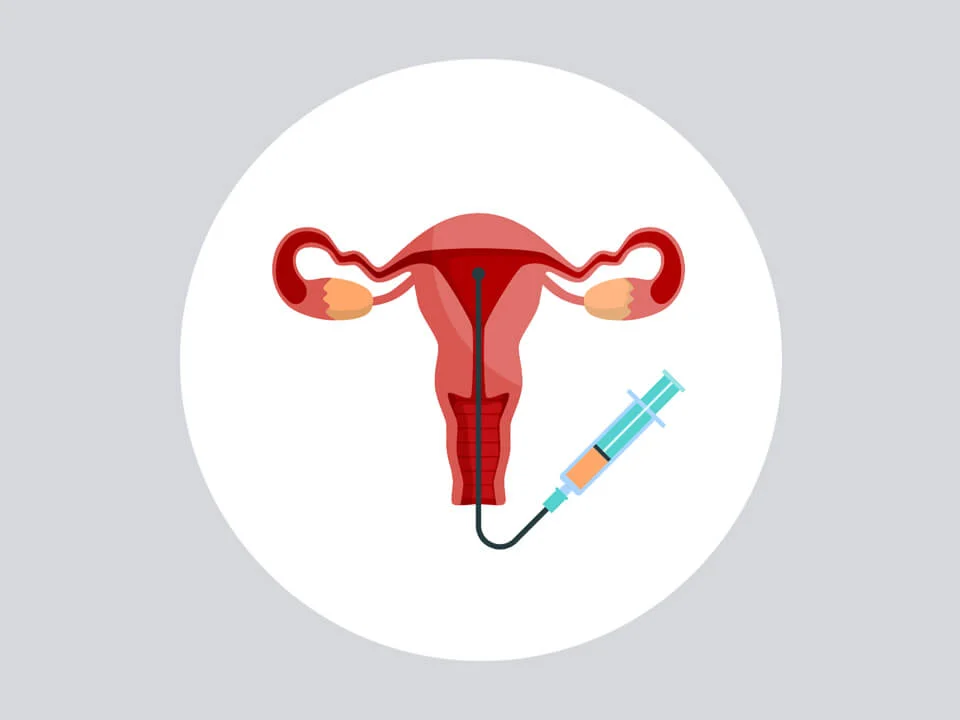
    Illustration of a uterus with a syringe, representing intrauterine insemination (IUI) procedure.

    The Role of Nutrition in Preparing for Insemination

    5. Antioxidants

    Antioxidants such as vitamins C and E, beta-carotene, and selenium are crucial for fertility as they protect the reproductive cells from damage caused by free radicals. These harmful molecules can damage sperm and eggs, leading to infertility. Consuming a diet rich in fruits, vegetables, nuts, and seeds can provide a good amount of antioxidants to help improve fertility.

    Tips for Optimizing Nutrition for Insemination

    1. Eat a Well-Balanced Diet

    A well-balanced diet that includes a variety of whole foods, such as fruits, vegetables, whole grains, lean protein, and healthy fats, is essential for preparing for insemination. Eating a variety of foods ensures that you are getting all the necessary nutrients for optimal fertility.

    2. Avoid Processed and Junk Foods

    Processed and junk foods are high in unhealthy fats, sugar, and calories, which can negatively impact fertility. These foods can also lead to weight gain, which can interfere with hormone levels and ovulation.

    3. Stay Hydrated

    Drinking plenty of water is essential for overall health and fertility. It helps to keep the body hydrated and ensures the proper functioning of all organs, including the reproductive organs.

    4. Consider Supplements

    Sometimes, it can be challenging to get all the necessary nutrients from food alone. In this case, it may be beneficial to consider taking supplements, especially those that are specifically formulated for fertility.

    5. Consult with a Registered Dietitian

    Consulting with a registered dietitian can be helpful in creating a personalized nutrition plan for preparing for insemination. They can assess your current diet and make recommendations for any necessary dietary changes.

    Summary:

    Proper nutrition plays a crucial role in preparing for insemination. A well-balanced diet that provides essential nutrients such as folic acid, iron, omega-3 fatty acids, zinc, and antioxidants can improve fertility and increase the chances of successful conception. It is essential to eat a variety of whole foods, stay hydrated, and consult with a registered dietitian for personalized recommendations. Avoiding processed and junk foods is also crucial for optimizing nutrition for insemination.

  • The Influence of Age on Insemination Choices

    Blog Post:

    When it comes to starting a family, there are various options available to couples and individuals. One of the most common methods is through insemination, which involves the introduction of sperm into the reproductive tract to fertilize an egg. However, the decision to undergo insemination is influenced by various factors, including age.

    In this blog post, we will explore the influence of age on insemination choices. We will discuss the potential risks and benefits of insemination at different stages of life and how age impacts the success rates of insemination.

    Factors Influencing Insemination Choices:

    Before delving into the impact of age on insemination decisions, it is essential to understand the various factors that influence the decision-making process. These factors include personal preferences, medical history, financial considerations, and societal norms.

    Personal preferences play a significant role in the decision to undergo insemination. Some individuals may prefer traditional methods of conception, while others may opt for insemination due to personal or religious beliefs. Additionally, medical history can also play a role in insemination choices. For instance, individuals with fertility issues may opt for insemination as a means to overcome their difficulties in conceiving.

    Financial considerations are also a significant factor in insemination choices. Insemination can be a costly process, and not all individuals or couples may have the financial means to undergo the procedure. As a result, age may also play a role in the decision, as individuals may choose to wait until they are financially stable to undergo insemination.

    Lastly, societal norms and pressures can also impact insemination choices. In some cultures, there is a stigma attached to alternative methods of conception, such as insemination. This can influence individuals’ and couples’ decisions to undergo the procedure, especially as they age and feel societal pressures to start a family.

    The Influence of Age on Insemination Choices:

    Age is a crucial factor in the decision-making process for insemination. As individuals age, their reproductive systems also age, which can impact the success of insemination. Additionally, societal expectations and personal preferences can also influence insemination choices at different stages of life.

    Insemination in Early Adulthood:

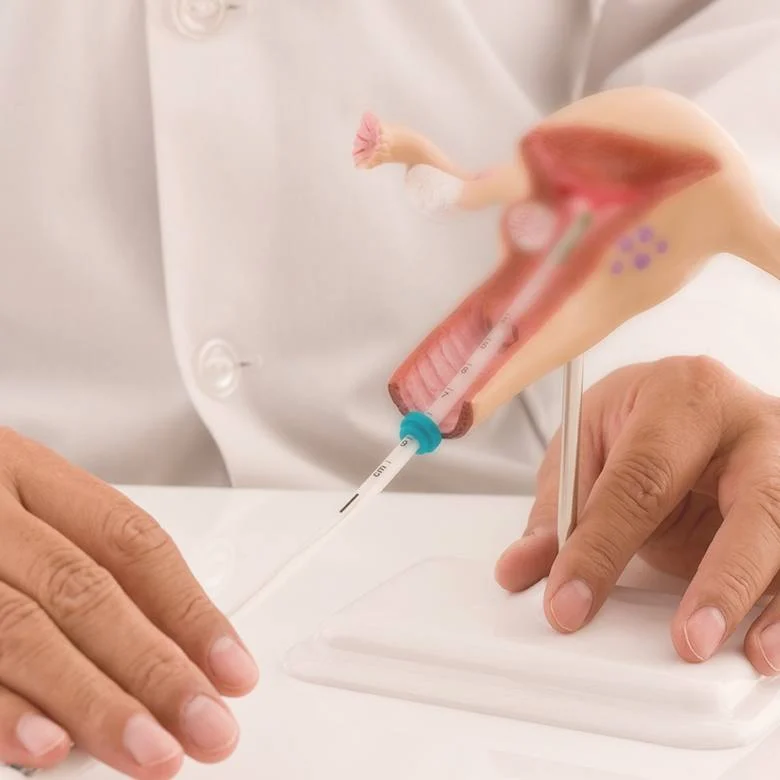
    model of the female reproductive system with a hand demonstrating intrauterine insemination technique

    The Influence of Age on Insemination Choices

    In early adulthood, individuals are generally at their peak fertility. As a result, many couples and individuals may not consider insemination as an option for starting a family. However, personal preferences and societal pressures may lead some individuals to opt for insemination at this stage.

    One of the main benefits of insemination in early adulthood is the high success rates. With young and healthy reproductive systems, individuals have a higher chance of conceiving through insemination. Additionally, the chances of genetic abnormalities or other complications are lower at this stage.

    However, there are also potential risks associated with insemination in early adulthood. One of the main risks is the emotional and financial readiness of individuals to start a family. Insemination can be a costly and emotionally taxing process, and individuals in early adulthood may not be ready to take on such responsibilities.

    Insemination in Midlife:

    As individuals enter their midlife, their fertility begins to decline. This can lead to difficulties in conceiving through traditional methods, prompting individuals to consider insemination. At this stage, personal preferences, medical history, and financial considerations may play a more significant role in the decision to undergo insemination.

    Insemination in midlife can be a viable option for individuals who have not been able to conceive through traditional methods. However, the success rates may not be as high as in early adulthood. Additionally, there may be a higher risk of complications, such as genetic abnormalities or other medical issues, due to the age of the individual.

    Insemination in Later Life:

    Insemination choices in later life are rare, but they do occur. As individuals reach their late 40s and early 50s, their fertility declines significantly. At this stage, individuals may opt for insemination as a means to start a family. However, the risks and potential complications associated with insemination increase significantly at this stage.

    One of the major risks of insemination in later life is the increased chance of miscarriage or birth defects. With aging reproductive systems, the quality of eggs and sperm may be compromised, leading to these risks. Additionally, the emotional and financial readiness of individuals may also be a concern at this stage.

    Summary:

    Insemination is a popular method for starting a family, but the decision to undergo the procedure is influenced by various factors, including age. In early adulthood, individuals may opt for insemination due to personal preferences or societal pressures, with high success rates, but potential risks of emotional and financial readiness. In midlife, individuals may consider insemination due to declining fertility, with lower success rates and potential complications. In later life, insemination may be a last resort, with increased risks of miscarriage and birth defects. Ultimately, age plays a significant role in insemination choices and should be carefully considered before making a decision.

  • The Impact of Stress on Insemination Outcomes

    Blog Post:

    Insemination, also known as artificial insemination, is a widely used fertility treatment method for couples struggling with conception. It involves the placement of sperm directly into a woman’s reproductive tract, increasing the chances of fertilization. However, like any medical procedure, there are certain factors that can impact the success of insemination. One of these factors is stress.

    Stress is a common occurrence in our daily lives, and it can have a significant impact on our physical and mental well-being. It is a natural response to challenging or threatening situations, and it can manifest in various forms, including emotional, physical, and behavioral symptoms. While stress is a normal part of life, chronic or prolonged stress can have adverse effects on our health, including our reproductive system.

    When it comes to insemination, stress can have a significant impact on the overall outcome. Let’s take a closer look at how stress can affect the success of insemination and what steps can be taken to manage it.

    The Link Between Stress and Fertility:

    Before delving into the impact of stress on insemination outcomes, it’s essential to understand the link between stress and fertility. Studies have shown that stress can affect both male and female fertility. Chronic stress can lead to hormonal imbalances, which can disrupt ovulation, sperm production, and the overall reproductive process.

    For women, stress can cause irregular menstrual cycles, making it challenging to predict ovulation accurately. It can also affect the quality of eggs and cause implantation issues. In men, stress can lead to a decrease in sperm count, motility, and morphology, reducing the chances of successful fertilization.

    The Impact of Stress on Insemination Outcomes:

    When undergoing insemination, stress can have a direct impact on the success of the procedure. Firstly, stress can affect a woman’s ability to ovulate, making it difficult to time the insemination correctly. Ovulation is a crucial factor in insemination, and if it is disrupted due to stress, it can decrease the chances of fertilization.

    Moreover, stress can also affect the quality of sperm used in insemination. As mentioned earlier, chronic stress can lead to hormonal imbalances in men, resulting in a decline in sperm quality. This can ultimately reduce the chances of successful fertilization and pregnancy.

    Stress can also have an indirect impact on insemination outcomes. For couples undergoing fertility treatments, the process can be emotionally and physically taxing. The pressure to conceive and the constant cycle of hope and disappointment can cause significant stress. This stress can lead to decreased sexual desire and performance, affecting the timing of insemination and reducing the chances of success.

    Managing Stress during Insemination:

    Given the significant impact of stress on insemination outcomes, it is crucial to manage it effectively. Here are some tips to help you cope with stress during insemination:

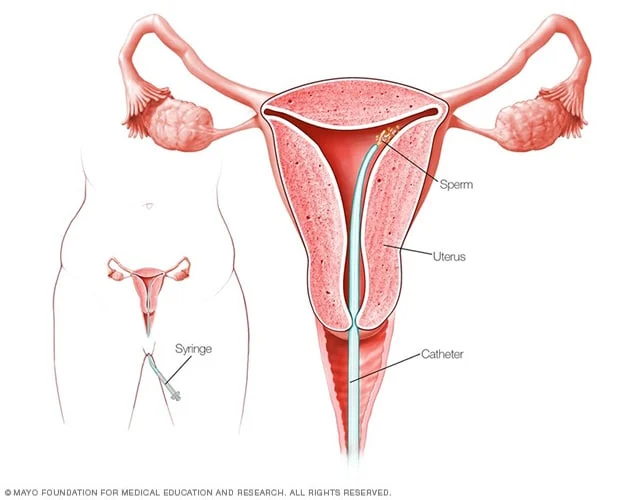
    diagram illustrating intrauterine insemination (IUI) procedure with uterus, sperm, and catheter labeled

    The Impact of Stress on Insemination Outcomes

    1. Communicate with your Partner:

    Going through fertility treatments can be a challenging and emotional experience for both partners. It’s essential to communicate openly and support each other during this process. Share your feelings and fears with your partner, and work together to find ways to manage stress.

    2. Seek Support:

    Don’t hesitate to seek support from family, friends, or a therapist during this process. Talking to someone can help alleviate stress and provide a much-needed outlet for your emotions.

    3. Practice Relaxation Techniques:

    Incorporate relaxation techniques such as deep breathing, meditation, or yoga into your daily routine. These techniques can help reduce stress levels and promote a sense of calm and well-being.

    4. Take Care of Your Physical Health:

    Stress can take a toll on our physical health, making it essential to take care of our bodies during insemination. Eat a healthy, balanced diet, exercise regularly, and get enough sleep to help manage stress levels.

    5. Consider Mind-Body Therapies:

    Mind-body therapies such as acupuncture, hypnotherapy, and cognitive-behavioral therapy have shown promising results in reducing stress and improving fertility outcomes. Consider incorporating these therapies into your treatment plan.

    Conclusion:

    Stress can have a significant impact on insemination outcomes, making it crucial to manage it effectively. By understanding the link between stress and fertility and implementing strategies to cope with stress, couples can improve their chances of success with insemination. Remember to communicate openly with your partner, seek support, and take care of your physical and emotional well-being during this process.

    Summary:

    Stress can have a significant impact on the success of insemination, a fertility treatment method used by couples struggling with conception. It can affect ovulation, sperm quality, and sexual performance, leading to lower chances of successful fertilization. To improve insemination outcomes, it’s essential to manage stress effectively by communicating with your partner, seeking support, practicing relaxation techniques, taking care of your physical health, and considering mind-body therapies.

  • The Science of Sperm: Understanding Male Fertility in Insemination

    Blog Post:

    When it comes to the process of insemination, one of the key factors for success is the quality and quantity of sperm. Sperm, also known as spermatozoa, are the male reproductive cells that are responsible for fertilizing the female egg. Understanding the science behind sperm is crucial for couples who are trying to conceive through insemination. In this blog post, we will delve into the science of sperm and how it affects male fertility in insemination.

    Sperm Production and Development

    Sperm production begins during puberty and continues throughout a man’s life. The process of sperm development, also known as spermatogenesis, takes place in the testes. The testes contain seminiferous tubules, which are responsible for producing sperm cells. These tubules are lined with special cells called Sertoli cells, which provide nourishment and support to the developing sperm cells.

    The production of mature sperm cells takes around 64 days. Sperm cells go through several stages of development before they are fully matured and ready for fertilization. The first stage is the production of spermatogonia, which are the precursor cells of sperm. These cells then go through the process of mitosis, where they divide and produce primary spermatocytes. These primary spermatocytes then go through meiosis, which is a specialized form of cell division that results in the production of four haploid cells. These haploid cells are then transformed into spermatids, which are the immature sperm cells. Finally, the spermatids undergo a process called spermiogenesis, where they develop into mature sperm cells.

    Sperm Structure and Function

    A mature sperm cell is a tiny, sleek structure with a head and a tail. The head contains genetic material, including DNA, and is covered by a cap-like structure called the acrosome. The acrosome contains enzymes that help the sperm penetrate the egg during fertilization. The tail, also known as the flagellum, is responsible for the sperm’s movement. It propels the sperm forward, allowing it to swim towards the egg.

    The main function of sperm is to fertilize the female egg. However, sperm also plays a crucial role in the process of insemination. Insemination is the introduction of sperm into the female reproductive tract in hopes of fertilizing an egg. In this process, sperm must travel through the female reproductive tract and reach the fallopian tubes, where fertilization takes place.

    Factors Affecting Sperm Quality and Quantity

    Several factors can affect the quality and quantity of sperm, which in turn, can impact male fertility in insemination. Some of the most common factors include:

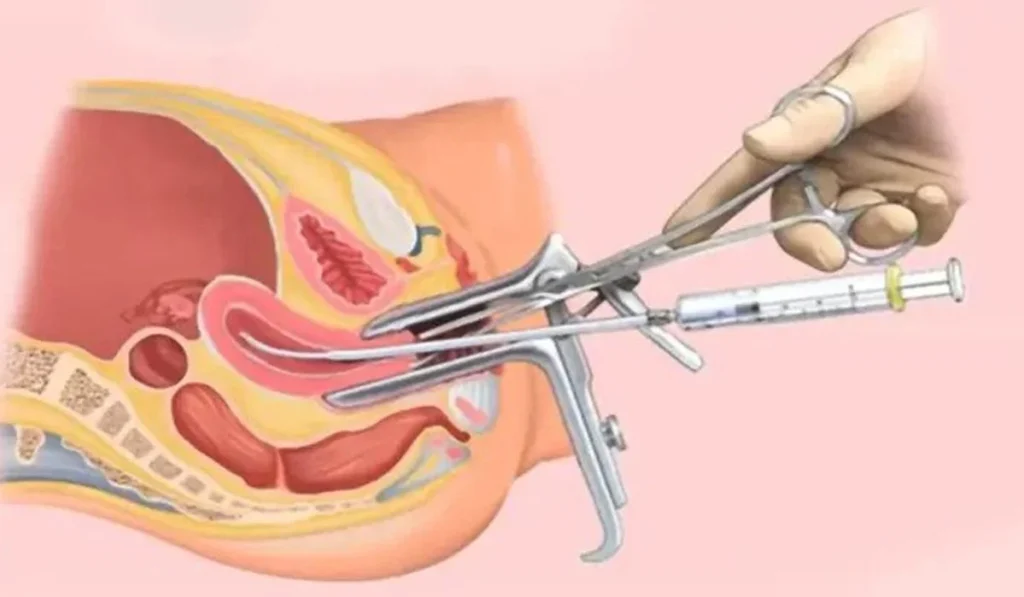
    illustration of an intrauterine insemination procedure with medical instruments and anatomical details

    The Science of Sperm: Understanding Male Fertility in Insemination

    1. Age: As men get older, their sperm quality and quantity may decrease. This is because the process of spermatogenesis becomes less efficient with age.

    2. Lifestyle habits: Certain lifestyle habits like smoking, excessive alcohol consumption, and drug use can have a negative impact on sperm quality and quantity.

    3. Health conditions: Health conditions like diabetes, high blood pressure, and sexually transmitted infections can affect sperm production and function.

    4. Hormonal imbalances: Hormonal imbalances can disrupt the process of spermatogenesis and affect sperm production.

    5. Environmental factors: Exposure to environmental toxins, such as pesticides, radiation, and chemicals, can damage sperm cells and affect male fertility.

    Importance of Sperm Analysis in Insemination

    Before undergoing any insemination procedure, it is crucial for men to have their sperm analyzed. A sperm analysis, also known as a semen analysis, is a test that evaluates the quantity and quality of sperm in a man’s semen. This test can help identify any potential issues with sperm production or function that may affect fertility. It can also determine the best course of action for couples trying to conceive through insemination.

    During a sperm analysis, a sample of semen is collected and examined under a microscope. The sample is evaluated for several factors, including sperm count, motility (movement), and morphology (shape and size). A sperm analysis can also detect any abnormalities in sperm, such as a low sperm count or abnormal shape, which may indicate underlying health issues.

    Conclusion

    Understanding the science of sperm is crucial for couples trying to conceive through insemination. Sperm production, structure, and function play a vital role in male fertility and the success of insemination procedures. Factors such as age, lifestyle habits, health conditions, hormonal imbalances, and environmental toxins can affect sperm quality and quantity. Therefore, it is important for men to have their sperm analyzed before undergoing any insemination procedures.

    In summary, the science of sperm is complex and fascinating. Sperm production and development, structure and function, and factors affecting sperm quality and quantity all play a crucial role in male fertility and the process of insemination. Couples who are trying to conceive through insemination should be aware of these factors and ensure that they have a thorough understanding of the science of sperm to increase their chances of success.

  • The Role of Self-Care in Insemination

    Blog Post:

    Insemination, also known as artificial insemination, is a method of assisted reproduction that involves placing sperm into a woman’s reproductive tract in order to achieve pregnancy. While it may seem like a simple and straightforward process, the journey towards insemination can be physically and emotionally taxing. This is where the role of self-care comes in.

    Self-care refers to the intentional actions that an individual takes to maintain their physical, mental, and emotional well-being. In the context of insemination, self-care is crucial for both the person undergoing the procedure and their partner, if applicable. In this blog post, we will explore the importance of self-care in insemination and how it can make the process smoother and more successful.

    1. Reducing Stress and Anxiety

    The process of insemination can be stressful and anxiety-inducing. From the initial consultations with medical professionals to the actual procedure itself, there are many factors that can contribute to feelings of stress and anxiety. This is where self-care practices such as meditation, yoga, and deep breathing exercises can be helpful. These activities can help calm the mind and body, alleviate stress and anxiety, and promote relaxation.

    2. Maintaining a Healthy Lifestyle

    Self-care also involves taking care of one’s physical health. This is especially important for those undergoing insemination as being in good physical health can increase the chances of a successful pregnancy. Maintaining a healthy diet, getting regular exercise, and avoiding harmful substances like alcohol and tobacco can all contribute to a healthier body and increase the chances of a successful insemination.

    3. Addressing Emotions and Feelings

    Insemination can be an emotional rollercoaster for individuals and couples. It is important to acknowledge and address these emotions and feelings in a healthy way. This can involve seeking therapy or counseling, talking to a trusted friend or family member, or joining a support group for individuals going through similar experiences. Taking the time to process and express these emotions can help individuals and couples cope with the ups and downs of the insemination process.

    4. Taking Breaks and Practicing Self-Compassion

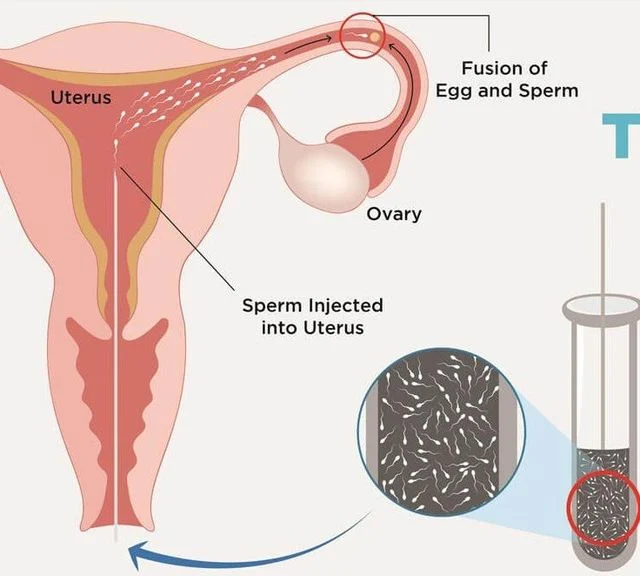
    Diagram illustrating the IUI process, showing sperm injection into the uterus and egg fertilization.

    The Role of Self-Care in Insemination

    The journey towards insemination can be all-consuming, and it is important to take breaks and practice self-compassion. This can involve taking time off work, going on a vacation, or engaging in activities that bring joy and relaxation. It is also important to be kind to oneself and practice self-compassion, as the process can be physically and emotionally demanding.

    5. Seeking Support from Loved Ones

    In addition to taking care of oneself, it is also important to seek support from loved ones. This can include partners, family members, and friends. Having a supportive network can make a world of difference during the insemination process. Loved ones can provide emotional support, help with practical tasks, and be a source of comfort during difficult times.

    6. Managing Expectations

    Self-care also involves managing expectations. It is important to understand that the insemination process may not always go as planned, and there may be setbacks and challenges along the way. Managing expectations can help individuals and couples prepare for potential outcomes and cope with disappointments. It is also important to remember that everyone’s journey towards insemination is unique and not to compare oneself to others.

    7. Prioritizing Mental and Emotional Well-being

    Insemination can be physically and emotionally taxing, and it is important to prioritize mental and emotional well-being throughout the process. This can involve seeking therapy or counseling, practicing mindfulness and self-care activities, and taking breaks when needed. Prioritizing mental and emotional well-being can help individuals and couples stay resilient and cope with any challenges that may arise during the insemination process.

    In conclusion, the role of self-care in insemination is crucial for the well-being of individuals and couples going through the process. By reducing stress and anxiety, maintaining a healthy lifestyle, addressing emotions and feelings, taking breaks, seeking support, managing expectations, and prioritizing mental and emotional well-being, individuals and couples can navigate the insemination journey with more ease and increase the chances of a successful pregnancy.

    Summary:

    Insemination, or artificial insemination, is a method of assisted reproduction that can be physically and emotionally taxing. Self-care, which refers to intentional actions taken to maintain well-being, plays a crucial role in the insemination process. By reducing stress and anxiety, maintaining a healthy lifestyle, addressing emotions and feelings, taking breaks, seeking support, managing expectations, and prioritizing mental and emotional well-being, individuals and couples can navigate the journey towards insemination with more ease and increase the chances of a successful pregnancy.

  • The Influence of Culture and Religion on Insemination Choices

    Culture and religion are two powerful forces that shape our beliefs, values, and actions. They influence every aspect of our lives, including our choices related to reproductive health. Insemination, the process of introducing sperm into a female’s reproductive tract, is a crucial decision for couples and individuals who are trying to conceive. However, this choice is often influenced by cultural and religious beliefs, which can vary greatly across different societies and faiths.

    In this blog post, we will explore the influence of culture and religion on insemination choices. We will discuss how these factors impact the decision-making process and the various cultural and religious perspectives on assisted reproductive technologies. Additionally, we will examine the potential conflicts and challenges that arise when cultural and religious beliefs clash with medical advancements in the field of reproductive technology.

    Cultural Influences on Insemination Choices:

    Culture plays a significant role in shaping our attitudes towards reproduction and fertility. In many societies, parenthood is seen as a central aspect of a person’s identity and is often linked to social status and family honor. As a result, fertility and procreation are highly valued, and any difficulties in conceiving can be met with stigma and shame. In such cultures, there may be pressure to have biological children, and the use of assisted reproductive technologies, including insemination, may be viewed with skepticism or disapproval.

    Moreover, cultural norms and expectations can also dictate the ideal family structure and the role of men and women in the procreation process. In some cultures, male fertility is highly valued, and there may be pressure on men to have genetic heirs. This can lead to men feeling pressured to undergo insemination procedures, even if their partners are the ones with fertility issues. On the other hand, in cultures where women are expected to bear children, the use of donor sperm in insemination may be stigmatized, as it challenges traditional notions of motherhood and genetic lineage.

    Religious Influences on Insemination Choices:

    Religion is another significant influence on the choices individuals make regarding insemination. Different faiths have varying perspectives on assisted reproductive technologies, with some religions being more accepting than others. For instance, in Islam, which has a strong emphasis on procreation and family, the use of donor sperm is prohibited, as it is seen as a violation of a woman’s marital rights. In contrast, in Judaism, which places great importance on family and lineage, donor insemination is permitted under certain conditions.

    diagram illustrating intrauterine insemination (IUI) procedure with uterus, sperm, and catheter labeled

    The Influence of Culture and Religion on Insemination Choices

    Similarly, in Christianity, which has a complex relationship with reproductive technologies, opinions on insemination can vary among different denominations. For example, the Catholic Church views assisted reproductive technologies as interfering with the natural process of conception and therefore, opposes them. On the other hand, some Protestant denominations may be more accepting of insemination, as long as it is within the context of a heterosexual marriage.

    Conflicts and Challenges:

    The intersection of culture and religion with reproductive technology can lead to conflicts and challenges for individuals and couples trying to conceive. For instance, in countries with strong cultural values, such as China and India, the pressure to have biological children can lead to a high demand for assisted reproductive technologies. This demand can also be driven by cultural preferences for male children, leading to a gender imbalance and ethical concerns.

    Moreover, individuals and couples may face conflicts when their cultural or religious beliefs do not align with medical recommendations. This can be particularly challenging for those living in countries where there is a lack of access to assisted reproductive technologies or where certain procedures are prohibited due to religious or cultural reasons. In such cases, individuals may have to make difficult decisions, such as compromising on their religious or cultural beliefs, seeking treatment abroad, or forgoing treatment altogether.

    Conclusion:

    Insemination is a complex and personal decision, and cultural and religious factors can significantly impact this choice. Different cultures and religions have varying attitudes towards assisted reproductive technologies, and these perspectives can create conflicts and challenges for individuals and couples trying to conceive. It is crucial for healthcare professionals to be aware of these influences and to provide culturally sensitive and respectful care to patients.

    In summary, the influence of culture and religion on insemination choices is significant and cannot be ignored. Understanding and acknowledging these influences is crucial in providing comprehensive care and support to individuals and couples navigating the complex journey of fertility and reproduction.

  • DIY Insemination and the Role of Ovulation Tracking

    DIY Insemination and the Role of Ovulation Tracking: A Comprehensive Guide

    In recent years, the idea of do-it-yourself (DIY) insemination has gained popularity among individuals and couples who are trying to conceive. This method involves using at-home insemination kits or homemade devices to deposit sperm into the vagina, with the goal of achieving pregnancy. While this approach may seem unconventional, it can be an affordable and empowering option for those who are unable to or prefer not to pursue traditional medical interventions such as intrauterine insemination or in vitro fertilization. However, in order to increase the chances of success with DIY insemination, it is crucial to understand the role of ovulation tracking in the process. In this blog post, we will explore the ins and outs of DIY insemination and the importance of ovulation tracking in achieving pregnancy.

    Understanding DIY Insemination

    DIY insemination, also known as artificial insemination at home (AIH), involves manually placing sperm into the vagina in order to facilitate conception. There are several different methods and techniques for DIY insemination, but they all involve the same basic principle of depositing sperm near the cervix. Some popular methods include using a syringe or turkey baster, a soft cup or cervical cap, and even a menstrual cup. While these devices may seem unconventional, they have been used successfully by many individuals and couples to achieve pregnancy.

    One of the major advantages of DIY insemination is its affordability. Traditional medical interventions for fertility, such as intrauterine insemination, can cost thousands of dollars and may not be covered by insurance. On the other hand, DIY insemination kits can be purchased for a fraction of the cost and can be used in the comfort of your own home. Additionally, DIY insemination can be a more intimate and personal experience for couples, as they can take an active role in the process.

    The Role of Ovulation Tracking in DIY Insemination

    In order for DIY insemination to be successful, it is important to track ovulation. Ovulation is the process in which a mature egg is released from the ovary and is available to be fertilized by sperm. Ovulation typically occurs once a month in a menstrual cycle, and tracking it can help determine the most fertile days for conception. There are several methods for tracking ovulation, including ovulation predictor kits, basal body temperature charting, and monitoring changes in cervical mucus.

    Ovulation Predictor Kits (OPKs) are a popular method for tracking ovulation. These kits detect the levels of luteinizing hormone (LH) in urine, which rises just before ovulation. By using an OPK, you can determine when you are about to ovulate and plan for DIY insemination accordingly.

    Basal body temperature (BBT) charting involves taking your temperature each morning before getting out of bed. During ovulation, there is a slight increase in BBT due to the release of progesterone. By tracking your BBT over the course of a few months, you can determine your average ovulation day and plan for DIY insemination during your most fertile days.

    Another important factor to consider when tracking ovulation is cervical mucus. As the body prepares for ovulation, the consistency and amount of cervical mucus will change. Around ovulation, cervical mucus becomes clear, slippery, and stretchy, resembling raw egg whites. This fertile cervical mucus helps sperm travel through the cervix and into the uterus, increasing the chances of fertilization.

    Illustration of a uterus with a syringe, representing intrauterine insemination (IUI) procedure.

    DIY Insemination and the Role of Ovulation Tracking

    Combining these methods of ovulation tracking can provide a more accurate picture of your fertile window and increase the chances of successful DIY insemination. However, it is important to note that tracking ovulation is not an exact science and may not always be accurate. Factors such as stress, illness, and certain medications can affect ovulation and make tracking difficult. It is important to pay attention to your body and be flexible with your insemination plans.

    Tips for Successful DIY Insemination

    In addition to tracking ovulation, there are a few other tips that can help increase the chances of successful DIY insemination:

    1. Have a healthy lifestyle: Maintaining a healthy diet and regular exercise can help improve fertility and increase the chances of successful DIY insemination.

    2. Use quality sperm: If you are using donor sperm, make sure to purchase it from a reputable sperm bank and follow proper storage and handling instructions.

    3. Follow the instructions: Whether using an at-home insemination kit or a homemade device, make sure to carefully follow the instructions provided to ensure the best chances of success.

    4. Be patient: It may take a few cycles of DIY insemination before achieving pregnancy, so it is important to be patient and not get discouraged.

    Summary

    DIY insemination can be a cost-effective and empowering option for individuals and couples trying to conceive. By tracking ovulation, the most fertile days for conception can be determined, increasing the chances of successful DIY insemination. Methods such as ovulation predictor kits, basal body temperature charting, and monitoring cervical mucus can help determine the most fertile days. Additionally, living a healthy lifestyle and following instructions carefully can also increase the chances of success. While DIY insemination may not be the right option for everyone, it is important to understand the process and the role of ovulation tracking in achieving pregnancy.

    In conclusion, DIY insemination can be a viable alternative for those who are trying to conceive. By understanding the process and the role of ovulation tracking, individuals and couples can increase their chances of success with DIY insemination. Whether using at-home insemination kits or homemade devices, tracking ovulation and following other tips for success can make the journey to parenthood a little easier and more affordable.

  • The Role of Technology in Insemination

    Blog Post: The Role of Technology in Insemination

    Insemination, also known as artificial insemination, is a type of assisted reproductive technology that involves introducing sperm into a female’s reproductive tract in order to facilitate pregnancy. In recent years, technology has played a significant role in improving the success rates of insemination and making the process more efficient and convenient for both patients and healthcare providers. In this blog post, we will explore the various ways in which technology has revolutionized the field of insemination and its impact on the world of fertility treatments.

    Advancements in Sperm Selection Techniques
    One of the key aspects of successful insemination is selecting the best quality sperm for fertilization. In the past, this was done through a process called “sperm washing,” which involved separating the sperm from the semen using a centrifuge. With the help of technology, sperm selection techniques have significantly evolved. The latest method, known as “flow cytometry,” uses a machine to sort the sperm based on their size, shape, and DNA fragmentation, resulting in higher-quality sperm being used for insemination. This has not only improved the success rates of insemination but has also reduced the risk of genetic abnormalities in the offspring.

    Improvements in Cryopreservation
    Cryopreservation, or the freezing of sperm, has been a game-changer in the world of insemination. It allows sperm to be stored for extended periods of time, making it possible for patients to undergo insemination whenever they are ready without having to rely on fresh sperm. With the help of advanced technology, cryopreservation techniques have become more efficient and reliable, resulting in higher success rates. Moreover, it has also reduced the cost of insemination, as patients no longer have to pay for fresh sperm each time they undergo the procedure.

    comparison of IUI and IVF procedures illustrated with simple graphics and labels

    The Role of Technology in Insemination

    Increased Success Rates with Intrauterine Insemination (IUI)
    Intrauterine insemination (IUI) is a type of insemination where sperm is placed directly into a woman’s uterus during ovulation. This technique has become more popular in recent years due to its higher success rates compared to other methods. With advancements in technology, IUI has become a more precise and efficient procedure. Ultrasound technology is now used to accurately time the insemination process, resulting in a higher chance of pregnancy. Moreover, the use of catheters with tiny cameras attached to them allows for better visualization and placement of the sperm, further improving the success rates of IUI.

    The Role of Digital Apps in Insemination
    Technology has also made its way into the world of insemination through the development of digital apps. These apps allow patients to track their ovulation, receive reminders for medication and appointments, and even communicate with their healthcare providers. This has made the entire process more convenient and user-friendly for patients, reducing the stress and anxiety associated with fertility treatments. Moreover, these apps also provide a platform for patients to connect with others going through the same experience, creating a supportive community.

    The Impact of Telemedicine
    Telemedicine, or the use of technology to provide healthcare services remotely, has also played a significant role in the field of insemination. It allows patients to consult with their healthcare providers from the comfort of their own homes, reducing the need for frequent in-person visits. This is especially beneficial for patients who live in remote areas and have limited access to fertility clinics. Telemedicine has not only made the process more convenient but has also reduced the cost and time associated with insemination.

    Summary:
    In conclusion, technology has greatly impacted the field of insemination, resulting in higher success rates, increased convenience, and reduced costs. Advancements in sperm selection techniques, improvements in cryopreservation, increased success rates with IUI, the use of digital apps, and the implementation of telemedicine have all contributed to making the process of insemination more efficient and effective. With technology continuously evolving, we can expect further advancements in this field, making it possible for more couples to fulfill their dream of starting a family.

  • How to Prepare for DIY Insemination

    Blog Post: How to Prepare for DIY Insemination

    DIY insemination, also known as at-home insemination, is a method of conception that has become increasingly popular in recent years. It involves using donor sperm to impregnate a person without any medical intervention. This process can be done in the comfort and privacy of one’s own home, making it a more accessible and cost-effective option for those looking to start a family. However, like any medical procedure, it is important to prepare properly to increase the chances of success. In this blog post, we will discuss the steps you need to take to prepare for DIY insemination.

    Step 1: Consult with a Doctor

    Before embarking on any fertility journey, it is important to consult with a doctor. They can provide you with important information about the process and ensure that you are physically and emotionally ready for insemination. They can also run necessary tests to check your fertility and rule out any potential complications. Additionally, your doctor can offer advice on which method of insemination is best for you and provide helpful tips for preparing your body for pregnancy.

    Step 2: Choose a Donor

    One of the most crucial steps in preparing for DIY insemination is choosing a donor. There are various options available, including using a known donor or purchasing donor sperm from a sperm bank. If you choose to use a known donor, it is important to discuss your expectations and boundaries beforehand. It is also recommended to have a legal agreement in place to protect all parties involved. If you decide to purchase donor sperm, make sure to research reputable sperm banks and choose a donor who meets your desired characteristics and has a clean bill of health.

    Step 3: Track Your Ovulation

    Timing is everything when it comes to insemination. To increase the chances of success, it is crucial to track your ovulation cycle. This can be done through various methods, such as using an ovulation predictor kit or tracking your basal body temperature. Knowing when you are ovulating will help you determine the best time for insemination.

    success rate of IUI in India with a graphic of a uterus and syringe alongside a rising graph

    How to Prepare for DIY Insemination

    Step 4: Gather Supplies

    Once you have chosen a donor and tracked your ovulation, it is time to gather all the necessary supplies. This includes a sterile collection cup for the sperm, a sterile syringe for insemination, and any other items recommended by your doctor or fertility specialist. It is important to use sterile equipment to reduce the risk of infection.

    Step 5: Prepare the Room

    Creating a comfortable and relaxing environment can help ease any anxiety or stress during the insemination process. Make sure to prepare a clean and clutter-free space, with easy access to all the necessary supplies. You may also want to have some soft music or candles to create a calming atmosphere.

    Step 6: Follow Proper Insemination Techniques

    It is crucial to follow proper insemination techniques to increase the chances of success. This includes ensuring that the sperm is inserted into the vagina as close to the cervix as possible. It is also recommended to remain lying down for at least 30 minutes after insemination to allow the sperm to travel towards the cervix.

    Step 7: Take Care of Yourself

    After insemination, it is important to take care of yourself both physically and emotionally. This includes avoiding strenuous activities and taking time to relax. It is also essential to manage any stress or anxiety that may arise during the two-week wait before taking a pregnancy test.

    In summary, preparing for DIY insemination involves consulting with a doctor, choosing a donor, tracking ovulation, gathering supplies, preparing the room, following proper techniques, and taking care of oneself. By following these steps, you can increase the chances of a successful insemination and start your journey towards parenthood. Remember to stay positive and be patient, as the process may take multiple attempts before achieving pregnancy. Best of luck on your DIY insemination journey!