Blog Post: How to Prepare for DIY Insemination
DIY insemination, also known as at-home insemination, is a method of conception that has become increasingly popular in recent years. It involves using donor sperm to impregnate a person without any medical intervention. This process can be done in the comfort and privacy of one’s own home, making it a more accessible and cost-effective option for those looking to start a family. However, like any medical procedure, it is important to prepare properly to increase the chances of success. In this blog post, we will discuss the steps you need to take to prepare for DIY insemination.
Step 1: Consult with a Doctor
Before embarking on any fertility journey, it is important to consult with a doctor. They can provide you with important information about the process and ensure that you are physically and emotionally ready for insemination. They can also run necessary tests to check your fertility and rule out any potential complications. Additionally, your doctor can offer advice on which method of insemination is best for you and provide helpful tips for preparing your body for pregnancy.
Step 2: Choose a Donor
One of the most crucial steps in preparing for DIY insemination is choosing a donor. There are various options available, including using a known donor or purchasing donor sperm from a sperm bank. If you choose to use a known donor, it is important to discuss your expectations and boundaries beforehand. It is also recommended to have a legal agreement in place to protect all parties involved. If you decide to purchase donor sperm, make sure to research reputable sperm banks and choose a donor who meets your desired characteristics and has a clean bill of health.
Step 3: Track Your Ovulation
Timing is everything when it comes to insemination. To increase the chances of success, it is crucial to track your ovulation cycle. This can be done through various methods, such as using an ovulation predictor kit or tracking your basal body temperature. Knowing when you are ovulating will help you determine the best time for insemination.
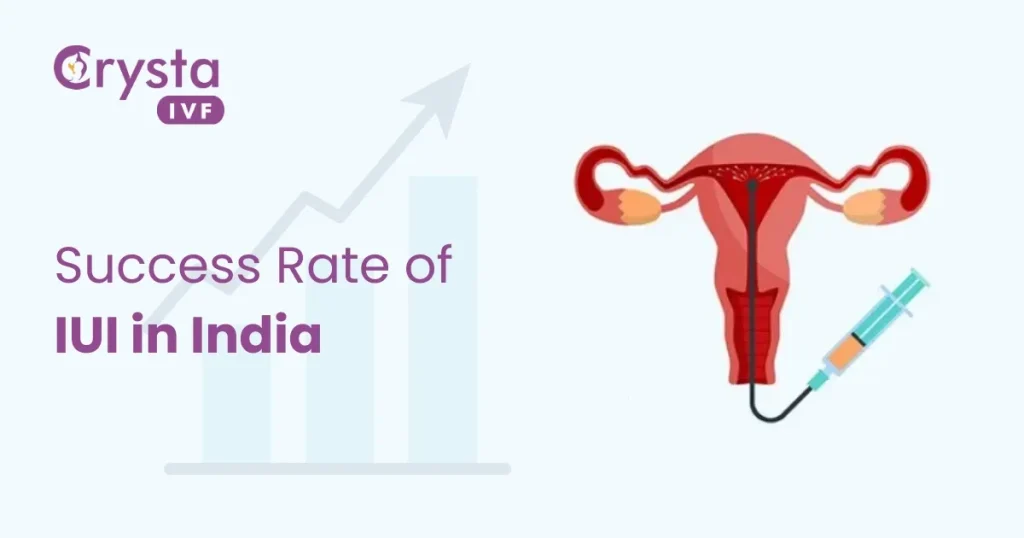
How to Prepare for DIY Insemination
Step 4: Gather Supplies
Once you have chosen a donor and tracked your ovulation, it is time to gather all the necessary supplies. This includes a sterile collection cup for the sperm, a sterile syringe for insemination, and any other items recommended by your doctor or fertility specialist. It is important to use sterile equipment to reduce the risk of infection.
Step 5: Prepare the Room
Creating a comfortable and relaxing environment can help ease any anxiety or stress during the insemination process. Make sure to prepare a clean and clutter-free space, with easy access to all the necessary supplies. You may also want to have some soft music or candles to create a calming atmosphere.
Step 6: Follow Proper Insemination Techniques
It is crucial to follow proper insemination techniques to increase the chances of success. This includes ensuring that the sperm is inserted into the vagina as close to the cervix as possible. It is also recommended to remain lying down for at least 30 minutes after insemination to allow the sperm to travel towards the cervix.
Step 7: Take Care of Yourself
After insemination, it is important to take care of yourself both physically and emotionally. This includes avoiding strenuous activities and taking time to relax. It is also essential to manage any stress or anxiety that may arise during the two-week wait before taking a pregnancy test.
In summary, preparing for DIY insemination involves consulting with a doctor, choosing a donor, tracking ovulation, gathering supplies, preparing the room, following proper techniques, and taking care of oneself. By following these steps, you can increase the chances of a successful insemination and start your journey towards parenthood. Remember to stay positive and be patient, as the process may take multiple attempts before achieving pregnancy. Best of luck on your DIY insemination journey!