DIY Insemination and the Importance of Informed Consent: A Guide for Individuals and Couples
In today’s world, there are many different ways to start a family. With advancements in reproductive technology and a growing acceptance of non-traditional families, more and more people are exploring alternative methods of conceiving. One such method is DIY insemination, or at-home insemination, which involves using donor sperm to fertilize an egg without the help of a medical professional. While this may seem like a simple and affordable option for those looking to conceive, it is important to understand the process and the importance of informed consent before embarking on this journey.
What is DIY Insemination?
DIY insemination is the process of using donor sperm to fertilize an egg at home, without the assistance of a medical professional. It can involve a variety of methods, such as using a syringe or a menstrual cup to insert the sperm into the vagina, or using a home insemination kit. This process is often chosen by individuals and couples who are unable to conceive through traditional methods, such as heterosexual couples with male infertility issues, single individuals, or same-sex couples.
The DIY insemination process may seem simple enough, but it is important to note that it is not a guaranteed method of conception. It requires careful planning and timing, as well as understanding the risks and potential complications involved. It is also crucial to have a thorough understanding of informed consent before proceeding with this method.
Understanding Informed Consent
Informed consent is the process of fully understanding and agreeing to a medical procedure or treatment. It involves being informed of all potential risks and benefits, as well as alternative options, so that an individual can make an educated decision about their own healthcare. In the case of DIY insemination, informed consent is necessary for both the donor and the recipient.
For the donor, it is important to fully understand the legal and emotional implications of donating sperm. They must also be aware of any potential risks or health concerns that may come with the process. For the recipient, it is important to understand the potential risks and success rates of DIY insemination, as well as any legal and emotional implications for both themselves and the donor.
The Importance of Informed Consent in DIY Insemination
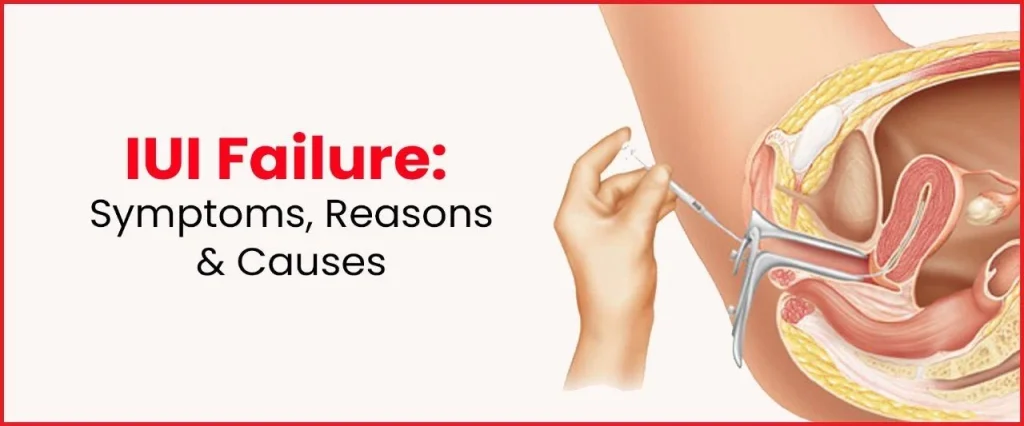
DIY Insemination and the Importance of Informed Consent
Informed consent is essential in any medical procedure, and DIY insemination is no exception. Without informed consent, individuals and couples may be putting themselves and their potential child at risk. The lack of medical supervision and proper screening of the donor can lead to potential health issues for the recipient and the child, such as sexually transmitted infections or genetic disorders.
In addition, the lack of legal documentation and agreements between the donor and the recipient can lead to complicated legal battles in the future. It is important for both parties to have a clear understanding of their rights and responsibilities before proceeding with DIY insemination.
The Risks and Limitations of DIY Insemination
While DIY insemination may seem like a convenient and affordable option, it is important to be aware of the potential risks and limitations involved. One of the biggest risks is the lack of medical supervision, which can lead to improper handling of the sperm and potential health complications. In addition, DIY insemination does not offer the same success rates as traditional medical insemination methods, such as intrauterine insemination (IUI) or in vitro fertilization (IVF).
DIY insemination also has limitations when it comes to genetic screening and selection of the donor. Without proper medical supervision, there is a higher risk of using sperm from a donor with genetic disorders or diseases, which can be passed on to the child.
The Importance of Seeking Professional Help
While DIY insemination may seem like a tempting option, it is important to seek professional help before proceeding with this method. A reproductive specialist can provide guidance and support throughout the process, as well as ensure that all necessary health screenings and legal agreements are in place.
In addition, seeking professional help can also increase the chances of successful conception. A reproductive specialist can offer more advanced and effective techniques, such as IUI or IVF, which have higher success rates than DIY insemination.
DIY insemination may seem like an easy and affordable option, but it is crucial to consider the importance of informed consent and seek professional help before proceeding. It is essential to fully understand the risks and limitations involved and make an informed decision about your reproductive health.
In summary, DIY insemination is a method of conceiving that involves using donor sperm at home without the assistance of a medical professional. However, it is important to understand the process and the importance of informed consent before embarking on this journey. Informed consent involves understanding all potential risks and benefits, as well as legal and emotional implications for both the donor and the recipient. Seeking professional help and guidance is crucial to ensure the safety and success of the process. DIY insemination may seem like a simple option, but it is important to carefully consider all factors before proceeding.