Blog Post: The Role of Nutrition in Preparing for Insemination
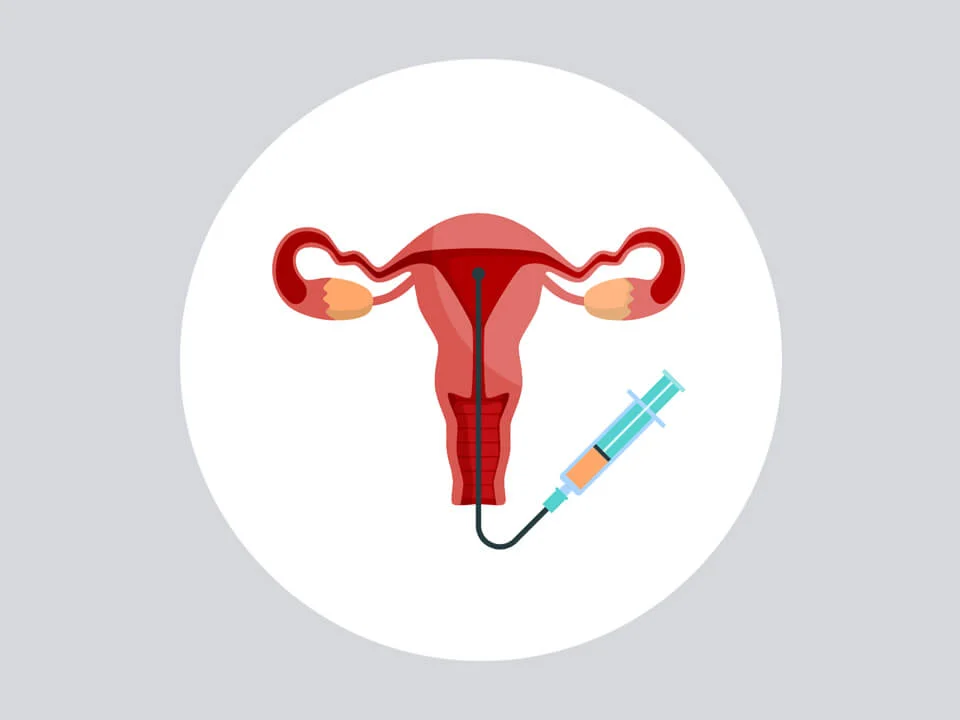
Insemination is a process where sperm is artificially introduced into a female’s reproductive tract in order to fertilize an egg. This method is commonly used in fertility treatments, but it can also be used for those who are trying to conceive naturally. While there are various factors that can affect the success of insemination, one crucial aspect that should not be overlooked is nutrition.
Nutrition plays a significant role in preparing for insemination, as it can impact the overall health and fertility of both partners. In this blog post, we will discuss the importance of proper nutrition in preparing for insemination and provide tips on how to optimize your diet for this reproductive procedure.
How Nutrition Affects Fertility
Nutrition has a direct impact on fertility as it affects the reproductive hormones and the overall health of the reproductive organs. A well-balanced diet that provides essential nutrients can improve the quality of sperm and eggs, making it easier for fertilization to occur. On the other hand, a poor diet lacking in essential nutrients can lead to hormonal imbalances, nutrient deficiencies, and other health issues that can hinder the chances of conception.
Important Nutrients for Preparing for Insemination
1. Folic Acid
Folic acid, also known as folate, is a vital nutrient for both men and women when preparing for insemination. This B vitamin is crucial for the development of a healthy placenta and fetus, reducing the risk of birth defects. It is recommended for women to consume 400-800 micrograms of folic acid daily, at least three months before attempting to conceive.
2. Iron
Iron is essential for the production of healthy red blood cells, which are responsible for carrying oxygen to all the cells in the body. Iron deficiency can lead to anemia, which can cause irregular ovulation and menstrual cycles, making it difficult to conceive. It is recommended for women to consume 18 milligrams of iron daily, while men should aim for 8 milligrams.
3. Omega-3 Fatty Acids
Omega-3 fatty acids, particularly DHA and EPA, are crucial for both male and female fertility. These essential fatty acids play a role in regulating hormones, improving egg quality, and sperm health. Sources of omega-3 fatty acids include fatty fish, flaxseeds, and chia seeds.
4. Zinc
Zinc is an essential mineral that plays a critical role in reproductive health. In men, zinc is necessary for sperm production and motility, while in women, it is necessary for the development and release of healthy eggs. It is recommended for men to consume 11 milligrams of zinc daily, while women should aim for 8 milligrams.
The Role of Nutrition in Preparing for Insemination
5. Antioxidants
Antioxidants such as vitamins C and E, beta-carotene, and selenium are crucial for fertility as they protect the reproductive cells from damage caused by free radicals. These harmful molecules can damage sperm and eggs, leading to infertility. Consuming a diet rich in fruits, vegetables, nuts, and seeds can provide a good amount of antioxidants to help improve fertility.
Tips for Optimizing Nutrition for Insemination
1. Eat a Well-Balanced Diet
A well-balanced diet that includes a variety of whole foods, such as fruits, vegetables, whole grains, lean protein, and healthy fats, is essential for preparing for insemination. Eating a variety of foods ensures that you are getting all the necessary nutrients for optimal fertility.
2. Avoid Processed and Junk Foods
Processed and junk foods are high in unhealthy fats, sugar, and calories, which can negatively impact fertility. These foods can also lead to weight gain, which can interfere with hormone levels and ovulation.
3. Stay Hydrated
Drinking plenty of water is essential for overall health and fertility. It helps to keep the body hydrated and ensures the proper functioning of all organs, including the reproductive organs.
4. Consider Supplements
Sometimes, it can be challenging to get all the necessary nutrients from food alone. In this case, it may be beneficial to consider taking supplements, especially those that are specifically formulated for fertility.
5. Consult with a Registered Dietitian
Consulting with a registered dietitian can be helpful in creating a personalized nutrition plan for preparing for insemination. They can assess your current diet and make recommendations for any necessary dietary changes.
Summary:
Proper nutrition plays a crucial role in preparing for insemination. A well-balanced diet that provides essential nutrients such as folic acid, iron, omega-3 fatty acids, zinc, and antioxidants can improve fertility and increase the chances of successful conception. It is essential to eat a variety of whole foods, stay hydrated, and consult with a registered dietitian for personalized recommendations. Avoiding processed and junk foods is also crucial for optimizing nutrition for insemination.