Blog Post:
When it comes to the process of insemination, one of the key factors for success is the quality and quantity of sperm. Sperm, also known as spermatozoa, are the male reproductive cells that are responsible for fertilizing the female egg. Understanding the science behind sperm is crucial for couples who are trying to conceive through insemination. In this blog post, we will delve into the science of sperm and how it affects male fertility in insemination.
Sperm Production and Development
Sperm production begins during puberty and continues throughout a man’s life. The process of sperm development, also known as spermatogenesis, takes place in the testes. The testes contain seminiferous tubules, which are responsible for producing sperm cells. These tubules are lined with special cells called Sertoli cells, which provide nourishment and support to the developing sperm cells.
The production of mature sperm cells takes around 64 days. Sperm cells go through several stages of development before they are fully matured and ready for fertilization. The first stage is the production of spermatogonia, which are the precursor cells of sperm. These cells then go through the process of mitosis, where they divide and produce primary spermatocytes. These primary spermatocytes then go through meiosis, which is a specialized form of cell division that results in the production of four haploid cells. These haploid cells are then transformed into spermatids, which are the immature sperm cells. Finally, the spermatids undergo a process called spermiogenesis, where they develop into mature sperm cells.
Sperm Structure and Function
A mature sperm cell is a tiny, sleek structure with a head and a tail. The head contains genetic material, including DNA, and is covered by a cap-like structure called the acrosome. The acrosome contains enzymes that help the sperm penetrate the egg during fertilization. The tail, also known as the flagellum, is responsible for the sperm’s movement. It propels the sperm forward, allowing it to swim towards the egg.
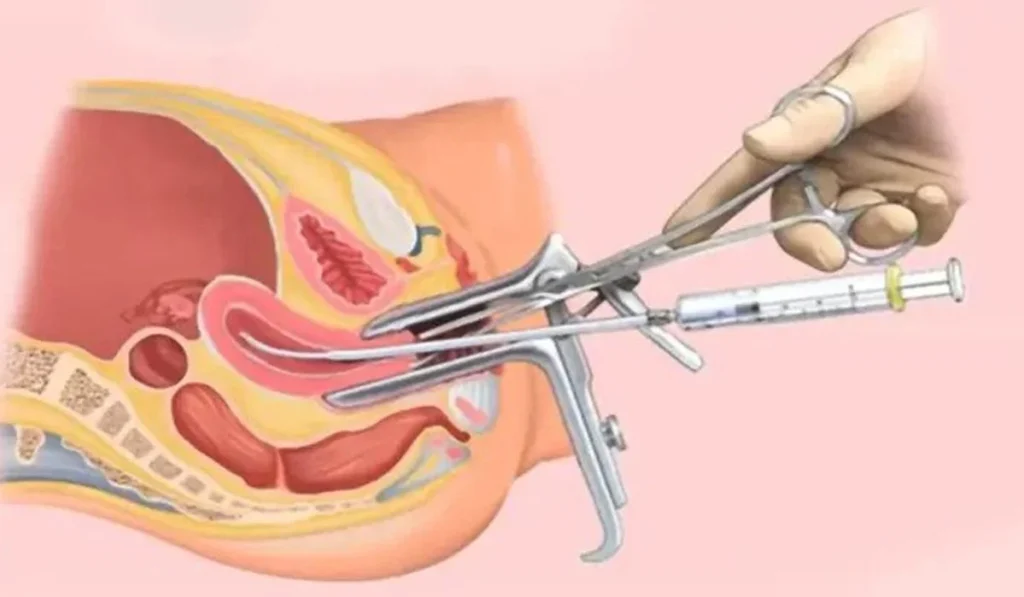
The main function of sperm is to fertilize the female egg. However, sperm also plays a crucial role in the process of insemination. Insemination is the introduction of sperm into the female reproductive tract in hopes of fertilizing an egg. In this process, sperm must travel through the female reproductive tract and reach the fallopian tubes, where fertilization takes place.
Factors Affecting Sperm Quality and Quantity
Several factors can affect the quality and quantity of sperm, which in turn, can impact male fertility in insemination. Some of the most common factors include:
The Science of Sperm: Understanding Male Fertility in Insemination
1. Age: As men get older, their sperm quality and quantity may decrease. This is because the process of spermatogenesis becomes less efficient with age.
2. Lifestyle habits: Certain lifestyle habits like smoking, excessive alcohol consumption, and drug use can have a negative impact on sperm quality and quantity.
3. Health conditions: Health conditions like diabetes, high blood pressure, and sexually transmitted infections can affect sperm production and function.
4. Hormonal imbalances: Hormonal imbalances can disrupt the process of spermatogenesis and affect sperm production.
5. Environmental factors: Exposure to environmental toxins, such as pesticides, radiation, and chemicals, can damage sperm cells and affect male fertility.
Importance of Sperm Analysis in Insemination
Before undergoing any insemination procedure, it is crucial for men to have their sperm analyzed. A sperm analysis, also known as a semen analysis, is a test that evaluates the quantity and quality of sperm in a man’s semen. This test can help identify any potential issues with sperm production or function that may affect fertility. It can also determine the best course of action for couples trying to conceive through insemination.
During a sperm analysis, a sample of semen is collected and examined under a microscope. The sample is evaluated for several factors, including sperm count, motility (movement), and morphology (shape and size). A sperm analysis can also detect any abnormalities in sperm, such as a low sperm count or abnormal shape, which may indicate underlying health issues.
Conclusion
Understanding the science of sperm is crucial for couples trying to conceive through insemination. Sperm production, structure, and function play a vital role in male fertility and the success of insemination procedures. Factors such as age, lifestyle habits, health conditions, hormonal imbalances, and environmental toxins can affect sperm quality and quantity. Therefore, it is important for men to have their sperm analyzed before undergoing any insemination procedures.
In summary, the science of sperm is complex and fascinating. Sperm production and development, structure and function, and factors affecting sperm quality and quantity all play a crucial role in male fertility and the process of insemination. Couples who are trying to conceive through insemination should be aware of these factors and ensure that they have a thorough understanding of the science of sperm to increase their chances of success.